Posted in Habit formation, Hobbies, intentional living, learning, life hacks, lifelong learning, lifestyle, personal development, personal growth, wellbeing

Discover Fun Hobbies That Boost Skills, Wellbeing, and Growth (a guest post by Linda Chase)

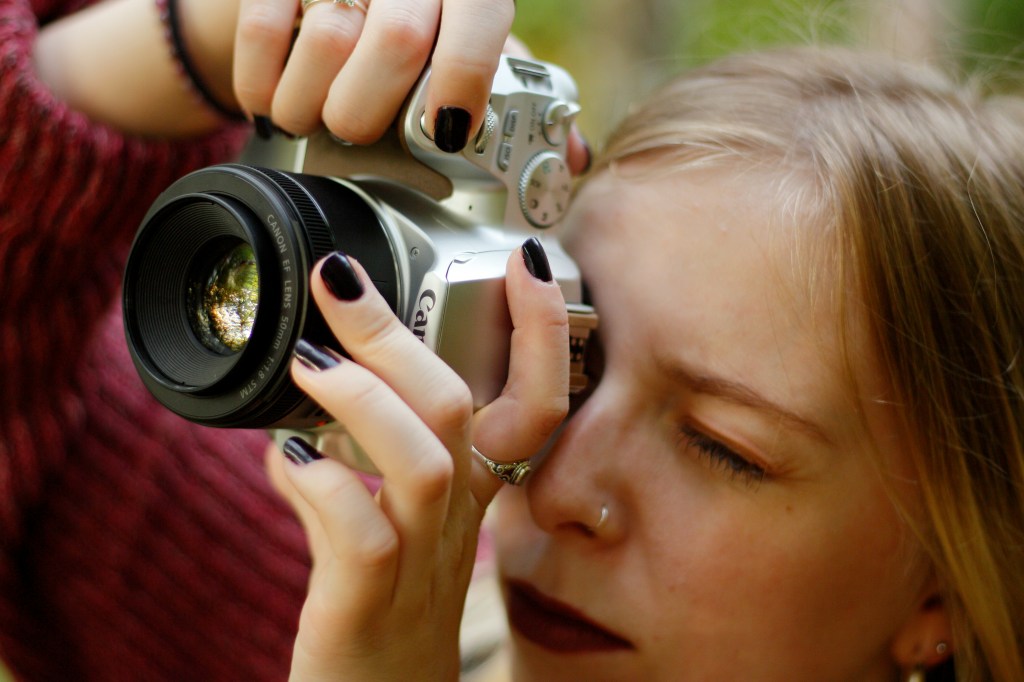
Photo from a selection on Unsplash

This week, we have another fantastic article from regular guest contributor Linda Chase. The focus of today’s piece is hobbies which your boost skills and wellbeing and, provide opportunities for personal or professional growth. Linda shares some excellent tips for getting started and maintaining consistency. She also offers thoughtful and honest answers to common hobby related questions. I hope you enjoy reading the piece and that her writing provides you with as much food for thought in relation to different pastimes as it did for me. From here, I’ll leave you in Linda’s capable hands…

Busy professionals juggling work, responsibilities, and a shrinking sense of curiosity often feel the same tension: plenty of interests, but no clear starting point and no desire to add another “should” to the week. The result is drifting into default downtime while the urge for momentum, to feel engaged again, keeps tapping at the door. The right hobbies for adults turn that restless feeling into learning new skills through options that span creative hobbies, physical activities, intellectual hobbies, and lifestyle interests. Choosing well makes free time feel purposeful.

Understanding Hobby Types and Their Payoffs

A useful way to choose a hobby is to sort options into five buckets: creative, physical, intellectual, social, and lifestyle. Each category tends to build a different mix of skills, confidence, and connection. That framing helps you choose based on the outcome you want, not whatever looks trendy.

This matters because hobbies can support mental health, personal growth, and relationships at the same time. Research has found lower depressive symptoms among people with hobby engagement, which makes “fun” a practical investment.

Think of it like building a balanced menu. If work already uses your brain all day, a physical hobby can reset your mood, while a social hobby keeps you from isolating. If life feels scattered, a lifestyle hobby adds structure you can actually look forward to. With clear categories, you can map hobby strengths into real skill pathways that support career momentum.

Turn a Hobby Into a Career Plan With Structured Learning

Once you see how different hobbies pay off in real-life skills, it’s natural to wonder which ones could become something bigger. If you’ve fallen in love with a new hobby or skill, whether it’s something you practice every weekend or can’t stop thinking about, going back to school can help you turn that momentum into a career path. Formal learning can give your passion a clearer direction, strengthen what you already do well, and make your next move feel more achievable.

If you’re starting a business, earning a business management degree can build your skills in leadership, operations, and project management, and a clear reference can help you explore what that coursework looks like. An online degree can also make it easier to keep learning while you balance work, family, and the hobby you’re growing into something more.

Try Beginner-Friendly Hobbies With First-Week Steps

Pick one hobby that fits the skill you want to grow, creative output, social connection, fitness, or career-relevant capability, and commit to a “first-week sprint.” These beginner hobby ideas and practical hobby tips keep the barrier low while still building real momentum you can map to longer-term learning goals.

  1. Run a 7-day “minimum viable hobby” plan: Define a tiny outcome you can finish in one week, one photo set, one stitched item, one song, or one conversation. Block three sessions of 25–40 minutes and write a one-sentence success rule like “I practice even if it’s messy.” This works because repetition beats intensity, and the plan is easy to track if you’re treating hobbies as structured skill-building.
  2. Start sewing basics with a two-seam project: Begin with a low-stakes item like a simple tote, pillow cover, or reusable cloth. Your first week goal is mastering two skills, threading the needle and stitching straight, so you don’t overload yourself with patterns, zippers, and fit. Use scrap fabric to practice three lines a day, then sew the final piece in one sitting so you get a quick win.
  3. Use one photography technique per walk: Take a 15-minute walk and shoot only one subject category, doors, shadows, or hands, to sharpen your eye. On day one, practice exposure by taking three versions of the same shot: darker, normal, brighter. Later in the week, add composition by using the rule of thirds for 10 photos, then review and keep only three; editing your “keepers” teaches faster than saving everything.
  4. Learn a new language by experiencing it first: For the first 3–5 days, listen and read without drilling rules, aiming to recognize repeated phrases you can reuse. The Circe Institute’s idea that the first stage is poetic supports starting with experience over grammar charts, which reduces overwhelm and builds intuition. Finish the week with a 60-second self-introduction you can say from memory, even if the accent isn’t perfect.
  5. Play a musical instrument with a “two-chord + rhythm” target: Choose a single rhythm pattern and two easy chords or notes, then practice switching between them slowly for 5 minutes a day. Add one new element only after you can do 10 clean switches in a row; this prevents the common trap of bouncing between tutorials without mastery. By day seven, record a 30–45 second clip so you can hear progress objectively.
  6. Pick a hobby that doubles as a career skill and document it: If you’re building toward a career plan, select a hobby with transferable outputs, cooking becomes process planning, gardening becomes measurement and iteration, crafting becomes project estimation. Keep a simple log: time spent, what improved, what blocked you, and one “next rep” task. This creates a portfolio-style trail you can use to identify skill gaps and decide what structured learning would accelerate results.

Common Hobby Questions (and Honest Answers)

Q: What if I’m “bad” at the hobby I picked?
A: Being bad is the starting line, not a red flag. Choose one tiny skill to repeat (one stitch line, one photo setting, one chord change) and track reps, not talent. Treat mistakes as data you can adjust next time.

Q: How do I make time for a hobby with a busy schedule?
A: Use a fixed, small appointment like 25 minutes three times a week. Put it next to an existing routine (after dinner, before shower, during lunch) so it has a cue. If you miss a day, restart the next day without “making up” time.

Q: Why does motivation disappear after the first few days?
A: Novelty fades fast, so lean on structure instead of feelings. Many people use adult hobbies as a steady outlet, not a constant thrill, so keep the goal simple and repeatable.

Q: Can I balance hobbies with work without feeling guilty?
A: Yes, if you define your hobby as recovery plus growth, not “extra productivity.” Remember that leisure activities can reduce the stresses of grown-up life, which often supports better focus at work.

Q: What should I do when progress feels painfully slow?
A: Shrink the task and raise the consistency: five minutes, one drill, one page, one sketch. Then do a “reset review” by comparing your first attempt to today’s and writing one specific next step.

Build Lifelong Learning With One Hobby and 30 Days

It’s easy to want a hobby for relief and growth, then get stuck on time, motivation, or slow progress. The way through is the mindset this guide emphasized: treat hobbies as playful practice, small, consistent effort that values learning over perfection, supported by simple self-improvement strategies. Done that way, the lifelong learning benefits stack up quietly, personal growth through hobbies feels earned, and the hobby’s impact on wellbeing shows up in steadier mood and confidence. Pick a hobby you can return to, and let consistency do the teaching. Choose one skill today and run a 30-day experiment, tracking tiny wins daily in a note. That’s how inspiration to start hobbies turns into resilience, health, and momentum that carries into everything else.

Final words…

Last month, I made a commitment to a summer personal curriculum which involved learning macro photography across the months of June, July and August. I created a page of aspects of the topic with a view to dedicating around two hours each week to learning. I started off well and was enjoying finding out about this aspect of photography, however, work took over much of my time in June and early July and my photography hobby has very much taken a back seat. I absolutely love Linda’s idea of developing hobby consistency through tracking my daily wins, and that, along with actually getting my camera out of the cupboard, attaching the lens and beginning to explore what I can do based on the theoretical aspects of the topic, should help me to maintain momentum. I’ll be able to record my wins in my bullet journal and this will help me to celebrate tiny achievements across the remainder of the summer months.

Let me know in the comments which aspects of Linda’s article particularly resonated with you and feel free to also share your hobby ideas and intentions for the next month or so. I love to hear what my readers are focusing on in their free time.

Posted in goal setting, life hacks, lifelong learning, personal growth, productivity, Setting goals and intentions

Monday Matters: 7 ways to be a lifelong learner (Part 2 of 2)

Today, I’m sharing the second and final part of my mini-series on lifelong learning. In Part 1, I considered the character traits of lifelong learners and discussed the benefits of being a lifelong learner. In Part 2, I’m going to be identifying different habits to adopt for continual learning and also sharing a range of ways to be a lifelong learner. I hope you find both of my posts useful and they help you think about the value of continued learning, your preferred learning styles, plus little tweaks you could make to your daily life and schedule so that learning is both a priority and a joy.

Photo credit: Laura Jones for Keeping It Creative

1. Consider your learning styles

We all have preferred methods of learning and, as adults we can develop our understanding of the different styles, decide which of them work best for us personally, and then use our knowledge to tailor our learning experiences appropriately. Here are some of the most common types of learner:

  • auditory – learns by listening e.g. through music, lectures, podcasts, and talks
  • visual – prefers to use visual aids such as pictures, photographs, videos, charts and diagrams, they may also draw their own illustrations to help them remember key information
  • kinesthetic – learns by doing and often described as ‘hands on’ learners, likes to use different senses to take in the information
  • reading / writing – learns through seeking out written information in books and magazine articles, prefers to write things down in words rather than using pictures or graphs, also likes to underline key points, colour code information or write notes in the margin when given a handout
  • logical / analytical – learns by processing data and solving problems, often looks for patterns to connect different aspects of the information in order to make sense of what is being presented
  • naturalistic – learns through investigating the natural environment, particularly enjoys outdoor and environmental learning opportunities. Enjoys carrying out field studies, watching wildlife documentaries, keeping nature journals with own sketches, photographs, observations etc. and finding out more about different environmental issues such as climate change
  • interpersonal – this type of learner functions best when they engage in group activities like quizzing one another, becoming involved in discussions or brainstorms and forming study groups
  • intrapersonal – this type of learner prefers a solitary learning style and finds self study particularly effective

You may find that from the list above, you prefer several of the different learning styles and this can help you to explore particular approaches to learning. However, it’s also important to recognise that some types of learning are more pertinent to particular topics of study or aspects of learning than others. For example, if you want to learn how to play a musical instrument, auditory, visual and kinesthetic (hands on) activities may be more helpful than reading or writing about the skills involved.

2. Identify your passions and interests

As an adult, you have lots of choice in terms of what you’d like to learn about and the skills you’d like to develop. You’re also free to explore and follow your passions and interests in any way you choose or even decide that you’re not as interested in something as you thought you were! Here’s some ideas for identifying specific passions and interests:

  • reflect on your past experiences and activities you’ve particularly enjoyed – does anything stand out in your memory that you’d like to become involved in or try again?
  • think about your particular set of skills and abilities – are there any particular ways in which you’d like to put them to good use?
  • consider your core values – this will help you establish what matters to you in life and then you can create learning experiences which reflect this. There are lots of resources online with lists of core personal values but you might find this article particularly helpful as it adds a little detail to each item on the list
  • consider favourite topics of conversation with friends and family members or what you like to teach others about
  • try out new things and discover what sparks your curiosity and interest
  • write a list of things you’d like to get better at e.g. cooking, gardening, playing guitar, drawing, singing, applying make up – give yourself plenty of time to see what comes up!

3. Read every single day

Developing a habit of reading each and every day is a great way of learning new things. To make it stick, try habit stacking by pairing it with an existing habit of yours. So, for example, part of my morning routine is breakfast, filling in my journal and reading a book or article of my choice for 5, 10 or 20 minutes depending on the time I have available. I also always read a novel on my Kindle each night as soon as I get into bed.

Any form of reading is an opportunity to learn, but varying your reading material is the best way to gain new knowledge and different perspectives. In a month, you might read several novels (choosing different genre such as crime thriller, romance, historical fiction and fantasy), a collection of love poetry, an article in a magazine which is full of self care ideas, a few blog posts on topics that interest you such as a particular creative pursuit or easy vegetables to grow in your garden, the definition of a previously unfamiliar word in a dictionary, a newspaper article about an environmental issue and a few chapters from a non-fiction book about creating a well-organised home.

4. Set realistic and meaningful goals

A great way of setting learning goals and pursuing them is to use the SMART framework. Taking time to identify the specifics and draw up small and achievable steps is crucial if you want to make meaningful progress and enjoy the outcomes of your learning.

5. Manage your time effectively

If you want to make learning a priority, you need to dedicate time to it on a regular basis and ensure it becomes a key part of your routine. Good time management is such an important skill to develop (and might be something you want to learn about first before pursuing your passions and interests). Key ways to manage your time well so you can create opportunities for learning include:

  • keeping yourself organised – make sure your calendar is up-to-date so you know your commitments and when you might be able to carve out some time for learning
  • maintain a tidy environment where everything has its place – so you don’t spend precious minutes or hours looking for things you need but can’t find
  • prioritising – making decisions about the best use of your time today, deciding what’s important for you in your life right now and making those things a priority (don’t forget to add time for breaks too)
  • scheduling – try ‘time blocking’ by first adding in regular tasks and activities such as eating meals, sleeping, going to work etc. and then fitting in other priorities around these
  • avoiding time and energy drainers such as scrolling social media, excessively checking your email, phone notifications (especially sounds and pop ups which draw your attention straight away), negativity whether that’s from people, watching the news or doomscrolling
  • set short term goals for learning that help you take steps towards your long term goals and regularly evaluate your progress to check you’re heading in the right direction

If you want to know more about making time for your current priorities and developing time management skills, I highly recommend ‘Make Time: How to focus on what matters every day’ by Jake Knapp and John Zeratsky.

6. Make use of free online resources

Follow a small number of podcasts, blogs and vlogs on a topic of your choice, hosted by people you find interesting to hear from and schedule some time each week to check in with them and explore new content or older uploads that you might have missed. Also look for online tutorials for beginners (there’s loads to choose from on YouTube or within blogs) or introductory courses so you can give things a go before committing to them financially. Alternatively, to develop your knowledge of a subject in general, you might like to join a group (for example on Facebook) where you can follow interesting topics of conversation, start a thread to discover different opinions or ask a question of someone with a higher level of expertise in the field.

7. Don’t forget to rest

Although making time for learning is important if you want to explore your passions and interests, equally valuable is taking regular breaks for rest and relaxation. This might mean meditating, listening to a favourite album or piece of music, spending time in nature or engaging in creative activities such as drawing, painting or papercrafting. Ensuring you get adequate, quality sleep is also essential for good cognition so be sure to make this a priority too.

Final words…

I hope today’s blog post has given you a few new ideas on how to be a lifelong learner. Ultimately, you are looking to cultivate a growth mind set where you are always looking for opportunities to learn, aren’t frightened to try new and challenging things, seek out new perspectives as a way to see the world in a different way, view mistakes, failures and setbacks as learning opportunities, find value in constructive criticism and believe that, with effort, you are more than capable of developing both your knowledge and abilities in order to reach your full potential.

I wish you well on your various learning journeys and remember every day is a new opportunity to be who you want to be,

Posted in goal setting, life hacks, productivity, self care, Setting goals and intentions

Embrace Your Journey: Living Your Best Life and Achieving Your Goals – Guest post by Linda Chase

Image: Pexels

Today, I’m sharing a second great blog post written by Linda Chase of Able Hire, this time discussing strategies to help you cultivate your best life and meet with success as you make your way towards your hopes and dreams for the future. I’m sure you’ll like the content as much as I did and will pick up some useful tips as you read. Enjoy!


As we navigate through life, we are constantly exploring ways to enhance our journey. The journey to live our best life and achieve our dreams is a continuous process that requires commitment, resilience, and a balanced approach. Here, Keeping it Creative presents eight key strategies you can incorporate right now to help you lead a fulfilled life and accomplish your aspirations.

Build your confidence through fashion

Confidence is a fundamental ingredient for success, and one way to boost it is through your personal style. Fashion can be an expression of your personality, serving as a confidence booster. Dressing in a way that makes you feel good about yourself can have a significant impact on your self-assuredness.

Cultivate resilience

Life is full of challenges, but the way we perceive and respond to these difficulties greatly impacts our growth. Embrace challenges as opportunities for learning and self-improvement. Develop coping strategies, like mindfulness or journaling, to overcome setbacks and bounce back stronger than before.

Embrace Self-Care

In our pursuit of goals, we often neglect our physical, emotional, and mental well-being. Make self-care a priority. Incorporate regular exercise into your schedule, practice mindfulness, and cultivate healthy eating habits. Pursue things that make you happy! If you love art, check out the fun options on Keeping it Creative. These small actions can significantly improve your overall well-being and productivity.

Foster Positive Energy

It’s important to surround yourself with positivity as much as possible wherever you are. If your family, roommates, or coworkers seem stuck in a negative mindset, take time to talk through what is going on and make it right. Then, you can cleanse the space with naturopathic cleaning remedies to reset the energy. You can even smudge with sage if you desire. It is hard to be at your best when you are surrounded by negativity, so take control of the energy around you!

Develop a Growth Mindset

A growth mindset – the belief that you can learn, improve, and evolve – is crucial for personal development. See failures not as dead-ends but as stepping stones towards success. In fact, anxiety and stress can be positive motivators to get out of our comfort zone and do something amazing! Regularly seek out opportunities for growth and learning, and embrace change as a necessary part of the journey.

Stay Curious

Curiosity acts as a catalyst for creativity and innovation, driving us towards our objectives. By committing to daily learning, be it through reading a new book, enrolling in an online course, or delving into a fresh hobby, we stimulate our minds. This practice of maintaining an active and engaged mind is a testament to the power of curiosity in fueling our personal and professional growth.

Network with Like-Minded Individuals

Surround yourself with people who share your values and aspirations. Build a network of supportive, motivating individuals who inspire you to keep moving forward. Exchanging ideas, collaborating on projects, and supporting each other’s journeys can significantly contribute to your overall success.

Keep a Clean Home

The condition of your living environment is a reflection of your mental well-being, and an organised, clean space can positively influence your mood, enhancing productivity and promoting tranquility. Concurrently, setting clear, manageable objectives offers essential direction and focus in your life’s journey. Regularly taking time to declutter and re-organise your physical space is as crucial as periodically reviewing and adjusting your goals for maintaining motivation. Both practices ensure you’re on the right path towards achieving a harmonious mental state and accomplishing your aspirations. Get the most out of your cleaning efforts by taking advantage of resources like Cleaner Digs.

Foster Meaningful Connections

Cherishing our connections with loved ones greatly enhances our overall happiness. It’s essential to prioritise time for gatherings, providing opportunities to fortify bonds and create lasting memories. Embrace technology with a free invitation maker, which simplifies the process of planning both impromptu and scheduled events. You can create invitations by modifying templates and adding your own text.

Search for Joy and Meaning

Living your best life and achieving your goals is a journey of resilience, self-care, growth, curiosity, and supportive networks. By incorporating these eight key strategies into your life, you’re setting yourself up for success. Remember, it’s not about the destination, but the journey, and every step you take towards betterment is a step closer to living your best life and achieving your dreams.


So there you have it, eight wonderful strategies for living your best life and embracing your journey towards your goals. I particularly enjoyed learning more about the effect your physical environment can have on your mental wellbeing. As some of my readers will know, I’m currently in the process of decluttering my craft room and my goal is to have a neat and well-organised space which is a joy to work and craft in. I’ve realised that I would benefit from re-prioritising this aspiration as Linda has reminded me that it’s key to boosting my mood, being more productive and feeling in control.

Both Linda and I would love to hear your thoughts on today’s guest post, especially which points resonated with you the most, so feel free to drop a comment below.