
This week, we have another fantastic article from regular guest contributor Linda Chase. The focus of today’s piece is hobbies which your boost skills and wellbeing and, provide opportunities for personal or professional growth. Linda shares some excellent tips for getting started and maintaining consistency. She also offers thoughtful and honest answers to common hobby related questions. I hope you enjoy reading the piece and that her writing provides you with as much food for thought in relation to different pastimes as it did for me. From here, I’ll leave you in Linda’s capable hands…
Busy professionals juggling work, responsibilities, and a shrinking sense of curiosity often feel the same tension: plenty of interests, but no clear starting point and no desire to add another “should” to the week. The result is drifting into default downtime while the urge for momentum, to feel engaged again, keeps tapping at the door. The right hobbies for adults turn that restless feeling into learning new skills through options that span creative hobbies, physical activities, intellectual hobbies, and lifestyle interests. Choosing well makes free time feel purposeful.
Understanding Hobby Types and Their Payoffs
A useful way to choose a hobby is to sort options into five buckets: creative, physical, intellectual, social, and lifestyle. Each category tends to build a different mix of skills, confidence, and connection. That framing helps you choose based on the outcome you want, not whatever looks trendy.
This matters because hobbies can support mental health, personal growth, and relationships at the same time. Research has found lower depressive symptoms among people with hobby engagement, which makes “fun” a practical investment.
Think of it like building a balanced menu. If work already uses your brain all day, a physical hobby can reset your mood, while a social hobby keeps you from isolating. If life feels scattered, a lifestyle hobby adds structure you can actually look forward to. With clear categories, you can map hobby strengths into real skill pathways that support career momentum.
Turn a Hobby Into a Career Plan With Structured Learning
Once you see how different hobbies pay off in real-life skills, it’s natural to wonder which ones could become something bigger. If you’ve fallen in love with a new hobby or skill, whether it’s something you practice every weekend or can’t stop thinking about, going back to school can help you turn that momentum into a career path. Formal learning can give your passion a clearer direction, strengthen what you already do well, and make your next move feel more achievable.
If you’re starting a business, earning a business management degree can build your skills in leadership, operations, and project management, and a clear reference can help you explore what that coursework looks like. An online degree can also make it easier to keep learning while you balance work, family, and the hobby you’re growing into something more.
Try Beginner-Friendly Hobbies With First-Week Steps
Pick one hobby that fits the skill you want to grow, creative output, social connection, fitness, or career-relevant capability, and commit to a “first-week sprint.” These beginner hobby ideas and practical hobby tips keep the barrier low while still building real momentum you can map to longer-term learning goals.
- Run a 7-day “minimum viable hobby” plan: Define a tiny outcome you can finish in one week, one photo set, one stitched item, one song, or one conversation. Block three sessions of 25–40 minutes and write a one-sentence success rule like “I practice even if it’s messy.” This works because repetition beats intensity, and the plan is easy to track if you’re treating hobbies as structured skill-building.
- Start sewing basics with a two-seam project: Begin with a low-stakes item like a simple tote, pillow cover, or reusable cloth. Your first week goal is mastering two skills, threading the needle and stitching straight, so you don’t overload yourself with patterns, zippers, and fit. Use scrap fabric to practice three lines a day, then sew the final piece in one sitting so you get a quick win.
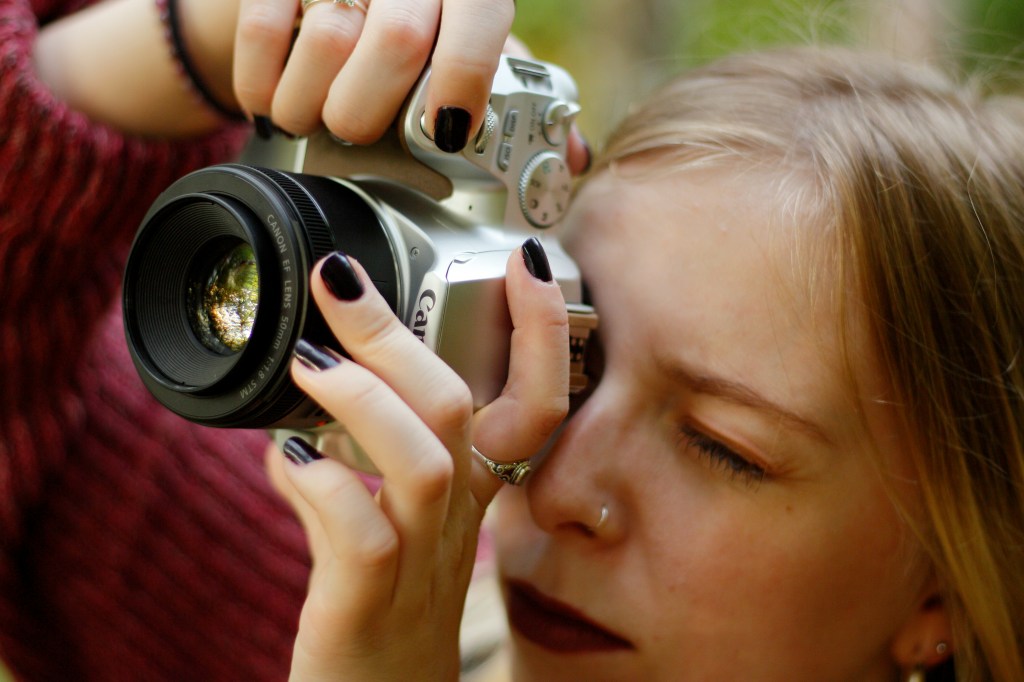
- Use one photography technique per walk: Take a 15-minute walk and shoot only one subject category, doors, shadows, or hands, to sharpen your eye. On day one, practice exposure by taking three versions of the same shot: darker, normal, brighter. Later in the week, add composition by using the rule of thirds for 10 photos, then review and keep only three; editing your “keepers” teaches faster than saving everything.
- Learn a new language by experiencing it first: For the first 3–5 days, listen and read without drilling rules, aiming to recognize repeated phrases you can reuse. The Circe Institute’s idea that the first stage is poetic supports starting with experience over grammar charts, which reduces overwhelm and builds intuition. Finish the week with a 60-second self-introduction you can say from memory, even if the accent isn’t perfect.
- Play a musical instrument with a “two-chord + rhythm” target: Choose a single rhythm pattern and two easy chords or notes, then practice switching between them slowly for 5 minutes a day. Add one new element only after you can do 10 clean switches in a row; this prevents the common trap of bouncing between tutorials without mastery. By day seven, record a 30–45 second clip so you can hear progress objectively.
- Pick a hobby that doubles as a career skill and document it: If you’re building toward a career plan, select a hobby with transferable outputs, cooking becomes process planning, gardening becomes measurement and iteration, crafting becomes project estimation. Keep a simple log: time spent, what improved, what blocked you, and one “next rep” task. This creates a portfolio-style trail you can use to identify skill gaps and decide what structured learning would accelerate results.
Common Hobby Questions (and Honest Answers)
Q: What if I’m “bad” at the hobby I picked?
A: Being bad is the starting line, not a red flag. Choose one tiny skill to repeat (one stitch line, one photo setting, one chord change) and track reps, not talent. Treat mistakes as data you can adjust next time.
Q: How do I make time for a hobby with a busy schedule?
A: Use a fixed, small appointment like 25 minutes three times a week. Put it next to an existing routine (after dinner, before shower, during lunch) so it has a cue. If you miss a day, restart the next day without “making up” time.
Q: Why does motivation disappear after the first few days?
A: Novelty fades fast, so lean on structure instead of feelings. Many people use adult hobbies as a steady outlet, not a constant thrill, so keep the goal simple and repeatable.
Q: Can I balance hobbies with work without feeling guilty?
A: Yes, if you define your hobby as recovery plus growth, not “extra productivity.” Remember that leisure activities can reduce the stresses of grown-up life, which often supports better focus at work.
Q: What should I do when progress feels painfully slow?
A: Shrink the task and raise the consistency: five minutes, one drill, one page, one sketch. Then do a “reset review” by comparing your first attempt to today’s and writing one specific next step.
Build Lifelong Learning With One Hobby and 30 Days
It’s easy to want a hobby for relief and growth, then get stuck on time, motivation, or slow progress. The way through is the mindset this guide emphasized: treat hobbies as playful practice, small, consistent effort that values learning over perfection, supported by simple self-improvement strategies. Done that way, the lifelong learning benefits stack up quietly, personal growth through hobbies feels earned, and the hobby’s impact on wellbeing shows up in steadier mood and confidence. Pick a hobby you can return to, and let consistency do the teaching. Choose one skill today and run a 30-day experiment, tracking tiny wins daily in a note. That’s how inspiration to start hobbies turns into resilience, health, and momentum that carries into everything else.
Final words…
Last month, I made a commitment to a summer personal curriculum which involved learning macro photography across the months of June, July and August. I created a page of aspects of the topic with a view to dedicating around two hours each week to learning. I started off well and was enjoying finding out about this aspect of photography, however, work took over much of my time in June and early July and my photography hobby has very much taken a back seat. I absolutely love Linda’s idea of developing hobby consistency through tracking my daily wins, and that, along with actually getting my camera out of the cupboard, attaching the lens and beginning to explore what I can do based on the theoretical aspects of the topic, should help me to maintain momentum. I’ll be able to record my wins in my bullet journal and this will help me to celebrate tiny achievements across the remainder of the summer months.
Let me know in the comments which aspects of Linda’s article particularly resonated with you and feel free to also share your hobby ideas and intentions for the next month or so. I love to hear what my readers are focusing on in their free time.


