Posted in amateur photography, beginner photography, Bullet journaling, education, goal setting, intentional living, learning, lifelong learning, lifestyle, personal development, personal growth, planner lifestyle, reflective journalling, Setting goals and intentions, wellbeing

Monday Matters: Creating a personal curriculum by starting small (with just one topic)

I’ve seen a lot of YouTube vlogs recently about creating your own personal curriculum, and, as I consider myself very much as a lifelong learner, I was eager to give it a go. However, with limited free time, a variety of goals in progress, and a vision board that identifies my priorities for 2026, I wanted to start really small by focusing on just one subject and a particular element I want to learn more about. If, like me, you already have a busy life but want to carve out some time to learn something new (and enjoy benefits such as enhanced brain function, improved emotional and mental wellbeing, personal growth and increased life satisfaction) read on to find out how I designed my personal curriculum for Summer 2026. Also, if you’re not sure what a personal curriculum even is, I’ve also covered this below too.

What is a personal curriculum?

A personal curriculum is a self-designed and self-lead learning plan that enables you to create your own educational journey, developing your skills and knowledge in an area which interests you. Unlike at school, college or university, you play the role of teacher, selecting your own subjects, assignments and, if you wish, learning objectives. You also get to choose how many topics you will cover (I would suggest no more than two or three to get you started), your methods of learning (e.g. books, videos, movies, podcasts, trips, experiences etc.) and the time scale for completion (e.g. one month, one season, one term or one semester). You can also plan study times around other commitments and think about how deep an understanding you wish to have by the end of your ‘module’.

The topics of your personal curriculum can vary greatly but could include academic subjects such as environmental sciences, philosophy, British Classics, Fine Art or Creative writing, hobbies such as baking, photography, knitting or watercolour painting, practical skills such as budgeting, gardening, basic car maintenance or computer literacy, or personal development such as time management, mindfulness, communication skills, learning a new language, emotional resilience or goal setting.

Choosing my focus for my learning plan

I have many, many hobbies an interests which made it difficult to decide where to start and what I wanted to work on. So, I figured that it might be a good idea to make a list of things I enjoy doing in my spare time. These are what came to mind straight away:

  • Creative journalling and memory keeping
  • bullet journalling
  • walking in nature
  • vegan cookery
  • drawing
  • watercolour painting
  • photography
  • blogging
  • fitness related including yoga, Pilates and Zumba

Some of these topics, I feel like I know quite a lot about already and so I’m happy with my current explorations of them and how much time I dedicate to them. Others, I want to learn more about but tend to explore them every now and then when I feel like getting creative (e.g. watercolour painting and drawing. The topic that I decided that I really want to focus on learning about right now was DSLR photography. However, as I’ve done a beginners course focusing on basic techniques and Photoshop, I wanted to explore a very specific type of photography which would uplevel my skills. I know I would love to concentrate on wildlife photography but I’m very aware that suitable zoom lenses and a camera upgrade would be required and I don’t have the finances for this at the moment (if ever!). What I do have though, is a macro lens which I really haven’t got the hang of yet and a love of photographing insects and flowers so I’ve opted for a module on Macro Photography as a good starting point.

What do I want to learn?

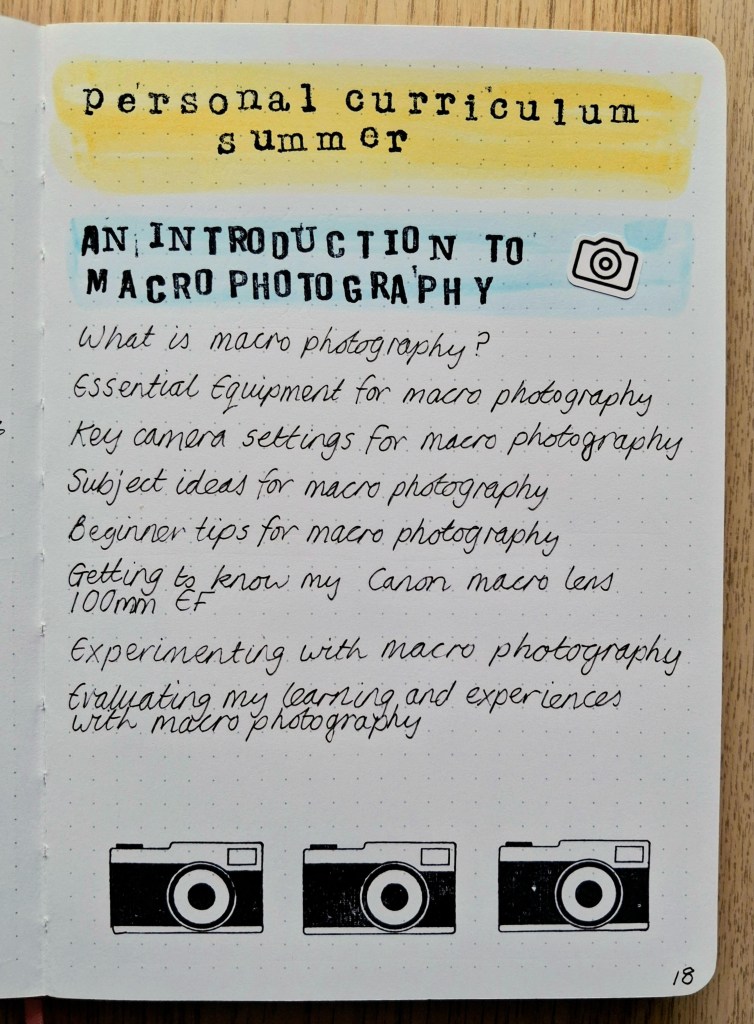
I grabbed a piece of paper and brainstormed all of the things I wanted to learn about the topic of macro photography. Then I worked in my bullet journal to made a spread called An Introduction to Macro Photography finalising my ideas by identifying a rough order of action points. I started with the theory behind this style of photography, including tips and tricks, then moved on to practical experiences and opportunities to evaluate my learning and progress. I kept it pretty simple, using stamps and black ink, but if you wanted to, you could set out learning objectives or expected outcomes at each stage and go to town with the decor.

Photo credit: Laura Jones for Keeping It Creative

Finding resources to support my learning

There are plenty of resources online about macro photography so I made the decision to stick with web-based information for the whole of my ‘module’. I don’t want to buy books on my chosen topic as these can quickly become outdated or might involve equipment which I haven’t got (e.g. the newer mirrorless cameras) and, although I could go to the library, I like the idea of dipping in and out of online resources when I have a spare few minutes and don’t want to carry heavy books around with me.

To ensure I (almost) always have access to the wealth of webpages, blog posts and YouTube videos I’ve come across, rather than writing them down in my bullet journal, I’ve opted to paste the links into Notion so I can click on them whenever I want, and as long as I have my phone or my computer accessible (which is pretty much all of the time), I can do some self study. Now, I’m not an expert on Notion, so it’s not a fancy set up with items pertaining to different aspects of my curriculum but the titles in the links are enough for me to gauge what the pages or videos are about helping me to establish when they might be useful, and that’s enough for me!

When choosing your resources, it’s important to firstly establish what type of learner you are. Learners can be broadly categorised into the following (bear in mind that you’re likely to be more than one type):

  • visual learner – prefers images, diagrams and charts
  • auditory learner – learns best through lectures, discussions and audio materials such as podcasts and audiobooks
  • kinesthetic learners – prefers hands on learning through physical experiences and practical activities
  • linguistic learner – excels in reading, writing and verbal communication
  • logical learners – enjoys solving problems and logical reasoning
  • social learners – thrives in group settings and prefers to learn through collaboration
  • solitary learners – prefers to study alone and is self-motivated to learn, keen to independently reflect on own learning

Should I record my learning?

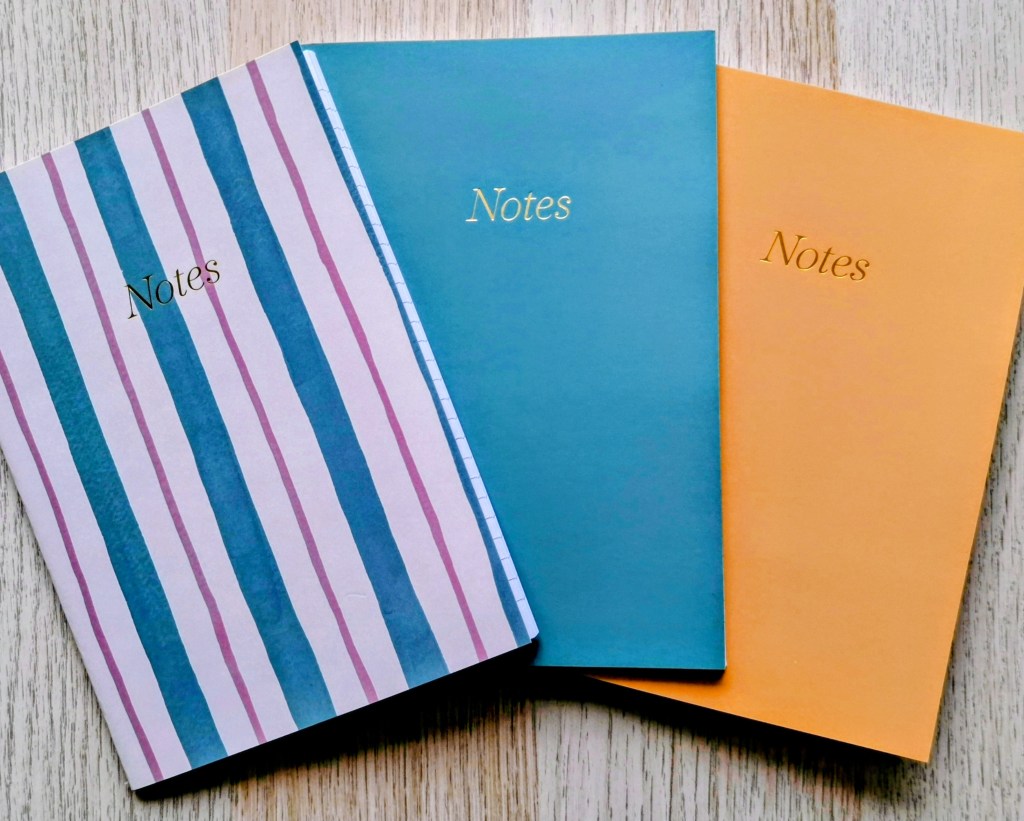
Whether you take notes on what you read or explore is entirely up to you, but for me, writing and journalling is part of the fun, so I absolutely want to do plenty of recording even if it’s just me writing that I spent ages trying to get the perfect shot of a butterfly and just as I fully depressed the shutter it flew off to pastures new and left me feeling a tad frustrated. Also, as a stationery lover, it was the perfect excuse to go notebook shopping! I got three slim notebooks for £3.50 and as long as I ignore (or get over) the fact that the word ‘notes’ is slightly off centre (grrr), I’m sure I’ll enjoy using one of them for my Macro Photography learning!

Photo credit: Laura Jones for Keeping It Creative

Now I just need to decide which design to use. I’m thinking the bright and sunny yellow colour?

Top tips for keeping it fun and interesting

Now you’re no longer studying at school or college, you get to choose exactly what you focus on and the pace of your learning. To ensure you have fun and maintain interest in your personal curriculum, I have the following suggestions and tips which should help:

embrace fluidity Whether your employed, run your own business, or are currently not working, there will be times when you have lots on your plate, times when you have a lighter schedule, times when you’re full of energy and times when you simply need to rest rather than adding more to your to do list. For your personal curriculum to be successful, I think it’s really important to ‘go with the flow’, accepting that your learning can and should flow with the rhythms of life rather than being a rigid set of actions to be completed at a set time or by a set date.

give yourself grace Similarly, if you do carve out a specific time to do a specific activity such as reading a chapter from a book, watching a video or making notes on your learning, if it doesn’t get done, don’t be hard on yourself, instead, spend time considering and questioning why. Maybe you got distracted by social media. Perhaps a more exciting opportunity presented itself that you didn’t want to miss. Or maybe you had low energy that afternoon and didn’t think it was a good time for you.

release perfectionism Strive to do your best with your personal curriculum study rather than demanding flawless results. When you were at school or college, you had particular grades to aim for and may have felt like other people were placing high expectations on you. However, you were probably also told that ‘as long as you try your best, that is all that matters’. Embrace the present and recognise that you are doing the best you can with the energy and resources you have available and that is totally okay.

avoid comparision The term ‘personal curriculum’ is a bit of a buzz word or phrase at the moment and there seem to be plenty of people talking about developing one and often sharing theirs on social media. I’ve seen examples where individuals have picked about four or five topics in a single month and set around six learning objectives or foci for each. Just the thought of doing this, my part time work, housework and spending time with family and friends (which is also a big priority of mine) stressed me out. But, then I came to realise that, although looking at what others are up to can get your creative juices flowing or give you ideas about the scope for your self study, it can also be pretty dangerous for your own wellbeing to compare yourself to others. If, like me, you want to start slowly and dip your toe into setting yourself a personal curriculum, you could try picking a single topic of study and a small part of what might be a vast and open-ended subject. It’s also worth remembering, that these same people who have been sharing their in depth curriculums, might not have done half of what they set out to do, and might be drowning in their own self-directed learning program behind the scenes and wishing they hadn’t set themselves such lofty goals! Remember, learning in your adulthood should be fun and light-hearted and if it stops being these two things, it might be time to reconsider your choices.

Ultimately, when designing your personal curriculum, ‘you do you’ as the saying goes, choosing your own resources and learning styles rather than adopting ideas from others that you’ve seen on social media. And remember, the beauty of learning as an adult, is that you can always tweak bits along the way or completely miss out parts where you feel like you’re not enjoying yourself or that it’s all getting a bit too academic (or formal) for your liking!

Wishing you lots of happiness in your learning, whatever you choose to do,

Posted in Blogging, intentional living, lifestyle, memory keeping, Planning and journaling

Currently… Life update May 2026

Hi all, I feel like I’m neglecting my blog a bit at the moment because I’m so busy with work, creative projects, spring cleaning and trying (and somewhat failing) to keep on top of the garden. So, today, I thought I’d come back with a less onerous blog post in the form of a life update. I find these much easier and quicker to write as they don’t require any research and only require a little light reflection on what’s going on for me right now before the words flow from me as fast as I can type. I hope you enjoy reading my little update and it encourages you to do some memory keeping either in your favourite journal or on your own blog.

Currently watching…

…stuff we’ve recorded. Over the winter months, we collected lots of TV shows on our Virgin box and we’re still working our way through some of them including Riot Women, Waterloo Road and Robson Green’s Weekend Escapes. We also have series lined up from earlier in the spring such as Babies, A Woman of Substance and The Walsh Sisters. When I’m at home during the day, I’ve also been trying to catch up on The Sewing Bee and Stacey Solomon’s Sort Your Life out which I enjoy watching whilst doing some ironing. I’ve still got lots of episodes to work my way through but I’m making progress anyway!

Currently reading…

As a bit of a change from my usual psychological mysteries and police procedurals, I’ve been reading a few ‘classics’. Last week, I read Animal Farm, which I found really interesting and thought provoking, with themes of corruption, power, inequality, betrayal and exploitation. I found it particularly amusing that I’d chosen to purchase it during voting week! The book is classed as a novella, as it’s under 100 pages so I finished it within a couple of days.

This week, I chose another short and easy to read classic (this time classed as novel) which is particularly aimed at children but, in my opinion contains themes that may not be fully grasped by younger readers. This popular book, namely The Secret Diary of Adrian Mole Aged 13 and 3/4, promised to be ‘laugh out loud’ funny, but, although I smiled at a few parts, I felt is was more sad in nature than anything else. I read a book from the series when I was at school but I really can’t remember if I enjoyed it or not.

I’m going back to my usual reading genre now and have just started on The Waitress by K.L. Slater. I really should resist the urge to read lots of reviews on Storygraph when I start reading as I’ve found this one has quite a few less complimentary comments – I think it would be better if I just read the book and made up my own mind on how I feel about it.

Currently working on…

…tidying up the garden and removing a plethora of weeds. I’ve set myself the challenge of doing at least 20 minutes per day, but, unfortunately, it keeps raining rather heavily! Last month, the ground was solid and unworkable due to being dry for weeks on end, now the ground is a bit on the soggy side making it easy to pull up the weeds but their shear number is pretty overwhelming. We’ve also had a few plant casualties this year and one of them is proving to be very time consuming and difficult to cut down and dig up. This has not been helped by the fact that my husband and I have been feeling poorly for weeks on end and didn’t have the energy for such work.

Currently having fun…

…in the kitchen! We made vegetarian tacos for the first time last week with smoky pulled aubergine and black bean ragu, plus crunchy iceberg lettuce and creamy feta cubes. We really enjoyed making them but they were pretty messy to assemble and eat – very tasty though!

We also tried out a vegan rock cake recipe from The Veganuary Cookbook which was another great success. They were so simple to make and we used flaxseed to bind the ingredients as a replacement for the egg which is usually used for baking. The cakes were full of dark chocolate chips and chopped glace cherries and have been a delicious sweet treat each evening after dinner.

Currently pinning…

…a range of hamstring stretches to perform at home on a regular basis. Our Iyengar yoga class on Monday focused on a range of asana which involved using our hamstrings and I found all of the poses to be difficult. I know that mine are tight due to all of the walking I do, but our yogi advised us that lower back pain or sciatica can stem from hamstring issues so I’ve decided to make a habit of doing ten minutes of stretches each day from now on.

Currently working on…

…drawing up a more relaxing evening routine. A few months ago, I worked on creating my ideal morning routine and drew up a page in my bullet journal as a guide to follow. Now, I want to create a companion to this in the form of a page or pages on my ideal evening routine. I’ve started making notes on what I do at the moment and which of these elements I want to keep doing, stop doing or make changes to. I’ve bought some stickers from one of my favourite creators on Patreon, My Abiding Journal which I intend to use to help me with the planning and to decorate my BuJo page(s).

Final words…

Thanks for taking time out of your busy day to read my quick catch up. I hope it inspires you to make a record of what you’re up to currently so you can look back on it in the future and see how life changes through the seasons and years. If you don’t have your own blog or YT vlog, you could write a summary in your planner, journal or favourite notebook and why not mark a week at regular intervals on your calendar so it becomes a habit that you continue.

Posted in goal setting, Habit formation, intentional living, personal development, personal growth, Setting goals and intentions, wellbeing, wellness

Steps to Enhance Your Wellness with Easy Habits and Lasting Focus (A guest post from Linda Chase)

Photo from a selection on Unsplash

Today, I bring you an interesting and informative blog post written by regular guest poster, Linda Chase. In her article, she shares tips, tricks and easy to implement habits for enhancing your wellbeing and developing consistency in doing so. I hope you enjoy reading and find the piece as beneficial and thought provoking as I have.

For adults seeking wellness improvement while balancing work, family, and a busy mind, the hardest part is rarely knowing what’s “healthy”; it’s staying consistent when life gets messy. Common wellness challenges like stress eating, skipped workouts, low energy, and a stalled creative spark can make wellness self-improvement strategies feel like one more project to manage. Beginner health habits work because they lower the pressure and build trust in small wins. With simple stress reduction techniques, wellness starts to feel calmer, clearer, and more doable.


Quick Wellness Takeaways

  • Start with small daily habits and build lasting motivation through simple, repeatable routines.
  • Choose practical wellness strategies that fit real life, so healthy changes feel achievable today.
  • Focus on actionable self-improvement tips that support both wellbeing and creativity in everyday living.
  • Use quick wellness insights to pick one clear step, then expand as your confidence grows.

Choose Your Starting Point: 10 Beginner-Friendly Upgrades

When wellness feels big, it helps to pick one “upgrade” that matches your energy today. Use this menu like your 60-second action map: chose one small move, make it easy, and repeat it often.

  1. Do a 2-minute “nervous system reset”: Try one stress management method you can do anywhere: inhale for 4, exhale for 6, for 10 breaths. Longer exhales nudge your body toward calm, which can make decisions and cravings easier to handle. Keep it “tiny on purpose”, this is about consistency, not intensity.
  2. Upgrade your sleep with 1–2 changes, not a whole routine: Pick one or two new sleep hygiene practices to test for a week, like a fixed “screens off” time or dimming lights 30 minutes before bed. Small shifts are easier to keep, and better sleep supports mood, appetite, and motivation. If you wake at night, avoid problem-solving, write a one-line note and return to rest.
  3. Build a “balanced plate” you can repeat: Aim for a simple formula most days: a protein + a colorful plant + a fiber-rich carb + a healthy fat. Example: eggs + spinach + whole-grain toast + olive oil, or beans + salsa + brown rice + avocado. Balanced nutrition habits reduce energy crashes, which makes other beginner wellness tips easier to follow.
  4. Add hydration with a visual cue: Put a full glass or bottle where you’ll see it during your first daily anchor (coffee/tea, morning meds, or sitting at your desk). Drink half before you do anything else, then refill once. This removes willpower from the equation and can reduce “mystery fatigue” that’s really just under-hydration.
  5. Try a 10-minute “minimum movement” session: Choose something gentle: a brisk walk, an easy mobility flow, or dancing to two songs. The goal is to create a repeatable win, not to “make up” for anything you ate. When motivation dips, the minimum keeps your identity intact: you’re someone who shows up.
  6. Start a creative hobby with a low-stakes prompt: Set a timer for 5 minutes and do one prompt: “Today I notice…,” “If my stress had a color…,” or a quick collage of words/images that match your mood. Starting creative hobbies gives your brain a safe place to process emotions without needing the “right” words. Keep supplies visible so it’s frictionless.
  7. Practice one mental health basic: name it, then choose one need: When you feel off, try: “I’m noticing , and I might need .” Needs can be simple, water, food, movement, rest, connection, or quiet. This turns overwhelm into a doable choice and supports healthier boundaries in daily life.

Micro-Habits That Keep Wellness Moving

These habits work because they rely on rhythms, not hype: they lower friction, protect your energy, and give you quick feedback. Use them to make simple wellness and creativity feel doable even when motivation dips.

Morning Anchor Check

  • What it is: Pair water with one fixed cue, like coffee, meds, or opening your laptop.
  • How often: Daily.
  • Why it helps: A stable cue turns wellness into autopilot instead of a decision.

Two-Song Movement Break

  • What it is: Move for two songs: walk, mobility, light strength, or kitchen dancing.
  • How often: Daily or 5 days weekly.
  • Why it helps: Small reps build daily fitness routines without needing a perfect workout.

Five-Breath Pause

  • What it is: Take five slow breaths before snacks, scrolling, or replying to a tense
  • message.
  • How often: Per trigger
  • Why it helps: A quick mindfulness exercise creates space for better choices.

One-Line Boundary Script

    • What it is: Write and use one sentence based on establishing your limits.
    • How often: Weekly practice, then as needed.
    • Why it helps: Clear boundaries protect time, sleep, and emotional bandwidth.

    Weekly Reset List

    • What it is: Make a short Sunday list: rest, meals, movement, connection, and one
    • creative hour.
    • How often: Weekly.
    • Why it helps: Planning reduces decision fatigue and supports practice consistency.


    Wellness Habit Questions, Answered Simply


    Q: What are some effective daily habits to reduce stress and improve overall wellness?
    A: Start with tiny, repeatable actions: a glass of water on a cue, a 2-minute stretch, and a five-breath reset before reacting. Keep one “minimum version” for hard days, like a 3-minute walk or one calming song. Consistency matters more than intensity, so make the habit easy enough to keep.
    Q: How can I start and maintain a fitness routine when I have a busy schedule?
    A: Choose a time you already have, like right after lunch or before your first meeting, and make it a non-negotiable 10 minutes. Research shows time management moderately related to wellbeing, so scheduling even a short slot can pay off. Track “days moved,” not perfect workouts.
    Q: What strategies help improve sleep quality naturally without medication?
    A: Pick one anchor: a consistent wake time, dimmer lights after dinner, or a 10-minute wind- down routine. Keep screens out of bed, and use a simple brain-dump note to stop mental looping. If you wake at night, focus on slow breathing instead of checking the clock.
    Q: How do I create a supportive environment by surrounding myself with positive influences?
    A: Curate what you see and hear daily: tidy one small surface, reduce doom-scrolling cues, and follow people who model realistic habits. Ask one friend to be your “check-in buddy” for weekly wins and gentle accountability. Positive influences should make your goals feel normal, not extreme.
    Q: What steps can I take to incorporate healthy lifestyle changes when using a wellness app or self-improvement program?
    A: Set one clear goal and one “minimum” action, then log it right after you do it. Evidence from a meta-analysis of over 19,000 participants suggests monitoring progress can improve goal attainment. If apps feel noisy, make a printable habit grid and check off just the basics; you can even print posters online to help you keep reminders visible.


    Build a Healthier Rhythm with One Simple Daily Habit

    When life is full and energy is uneven, wellness can feel like one more thing to manage, and missing a day can drain personal growth motivation fast. A supportive wellness mindset keeps the focus on small, repeatable choices and kind course-corrections, so the habits fit real schedules instead of fighting them. With that approach, emotional wellness encouragement becomes practical: you notice progress, recover quicker from setbacks, and strengthen your healthy lifestyle commitment through consistency. Small steps, repeated kindly, create lasting change. For the next seven days, you can choose one consistent self-improvement step, your minimum version of movement, hydration, or a short creative reset, and do it once daily. That steady follow-through builds resilience and trust in yourself, week after week.

    Final words…

    Thank you so much to Linda for her wonderful article. There are so many great ideas here for small, actionable steps which you can build in to your daily routine. I’ll certainly be giving some of them a go over the next few weeks with a view to creating helpful micro habits that last. As suggested, I’ll be starting small, with a view to implementing tiny changes which together, are sure to make a huge difference to my future health and wellbeing.

    Posted in Bipolar disorder, depression, health, intentional living, lifestyle, mental illness, wellbeing, wellness

    Currently… Life update February 2026

    Hi everyone, I hope you are all well. Those of you who regularly read my blog posts may have noticed that I’ve been AWOL for a long time and haven’t written anything since April 2025. The truth is that for over six months, I really struggled with my mental health, coping with (or not) a lengthy spell of depression and chronic anxiety. And, unfortunately, one of my symptoms of really low mood is that I’m barely able to string a sentence together let alone write a blog post.

    When I first started struggling, I was convinced it was due to something that had made me upset at work, but as time went on, I wondered why the event was still upsetting me. I’d been stable with my bipolar disorder for a fair few years, using both my medication and therapeutic strategies that I’d learnt in various therapy sessions to keep me well. However, the anxiety and depression continued and I became worried that I would never get better again (another symptom).

    After around 4 months of difficulties, I saw a mental health practitioner at my GP surgery and she suggested that it might be worth tweaking my medication by increasing my anti-depressant. She also suggested that I might get blood tests done to check my hormone levels in case I was perimenopausal and the community pharmacist she had contacted about me agreed. At 48 years old, I was convinced that I could have started the menopause but I was so wrong! My levels were incredibly low which, according to my online reading, suggested I was well into the menopause – this came as a huge shock. After what felt like a long and agonising wait, I was started on HRT (in the form of patches), which I was advised could take up to three months to work. I kept taking the higher dose of my antidepressant but knew that it would cause extreme agitation at first and would take weeks to kick in. I was given a short course of Diazepam for this but it persisted for weeks and I wasn’t allowed any more. I was then prescribed a beta blocker to deal with the physical anxiety symptoms but it was still a real struggle as the medication doesn’t help the psychological side of things at all.

    Whilst waiting for the antidepressant and HRT to kick in, I did lots of reading around bipolar disorder and menopause and discovered that fluctuating or low hormone levels can affect the efficacy of bipolar medication such as mood stabilisers and antidepressants (which I’m on both of), reducing the positive effects. I was upset that not one of the medical professionals I saw while unwell knew this and the various doctors I’d seen before the mental health practitioner had any idea about this.

    Christmas was hard as my mood was so low, but, just after new year, I noticed the depression and anxiety had gone and I finally had my old self back. As with all previous episodes, it was like a switch had been flipped and I felt so much better. Unfortunately, I had a few issues with my physical health as I slipped down the bottom half of the stairs at home in my socks and then slipped again on a very icy pavement, injuring my coccyx (which is still not totally better). However, despite being in a huge amount of pain when sitting, it didn’t get me down and I accepted it would take a while for me to get better.

    My writing mojo is totally back, as you can see from the above and this is the first of hopefully many posts and updates in 2026. I thought I’d ease myself back into blogging with a life update, including what I’m up to right now. I’m like a completely different person and so many friends have commented on how well I look. It’s such a relief for me and my family and, hopefully, I’ll be stable for a long while to come and as such, making the most of my life going forward. Here’s what I’m current finding joy doing:

    Currently reading…

    This month, I’ve been stepping out of my comfort zone and reading some books that are not the crime or psychological dramas I usually prefer. I’ve read and listened to on Audible, a historical fiction classic novel called I Capture the Castle by Dodie Smith and despite it being completely different to what I usually read, I thoroughly enjoyed it. Also, it was a book club read for a new online challenge created by Kelseyleigh at My Abiding Journal over on YouTube and it was nice to listen to her thoughts about it too. When I’d finished this book, I again opted for a different style, this time a Romcom called The Switch by Beth O’Leary. This light-hearted read isn’t as fast paced as my usual choices, but again, I’m enjoying the story, reading a few chapters in bed each night.

    Currently watching…

    There are so many fantastic dramas on at the moment and we’ve had to record some of them to watch over the next few months. We’ve just finished the BBC’s Wild Cherry and ITV’s Betrayal which were both fantastic and gripping. Right now, we’re loving the 29th series of Silent Witness and have also just begun watching The Lady which is based on the true story of Jane Andrews who was royal dresser for Sarah Ferguson in the late 80s to late 90s. We’ve only watched one episode so far but it looks promising.

    Currently preparing for…

    …spring arriving next month. There are lots of shoots popping up in the garden and we have a few miniature narcissus already out. There’s lots of tidying up to do out the back and as well as writing a list of gardening jobs, I intend to write a room by room list of spring cleaning jobs.

    I’m also looking forward to changing up our home decor for the new season. I have lots of items I’ve purchased over the years (many decorative bunnies) but I’ve also purchased some mini honeycomb eggs and some tiny ceramic bunnies for my twig tree. In addition, I’ve ordered a lovely handmade felt banner from Etsy featuring daffodils and felt balls in shades of yellow and orange which I can’t wait to display in my craft room.

    Currently working on…

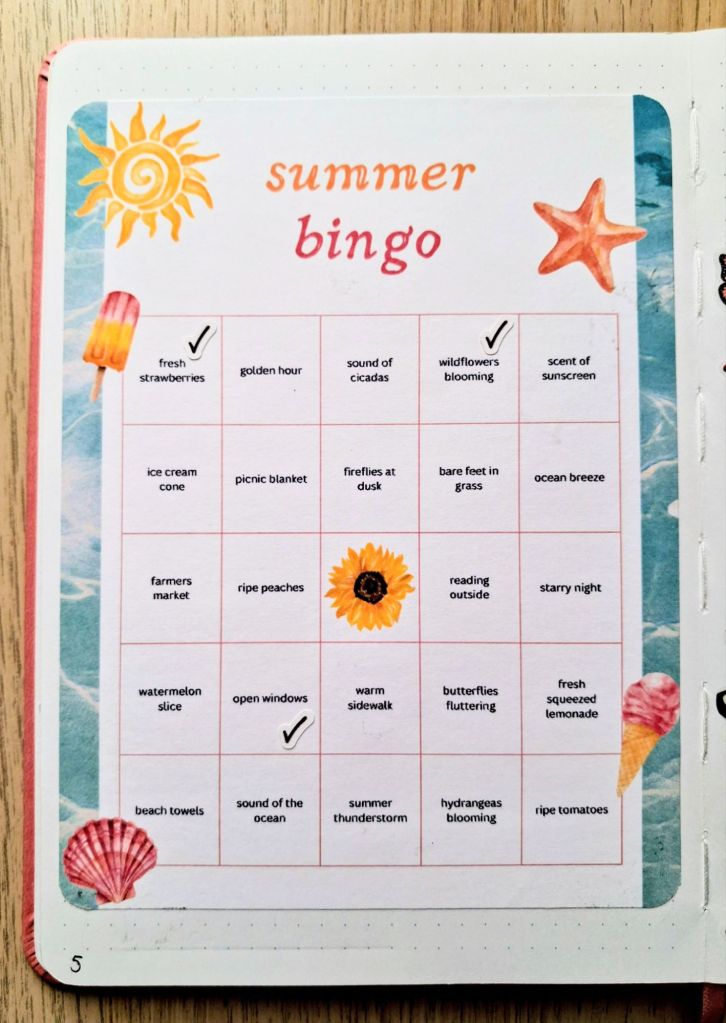
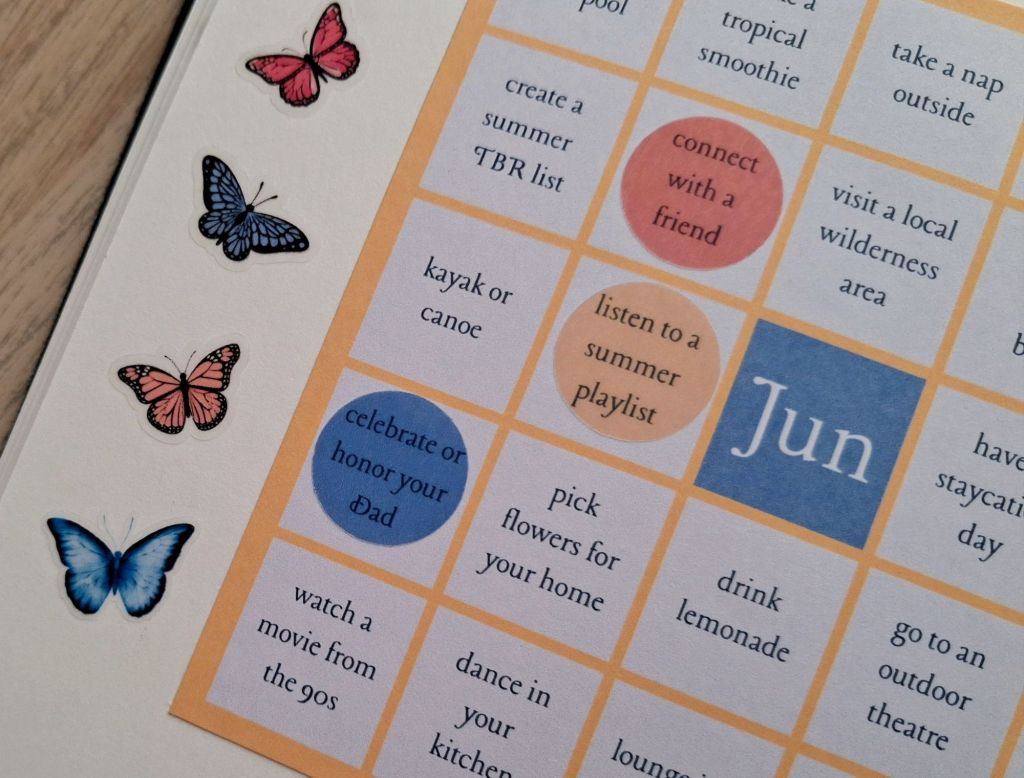
    …my new memory keeping and creative journal which I started last month. In it, I’m recording the highlights from each month as well as a bingo challenge from My Abiding Journal that I’ve signed up for which encourages you to create new seasonal memories following a fun game format. So far, I’ve completed my January pages and have printed lots of photos and collected ephemera for my February entries. I like to combine small amounts of journalling with the images and I’m also trying to draw a small piece of art each month to represent something I want to remember. Last month, I drew and coloured in some snowdrops and this month, I plan to sketch a sanderling which is a small wading bird that we’ve enjoyed watching feeding in the shallows of the sea as the tide comes in.

    Currently enjoying…

    …doing much more work at my local university. Whilst I was unwell, I struggled to get out of bed as I was always tired. This meant I only made myself available for sessions on an afternoon. Now I’m well, I’m available mornings and afternoons and have had much more work. It’s lovely to be back on top form and I feel such a sense of accomplishment after each working day.

    Currently trying out…

    …a number of new recipes from a vegan cookbook that I bought my husband as a gift. It’s wonderful to be spending time together preparing home cooked meals again and we’ve even learned how to make our own stir fry sauces which are so tasty and flavoursome. We’re looking forward to trying out many more over the coming months.

    Final words…

    I’m currently doing so much that I would be able to carry on writing this for hours yet but I don’t want it to end up being a TLDR affair! So, for now, that’s the end of my update and I invite you to comment and let me know what’s going on for you at the moment. I’d also love to know what everyone has planned for the spring months and I hope you’ll join me in a little seasonal cleaning in the March to May period. I’m planning on writing a blog post about how I’m going to prepare my spring cleaning lists so that I can be sure that all of those once or twice yearly tasks get ticked off.

    Thanks for reading and have a wonderful springtime,

    Posted in creativity, goal setting, intentional living, lifestyle, planner girl, planner lifestyle, Planning and journaling, Setting goals and intentions

    Falling for a New Season: My Autumn 2025 Bucket List

    As August is fast coming to a close, my thoughts have turned to the approaching Autumn and what I’d like to achieve and have fun doing over the next three months. My mind is brimming with ideas, and, as has become my routine for the last couple of years, just prior to the beginning of a new season, I work on writing a bucket list, planning things to ensure I live intentionally and in line with my core values.

    In today’s post, I’m excited to share my bullet journal pages in which I’ve created a bright and colourful double page spread for my Autumn 2025 bucket list which serves as a reminder of my plans and provides inspiration to keep me on track. I’m also going to explain a little bit about the process I go through to come up with the best, personalised ideas which reflect what I want in my life currently. Finally, I thought it might be helpful to provide some detail about each of the items on my list and why I chose them.

    How I prepared myself for creating my autumn bucket list

    1. Reflection and reconnect – I took plenty of time to look at previous bucket lists and plans. I asked myself lots of reflective and orientating questions such as – what did I enjoy in the summer time? are there any activities that I would like to continue doing? what did I focus on in previous autumns – do I want to revisit any activities, or, are there things on my lists that I didn’t get around to but would still love to try? I also checked in with my vision board for the year, again asking more probing questions including what are my priorities and intentions for 2025? what kind of seasonal activities fit in with these? which classic activities and pastimes do I associate with autumn? what do I most love about the autumn season? what memories do I hope to create? what do I need emotionally right now? (e.g. comfort and cosiness, connection with others, rest and recuperation, creativity and expression, a fresh perspective, a new sense of purpose, self compassion etc) which activities are likely to instill these?
    2. Gather inspiration – I asked friends and family members to share their favourite autumn traditions and talk about what they look forward to the most about the season. I also went online seeking ideas – Googling ‘autumn bucket list ideas’ checking out Pinterest for all things autumnal and searching tags on Instagram including #autumnaesthetic, #autumnvibes, Finally, I took time to explore what’s on in my local area over the coming months and if there were any events I’d like to attend.
    3. Jot down anything that resonates with me – as I did the above, I jotted down anything that came to mind or resonated with me, include activities to try out, things to start doing this autumn, moods or vibes I want to create and how I wish to feel.

    My Autumn 2025 Bucket List illustrated in my BuJo

    Photo credit: Laura Jones for Keeping It Creative

    I chose a neutral colour background from the 12×12 paper pack I purchased Dovecraft to ensure all of the items on my bucket list and the decorative stickers I made stoodout and created the most impact. I also selected a colour palette of deep red plus shades of orange, yellow and brown to give the pages an autumnal feel.

    My chosen bucket list items explained

    1. Choose a new seasonal decor item to display in our home – I love changing up our home decor each season and I’ve got quite a collection of autumnal items to display. I do think it’s nice to pick out one or two new items to add each year and I’ve already been looking online for inspiration. Although it’s not quite autumn yet, I’ve already spotted a pumpkin garland on the Lisa Angel website that would make a lovely addition (okay, I might have cheated and ordered it already but it won’t go up until September 1st!).
    2. Buy a vegan scented candle kit and make own jar candles – I love scented candles and I’ve been wanting to have a go at making my own for a while now. I’ve found various suitable beginner kits and I think candle making is a really nice, cosy activity to do with my husband one weekend. Crafting together is always fun and a wonderful way to strengthen our emotional bond. I’ll be opting for a scent that I associate with winter time so that we can use our handmade items later in the year.
    3. Create an autumnal hanging basket using pansies or violas – We’ve been making our own summer hanging basket arrangement for the past couple of years and I love the charm that it brings to the front of our house. I thought it would be nice to have a go at making an autumn one this year in rich seasonal colours, and my mum said that pansies or violas would be good choices.
    4. Make a list of TV series to watch this autumn – There are always lots of great dramas on the TV as the nights draw in and to ensure we don’t miss any must sees, I like to make a list in my bullet journal. My husband and I both enjoy crime and psychological dramas and watching an hour of TV together is a nice way to relax after a busy day.
    5. Make the vegan rocky road fridge cake from The Veganuary Cookbook – In January, I made a vision board for the year and something I wanted to do in 2025 was eat more plant based. We’ve made lots of recipes from the cookbook so far, but until recently, we’ve mainly done main courses. After flicking through the dessert and bakery chapters in our cookbook I found the perfect quick and easy to make recipe that I can’t wait to try.
    6. Have a go at making the leaf mandala from Painting Calm (using own paint colours) – I found a lovely book in a National Trust shop last year which focuses on connecting to nature through the art of watercolour and my husband bought it for me for Christmas. There are so many different exercises and projects to try and, as I’m keen to spend more time developing my watercolouring skills, I’ve added an autumnal idea to my bucket list.
    7. Try a new recipe with pumpkin in it – For almost a year now, my husband and I have enjoyed the taste and health benefits of lots of home cooking. As part of this, we try as much as possible to eat seasonally. During the autumn, the supermarkets are full of nutrient rich pumpkins and other squashes and we love trying different varieties and experimenting with different recipes.
    8. Enjoy an autumnal treat at Costa or Starbucks – Going to a cafe for coffee and cake is a regular pastime of ours but we tend to opt for the same drinks and sweet treats each time. It’s always good to try something different and both of these chains bring out seasonal flavoured drinks and limited edition bakery items so there’s bound to be something new to try.
    9. Complete an autumn themed jigsaw – There are so many benefits of doing jigsaw puzzles and I find them great for helping me to maintain good mental health. I’ve already browsed a range of autumn themed jigsaws online and I’ve picked one out to treat myself to next month so I made a sticker from the Amazon image and added it to my bullet journal spread.
    10. Visit Castle Lake for seasonal bird spotting – My husband and I love spending time in nature and one of our favourite outdoor activities is bird spotting. Last week, I was looking online to see if I could find any nature reserves that we haven’t yet visited, and I came across a place called Castle Lake. Their conservation group website describes the place as ‘a haven for wildlife enthusiasts and nature lovers’ and promises an enjoyable circular walk so I added it to my list straightaway!

    Final words…

    I hope you’ve enjoyed seeing my bucket list for this autumn and reading about why I picked each of the items on it. During the season, I will look at my bullet journal double page spread regularly when planning out my weeks and days. For any items that fall into the project category (such as candle making), I’ll sit down and do some goals planning, such as turning them into SMART goals and outline key action steps. I also like to tick off items as I go along (yes I made myself some little tick stickers on my Cricut!), whilst at the same time remembering that my list isn’t something to work through and ensure I get finished by the end of November, but simply a collection of intentional living ideas to help me and my husband make the most of the coming autumn months.

    Wishing you an amazing autumn season,