Posted in Habit formation, Hobbies, intentional living, learning, life hacks, lifelong learning, lifestyle, personal development, personal growth, wellbeing

Discover Fun Hobbies That Boost Skills, Wellbeing, and Growth (a guest post by Linda Chase)

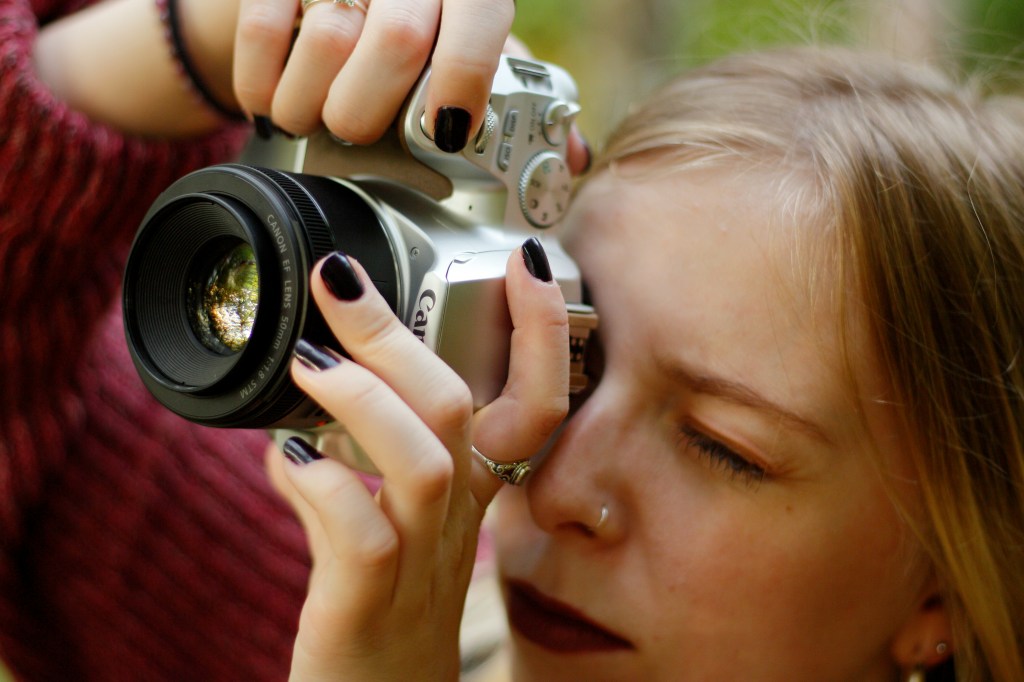
Photo from a selection on Unsplash

This week, we have another fantastic article from regular guest contributor Linda Chase. The focus of today’s piece is hobbies which your boost skills and wellbeing and, provide opportunities for personal or professional growth. Linda shares some excellent tips for getting started and maintaining consistency. She also offers thoughtful and honest answers to common hobby related questions. I hope you enjoy reading the piece and that her writing provides you with as much food for thought in relation to different pastimes as it did for me. From here, I’ll leave you in Linda’s capable hands…

Busy professionals juggling work, responsibilities, and a shrinking sense of curiosity often feel the same tension: plenty of interests, but no clear starting point and no desire to add another “should” to the week. The result is drifting into default downtime while the urge for momentum, to feel engaged again, keeps tapping at the door. The right hobbies for adults turn that restless feeling into learning new skills through options that span creative hobbies, physical activities, intellectual hobbies, and lifestyle interests. Choosing well makes free time feel purposeful.

Understanding Hobby Types and Their Payoffs

A useful way to choose a hobby is to sort options into five buckets: creative, physical, intellectual, social, and lifestyle. Each category tends to build a different mix of skills, confidence, and connection. That framing helps you choose based on the outcome you want, not whatever looks trendy.

This matters because hobbies can support mental health, personal growth, and relationships at the same time. Research has found lower depressive symptoms among people with hobby engagement, which makes “fun” a practical investment.

Think of it like building a balanced menu. If work already uses your brain all day, a physical hobby can reset your mood, while a social hobby keeps you from isolating. If life feels scattered, a lifestyle hobby adds structure you can actually look forward to. With clear categories, you can map hobby strengths into real skill pathways that support career momentum.

Turn a Hobby Into a Career Plan With Structured Learning

Once you see how different hobbies pay off in real-life skills, it’s natural to wonder which ones could become something bigger. If you’ve fallen in love with a new hobby or skill, whether it’s something you practice every weekend or can’t stop thinking about, going back to school can help you turn that momentum into a career path. Formal learning can give your passion a clearer direction, strengthen what you already do well, and make your next move feel more achievable.

If you’re starting a business, earning a business management degree can build your skills in leadership, operations, and project management, and a clear reference can help you explore what that coursework looks like. An online degree can also make it easier to keep learning while you balance work, family, and the hobby you’re growing into something more.

Try Beginner-Friendly Hobbies With First-Week Steps

Pick one hobby that fits the skill you want to grow, creative output, social connection, fitness, or career-relevant capability, and commit to a “first-week sprint.” These beginner hobby ideas and practical hobby tips keep the barrier low while still building real momentum you can map to longer-term learning goals.

  1. Run a 7-day “minimum viable hobby” plan: Define a tiny outcome you can finish in one week, one photo set, one stitched item, one song, or one conversation. Block three sessions of 25–40 minutes and write a one-sentence success rule like “I practice even if it’s messy.” This works because repetition beats intensity, and the plan is easy to track if you’re treating hobbies as structured skill-building.
  2. Start sewing basics with a two-seam project: Begin with a low-stakes item like a simple tote, pillow cover, or reusable cloth. Your first week goal is mastering two skills, threading the needle and stitching straight, so you don’t overload yourself with patterns, zippers, and fit. Use scrap fabric to practice three lines a day, then sew the final piece in one sitting so you get a quick win.
  3. Use one photography technique per walk: Take a 15-minute walk and shoot only one subject category, doors, shadows, or hands, to sharpen your eye. On day one, practice exposure by taking three versions of the same shot: darker, normal, brighter. Later in the week, add composition by using the rule of thirds for 10 photos, then review and keep only three; editing your “keepers” teaches faster than saving everything.
  4. Learn a new language by experiencing it first: For the first 3–5 days, listen and read without drilling rules, aiming to recognize repeated phrases you can reuse. The Circe Institute’s idea that the first stage is poetic supports starting with experience over grammar charts, which reduces overwhelm and builds intuition. Finish the week with a 60-second self-introduction you can say from memory, even if the accent isn’t perfect.
  5. Play a musical instrument with a “two-chord + rhythm” target: Choose a single rhythm pattern and two easy chords or notes, then practice switching between them slowly for 5 minutes a day. Add one new element only after you can do 10 clean switches in a row; this prevents the common trap of bouncing between tutorials without mastery. By day seven, record a 30–45 second clip so you can hear progress objectively.
  6. Pick a hobby that doubles as a career skill and document it: If you’re building toward a career plan, select a hobby with transferable outputs, cooking becomes process planning, gardening becomes measurement and iteration, crafting becomes project estimation. Keep a simple log: time spent, what improved, what blocked you, and one “next rep” task. This creates a portfolio-style trail you can use to identify skill gaps and decide what structured learning would accelerate results.

Common Hobby Questions (and Honest Answers)

Q: What if I’m “bad” at the hobby I picked?
A: Being bad is the starting line, not a red flag. Choose one tiny skill to repeat (one stitch line, one photo setting, one chord change) and track reps, not talent. Treat mistakes as data you can adjust next time.

Q: How do I make time for a hobby with a busy schedule?
A: Use a fixed, small appointment like 25 minutes three times a week. Put it next to an existing routine (after dinner, before shower, during lunch) so it has a cue. If you miss a day, restart the next day without “making up” time.

Q: Why does motivation disappear after the first few days?
A: Novelty fades fast, so lean on structure instead of feelings. Many people use adult hobbies as a steady outlet, not a constant thrill, so keep the goal simple and repeatable.

Q: Can I balance hobbies with work without feeling guilty?
A: Yes, if you define your hobby as recovery plus growth, not “extra productivity.” Remember that leisure activities can reduce the stresses of grown-up life, which often supports better focus at work.

Q: What should I do when progress feels painfully slow?
A: Shrink the task and raise the consistency: five minutes, one drill, one page, one sketch. Then do a “reset review” by comparing your first attempt to today’s and writing one specific next step.

Build Lifelong Learning With One Hobby and 30 Days

It’s easy to want a hobby for relief and growth, then get stuck on time, motivation, or slow progress. The way through is the mindset this guide emphasized: treat hobbies as playful practice, small, consistent effort that values learning over perfection, supported by simple self-improvement strategies. Done that way, the lifelong learning benefits stack up quietly, personal growth through hobbies feels earned, and the hobby’s impact on wellbeing shows up in steadier mood and confidence. Pick a hobby you can return to, and let consistency do the teaching. Choose one skill today and run a 30-day experiment, tracking tiny wins daily in a note. That’s how inspiration to start hobbies turns into resilience, health, and momentum that carries into everything else.

Final words…

Last month, I made a commitment to a summer personal curriculum which involved learning macro photography across the months of June, July and August. I created a page of aspects of the topic with a view to dedicating around two hours each week to learning. I started off well and was enjoying finding out about this aspect of photography, however, work took over much of my time in June and early July and my photography hobby has very much taken a back seat. I absolutely love Linda’s idea of developing hobby consistency through tracking my daily wins, and that, along with actually getting my camera out of the cupboard, attaching the lens and beginning to explore what I can do based on the theoretical aspects of the topic, should help me to maintain momentum. I’ll be able to record my wins in my bullet journal and this will help me to celebrate tiny achievements across the remainder of the summer months.

Let me know in the comments which aspects of Linda’s article particularly resonated with you and feel free to also share your hobby ideas and intentions for the next month or so. I love to hear what my readers are focusing on in their free time.

Posted in goal setting, Habit formation, intentional living, personal development, personal growth, Setting goals and intentions, wellbeing, wellness

Steps to Enhance Your Wellness with Easy Habits and Lasting Focus (A guest post from Linda Chase)

Photo from a selection on Unsplash

Today, I bring you an interesting and informative blog post written by regular guest poster, Linda Chase. In her article, she shares tips, tricks and easy to implement habits for enhancing your wellbeing and developing consistency in doing so. I hope you enjoy reading and find the piece as beneficial and thought provoking as I have.

For adults seeking wellness improvement while balancing work, family, and a busy mind, the hardest part is rarely knowing what’s “healthy”; it’s staying consistent when life gets messy. Common wellness challenges like stress eating, skipped workouts, low energy, and a stalled creative spark can make wellness self-improvement strategies feel like one more project to manage. Beginner health habits work because they lower the pressure and build trust in small wins. With simple stress reduction techniques, wellness starts to feel calmer, clearer, and more doable.


Quick Wellness Takeaways

  • Start with small daily habits and build lasting motivation through simple, repeatable routines.
  • Choose practical wellness strategies that fit real life, so healthy changes feel achievable today.
  • Focus on actionable self-improvement tips that support both wellbeing and creativity in everyday living.
  • Use quick wellness insights to pick one clear step, then expand as your confidence grows.

Choose Your Starting Point: 10 Beginner-Friendly Upgrades

When wellness feels big, it helps to pick one “upgrade” that matches your energy today. Use this menu like your 60-second action map: chose one small move, make it easy, and repeat it often.

  1. Do a 2-minute “nervous system reset”: Try one stress management method you can do anywhere: inhale for 4, exhale for 6, for 10 breaths. Longer exhales nudge your body toward calm, which can make decisions and cravings easier to handle. Keep it “tiny on purpose”, this is about consistency, not intensity.
  2. Upgrade your sleep with 1–2 changes, not a whole routine: Pick one or two new sleep hygiene practices to test for a week, like a fixed “screens off” time or dimming lights 30 minutes before bed. Small shifts are easier to keep, and better sleep supports mood, appetite, and motivation. If you wake at night, avoid problem-solving, write a one-line note and return to rest.
  3. Build a “balanced plate” you can repeat: Aim for a simple formula most days: a protein + a colorful plant + a fiber-rich carb + a healthy fat. Example: eggs + spinach + whole-grain toast + olive oil, or beans + salsa + brown rice + avocado. Balanced nutrition habits reduce energy crashes, which makes other beginner wellness tips easier to follow.
  4. Add hydration with a visual cue: Put a full glass or bottle where you’ll see it during your first daily anchor (coffee/tea, morning meds, or sitting at your desk). Drink half before you do anything else, then refill once. This removes willpower from the equation and can reduce “mystery fatigue” that’s really just under-hydration.
  5. Try a 10-minute “minimum movement” session: Choose something gentle: a brisk walk, an easy mobility flow, or dancing to two songs. The goal is to create a repeatable win, not to “make up” for anything you ate. When motivation dips, the minimum keeps your identity intact: you’re someone who shows up.
  6. Start a creative hobby with a low-stakes prompt: Set a timer for 5 minutes and do one prompt: “Today I notice…,” “If my stress had a color…,” or a quick collage of words/images that match your mood. Starting creative hobbies gives your brain a safe place to process emotions without needing the “right” words. Keep supplies visible so it’s frictionless.
  7. Practice one mental health basic: name it, then choose one need: When you feel off, try: “I’m noticing , and I might need .” Needs can be simple, water, food, movement, rest, connection, or quiet. This turns overwhelm into a doable choice and supports healthier boundaries in daily life.

Micro-Habits That Keep Wellness Moving

These habits work because they rely on rhythms, not hype: they lower friction, protect your energy, and give you quick feedback. Use them to make simple wellness and creativity feel doable even when motivation dips.

Morning Anchor Check

  • What it is: Pair water with one fixed cue, like coffee, meds, or opening your laptop.
  • How often: Daily.
  • Why it helps: A stable cue turns wellness into autopilot instead of a decision.

Two-Song Movement Break

  • What it is: Move for two songs: walk, mobility, light strength, or kitchen dancing.
  • How often: Daily or 5 days weekly.
  • Why it helps: Small reps build daily fitness routines without needing a perfect workout.

Five-Breath Pause

  • What it is: Take five slow breaths before snacks, scrolling, or replying to a tense
  • message.
  • How often: Per trigger
  • Why it helps: A quick mindfulness exercise creates space for better choices.

One-Line Boundary Script

    • What it is: Write and use one sentence based on establishing your limits.
    • How often: Weekly practice, then as needed.
    • Why it helps: Clear boundaries protect time, sleep, and emotional bandwidth.

    Weekly Reset List

    • What it is: Make a short Sunday list: rest, meals, movement, connection, and one
    • creative hour.
    • How often: Weekly.
    • Why it helps: Planning reduces decision fatigue and supports practice consistency.


    Wellness Habit Questions, Answered Simply


    Q: What are some effective daily habits to reduce stress and improve overall wellness?
    A: Start with tiny, repeatable actions: a glass of water on a cue, a 2-minute stretch, and a five-breath reset before reacting. Keep one “minimum version” for hard days, like a 3-minute walk or one calming song. Consistency matters more than intensity, so make the habit easy enough to keep.
    Q: How can I start and maintain a fitness routine when I have a busy schedule?
    A: Choose a time you already have, like right after lunch or before your first meeting, and make it a non-negotiable 10 minutes. Research shows time management moderately related to wellbeing, so scheduling even a short slot can pay off. Track “days moved,” not perfect workouts.
    Q: What strategies help improve sleep quality naturally without medication?
    A: Pick one anchor: a consistent wake time, dimmer lights after dinner, or a 10-minute wind- down routine. Keep screens out of bed, and use a simple brain-dump note to stop mental looping. If you wake at night, focus on slow breathing instead of checking the clock.
    Q: How do I create a supportive environment by surrounding myself with positive influences?
    A: Curate what you see and hear daily: tidy one small surface, reduce doom-scrolling cues, and follow people who model realistic habits. Ask one friend to be your “check-in buddy” for weekly wins and gentle accountability. Positive influences should make your goals feel normal, not extreme.
    Q: What steps can I take to incorporate healthy lifestyle changes when using a wellness app or self-improvement program?
    A: Set one clear goal and one “minimum” action, then log it right after you do it. Evidence from a meta-analysis of over 19,000 participants suggests monitoring progress can improve goal attainment. If apps feel noisy, make a printable habit grid and check off just the basics; you can even print posters online to help you keep reminders visible.


    Build a Healthier Rhythm with One Simple Daily Habit

    When life is full and energy is uneven, wellness can feel like one more thing to manage, and missing a day can drain personal growth motivation fast. A supportive wellness mindset keeps the focus on small, repeatable choices and kind course-corrections, so the habits fit real schedules instead of fighting them. With that approach, emotional wellness encouragement becomes practical: you notice progress, recover quicker from setbacks, and strengthen your healthy lifestyle commitment through consistency. Small steps, repeated kindly, create lasting change. For the next seven days, you can choose one consistent self-improvement step, your minimum version of movement, hydration, or a short creative reset, and do it once daily. That steady follow-through builds resilience and trust in yourself, week after week.

    Final words…

    Thank you so much to Linda for her wonderful article. There are so many great ideas here for small, actionable steps which you can build in to your daily routine. I’ll certainly be giving some of them a go over the next few weeks with a view to creating helpful micro habits that last. As suggested, I’ll be starting small, with a view to implementing tiny changes which together, are sure to make a huge difference to my future health and wellbeing.

    Posted in Habit formation, life hacks

    Monday Matters: Utilising habit stacking to establish consistency in forming new routines and instilling habits

    I’ve been using habit stacking for years, and I find it extremely successful in ensuring consistency whilst I work on adding a new, positive habit to my daily, weekly or even monthly routine. Today, I’m sharing some definitions of the terms habit, a quick introduction to habit stacking, plus explaining why habit stacking is so helpful, and, of course, providing a few examples of the technique in action within my own life.

    When I Googled ‘habit definition’ and checked the items related to the noun (as oppose to the traditional item of religious clothing worn by nuns!), I came across a number of different examples and thought it would be pertinent to share some of them here:

    Cambridge Dictionary: something that you do often and regularly, sometimes without knowing you are doing it

    Oxford Languages Dictionary: a settled or regular tendency or practice, especially one that is hard to give up

    Merriam-Webster Dictionary: an acquired mode of behavior that has become nearly or completely involuntary

    Collins Dictionary: established custom, usual practice, etc

    So, the above explain what a habit is, but what’s habit stacking?

    There have been a whole host of non-fiction books on the art of habit stacking but the idea was originally coined by James Clear in his best selling book Atomic Habits. In brief, it’s the practice of attaching a new action that you want to become a regular habit, to one or more habits which are already deeply ingrained in your current daily life. The idea is that the old and well-established habit will provide a cue for performing the new action which you want to add to your current number of habits. So, for example, if you wanted to start flossing your teeth each evening, you could attach this action to your nightly routine of brushing your teeth, maybe by getting the floss out when you pick up your toothpaste and brush from wherever they reside in your bathroom, and then flossing your teeth prior to brushing them. Over time, you would start to automatically get your floss out at the same time as your other teeth cleaning tools and the habit of flossing would (hopefully) be instilled.

    The habit you choose to stack your new action with would depend on such things as how often you want to engage in the action (daily, weekly, monthly etc.), when you want to do it (morning, evening, night time etc), where you want to perform it (in bed, in the car, on the sofa whilst watching TV, in the kitchen whilst waiting for the kettle to boil etc.) and, of course, when and where would be most appropriate. You should also consider if there’s time available before or after the established habit in your routine as this will of course, increase the likelihood of success in habit formation.

    How I’m currently using habit stacking

    I’m not sure if I’ve mentioned this before on here, but back in September 2024, I headed for the coast with my DSLR camera and long range lens and walked along the beach at low tide to the rock pools to take lots of photos of wading birds. To cut a long story short, I got some lovely bird photos but heading back along the sand, I slipped over, presumably on a large smooth stone and fell forward. As I had my camera, I wrapped my arm around it and twisted, landing on my flattened right wrist. My wrist has now been very painful for months and I recently sought advice from an MSK (Musculoskeletal) specialist. The clinician gave me some physio exercises and advised me to do them each day so I’ve been deciding when to fit them in and how I can be sure I do them regularly. As this is something that needs to become a habit that I do daily, I’ve used habit stacking to increase the likelihood of this being achieved.

    I decided that I would like to do the given exercises morning and evening and I’ve also thought about how many reps I want to do each time. For the morning repetitions, I decided to stack the exercises with my The Five Minute Journal writing habit. So now, I fill in the day time prompts in my journal and then I remove my book from the arm of the sofa and do my exercises. Finishing my writing reminds me that it’s time to do my physio session for my wrist and so far, I’ve consistently remembered to do them. The second set of exercises is performed straight after filling in my journal evening prompts. This routine is proving to be more difficult to establish as I’m tired and ready for bed! However, as I perform the first set consistently in the morning after journalling in the same book, I’m hoping that it will be enough of a prompt eventually. The other thought I’ve had is that doing them once a day is better than not doing them at all so I’d be happy if I just developed the morning habit.

    The second new action that I’ve just started to implement is completing a double page journalling spread as a summary of what happened each month throughout the year. This project, which I hope to do for the whole of 2025, but, if I enjoy it, continue with beyond this year, involves collecting appropriate resources throughout the month for my pages and working on the spread in a single session at the beginning of the next month. I only started the journal in January so it’s definitely not a habit yet, but I don’t want to get behind with creating the spreads or collecting ideas and bits and pieces for them.

    I chose to do this monthly journalling project as I was trying to keep up with journalling about all kinds of experiences such as purchases, days out, holidays, nights out etc and it was becoming very overwhelming and half of my spreads were staying barely completed or barely started as their creation was far too time consuming. Doing two pages each month will be much more manageable, and, if there’s anything I want to do a little more documenting on, I can still do this whilst only creating between 2 and 4 pages a month. This is my reason why I want to instill this particular habit and you can probably see how it would help me to document my life but at the same time, not go overboard with the journalling and accompanying spreads.

    So, with that all said, how am I going to make collecting resources and doing the actual journalling a habit? Here’s my initial ideas for habit formation:

    • closely follow the YouTube channel and Patreon pages of KelseyLeigh @ MyAbidingJournal who introduced me to the idea of monthly summary journalling pages.
    • make notes of effective ways she’s found of collecting materials and memories
    • schedule times for collection of resources and ideas
    • schedule a time each month for creating and finishing my pages

    For this, I needed to attach the new actions to existing habits, one which occurs weekly and one which already occurs monthly. I decided that the collection of resources and ideas to include would take place on a Sunday evening when I set up next week in my bullet journal. This typically happens around 7pm although if something prevents me doing it at this time, I always schedule time early Monday morning to fill in my double page spread. As this process could potentially take up to an hour – half an hour for filling in my weekly and half an hour to gather supplies and record ideas, I would need to time block the event to be sure it gets done. However, because filling out my planner is essential for me to know what’s happening that week, I believe that stacking my journalling prep session would be a good fit.

    With regard to me creating my journal spread, I have stacked this with my habit of filling in the evaluation of my monthly goals. Realistically, the process for both can take me up to 3 hours and again I would need to make use of time blocking and section off a big enough section of time to ensure everything got finished. Obviously, this requires a big commitment but as it’s something I really want to establish as a habit, I’m hoping that the filled in pages with look so great that I’ll be so excited by the finished product that I’ll want to do it time and time again!

    This brings me on to another question which you may have…

    Does habit stacking always work?

    In my opinion, habit stacking can be really useful in helping you to develop a routine for performing a desired action or routine but you still need to apply motivation and discipline if it is to work. Going back to my wrist exercises, if I didn’t believe that doing them was going to help me get better by improving my muscle strength, I might consider it a waste of time doing them. In that case, I would be unlikely to keep up with the habit, even if I did stack it with my morning and evening journalling work. Also, if I didn’t make time in my schedule to perform the exercises, I could still end up skipping them or only doing them on less busy days which wouldn’t help me to develop better strength and less pain in my wrist.

    Final words…

    In summary, habit stacking, the process of attaching a new action that you hope to make a habit to one or more of your long established habits, is a great way of ensuring consistency in developing new routines. However, you still need to have the motivation and disciple to perform the action, so it’s worth spending some time thinking about how this brand new intention and would be habit would make a difference to your life or your day. Personally, I think doing a little bit of reflective journalling on the subject can be a really useful way of establishing your why or reasons for.

    I hope you’ve found today’s Monday Matters useful and it has helped you see how using habit stacking would fit into your life when creating new habits. Let me know in the comments one thing you are working on at the moment and which current habit you plan on attaching it to so you can successfully embed it into your routines, or if you’re struggling to develop a habit, why not reply to today’s blog post and hopefully either myself or one of my readers can offer some useful advice.

    If you particularly enjoyed today’s topic, you might be interested in reading one of my previous posts on forming positive habits.