Posted in health, lifestyle, psychology, self care, wellbeing, wellness

Monday Matters: 9 signs you’re approaching burnout (and how to avoid it)

When I was teaching, I would regularly feel completely wiped out physically and mentally, and, for the first days of any holiday, whether it was half term, Easter, Christmas or the summer break, I would end up either ill or sleeping most of the time as my body and my mind couldn’t take any more.

The other week, I was listening to a group of pharmacy students at the University as they discussed their workloads and lifestyle choices because of how much they had to do. It reminded me of that feeling of never having enough time and the pressure and stress that came with it. So, today, I thought I’d talk about the signs which suggest you may be heading towards burnout (or are already there), and, perhaps more importantly, what you can do about it before you reach that stage.

What is burnout?

Burnout can be defined as a state of physical, mental and emotional exhaustion which can result from long-term or repeated bouts of stress. This could include, but is not limited to, working in a stressful or high pressured job, doing an intense amount of studying (e.g. for a degree course or post graduate qualification, or having a particularly demanding life circumstance such as being a single parent, caring for a loved one (such as a young person with special needs or an aging relative), having financial difficulties or worries related to job security, being involved in a house move, divorce or separation or trying to juggle too many responsibilities at once.

What are the main signs of burnout?

The signs of burnout differ depending on the individual but common signs to look out for include:

  • fatigue – constantly feeling tired, drained or exhausted
  • sleep issues e.g. insomnia, panicked night time waking, regularly getting less than 6 hours a night etc
  • frequent feelings of cynicism, anger, irritability and a pessimistic life outlook in general
  • poor immunity – resulting in regularly feeling under the weather or having frequent coughs, colds, sore throats etc
  • gastro-intestinal issues such as IBS, stomach upsets, sickness and diarrhea or unexplained abdominal pains
  • recurring headaches
  • poor concentration levels which may result in reduced efficacy or success at work, making careless mistakes, being easily distracted, struggling to maintain attention, trouble thinking clearly or making decisions, forgetfulness and poor working memory.
  • depressed mood which may cause tearfulness, sadness, feelings of emptiness, loss of interest or pleasure in things you once enjoyed, feeling worthless, suicidal ideation, a sense of isolation and inability to relate to others
  • feelings of anxiety such as restlessness, agitation, irritability, having a sense of dread or fearing the worst

How can I prevent burnout?

Educate yourself Learn about your current stresses and your coping strategies using ‘the stress bucket model’ that I discovered on Mental Health UK. You can download your own to fill in here. Make a list of helpful activities (known as taps in the example) and plan to do some of them each day to help you destress and unwind.

Prioritise self care You might not be able to remove the sources of stress you are dealing with right now, but you can make sure that self care becomes a non-negotiable part of each day. Try writing two lists – everyday (basic) self care that keeps you functioning each day e.g. keeping yourself hydrated, eating regular and nutritious meals, getting some exercise and taking regular work breaks, and ‘me time’ self care activities you find calming or relaxing e.g. having a walk in nature, quiet reading, taking a bubble bath, having some time away from your phone and social media, listening to music with your eyes closed, doing a mini meditation etc.

Learn to say no If you feel like you’re taking on too much to cope with, could it be that you are agreeing to requests or feeling obligated to doing things that are further adding to your stress? Although easier said than done, learning to say no can really help you to prioritise what matters to you or what you consider is absolutely essential for your health and wellbeing.

Accept that perfection is unachievable Perfectionism and the impossibly high standards that go with this trait can become overwhelming and will almost certainly lead to burnout. To manage this, take time to think about your current situation realistically and try to think positively about how well you are doing under the circumstances. Mantras such as ‘I can only do my best’, ‘done is better than perfect’, ‘nobody is perfect’ and ‘I don’t have to do things perfectly’ can help if said regularly.

Show some self-compassion If a friend was having to juggle all the commitments and responsibilities you’re currently facing, what would you say to make them feel better? A helpful exercise I learned in one my compassion group sessions is to write a letter offering sympathy, advice and support and post it to yourself or read it regularly. It might feel a little strange writing at first but it can really help.

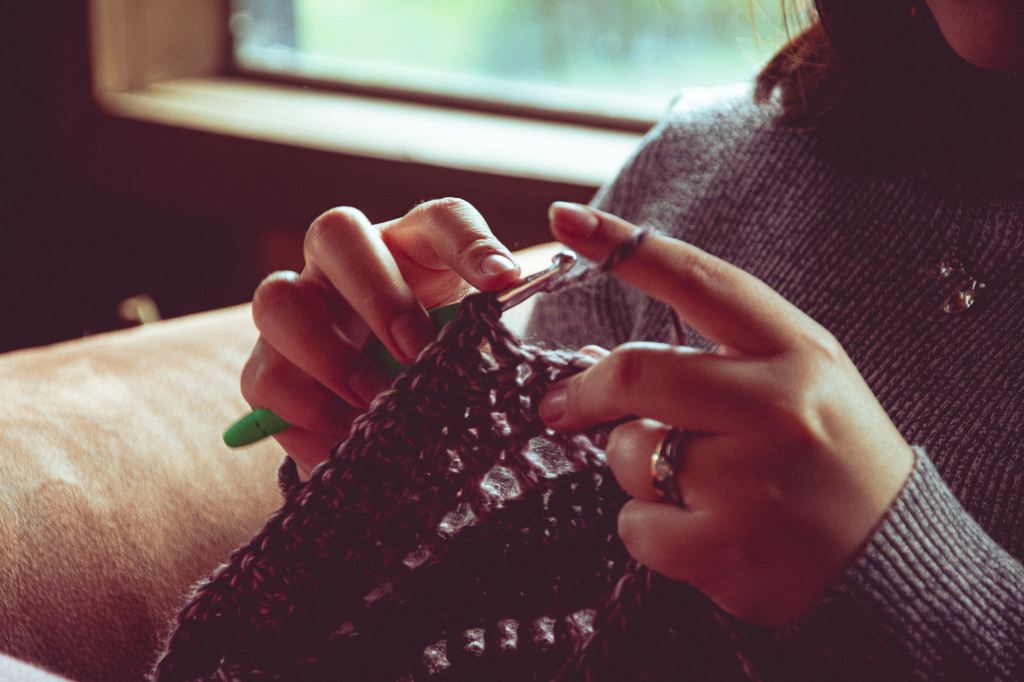
Take a break from your devices After a particular busy or stressful day, you might be inclined to sit (or lie) on the sofa and mindlessly scroll through your phone or tablet. This might seem like a good way to relax at the time, but studies show that being addicted to our digital devices has a seriously negative impact on our mental and physical health, not to mention our productivity levels. Rather than constantly reaching for your phone, why not try a screen free hobby, for example, doing a mindful craft such as painting, drawing, sewing or knitting, doing puzzles such as jigsaws, crosswords, wordsearches or Sudoku which stretch your brain and help you relax at the same time or losing yourself in a good book or your favourite magazine.

Get organised Use your planner or calendar to map out your day and manage your schedule. Being organised can help you feel more in control and can also be a useful tool for identifying and planning for your priorities.

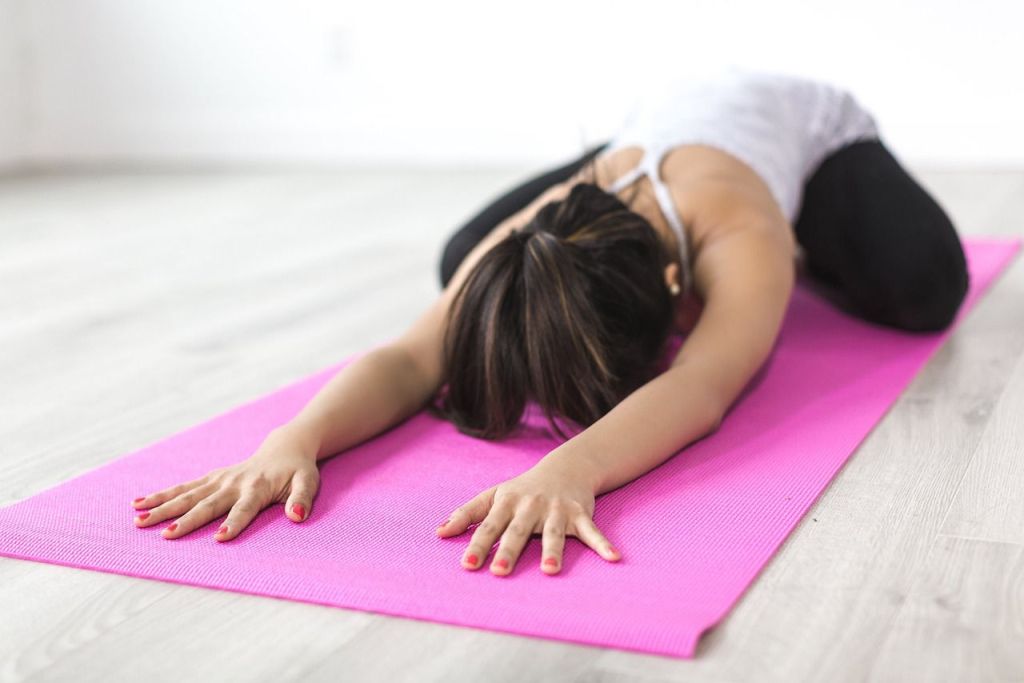
Practise mindfulness and meditation Mindfulness is a technique that involves paying attention to the current moment with non-judgmental awareness of our thoughts and feelings. Click here to read about five simple ways of incorporating mindfulness into you daily routine. Meditation, which is a key aspect of mindfulness practice, has been shown to combat potential burnout by lowering stress and anxiety levels, helping us to build resilience and coping skills, improving self- awareness and self-esteem, cultivating positive thoughts and emotions and boosting our ability to focus and concentrate on tasks. For ideas on how to get started, you might like to read this blog post which has beginner friendly suggestions and tips.

Reach out to others Sometimes, when struggling to cope with everything life is throwing at us, we start to believe we’re the only one who’s finding things difficult. Our thoughts and feelings can then lead us to withdraw from loved ones or isolate ourselves from others. However, this is the time when seeking out your support network can be most useful. Positive social interaction such as meeting a friend for coffee, taking a full lunch break with work colleagues or fellow students, or doing something fun with family members can help in a range of different ways such as providing a listening ear, support, sympathy and useful advice, taking your mind off your sources of stress or giving you the chance to do something enjoyable or relaxing.

Take steps to manage your sleep routine High stress levels can have a profoundly negative effect on your sleep. It’s really important to take steps to develop a relaxing evening routine which sets you up for a good night’s sleep. This wonderful article discusses the relationship between sleep and burnout and includes lots of useful tips for your day, evening and bedtime routine.

Final words…

For many of us, avoiding burnout isn’t easy and there are commitments in our busy lives which we can’t avoid or say no to. However, actively taking steps to combat the daily stresses in our lives by using some or all of the coping strategies above can really help. I think filling in the stress bucket would be a good first step in boosting self- awareness prior to making small lifestyle changes with a view to preventing burnout and generally improving health and wellbeing in the future. Let me know in the comments if you try out some of the ideas above and you find them beneficial.

Posted in art, bullet journal, Bullet journaling, creativity, Planning and journaling, watercolour painting

Setting up my Bullet Journal for November 2023: Squashes theme

This month, I’ve gone with a pumpkins and squashes theme which includes stickers I made using my Cricut Joy and my own watercolour painting. I got most of the layouts done about a week ago but spent a good while yesterday playing with my paints and then creating my front cover. I hope you like my art work as I’m really pleased with how it turned out.

Front Cover

The idea for the theme and cover this month comes from my experience of going to a pumpkin patch a few weeks ago. The wheelbarrow is based on the actual one we used to put our squashes in but I used artistic license to create a the different varieties of pumpkin as we only picked out three small ones to take home.

Before painting I sketched out the wheelbarrow and placement of the squashes with light pencil. I also practised doing the straw and mud on the ground by creating a darkish yellow wash and then using a dry fan brush to create a messy effect. I think it works nicely and I hope you can tell what I was trying to achieve. The sky was created with a pale blue turquoise wash and I used scrunched up paper towel to lift the paint to create a loose cloud effect.

The original artwork – the paper has curled so I need to put it under a heavy book!

Rather than glue the thick, watercolour paper in, which would add too much bulk, I’ve scanned it in on 110gsm paper and stuck in it. The colours aren’t exactly the same, but I’m happy with it.

Photo credit: Laura Jones for Keeping It Creative

Calendar page

The calendar is made of my usual 6 x 6 boxes using a 0.3 Pigma Micron. The November title was created using a brown Tombow brush pen and I added the year for reference so I can quickly see when it was produced (I’m getting quite a collection of old BuJos now!) The squash designs were from Canva Pro and I made the stickers using my Cricut Joy. The offset isn’t perfect as usual but I think they look okay.

Photo credit: Laura Jones for Keeping It Creative

Finances page

This month, I’ve only created one page instead of the usual double page layout. This is because I’m taking part in No Spend November and so my only personal expenses should be for essentials rather than luxury items. The page to the right of it will be for a spot of journalling about how we get on with our challenge.

Photo credit: Laura Jones for Keeping It Creative

First weekly plan

I’m trying a different layout this week to see how I get on with having more room to write each day. As part of the set up, the second page is folded in half and this is so that I can see my task list all week and can transfer items from it to my daily plan as and when I decided which day I want to complete or start a particular task. I’ve taken a couple of photographs to show how it works.

Photo credit: Laura Jones for Keeping It Creative

The washi tape is part of an autumnal set I picked up at The Range. It’s not wonderful quality but there are some nice designs and colours.

Final words

Thank you for taking the time to check out my bullet journal spreads for November. I hope you like them all. It’s been a while since I did some watercolour painting and I thoroughly enjoyed it. Using watercolours is a wonderful mindful activity and, for me, it was a great way to spend a few hours over the weekend whilst the weather was completely miserable. You don’t even need to paint an actual picture, just messing about with the paint and different techniques is enough to calm the mind.

Wishing you all a wonderful November,

Posted in finances, goal setting, life hacks, money management

Monday Matters: Should you do a ‘No spend November’ challenge next month?

Last week, I was talking to my other half about what an expensive month October has been for me. Firstly, it’s my husband’s birthday on Halloween, and, although I haven’t bought him too many presents, I like to get him something that he really wants and at least a couple of surprises as well. Secondly, an incident occurred with my much loved and well used Kindle. In our house, we have quite a lot of plants and we have an issue with tiny, little compost flies, which, as their name suggests, tend to live in the soil of our plants but also like to venture out around our rooms, gravitating towards anything they like the look of. One landed on the screen of my Kindle when I was reading and I whacked it with my hand. Unfortunately, my wedding and engagement rings also hit the screen and fractured it in several places in the very centre, causing the backlight to shine through. So, because I read my kindle on a daily basis, I had to purchase a replacement straightaway and that was an unexpected expense (well, obviously I could have managed for the time being but I love reading so…). Finally, my craft room tends to get a little cold in the autumn and winter months so I have added to my collection of jumpers to keep me warm.

My husband suggested that I do a ‘no spend November’ and I thought, “Ooooh, that has a nice ring to it, surely he hasn’t just made that up?” and sure enough, I Googled it, and it is already an actual thing. I read up on the basic premise as obviously the month can’t be entirely expense free (I’m pretty sure HSBC won’t be impressed if we don’t bother paying our mortgage next month and it won’t be much fun if we let the cupboard go bare and have nothing to eat!) and so I thought I’d share what I learnt in case you want to know more or join me in the challenge.

Let’s get to it…

What is ‘No spend November’?

Basically, ‘No spend November’ is a way of saving money by only purchasing things that are absolutely necessary. The goal of the challenge is to save more, make better spending decisions and to live more simply throughout the month. It’s considered an ideal time to reign in your spending as you’ll avoid buying unnecessary ‘bargains’ during the Black Friday period and it will help you to save a little (or maybe even a lot) for the festive period.

You can plan for the challenge to last the whole month, or you can identify a shorter period of no spend time in November – say for a week or a fortnight. You could also choose certain days of the week as no spend days such as weekends or Fridays. If you found it fun or helpful, you could also repeat the challenge at another time, such as when trying to save up for a holiday or a special event.

Essentials to continue to spend money on

Obviously, no spend doesn’t literally mean no money coming out of your bank account, but it does mean keeping costs to just the absolute essentials. What you class as essential will be very personal to you and will differ for each individual doing the challenge. Here’s what you might include but might include:

  • rent or mortgage payments
  • utilities such as gas, electric, Internet
  • taxes e.g. council tax
  • groceries
  • childcare
  • insurance payments such as health, life, car etc
  • phone top ups or phone bill
  • fuel or other car expenses
  • memberships that are on direct debit
  • things that absolutely need to be fixed straight away such as a broken washing machine or things that fall in to complete disrepair and need replacing
  • newspapers and magazines (except free ones)

For me, my gym subscription is an essential as it is a key part of my routine and going to classes and talking to others is one of the ways I keep myself well mentally as well as physically.

Non-essentials you might choose NOT to spend money on

Again, this differs from person to person, but some examples include:

  • takeaways
  • coffee shop coffee
  • cake from a cafe
  • meals out
  • craft supplies
  • hobbies
  • branded toiletries and cosmetics
  • entertainment (try visiting free events or go for a walk in your local park)
  • branded groceries or premium selections at the supermarket
  • clothing
  • shoes
  • impulse purchases
  • seasonal decor items
  • lunch from a sandwich shop – make your own packed lunch!
  • books – borrow some from the library instead, read some already purchased novels on your Kindle or re-read favourites

Reasons why you might choose to do a ‘No Spend November’ challenge

  • you overspent last month and so want to have a light spend month
  • you really want to assess your finances and become more in control of your money
  • you want to save money ready for the festive period itself
  • you like to choose Christmas gifts during the month of December
  • you plan to class Christmas gifts for family and friends as part of your essential spending
  • you want to be more intentional with your spending
  • you would like to do more home cooking and having a takeaway free month will facilitate this
  • you want to cut down on luxury items such as expensive toiletries and make up items in favour of choosing simple products like supermarket and chemist own brand items
  • You are a creative crafts type and want to encourage yourself to complete projects you are already working on or use materials you already own such as stickers, papers, yarns, fabrics etc
  • You have a debt to pay off and having a no spend month seems like an ideal way to do it

Reasons why you might not want to do a ‘No Spend November’

  • You have plenty of money for essentials and luxuries so saving and cutting down on spending doesn’t really feel like a priority right now
  • You have a list of items you want to get in the Black Friday sales and you know you are capable of sticking to that list and not buying things on impulse
  • You’re already pretty pleased with the state of your finances and you rarely purchase luxury items anyway
  • You want to try the challenge but at a different time of year, for example January of next year
  • You don’t see the point of the challenge for you personally
  • You feel totally unprepared for such as challenge and know that you won’t keep up with it so why start!

A few tips for a successful ‘No Spend November’

  • Record your why – why have you decided to do the challenge? what do you hope to get out of doing it?
  • Make two lists – one of essentials that you will spend money on and the other non-essentials or luxury items which you agree not to buy
  • Let others know that you are doing the challenge – explain to your partner, tell the kids and explain why the challenge is important to you, tell your friends so they don’t wonder why you are saying no to big night’s out and coffee catch ups.
  • Make a meal plan each week and then create a shopping list based on it
  • Create a picnic of homemade and home-prepared items for your free days out e.g. cheese and tomato sandwiches, chopped vegetables such as carrot or cucumber sticks with hummus for dipping, crisps from a multipack or decanted from a large bag, homemade scones, cakes or a traybake
  • record your expenses and see how they compare to other months – write down how much you think you’ve saved
  • plan some fun nights and days in – maybe have a pamper day or a games night, suggest friends come around for tea / coffee and each bring a sweet treat
  • make a list of things you were tempted to buy during the month and journal about why
  • seek out alternatives to more expensive grocery items e.g. supermarket own brand, budget range items etc

Final words…

So, who’s going to join me for a ‘No Spend November’ and who’s horrified by the idea? If you would like to curb your spending, I would love to hear what category of non-essentials has the most negative impact on your finances and which items you will struggle not to spend on. Let me know in the comments. Mine has to be craft related items or coffees from cafes I think although I may prove myself wrong when I start doing the challenge. Also, I think I may have to identify Christmas presents for others as essential if I see something that is just perfect when I’m out and about!
Posted in life hacks, lifestyle, productivity, self care, Setting goals and intentions

Monday Matters: 7 benefits of a clutter free and well-organised home environment plus some tips for getting started with decluttering

Photo from a selection on Canva Pro

One of my current goals, which has been ongoing for quite a while now, is to declutter, tidy and organise my craft room / office, in a way which makes it a pleasant and distraction free environment and consequently a productive place to work and get creative. It’s an enormous job because a) I have soooo much stuff and b) it’s packed into what, in house buying terms, would be described as the box room / box bedroom. I did get started with the process, but then, I found other easier and more preferable projects and activities to do, and now, even the thought of ‘it’ is overwhelming and enough to put me off.

My knowledge and experience of tackling large projects tells me that taking it one tiny step at a time and making a list of tasks to work from (and tick off) would be helpful but I’m sure any of you who have ‘lots of stuff’ can relate and sympathise with me when I explain that pretty much anything and everything else is getting prioritised instead. To give myself the idiomatic ‘kick up the backside’, the idea of writing this blog post was born, to hopefully be a good reminder of the main benefits of a clutter-free and organised space even though I’m pretty sure you can guess a few of them. This might also help with the absorbing of information and fingers crossed with taking action. Clutter-free, super-organised readers can read and then polish their halos plus maybe leave a tip or two in the comments to help me and others. If today’s post has motivated you or helped you feel less alone in having a less than immaculate home environment I would love it if you dropped a comment below to generally make me and others feel better.

Without further ado, here are, what I consider to be the main benefits of a clutter free and well-organised space whether it’s your whole home, a room within your house or just a small area, such as your pantry or the junk drawer. I hope you find the following useful and that, fingers crossed, it gives you the incentive to take that first baby step and then keep going.

Reduced stress and anxiety

Being in an environment full of clutter causes sensory overload, heightened stress levels and feelings of shame and embarrassment (especially if you have visitors). The opposite is true of a clutter free and well-organised home. You’ll find yourself calmer, more relaxed and in control. You’ll likely feel a sense of pride when you look at your environment and what you’ve achieved and are able to maintain, and, you’ll also be much happier showing visitors in – even those who are unexpected! Plus you won’t be needing to apologise for the mess anymore or spend frantic hours trying to hide clutter in random, out of sight places.

Boosts productivity and creativity

A neat and tidy work environment means fewer distractions and plenty of space in which to work. This generally leads to better concentration levels, deeper focus and improved productivity. It also helps to free your mind of mental clutter and provides the space for innovative thoughts and letting your creative juices flow.

So much easier to find things

When you have fewer possessions and every item has a specific home, it makes it much easier to find something when you need it saving you a lot of time and energy. On the other hand, if you’re house is in disarray, it can become extremely frustrating and time consuming to locate the item you need. Often, when I’m struggling to find something, I get myself so worked up that I end up in tears. Aldo, searching places that the item might be reminds me of how much stuff I actually have (and creates feelings of guilt) and brings to mind how, in the past, I’ve bought things to try to make myself feel better when I’ve been depressed.

Rids your home of allergens

As someone who is asthmatic and has a dust allergy, this one is a huge plus for me. Keeping a tidy and uncluttered home makes it much quicker and easier to clean and remove dust, moulds and mildew. Plus, less stuff in general helps with airflow and ventilation. This is good news for anyone with respiratory conditions or other allergies which many people have.

Improved sleep

A neat, tidy and clutter free bedroom creates a sanctuary in which to seek comfort and relaxation ready for a restful night’s sleep. It also provides a peaceful and calming space in which to enjoy a slow start to your morning routine, rather than being immediately overwhelmed by stuff as soon as you open your eyes.

More time for hobbies and socialising with family and friends

A clutter-free and organised home environment is so much quicker and easier to clean and keep tidy. Less time on household chores leaves you with more time to engage in your favourite hobbies and more opportunites to socialise with family and friends. It also means that you can happily invite people round to enjoy your home with you.

Better relationships with those you share your home with

When researching today’s blog post, I came across a range of articles and studies which discussed how mess and clutter can affect relationships and even completely destroy them. This can be due to the clutterer struggling with psychological issues as a result of their stuff, leading to feelings such as stress, anxiety, overwhelm, shame, depression and low self worth. Or, the clutter can cause conflict between individuals living in the home creating feelings of anger, resentment and frustration as well as being a source of arguments and ill feeling.

On the other hand, a tidy and clutter free home environment creates a harmonious and happy house, where all occupants can relax and feel comfortable. A well-organised home also reflects personal qualities such as a sense of control, high self worth, confidence, purposefulness, self love, resourcefulness and resilience, which, together with teamwork and authentic conversation with regard to belongings can result in a much more amicable and loving relationship with your partner or housemates.

Tips for getting started with decluttering

  1. Make a commitment – before you start, you need to be prepared to put in the required time and energy for decluttering. Creating a clutter free and organised home doesn’t happen overnight, it takes a huge commitment which is why it’s good to consider the benefits discussed above. Tidying and decluttering needs to be a priority in your life and something you put your heart and soul into. The tip below should really help to get clear in your mind about what the benefits are for you personally.
  2. Think about and visualise your overall goal – imagine what your tidy home would look like and how it would feel to be there. Visualise yourself walking through your house when you’ve met your goal. Consider exactly how you would spend your time at home. Sketch or write about the improvements you’ve made and ask yourself why it feel the way it now does – a key to manifesting a clutter free and organised home is to imagine you already have exactly what you desire.
  3. Start small – set tiny goals such as tackling one box, one drawer, one shelf, a single pile of papers. Work on one room at a time and make a note of places to work on which will really make a difference – so for example your desk space in your office or craft room, the main counter in your kitchen or the coffee table in your living room.
  4. Allocate an amount of time to the job – you might decide you have 5 or 10 minutes, an hour or a whole afternoon (starting small is good if you’re feeling overwhelmed) . Set a timer and turn on do not disturb mode on your phone.
  5. Take before and after photographs – want a visual reminder of how much progress you’ve made? Take a quick snap on your phone of what the area looked like before and what it looks like at the end of your allocated amount of time. Repeat before and after each decluttering and tidying session.
  6. Get support from an expert Once you’ve got started with the process and have seen some of the impact you can have, you might want to get help from a professional declutterer or a celebrity who has created a home you admire. So, for example Marie Kondo has developed the Spark Joy method for tidying where you work on categories of items in your home in the order suggested, whilst Stacey Solomon has her TV series ‘Sort Your Life Out’ plus her ‘Tap to Tidy’ book full of advice and tips. You don’t need to actually invite Kondo or Stacey Solomon to your home – just make use of their skillset.
  7. Enlist help from family or others in your social circle – if you find decluttering overwhelming, you might want to enlist the help of a family member or friend, even if they’re just there to help you gather things together, make decisions about where to store things or to offer moral support. And if they can’t be there physically, use them as an accountability partner asking them to regularly check in to see how you’re getting on and what progress has been made.
  8. Donate, sell or recycle what you can. This will help you reduce waste (and feel good about your impact on the environment), make a little extra cash or help someone in need (just because it doesn’t spark joy for you, doesn’t mean it won’t for others).
  9. Find a specific home for each and every item – the key to keeping your home neat and tidy is to have a specific storage location for every single item. That way, you’ll know exactly where to put it when you’ve finished with it or where to display the object in your home. Try to keep most things out of sight in drawers, cupboards and boxes as this will make it easy to clean surfaces.
  10. Don’t strive for perfection As you embark on your decluttering journey, be kind to yourself and celebrate small achievements and elements of progress along the way, rather than expecting everything to be perfect before moving on to the next task. Decluttering is a process and can take a lot of time (often much longer than you think), so little and often is the way to go. Also, slightly lowering your expectations can help you to feel like you’re getting there.

I hope you’ve found today’s blog post useful and have picked up a few tips as you’ve read. I’m sure you can see how beneficial a clutter free and well-organised home is for your mental and physical health and how it can make for a happier living space overall.

Additionally, I’m thinking about doing another piece at some point in the future that focuses specifically on decluttering and organising craft supplies, as this, for me, is the area that needs most work. Let me know in the comments if you would find this helpful too.

Happy decluttering, tidying and organising,

Posted in psychology, relationships

Monday Matters: Seven ways to bring more romance into your relationship

Photo from Canva Pro

At the start of a relationship, we’re usually very keen to show how much we care for or love our partner. However, sometimes, as the years go by, we can take each other for granted and romance and affection can become less prevalent. Today, I’m sharing seven ways to keep the romance alive in your relationship however long you’ve been together.

Make time for your partner

Back when you started dating, you would arrange to see each other, carving out time in your diary and getting together as frequently as you could, whilst your relationship bloomed. As you make the commitment to live together or get married, have children (or a pet like my husband and I) setting aside time for one another is still just as important if your relationship is to stay strong. Some couples, especially those with kids, arrange date nights so that they can have a quiet evening with just the two of them together. This helps them to reconnect, communicate freely without interruption and have some fun.

Personally, my husband and I can enjoy hamster free time as we wish and regularly go out on a weekend to places of interest such as nature reserves, local woodland and forests for walks or to cities for shopping, coffee and cake or lunches in vegetarian or vegan cafes. We also often go out for a meal and occasionally for a few cocktails, to the cinema to watch a film or to the theatre in the evening for further quality time together.

Try new things together

Sharing new experiences together can help you feel a closer bond to your partner. This might include starting a new hobby, attending a class, or doing something that has been on your (real or virtual) bucket list for a while.

As part of my Autumn bucket list this year, I decided I would like for us to visit a pumpkin patch at a farm we pass on our way to Hexham. My husband booked us tickets which cost a few pounds each and the plan was to go there for 11am and then continue on to Hexham to have lunch in one of our favourite veggie cafes, do a little bit of shopping and then have a walk in the country park there. I took my DSLR with me and took lots of photographs at the farm of the various pumpkins and squashes, plus some snaps of the decor. We also had a little look in the shop and visited the tea rooms to check out what was available to eat should we wish to go there again.

We spent just over an hour at Brockbushes and it was so much fun wandering around the muddy fields and choosing a few squashes to buy to take home. It was lovely seeing lots of young and older children picking their own pumpkins and filling their little wheelbarrows. We both took plenty of photos of the scenery and each other and I intend to do some journalling about the experience to go in one of my traveller’s notebooks to spark memories of how much we enjoyed ourselves. I also got a couple of bits of autumnal home decor from the shop which are now on display in a couple of houseplant pots. Again, these will serve as a reminder of our time at the pumpkin patch.

Give small gifts and surprise them

Obviously, I’m not talking vastly expensive little gifts that leave you out of pocket for this one. Just small tokens of appreciation which you know they will love. For example, last month, I made my husband a personalised mug. The mug itself was 60p from ASDA and the vinyl for the message was a few £s but I spent ages in Cricut Design Space choosing fonts, making the decals the correct size and thinking about which colour vinyl he would like best. Surprises could include bringing them breakfast in bed, leaving a love note for them to find, bring home or cook a meal for them.

Photo credit: Laura Jones for Keeping It Creative

Show your appreciation with compliments

Who doesn’t secretly love compliments and crave words of encouragement that they’re doing okay as a husband/wife/partner? Try to cultivate the habit of saying nice things to your partner each day which affirm your love, show your appreciation and demonstrate that their efforts haven’t gone un-noticed. For example, you might tell them that an item of clothing really suits them, that their hair is looking good, you love their sense of humour or that their ability to make you feel calmer during periods of stress or anxiety is so helpful. Or, you might thank them for doing a particularly mundane household task that has been on your to-do list for a while. You don’t have to shower them with compliments all the time, else they might think you’re after something ha ha! but just a couple of niceties each morning or evening will certainly make a difference.

Listen attentively

During a conversation or when they are talking about their day, remember to give them your full attention, maintain eye contact and make relevant comments to show you are listening carefully. Even if you’re tired, or the topic of conversation doesn’t particularly interest you, show you care by really tuning in.

This can also be applied if you go out together somewhere for the day, for coffee, lunch or dinner . Try to resist the temptation to check your phone or show more interest in what other people are doing, whilst half heartedly listening as there’s nothing worse than feeling like your partner is distracted or not enjoying your company.

Show physical affection

Physical affection shouldn’t be limited to the bedroom. Hold hands when you’re out and about, snuggle up together whilst you watch TV, kiss them when they or you get home and when either of you leave in the morning, share hugs regularly to demonstrate your romantic feelings for them. Again, this is probably something you did all the time when you first got together but often, over the years, can dwindle or stop.

Know your partner’s love language

The idea of love languages was first identified in a book by Gary Chapman, a marriage counsellor, back in 1990, who identified five ways that romantic partners can express and experience love. Knowing you and your partner’s preferences can be super useful as it can help you demonstrate your love in a way that they will really appreciate and vice versa. The 5 love languages are:

  • Words of affirmation
  • Quality time
  • Physical touch
  • Acts of service
  • Receiving gifts

I’m sure you can see how these relate to the tips above, but this article goes into more depth on finding your language, and that of your partner, and gives some wonderful examples of ways in which you can show how much you care for them. Incidentally, love languages can also be applied to platonic relationships too as you will see in the webpage.

Final words…

Whether you want to up the romance in your relationship, or want to check you’re doing everything you can to show your partner you love them with all of your heart, I hope you’ve found today’s blog post an informative and useful read. Let me know in the comments what your love language is (or if you sway towards several of them) and if you share the same as your partner or if theirs is different.