One of my current goals, which has been ongoing for quite a while now, is to declutter, tidy and organise my craft room / office, in a way which makes it a pleasant and distraction free environment and consequently a productive place to work and get creative. It’s an enormous job because a) I have soooo much stuff and b) it’s packed into what, in house buying terms, would be described as the box room / box bedroom. I did get started with the process, but then, I found other easier and more preferable projects and activities to do, and now, even the thought of ‘it’ is overwhelming and enough to put me off.
My knowledge and experience of tackling large projects tells me that taking it one tiny step at a time and making a list of tasks to work from (and tick off) would be helpful but I’m sure any of you who have ‘lots of stuff’ can relate and sympathise with me when I explain that pretty much anything and everything else is getting prioritised instead. To give myself the idiomatic ‘kick up the backside’, the idea of writing this blog post was born, to hopefully be a good reminder of the main benefits of a clutter-free and organised space even though I’m pretty sure you can guess a few of them. This might also help with the absorbing of information and fingers crossed with taking action. Clutter-free, super-organised readers can read and then polish their halos plus maybe leave a tip or two in the comments to help me and others. If today’s post has motivated you or helped you feel less alone in having a less than immaculate home environment I would love it if you dropped a comment below to generally make me and others feel better.
Without further ado, here are, what I consider to be the main benefits of a clutter free and well-organised space whether it’s your whole home, a room within your house or just a small area, such as your pantry or the junk drawer. I hope you find the following useful and that, fingers crossed, it gives you the incentive to take that first baby step and then keep going.
Reduced stress and anxiety
Being in an environment full of clutter causes sensory overload, heightened stress levels and feelings of shame and embarrassment (especially if you have visitors). The opposite is true of a clutter free and well-organised home. You’ll find yourself calmer, more relaxed and in control. You’ll likely feel a sense of pride when you look at your environment and what you’ve achieved and are able to maintain, and, you’ll also be much happier showing visitors in – even those who are unexpected! Plus you won’t be needing to apologise for the mess anymore or spend frantic hours trying to hide clutter in random, out of sight places.
Boosts productivity and creativity
A neat and tidy work environment means fewer distractions and plenty of space in which to work. This generally leads to better concentration levels, deeper focus and improved productivity. It also helps to free your mind of mental clutter and provides the space for innovative thoughts and letting your creative juices flow.
So much easier to find things
When you have fewer possessions and every item has a specific home, it makes it much easier to find something when you need it saving you a lot of time and energy. On the other hand, if you’re house is in disarray, it can become extremely frustrating and time consuming to locate the item you need. Often, when I’m struggling to find something, I get myself so worked up that I end up in tears. Aldo, searching places that the item might be reminds me of how much stuff I actually have (and creates feelings of guilt) and brings to mind how, in the past, I’ve bought things to try to make myself feel better when I’ve been depressed.
Rids your home of allergens
As someone who is asthmatic and has a dust allergy, this one is a huge plus for me. Keeping a tidy and uncluttered home makes it much quicker and easier to clean and remove dust, moulds and mildew. Plus, less stuff in general helps with airflow and ventilation. This is good news for anyone with respiratory conditions or other allergies which many people have.
Improved sleep
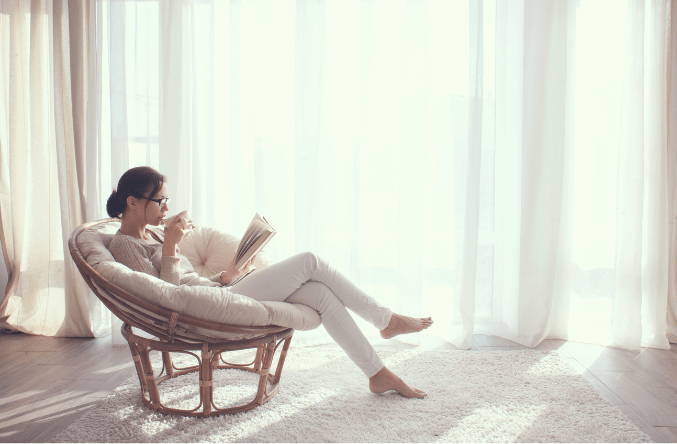
A neat, tidy and clutter free bedroom creates a sanctuary in which to seek comfort and relaxation ready for a restful night’s sleep. It also provides a peaceful and calming space in which to enjoy a slow start to your morning routine, rather than being immediately overwhelmed by stuff as soon as you open your eyes.
More time for hobbies and socialising with family and friends
A clutter-free and organised home environment is so much quicker and easier to clean and keep tidy. Less time on household chores leaves you with more time to engage in your favourite hobbies and more opportunites to socialise with family and friends. It also means that you can happily invite people round to enjoy your home with you.
Better relationships with those you share your home with
When researching today’s blog post, I came across a range of articles and studies which discussed how mess and clutter can affect relationships and even completely destroy them. This can be due to the clutterer struggling with psychological issues as a result of their stuff, leading to feelings such as stress, anxiety, overwhelm, shame, depression and low self worth. Or, the clutter can cause conflict between individuals living in the home creating feelings of anger, resentment and frustration as well as being a source of arguments and ill feeling.
On the other hand, a tidy and clutter free home environment creates a harmonious and happy house, where all occupants can relax and feel comfortable. A well-organised home also reflects personal qualities such as a sense of control, high self worth, confidence, purposefulness, self love, resourcefulness and resilience, which, together with teamwork and authentic conversation with regard to belongings can result in a much more amicable and loving relationship with your partner or housemates.
Tips for getting started with decluttering
- Make a commitment – before you start, you need to be prepared to put in the required time and energy for decluttering. Creating a clutter free and organised home doesn’t happen overnight, it takes a huge commitment which is why it’s good to consider the benefits discussed above. Tidying and decluttering needs to be a priority in your life and something you put your heart and soul into. The tip below should really help to get clear in your mind about what the benefits are for you personally.
- Think about and visualise your overall goal – imagine what your tidy home would look like and how it would feel to be there. Visualise yourself walking through your house when you’ve met your goal. Consider exactly how you would spend your time at home. Sketch or write about the improvements you’ve made and ask yourself why it feel the way it now does – a key to manifesting a clutter free and organised home is to imagine you already have exactly what you desire.
- Start small – set tiny goals such as tackling one box, one drawer, one shelf, a single pile of papers. Work on one room at a time and make a note of places to work on which will really make a difference – so for example your desk space in your office or craft room, the main counter in your kitchen or the coffee table in your living room.
- Allocate an amount of time to the job – you might decide you have 5 or 10 minutes, an hour or a whole afternoon (starting small is good if you’re feeling overwhelmed) . Set a timer and turn on do not disturb mode on your phone.
- Take before and after photographs – want a visual reminder of how much progress you’ve made? Take a quick snap on your phone of what the area looked like before and what it looks like at the end of your allocated amount of time. Repeat before and after each decluttering and tidying session.
- Get support from an expert Once you’ve got started with the process and have seen some of the impact you can have, you might want to get help from a professional declutterer or a celebrity who has created a home you admire. So, for example Marie Kondo has developed the Spark Joy method for tidying where you work on categories of items in your home in the order suggested, whilst Stacey Solomon has her TV series ‘Sort Your Life Out’ plus her ‘Tap to Tidy’ book full of advice and tips. You don’t need to actually invite Kondo or Stacey Solomon to your home – just make use of their skillset.
- Enlist help from family or others in your social circle – if you find decluttering overwhelming, you might want to enlist the help of a family member or friend, even if they’re just there to help you gather things together, make decisions about where to store things or to offer moral support. And if they can’t be there physically, use them as an accountability partner asking them to regularly check in to see how you’re getting on and what progress has been made.
- Donate, sell or recycle what you can. This will help you reduce waste (and feel good about your impact on the environment), make a little extra cash or help someone in need (just because it doesn’t spark joy for you, doesn’t mean it won’t for others).
- Find a specific home for each and every item – the key to keeping your home neat and tidy is to have a specific storage location for every single item. That way, you’ll know exactly where to put it when you’ve finished with it or where to display the object in your home. Try to keep most things out of sight in drawers, cupboards and boxes as this will make it easy to clean surfaces.
- Don’t strive for perfection As you embark on your decluttering journey, be kind to yourself and celebrate small achievements and elements of progress along the way, rather than expecting everything to be perfect before moving on to the next task. Decluttering is a process and can take a lot of time (often much longer than you think), so little and often is the way to go. Also, slightly lowering your expectations can help you to feel like you’re getting there.
I hope you’ve found today’s blog post useful and have picked up a few tips as you’ve read. I’m sure you can see how beneficial a clutter free and well-organised home is for your mental and physical health and how it can make for a happier living space overall.
Additionally, I’m thinking about doing another piece at some point in the future that focuses specifically on decluttering and organising craft supplies, as this, for me, is the area that needs most work. Let me know in the comments if you would find this helpful too.
Happy decluttering, tidying and organising,