
Posted in wellness, wellbeing, Setting goals and intentions, goal setting, personal development, personal growth, intentional living, Habit formation

Steps to Enhance Your Wellness with Easy Habits and Lasting Focus (A guest post from Linda Chase)

Photo from a selection on Unsplash

Today, I bring you an interesting and informative blog post written by regular guest poster, Linda Chase. In her article, she shares tips, tricks and easy to implement habits for enhancing your wellbeing and developing consistency in doing so. I hope you enjoy reading and find the piece as beneficial and thought provoking as I have.

For adults seeking wellness improvement while balancing work, family, and a busy mind, the hardest part is rarely knowing what’s “healthy”; it’s staying consistent when life gets messy. Common wellness challenges like stress eating, skipped workouts, low energy, and a stalled creative spark can make wellness self-improvement strategies feel like one more project to manage. Beginner health habits work because they lower the pressure and build trust in small wins. With simple stress reduction techniques, wellness starts to feel calmer, clearer, and more doable.


Quick Wellness Takeaways

  • Start with small daily habits and build lasting motivation through simple, repeatable routines.
  • Choose practical wellness strategies that fit real life, so healthy changes feel achievable today.
  • Focus on actionable self-improvement tips that support both wellbeing and creativity in everyday living.
  • Use quick wellness insights to pick one clear step, then expand as your confidence grows.

Choose Your Starting Point: 10 Beginner-Friendly Upgrades

When wellness feels big, it helps to pick one “upgrade” that matches your energy today. Use this menu like your 60-second action map: chose one small move, make it easy, and repeat it often.

  1. Do a 2-minute “nervous system reset”: Try one stress management method you can do anywhere: inhale for 4, exhale for 6, for 10 breaths. Longer exhales nudge your body toward calm, which can make decisions and cravings easier to handle. Keep it “tiny on purpose”, this is about consistency, not intensity.
  2. Upgrade your sleep with 1–2 changes, not a whole routine: Pick one or two new sleep hygiene practices to test for a week, like a fixed “screens off” time or dimming lights 30 minutes before bed. Small shifts are easier to keep, and better sleep supports mood, appetite, and motivation. If you wake at night, avoid problem-solving, write a one-line note and return to rest.
  3. Build a “balanced plate” you can repeat: Aim for a simple formula most days: a protein + a colorful plant + a fiber-rich carb + a healthy fat. Example: eggs + spinach + whole-grain toast + olive oil, or beans + salsa + brown rice + avocado. Balanced nutrition habits reduce energy crashes, which makes other beginner wellness tips easier to follow.
  4. Add hydration with a visual cue: Put a full glass or bottle where you’ll see it during your first daily anchor (coffee/tea, morning meds, or sitting at your desk). Drink half before you do anything else, then refill once. This removes willpower from the equation and can reduce “mystery fatigue” that’s really just under-hydration.
  5. Try a 10-minute “minimum movement” session: Choose something gentle: a brisk walk, an easy mobility flow, or dancing to two songs. The goal is to create a repeatable win, not to “make up” for anything you ate. When motivation dips, the minimum keeps your identity intact: you’re someone who shows up.
  6. Start a creative hobby with a low-stakes prompt: Set a timer for 5 minutes and do one prompt: “Today I notice…,” “If my stress had a color…,” or a quick collage of words/images that match your mood. Starting creative hobbies gives your brain a safe place to process emotions without needing the “right” words. Keep supplies visible so it’s frictionless.
  7. Practice one mental health basic: name it, then choose one need: When you feel off, try: “I’m noticing , and I might need .” Needs can be simple, water, food, movement, rest, connection, or quiet. This turns overwhelm into a doable choice and supports healthier boundaries in daily life.

Micro-Habits That Keep Wellness Moving

These habits work because they rely on rhythms, not hype: they lower friction, protect your energy, and give you quick feedback. Use them to make simple wellness and creativity feel doable even when motivation dips.

Morning Anchor Check

  • What it is: Pair water with one fixed cue, like coffee, meds, or opening your laptop.
  • How often: Daily.
  • Why it helps: A stable cue turns wellness into autopilot instead of a decision.

Two-Song Movement Break

  • What it is: Move for two songs: walk, mobility, light strength, or kitchen dancing.
  • How often: Daily or 5 days weekly.
  • Why it helps: Small reps build daily fitness routines without needing a perfect workout.

Five-Breath Pause

  • What it is: Take five slow breaths before snacks, scrolling, or replying to a tense
  • message.
  • How often: Per trigger
  • Why it helps: A quick mindfulness exercise creates space for better choices.

One-Line Boundary Script

    • What it is: Write and use one sentence based on establishing your limits.
    • How often: Weekly practice, then as needed.
    • Why it helps: Clear boundaries protect time, sleep, and emotional bandwidth.

    Weekly Reset List

    • What it is: Make a short Sunday list: rest, meals, movement, connection, and one
    • creative hour.
    • How often: Weekly.
    • Why it helps: Planning reduces decision fatigue and supports practice consistency.


    Wellness Habit Questions, Answered Simply


    Q: What are some effective daily habits to reduce stress and improve overall wellness?
    A: Start with tiny, repeatable actions: a glass of water on a cue, a 2-minute stretch, and a five-breath reset before reacting. Keep one “minimum version” for hard days, like a 3-minute walk or one calming song. Consistency matters more than intensity, so make the habit easy enough to keep.
    Q: How can I start and maintain a fitness routine when I have a busy schedule?
    A: Choose a time you already have, like right after lunch or before your first meeting, and make it a non-negotiable 10 minutes. Research shows time management moderately related to wellbeing, so scheduling even a short slot can pay off. Track “days moved,” not perfect workouts.
    Q: What strategies help improve sleep quality naturally without medication?
    A: Pick one anchor: a consistent wake time, dimmer lights after dinner, or a 10-minute wind- down routine. Keep screens out of bed, and use a simple brain-dump note to stop mental looping. If you wake at night, focus on slow breathing instead of checking the clock.
    Q: How do I create a supportive environment by surrounding myself with positive influences?
    A: Curate what you see and hear daily: tidy one small surface, reduce doom-scrolling cues, and follow people who model realistic habits. Ask one friend to be your “check-in buddy” for weekly wins and gentle accountability. Positive influences should make your goals feel normal, not extreme.
    Q: What steps can I take to incorporate healthy lifestyle changes when using a wellness app or self-improvement program?
    A: Set one clear goal and one “minimum” action, then log it right after you do it. Evidence from a meta-analysis of over 19,000 participants suggests monitoring progress can improve goal attainment. If apps feel noisy, make a printable habit grid and check off just the basics; you can even print posters online to help you keep reminders visible.


    Build a Healthier Rhythm with One Simple Daily Habit

    When life is full and energy is uneven, wellness can feel like one more thing to manage, and missing a day can drain personal growth motivation fast. A supportive wellness mindset keeps the focus on small, repeatable choices and kind course-corrections, so the habits fit real schedules instead of fighting them. With that approach, emotional wellness encouragement becomes practical: you notice progress, recover quicker from setbacks, and strengthen your healthy lifestyle commitment through consistency. Small steps, repeated kindly, create lasting change. For the next seven days, you can choose one consistent self-improvement step, your minimum version of movement, hydration, or a short creative reset, and do it once daily. That steady follow-through builds resilience and trust in yourself, week after week.

    Final words…

    Thank you so much to Linda for her wonderful article. There are so many great ideas here for small, actionable steps which you can build in to your daily routine. I’ll certainly be giving some of them a go over the next few weeks with a view to creating helpful micro habits that last. As suggested, I’ll be starting small, with a view to implementing tiny changes which together, are sure to make a huge difference to my future health and wellbeing.

    Posted in amateur photography, Anxiety management, bird spotting, lifestyle, wellbeing, wellness, wildlife

    Monday Matters: Wildlife Watching for Wellbeing

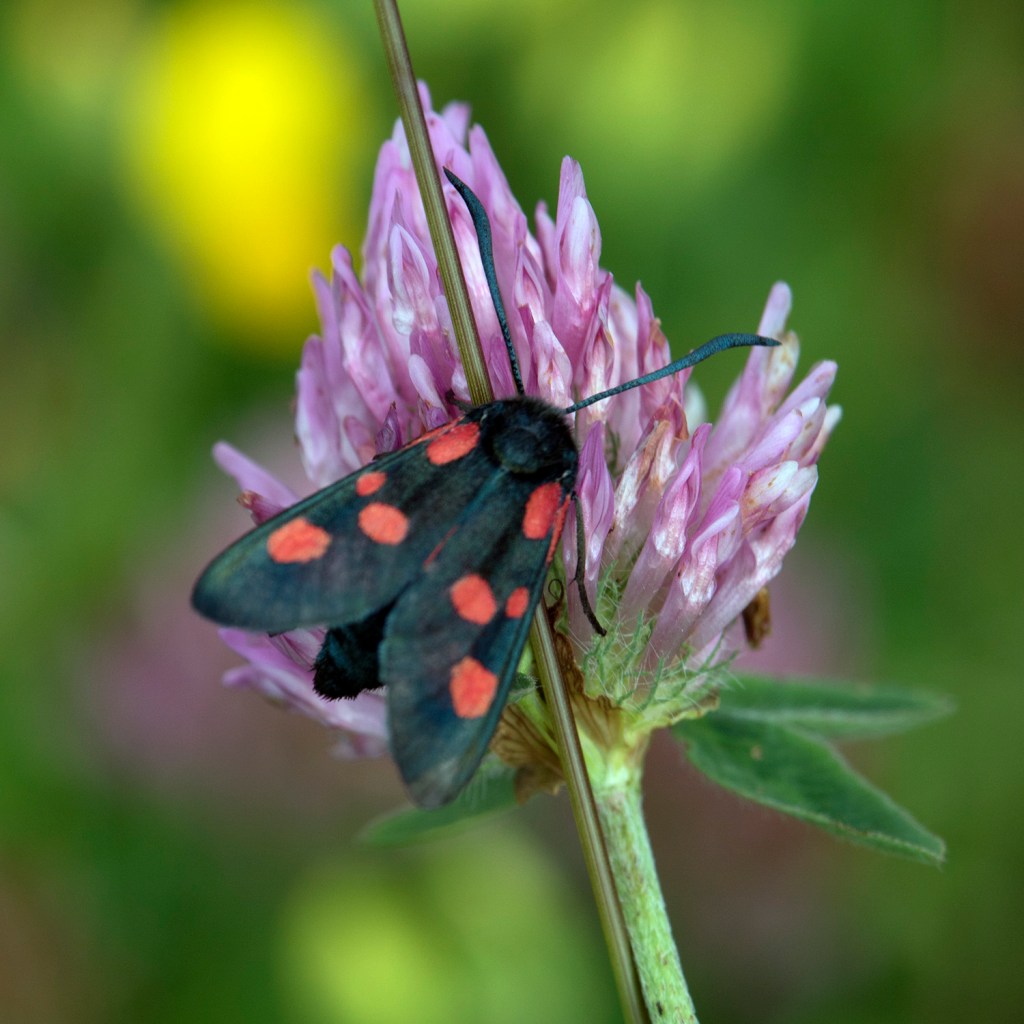
    Six spotted burnet moth

    Over the past month or so, I’ve taken a real interest in watching wildlife and found it to be amazing for my general wellbeing. It’s such a calm and relaxing activity and the perfect way to engage in some mindfulness as it encourages you to be in the moment and really study the action with your five senses whether that’s watching a blackbird taking a bath, listening to the screeching sound of swifts zipping around the sky or quietly observing butterflies sunning themselves in a wildflower meadow whilst feeling the warmth of the day on your skin.

    Today, I thought I’d share some of the benefits of wildlife watching that I’ve particularly enjoyed and also include some of my photographs which I’m pretty proud of as I took them in manual mode on my DSLR. I hope you enjoy the post and that, ultimately, it whets your appetite for wildlife viewing this summer season and beyond.

    Learning about what’s out there in my locality

    Quietly observing in our garden and other local settings such as parks, forest, woodland, heathland, meadow or the coast, I’ve been able to see and enjoy all of the different wildlife and begin to learn more about them. I now know that greenfinch have started visiting our feeders and that, despite us having an overhanging conifer trimmed significantly by a tree surgeon, there are still plenty of birds nesting in what remains, albeit in slightly closer proximity to each other! In my quest to photograph butterflies this summer, I’ve learnt why we have much fewer individuals this season (poor weather at the start of summer) and where I’m most likely to spot different species. I’ve also observed the six spotted burnett moth in tall grasses at the cost, and discovered where their favourite places to land are.

    Learning something new each day not only helps with personal growth but it also develops a sense of accomplishment which I believe is essential for wellbeing. There’s nothing better than sitting down at the end of the day, (whether busy or more relaxed) and recalling something new that you didn’t know yesterday.

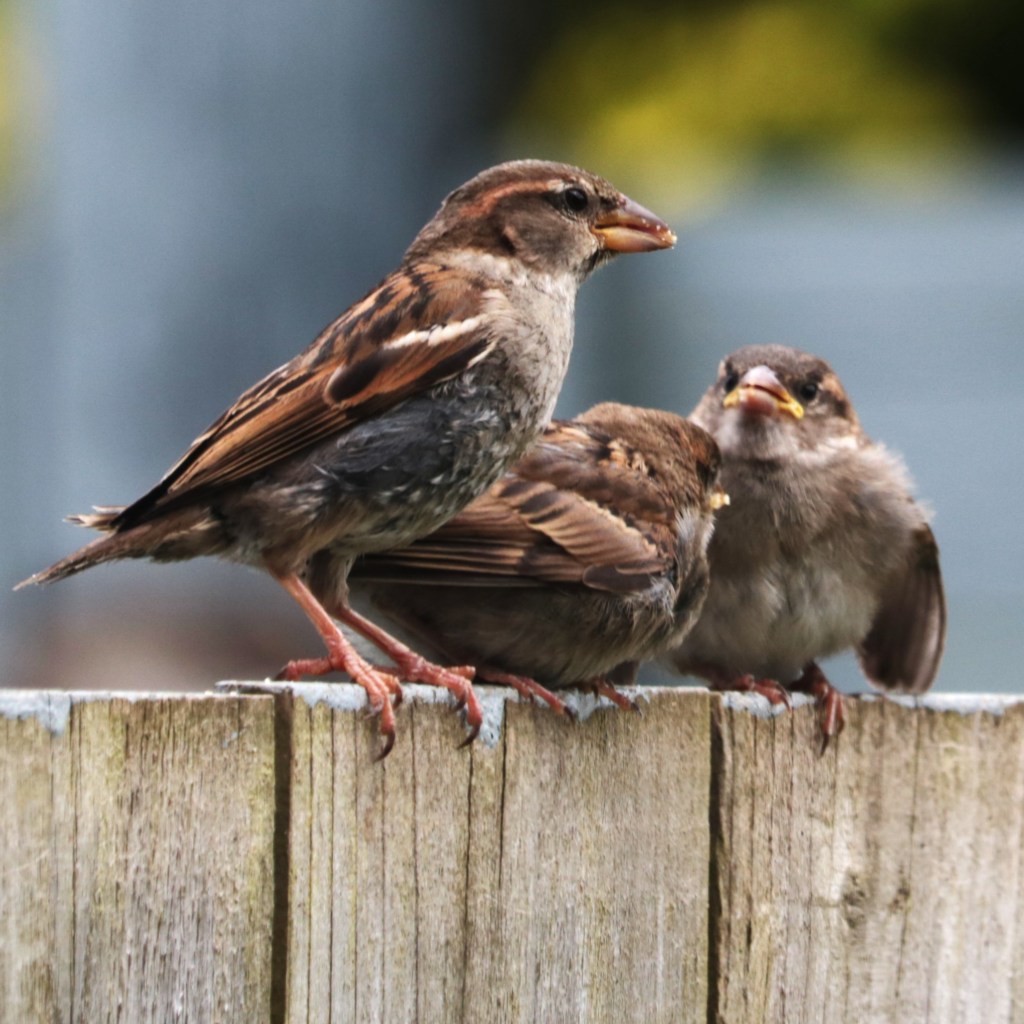
    Female sparrow and her young on our garden fence

    Expressing gratitude

    I find there’s something to be grateful for every day of the week (in fact I write 3 things in my The Five Minute journal each morning), but I’m always especially excited when I witness something new or go somewhere a bit different in my quest to explore wildlife in the North East of England and beyond. I’ve just started reading Hannah Stitfall’s recently published book, Wild Treasures, where she documents a year of watching wildlife in her home county of Cornwall – a place I have visited and loved many times as a child and throughout my adult years. However fruitful (or not) her trips to wild places have been, you get a really sense of how lucky she feels to have these opportunities on her doorstep, and I must agree – we have so many amazing natural spaces throughout the UK that are just waiting to be explored.

    I often find my wildlife spots end up being recorded in my highlights of the day or as part of my morning gratitude writing, whether that’s mentioning our plans for an exciting day out exploring nature and the wildlife it has to offer, or recalling the feeling of a good spot.

    Opportunities to practise using my zoom lens

    I’ve had my zoom lens for a long time now and I’ve often been frustrated by its limitations in terms of getting close up shots of birds (it’s really not powerful enough and I would need to invest in one of the huge ££££ lenses which I’ve seen used in hides). However, I’ve now discovered that it works really well for insect, plant and flower photography when placed at a distance of 0.85m from the subject. I’ve built a collection of macro shots which are pretty good for an amateur and I’m enjoying adding these to my journals and sharing them on Instagram.

    Again, this chance to explore and develop my skills (with both the photography and the use of Photoshop to edit my images) has been a real boost to my wellbeing, including when I add my photographs to social media and use them in my creative journals and show them off.

    Small white butterfly at Ryhope cliffs

    Enjoying the beauty of all that nature has to offer

    As I mentioned earlier, we have some wonderful natural spaces across the UK and I thoroughly enjoy exploring the flora and fauna of different places. Sometimes, I’ll visit familiar places such as the coast, where at this time of year, I can see razorbills, kittywakes (and their young) reed buntings and meadow pipits and mammals such as grey seals and even dolphins! On other occasions, we’ll go further afield to favourite locations and places on my must visit list. Wherever I go, alone or with my husband, I tried to stay in the moment and really appreciate the beauty on offer as I look out for the wildlife to be spotted.

    Mindfulness and its many benefits

    I’ve talked about mindfulness and the many benefits in various previous blog posts. For some people, mindful activity is all about meditation, but it’s much more than this, practising mindfulness involves being in the present moment and developing a quiet awareness of your immediate environment, and I’m sure you can see how wildlife watching fits in with this. There are too many benefits to list here but a few include reducing anxiety and depression, lowering blood pressure, improving sleep, lowering stress levels and better ability to manage long term illness and chronic pain.

    Improved physical health

    Although I love watching wildlife from my own back garden (or via the kitchen window as I wash up!), there are so many more opportunities in the North East of England and further afield. As well as the chance to breathe in fresh, clean air, as I explore the natural environments, for me, my travels often include a brisk walk too. Adding in an uphill trek, a saunter across various fields, beaches or heathland on our way to more remote locations, offers a wonderful and more relaxing way to exercise which is completely different in experience to my gym sessions and various classes. Also, whilst your focus is on looking at the stunning views and watching out for various fauna, you’re often barely aware of what a good workout you’re having at the same time!

    A sense of community

    One of my absolute favourite ways to watch wildlife is to go to a nature reserve (especially one which has some bird hides) and take my binoculars for close up viewing and my DSLR camera for recording my spots. We’re lucky to have a number of locations within an hour and a half’s drive including Rainton Meadows (managed by Durham Wildlife Trust), Hauxley Nature Reserve (Northumberland Wildlife Trust) and RSPB Saltholme. When we visit, there are always plenty of others walking around the reserves or observing birds from the various hides and sharing these spaces develops a really sense of belonging, especially as you know that we’re collectively there for similar purposes – exploring the beauty that nature has to offer, enjoying the peace and quiet, looking out for different species and ultimately hoping to spot something new.

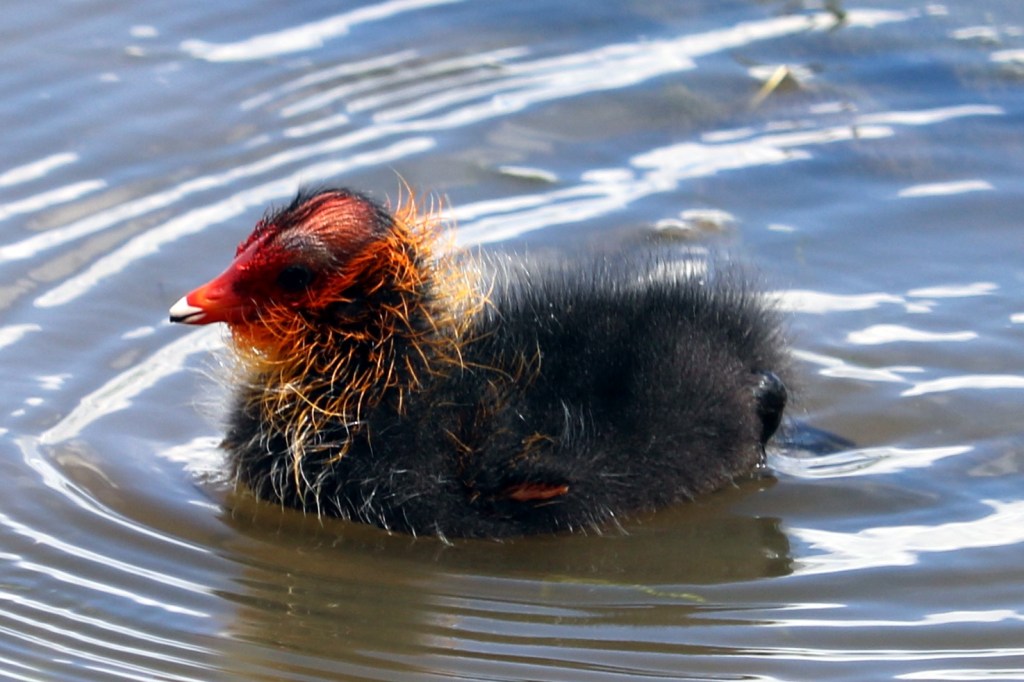
    Coot chick at RSPB Saltholme

    Wherever you live in the UK, I guarantee there are wild spaces on your doorstep to be explored and shared with other locals. Even in London, there are vast parks across the city offering peace, quiet, wildlife and the chance to get away from the busyness of the place and most people there have the same objective.

    Final words…

    Although I haven’t covered them here, there are various scientific studies done which offer proof of the mental health benefits of wildlife watching, especially bird spotting. It’s no surprise, then, that many of us turned to walking in the great outdoors during the pandemic to reduce our stress levels and find pleasure in nature. I wonder how many of you still make the time to visit natural spaces as part of your routine each week now there are no restrictions on your activity choices? I would love to hear if wildlife spotting is as valuable to you as it is to me to maintain good wellbeing and general happiness. I’d also be over the moon if you’ve found benefit from reading today’s post and it has encouraged you to find time in your busy weekly calendar for this perfect mindful self-care activity.

    Posted in goal setting, journalling, life hacks, lifestyle, meditation, Mindfulness, mindset, self care, Setting goals and intentions, wellbeing, wellness

    Monday Matters: Discovering joy in every season of the year using The Happiness Year by Tara Ward

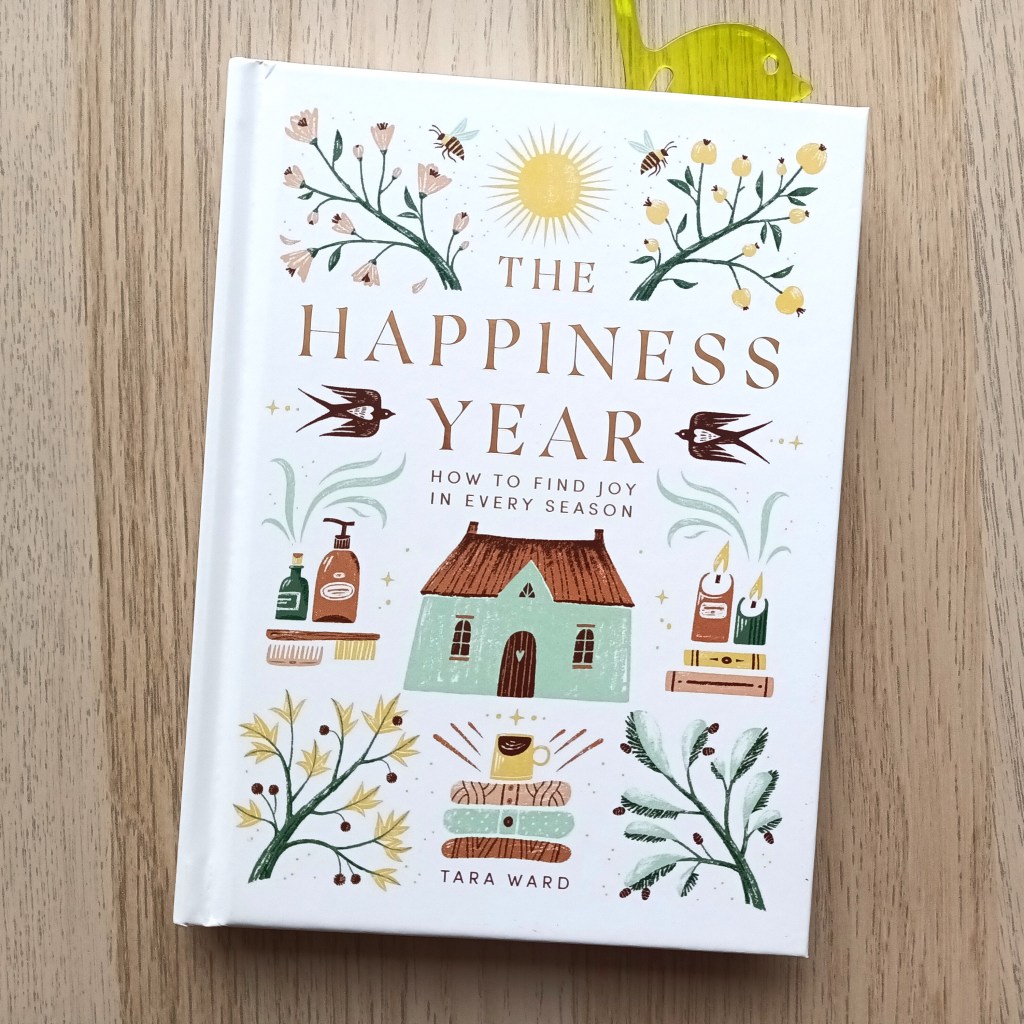
    A few months ago, I was looking in the health and wellbeing section at Waterstones and came upon a beautifully illustrated book about finding joy throughout the year by trying out different seasonal activities. At the time, I didn’t purchase it, but I regretted my decision so I ordered it from an online retailer. When it arrived, I added it to the bookcase in my craft room as I was already in the process of reading about 8 different books which is a few too many even by my standards. I pulled it out a few days ago and there are some lovely activities inside in the section which I started with – Spring. I tried out the first exercise this morning and really enjoyed it so I thought I would give a short summary of the book and share that first prompt with you today.

    The Happiness Year: How to Find Joy In Every Season by Tara Ward

    In the introductory section of the book, Tara discusses the aims of The Happiness Year and also talks about the emotion of happiness and the four positive chemicals that are released into your body when you’re happy – dopamine, oxytocin, serotonin and endorphins (referred to as DOSE throughout the book). She then goes on to explain how to use and enjoy the book.

    The remainder of the book is split into four sections – Spring, Summer, Autumn and Winter and there are a collection of exercises provided in each which you can pick and choose from. In combination, they promise to help you in an holistic way – physically, mentally, emotionally and spiritually. Personally, I think I will probably try out all of the different activities and see which I prefer and benefit from the most.

    Included within the book, there are journalling and brainstorming activities, meditations, physical exercises, goal setting and planning tasks, plus many more to explore and enjoy. You are also invited to complete them in a way that feels comfortable for you, taking into account individual differences and preferences.

    So far, I’ve only read the Spring chapter in depth but I’ve had a good flick through all of the book and I can already see there are many exercises that will appeal.

    Exploring your thoughts, feelings and ideas about Spring

    As I said earlier, I completed the first activity this morning and I enjoyed it so much that I felt compelled to share it with you. I think this exercise would work well for each of the four seasons, not just Spring. Here’s a step by step explanation of what to do:

    • Take an A4 piece of paper and place it in front of you
    • Write the word SPRING in large letters at the bottom of the page
    • Close your eyes and take three deep, comfortable breaths to focus you in the present moment
    • Open your eyes and look at the word
    • What comes to mind when you think of Spring?
    • Write down everything which comes up for you
    • When you’ve run out of ideas, close your eyes again, breathe deeply and continue thinking about the season
    • Note down any further ideas or images which come to mind
    • When you feel you’ve finished, look over your sheet
    • What jumps out at you the most? Circle any words or phrases which particularly resonate or feel important to you. Are then any surprises?
    • What is the overriding emotion when you look at your words? Write that emotion or emotions at the top of the page.
    • Look through the words and make a list of those which generate feelings of happiness.

    I hope you found this a helpful exercise and it reminded you about all of the lovely things which happen in the Springtime. I’ve included my sheet below, how does it compare to yours?

    Photo credit: Laura Jones for Keeping It Creative

    Final words…

    If you enjoy mindful activities such as journalling, setting intentions, exploring the world using your five senses, breathwork, meditation and appreciating the simple things in life, I would definitely recommend checking out The Happiness Year. The book will help you find ways to appreciate and make the most of all of the things that each season has to offer you. You’ll also find a range of self care activities to increase your happiness levels by releasing a good ‘DOSE’ of positive chemicals. Let me know if you try the exercise outlined above and how it made you feel.

    Posted in health, lifestyle, psychology, self care, wellbeing, wellness

    Monday Matters: 9 signs you’re approaching burnout (and how to avoid it)

    When I was teaching, I would regularly feel completely wiped out physically and mentally, and, for the first days of any holiday, whether it was half term, Easter, Christmas or the summer break, I would end up either ill or sleeping most of the time as my body and my mind couldn’t take any more.

    The other week, I was listening to a group of pharmacy students at the University as they discussed their workloads and lifestyle choices because of how much they had to do. It reminded me of that feeling of never having enough time and the pressure and stress that came with it. So, today, I thought I’d talk about the signs which suggest you may be heading towards burnout (or are already there), and, perhaps more importantly, what you can do about it before you reach that stage.

    What is burnout?

    Burnout can be defined as a state of physical, mental and emotional exhaustion which can result from long-term or repeated bouts of stress. This could include, but is not limited to, working in a stressful or high pressured job, doing an intense amount of studying (e.g. for a degree course or post graduate qualification, or having a particularly demanding life circumstance such as being a single parent, caring for a loved one (such as a young person with special needs or an aging relative), having financial difficulties or worries related to job security, being involved in a house move, divorce or separation or trying to juggle too many responsibilities at once.

    What are the main signs of burnout?

    The signs of burnout differ depending on the individual but common signs to look out for include:

    • fatigue – constantly feeling tired, drained or exhausted
    • sleep issues e.g. insomnia, panicked night time waking, regularly getting less than 6 hours a night etc
    • frequent feelings of cynicism, anger, irritability and a pessimistic life outlook in general
    • poor immunity – resulting in regularly feeling under the weather or having frequent coughs, colds, sore throats etc
    • gastro-intestinal issues such as IBS, stomach upsets, sickness and diarrhea or unexplained abdominal pains
    • recurring headaches
    • poor concentration levels which may result in reduced efficacy or success at work, making careless mistakes, being easily distracted, struggling to maintain attention, trouble thinking clearly or making decisions, forgetfulness and poor working memory.
    • depressed mood which may cause tearfulness, sadness, feelings of emptiness, loss of interest or pleasure in things you once enjoyed, feeling worthless, suicidal ideation, a sense of isolation and inability to relate to others
    • feelings of anxiety such as restlessness, agitation, irritability, having a sense of dread or fearing the worst

    How can I prevent burnout?

    Educate yourself Learn about your current stresses and your coping strategies using ‘the stress bucket model’ that I discovered on Mental Health UK. You can download your own to fill in here. Make a list of helpful activities (known as taps in the example) and plan to do some of them each day to help you destress and unwind.

    Prioritise self care You might not be able to remove the sources of stress you are dealing with right now, but you can make sure that self care becomes a non-negotiable part of each day. Try writing two lists – everyday (basic) self care that keeps you functioning each day e.g. keeping yourself hydrated, eating regular and nutritious meals, getting some exercise and taking regular work breaks, and ‘me time’ self care activities you find calming or relaxing e.g. having a walk in nature, quiet reading, taking a bubble bath, having some time away from your phone and social media, listening to music with your eyes closed, doing a mini meditation etc.

    Learn to say no If you feel like you’re taking on too much to cope with, could it be that you are agreeing to requests or feeling obligated to doing things that are further adding to your stress? Although easier said than done, learning to say no can really help you to prioritise what matters to you or what you consider is absolutely essential for your health and wellbeing.

    Accept that perfection is unachievable Perfectionism and the impossibly high standards that go with this trait can become overwhelming and will almost certainly lead to burnout. To manage this, take time to think about your current situation realistically and try to think positively about how well you are doing under the circumstances. Mantras such as ‘I can only do my best’, ‘done is better than perfect’, ‘nobody is perfect’ and ‘I don’t have to do things perfectly’ can help if said regularly.

    Show some self-compassion If a friend was having to juggle all the commitments and responsibilities you’re currently facing, what would you say to make them feel better? A helpful exercise I learned in one my compassion group sessions is to write a letter offering sympathy, advice and support and post it to yourself or read it regularly. It might feel a little strange writing at first but it can really help.

    Take a break from your devices After a particular busy or stressful day, you might be inclined to sit (or lie) on the sofa and mindlessly scroll through your phone or tablet. This might seem like a good way to relax at the time, but studies show that being addicted to our digital devices has a seriously negative impact on our mental and physical health, not to mention our productivity levels. Rather than constantly reaching for your phone, why not try a screen free hobby, for example, doing a mindful craft such as painting, drawing, sewing or knitting, doing puzzles such as jigsaws, crosswords, wordsearches or Sudoku which stretch your brain and help you relax at the same time or losing yourself in a good book or your favourite magazine.

    Get organised Use your planner or calendar to map out your day and manage your schedule. Being organised can help you feel more in control and can also be a useful tool for identifying and planning for your priorities.

    Practise mindfulness and meditation Mindfulness is a technique that involves paying attention to the current moment with non-judgmental awareness of our thoughts and feelings. Click here to read about five simple ways of incorporating mindfulness into you daily routine. Meditation, which is a key aspect of mindfulness practice, has been shown to combat potential burnout by lowering stress and anxiety levels, helping us to build resilience and coping skills, improving self- awareness and self-esteem, cultivating positive thoughts and emotions and boosting our ability to focus and concentrate on tasks. For ideas on how to get started, you might like to read this blog post which has beginner friendly suggestions and tips.

    Reach out to others Sometimes, when struggling to cope with everything life is throwing at us, we start to believe we’re the only one who’s finding things difficult. Our thoughts and feelings can then lead us to withdraw from loved ones or isolate ourselves from others. However, this is the time when seeking out your support network can be most useful. Positive social interaction such as meeting a friend for coffee, taking a full lunch break with work colleagues or fellow students, or doing something fun with family members can help in a range of different ways such as providing a listening ear, support, sympathy and useful advice, taking your mind off your sources of stress or giving you the chance to do something enjoyable or relaxing.

    Take steps to manage your sleep routine High stress levels can have a profoundly negative effect on your sleep. It’s really important to take steps to develop a relaxing evening routine which sets you up for a good night’s sleep. This wonderful article discusses the relationship between sleep and burnout and includes lots of useful tips for your day, evening and bedtime routine.

    Final words…

    For many of us, avoiding burnout isn’t easy and there are commitments in our busy lives which we can’t avoid or say no to. However, actively taking steps to combat the daily stresses in our lives by using some or all of the coping strategies above can really help. I think filling in the stress bucket would be a good first step in boosting self- awareness prior to making small lifestyle changes with a view to preventing burnout and generally improving health and wellbeing in the future. Let me know in the comments if you try out some of the ideas above and you find them beneficial.

    Posted in depression, mental health, productivity, Selling on Etsy, social media, wellbeing, wellness

    Monday Matters: The Hidden Costs of Staying Informed: How the News Negatively Impacts Your Stress and Anxiety levels plus other aspects of your Mental and Physical Health

    Last month, I met up with a few of my close friends for lunch and a good catch up. We had a lovely afternoon and there was so much to talk about. We reminisced about old times when we all worked together, talked about our recent holidays and plans for future breaks, shared what we’d been up to over the summer (and how fast the months were flying by) and commented on how children are so different from when we were young. As is often the case when the conversation is flowing, we spent some time chatting about current affairs local and national news. Sitting there listening and very occasionally contributing to the discussion, I realised that I knew much less about most of the topics than anyone else in our group. They seemed to know every detail about a particularly harrowing subject and had formed lots of opinions about all that they had read and heard. When I returned home, I mentioned this to my husband and considered why I was much less informed. I came to the conclusion that the main reason is that I firmly believe that over-consumption of news, particularly of the negative kind, seriously impacts my mental health and so I tend to avoid watching and reading too much. Today, I’d like to share what I have learnt from my online reading on this interesting and thought-provoking topic and present some strategies for avoiding ‘doomscrolling’ and managing your news consumption in general.

    The concept of ‘doomscrolling’ and issues with easy access to news media

    The term ‘doomscrolling’ came into regular use during the Coronavirus pandemic and is the act of spending an excessive amount of time reading and consuming large quantities of negative news online. This, coupled with 24 hour news channels on the TV, sensationalist headlines being so easily accessible and the negativity bias of media outlets can mean that the news is seriously harming your health and wellbeing. Some of the detrimental effects include:

    • increased anxiety levels
    • difficulty concentrating, completing tasks or relaxing
    • worsening symptoms of depression
    • elevated stress levels and trouble sleeping
    • obsessive worry and fear
    • gut and stomach problems
    • muscle tension and pain
    • poor productivity levels
    • feelings of helplessness or paranoia

    So, why do people involve themselves in ‘doomscrolling’ and excessive negative news consumption?

    According to my research there are several main reasons why people engage in this kind of behaviour:

    • having a natural negativity bias that makes them pay more attention to bad news than good news
    • wanting to feel in control and prepared for potential threats in a world that seems chaotic and uncertain
    • being addicted to the dopamine rush that comes from getting new information, even if it is negative
    • because they wrongly believe that they are keeping themselves safe by doing so

    What strategies can I try to prevent ‘doomscrolling’ and over consumption of negative news media?

    • Limit your time Set a time limit for your news consumption and stick to it
    • Make use of mobile apps and your phone settings Use apps or tools that block or limit your access to social media or news sites
    • Look for the good news Seek out positive or uplifting stories that balance out the negative ones
    • Consider better alternatives Choose to engage in activities that make you happy, such as hobbies, exercise, meditation, or spending time with loved ones
    • Seek help or support Talk to a therapist or a trusted friend if you feel overwhelmed by the news or your emotions

    Final words…

    I hope you’ve found today’s post thought provoking and useful. Remember, staying informed is important in terms of feeling involved, knowledgeable and connected to others and is a valuable way to learn and grow. However, taking care of yourself is of equal importance so make sure you control your news consumption rather than letting it control you!

    Wishing you good health and wellness,