Posted in goal setting, life hacks, lifelong learning, personal growth, productivity, Setting goals and intentions

Monday Matters: 7 ways to be a lifelong learner (Part 2 of 2)

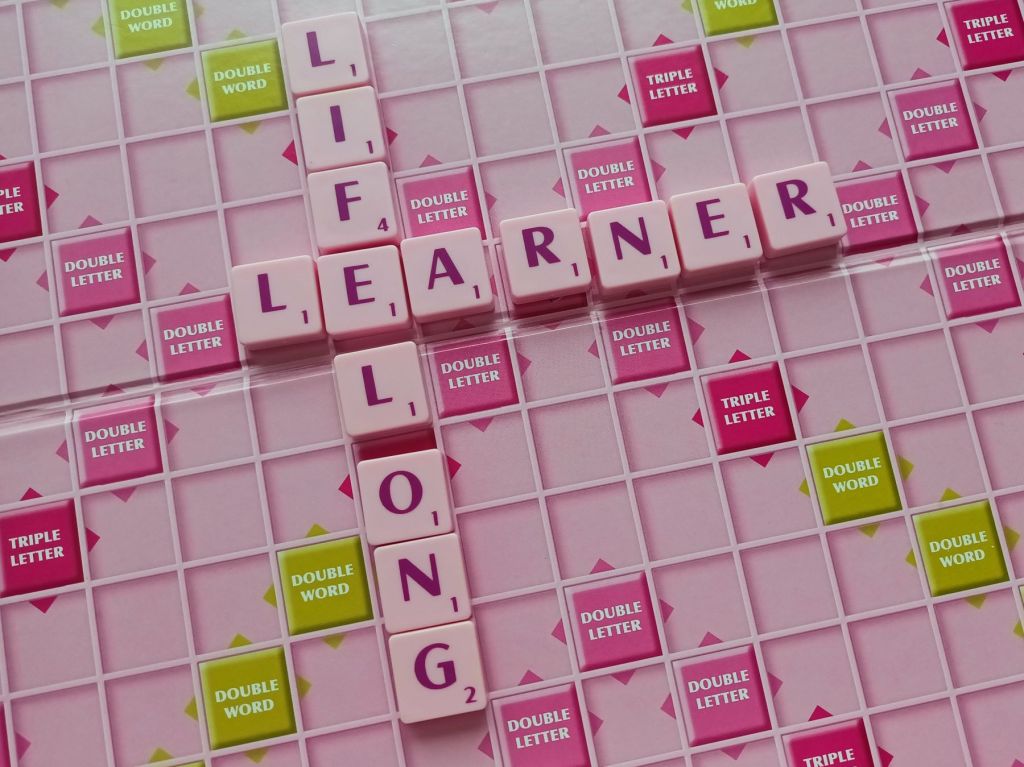
Today, I’m sharing the second and final part of my mini-series on lifelong learning. In Part 1, I considered the character traits of lifelong learners and discussed the benefits of being a lifelong learner. In Part 2, I’m going to be identifying different habits to adopt for continual learning and also sharing a range of ways to be a lifelong learner. I hope you find both of my posts useful and they help you think about the value of continued learning, your preferred learning styles, plus little tweaks you could make to your daily life and schedule so that learning is both a priority and a joy.

Photo credit: Laura Jones for Keeping It Creative

1. Consider your learning styles

We all have preferred methods of learning and, as adults we can develop our understanding of the different styles, decide which of them work best for us personally, and then use our knowledge to tailor our learning experiences appropriately. Here are some of the most common types of learner:

  • auditory – learns by listening e.g. through music, lectures, podcasts, and talks
  • visual – prefers to use visual aids such as pictures, photographs, videos, charts and diagrams, they may also draw their own illustrations to help them remember key information
  • kinesthetic – learns by doing and often described as ‘hands on’ learners, likes to use different senses to take in the information
  • reading / writing – learns through seeking out written information in books and magazine articles, prefers to write things down in words rather than using pictures or graphs, also likes to underline key points, colour code information or write notes in the margin when given a handout
  • logical / analytical – learns by processing data and solving problems, often looks for patterns to connect different aspects of the information in order to make sense of what is being presented
  • naturalistic – learns through investigating the natural environment, particularly enjoys outdoor and environmental learning opportunities. Enjoys carrying out field studies, watching wildlife documentaries, keeping nature journals with own sketches, photographs, observations etc. and finding out more about different environmental issues such as climate change
  • interpersonal – this type of learner functions best when they engage in group activities like quizzing one another, becoming involved in discussions or brainstorms and forming study groups
  • intrapersonal – this type of learner prefers a solitary learning style and finds self study particularly effective

You may find that from the list above, you prefer several of the different learning styles and this can help you to explore particular approaches to learning. However, it’s also important to recognise that some types of learning are more pertinent to particular topics of study or aspects of learning than others. For example, if you want to learn how to play a musical instrument, auditory, visual and kinesthetic (hands on) activities may be more helpful than reading or writing about the skills involved.

2. Identify your passions and interests

As an adult, you have lots of choice in terms of what you’d like to learn about and the skills you’d like to develop. You’re also free to explore and follow your passions and interests in any way you choose or even decide that you’re not as interested in something as you thought you were! Here’s some ideas for identifying specific passions and interests:

  • reflect on your past experiences and activities you’ve particularly enjoyed – does anything stand out in your memory that you’d like to become involved in or try again?
  • think about your particular set of skills and abilities – are there any particular ways in which you’d like to put them to good use?
  • consider your core values – this will help you establish what matters to you in life and then you can create learning experiences which reflect this. There are lots of resources online with lists of core personal values but you might find this article particularly helpful as it adds a little detail to each item on the list
  • consider favourite topics of conversation with friends and family members or what you like to teach others about
  • try out new things and discover what sparks your curiosity and interest
  • write a list of things you’d like to get better at e.g. cooking, gardening, playing guitar, drawing, singing, applying make up – give yourself plenty of time to see what comes up!

3. Read every single day

Developing a habit of reading each and every day is a great way of learning new things. To make it stick, try habit stacking by pairing it with an existing habit of yours. So, for example, part of my morning routine is breakfast, filling in my journal and reading a book or article of my choice for 5, 10 or 20 minutes depending on the time I have available. I also always read a novel on my Kindle each night as soon as I get into bed.

Any form of reading is an opportunity to learn, but varying your reading material is the best way to gain new knowledge and different perspectives. In a month, you might read several novels (choosing different genre such as crime thriller, romance, historical fiction and fantasy), a collection of love poetry, an article in a magazine which is full of self care ideas, a few blog posts on topics that interest you such as a particular creative pursuit or easy vegetables to grow in your garden, the definition of a previously unfamiliar word in a dictionary, a newspaper article about an environmental issue and a few chapters from a non-fiction book about creating a well-organised home.

4. Set realistic and meaningful goals

A great way of setting learning goals and pursuing them is to use the SMART framework. Taking time to identify the specifics and draw up small and achievable steps is crucial if you want to make meaningful progress and enjoy the outcomes of your learning.

5. Manage your time effectively

If you want to make learning a priority, you need to dedicate time to it on a regular basis and ensure it becomes a key part of your routine. Good time management is such an important skill to develop (and might be something you want to learn about first before pursuing your passions and interests). Key ways to manage your time well so you can create opportunities for learning include:

  • keeping yourself organised – make sure your calendar is up-to-date so you know your commitments and when you might be able to carve out some time for learning
  • maintain a tidy environment where everything has its place – so you don’t spend precious minutes or hours looking for things you need but can’t find
  • prioritising – making decisions about the best use of your time today, deciding what’s important for you in your life right now and making those things a priority (don’t forget to add time for breaks too)
  • scheduling – try ‘time blocking’ by first adding in regular tasks and activities such as eating meals, sleeping, going to work etc. and then fitting in other priorities around these
  • avoiding time and energy drainers such as scrolling social media, excessively checking your email, phone notifications (especially sounds and pop ups which draw your attention straight away), negativity whether that’s from people, watching the news or doomscrolling
  • set short term goals for learning that help you take steps towards your long term goals and regularly evaluate your progress to check you’re heading in the right direction

If you want to know more about making time for your current priorities and developing time management skills, I highly recommend ‘Make Time: How to focus on what matters every day’ by Jake Knapp and John Zeratsky.

6. Make use of free online resources

Follow a small number of podcasts, blogs and vlogs on a topic of your choice, hosted by people you find interesting to hear from and schedule some time each week to check in with them and explore new content or older uploads that you might have missed. Also look for online tutorials for beginners (there’s loads to choose from on YouTube or within blogs) or introductory courses so you can give things a go before committing to them financially. Alternatively, to develop your knowledge of a subject in general, you might like to join a group (for example on Facebook) where you can follow interesting topics of conversation, start a thread to discover different opinions or ask a question of someone with a higher level of expertise in the field.

7. Don’t forget to rest

Although making time for learning is important if you want to explore your passions and interests, equally valuable is taking regular breaks for rest and relaxation. This might mean meditating, listening to a favourite album or piece of music, spending time in nature or engaging in creative activities such as drawing, painting or papercrafting. Ensuring you get adequate, quality sleep is also essential for good cognition so be sure to make this a priority too.

Final words…

I hope today’s blog post has given you a few new ideas on how to be a lifelong learner. Ultimately, you are looking to cultivate a growth mind set where you are always looking for opportunities to learn, aren’t frightened to try new and challenging things, seek out new perspectives as a way to see the world in a different way, view mistakes, failures and setbacks as learning opportunities, find value in constructive criticism and believe that, with effort, you are more than capable of developing both your knowledge and abilities in order to reach your full potential.

I wish you well on your various learning journeys and remember every day is a new opportunity to be who you want to be,

Posted in goal setting, journalling, life hacks, lifestyle, meditation, Mindfulness, mindset, self care, Setting goals and intentions, wellbeing, wellness

Monday Matters: Discovering joy in every season of the year using The Happiness Year by Tara Ward

A few months ago, I was looking in the health and wellbeing section at Waterstones and came upon a beautifully illustrated book about finding joy throughout the year by trying out different seasonal activities. At the time, I didn’t purchase it, but I regretted my decision so I ordered it from an online retailer. When it arrived, I added it to the bookcase in my craft room as I was already in the process of reading about 8 different books which is a few too many even by my standards. I pulled it out a few days ago and there are some lovely activities inside in the section which I started with – Spring. I tried out the first exercise this morning and really enjoyed it so I thought I would give a short summary of the book and share that first prompt with you today.

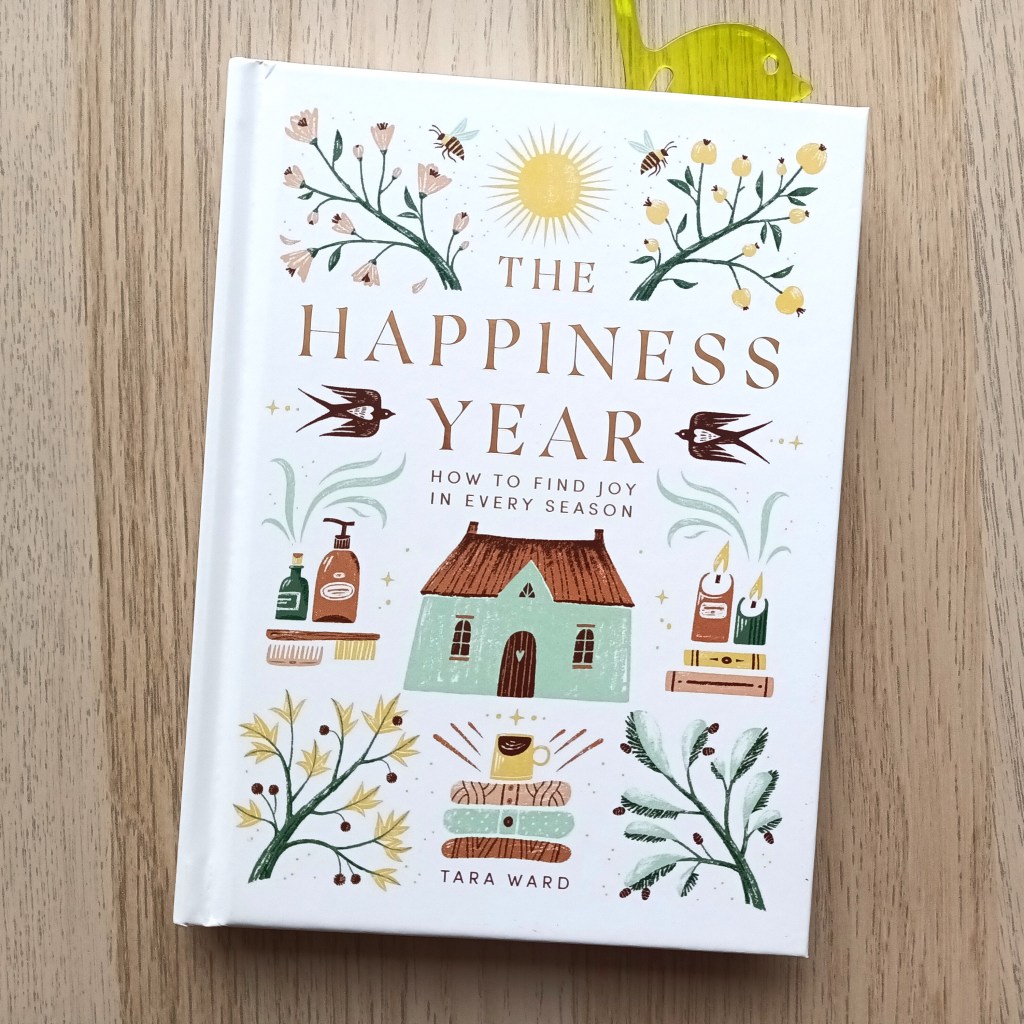
The Happiness Year: How to Find Joy In Every Season by Tara Ward

In the introductory section of the book, Tara discusses the aims of The Happiness Year and also talks about the emotion of happiness and the four positive chemicals that are released into your body when you’re happy – dopamine, oxytocin, serotonin and endorphins (referred to as DOSE throughout the book). She then goes on to explain how to use and enjoy the book.

The remainder of the book is split into four sections – Spring, Summer, Autumn and Winter and there are a collection of exercises provided in each which you can pick and choose from. In combination, they promise to help you in an holistic way – physically, mentally, emotionally and spiritually. Personally, I think I will probably try out all of the different activities and see which I prefer and benefit from the most.

Included within the book, there are journalling and brainstorming activities, meditations, physical exercises, goal setting and planning tasks, plus many more to explore and enjoy. You are also invited to complete them in a way that feels comfortable for you, taking into account individual differences and preferences.

So far, I’ve only read the Spring chapter in depth but I’ve had a good flick through all of the book and I can already see there are many exercises that will appeal.

Exploring your thoughts, feelings and ideas about Spring

As I said earlier, I completed the first activity this morning and I enjoyed it so much that I felt compelled to share it with you. I think this exercise would work well for each of the four seasons, not just Spring. Here’s a step by step explanation of what to do:

  • Take an A4 piece of paper and place it in front of you
  • Write the word SPRING in large letters at the bottom of the page
  • Close your eyes and take three deep, comfortable breaths to focus you in the present moment
  • Open your eyes and look at the word
  • What comes to mind when you think of Spring?
  • Write down everything which comes up for you
  • When you’ve run out of ideas, close your eyes again, breathe deeply and continue thinking about the season
  • Note down any further ideas or images which come to mind
  • When you feel you’ve finished, look over your sheet
  • What jumps out at you the most? Circle any words or phrases which particularly resonate or feel important to you. Are then any surprises?
  • What is the overriding emotion when you look at your words? Write that emotion or emotions at the top of the page.
  • Look through the words and make a list of those which generate feelings of happiness.

I hope you found this a helpful exercise and it reminded you about all of the lovely things which happen in the Springtime. I’ve included my sheet below, how does it compare to yours?

Photo credit: Laura Jones for Keeping It Creative

Final words…

If you enjoy mindful activities such as journalling, setting intentions, exploring the world using your five senses, breathwork, meditation and appreciating the simple things in life, I would definitely recommend checking out The Happiness Year. The book will help you find ways to appreciate and make the most of all of the things that each season has to offer you. You’ll also find a range of self care activities to increase your happiness levels by releasing a good ‘DOSE’ of positive chemicals. Let me know if you try the exercise outlined above and how it made you feel.

Posted in education, learning, personal development, professional development, Setting goals and intentions

Monday Matters: 7 key benefits of being a lifelong learner (Part 1 of 2)

I left formal education a long time ago now, but I still enjoy learning new things and thrive on deepening my knowledge of subjects which interest me. In today’s post, I plan to discuss some of the many reasons why being a lifelong learner is good for you. Then, in a second blog post, I’ll consider different ways in which you can become a lifelong learner or continue your learning journey long after you finish your formal schooling.

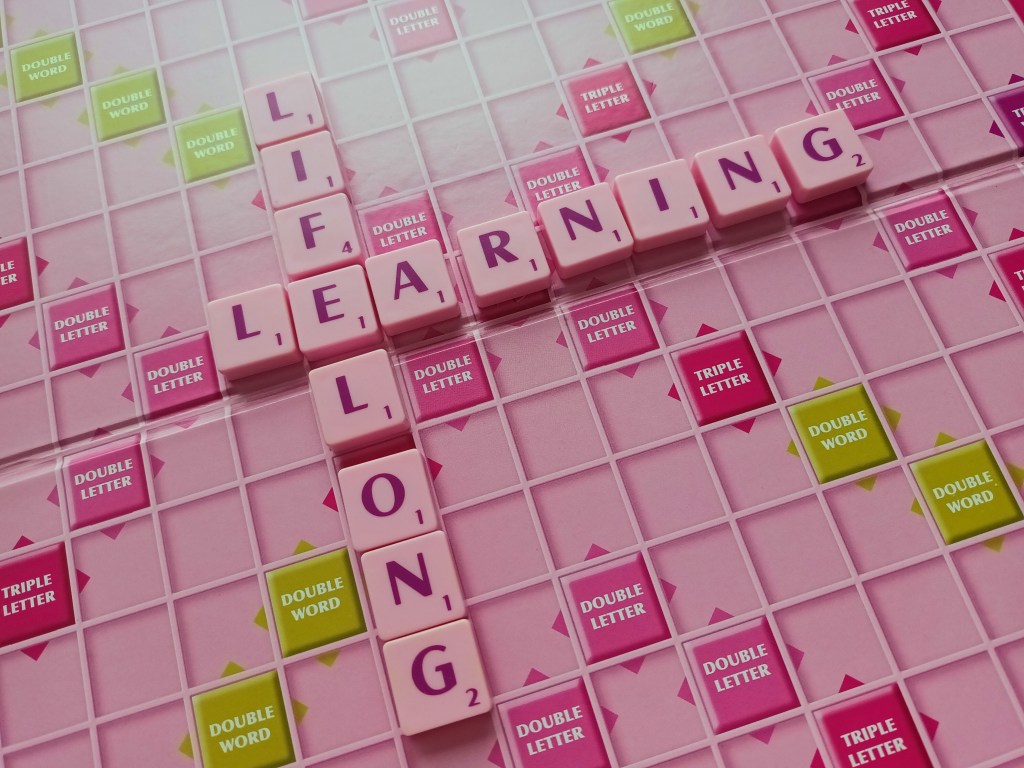
Photo credit: Laura Jones for Keeping It Creative

What is a lifelong learner?

A lifelong learner is an individual who continues to seek out opportunities to expand their knowledge and skills beyond their formal education and throughout life. The learning may be formal such as taking a CPD (Continued Professional Development) course for work, attending an accredited night class which follows a set curriculum e.g. photography for beginners, or working towards a further or higher education qualification in person or via an online platform. On the other hand, it could involve informal learning such as reading a book on a topic you are interested in, watching online videos to improve your DIY skills or chatting with people in a Facebook group focused on a particular hobby or interest e.g. bullet journalling or Syrian hamsters.

The character traits of a person who is a lifelong learner include:

  • showing a curious mind
  • having a thirst for knowledge
  • always seeking new opportunities to grow
  • being an avid reader
  • a tendency to be open-minded about things
  • having the motivation for self study and continued personal development
  • believing it’s never too late to learn something new (you can teach an old dog new tricks!)
  • being a goal setter / goal getter
  • saying yes to new opportunities and things which push them out of their comfort zone
  • recognising that change is an inevitable part of life and often leads to opportunities for personal and professional growth
  • developing daily habits that encourage them to learn such as setting goals each month and writing a plan of action, dedicating twenty minutes each morning to reading a book on a particular topic of interest or scheduling half an hour each evening to learn macrame.

What are some of the benefits of being a lifelong learner?

Being a lifelong learner can bring so many benefits to both your personal and professional life. In fact, research shows that overall, individuals who continually seek out new learning opportunities lead a happier and more fulfilled life so after you’ve read today’s blog post, make sure you look out for part 2 which considers different ways in which you can improve and expand your knowledge and skills.

Seven main advantages of being a lifelong learner:

Sharpens your mind – learning new things stimulates the brain and enhances our cognitive abilities. The benefits of this include improved memory retention, enhanced problem solving skills, longer attention span, better reasoning skills and more effective communication skills. Continued learning also reduces the risk of cognitive decline and age related cognitive disorders such as dementia.

Gives you better job prospects or career opportunities – keeping up-to-date in matters relating to your field and developing useful employment skills (such as communication, teamwork, time management, active listening etc) can increase employability, work efficiency and likelihood of promotion. Also, knowing your stuff can make you feel much more confident in job interviews or one-to-one meetings with your boss.

Can help you stay connected – lifelong learning offers many opportunities to connect with others. For example, you might join an art or craft class where you get to meet and chat to other creatives, become a member of an online community which enables sharing of ideas, experiences and knowledge on a particular topic, or attend a CPD event with others who work in the same professional field. Engaging in social learning can also be a wonderful way to get out there and find your tribe, in other words, people who share commonalities or possess traits you aspire to adopt.

Boosts your confidence and self-esteem – Learning a new skill, refining your existing ones or developing your knowledge in a particular subject area is guaranteed to make you feel good. In fact, research from The New Economic Foundation (NEF) concluded that there are five ways to wellbeing and that one of these, which can give you a sense of achievement and new confidence, is to keep learning.

Better management of physical and mental health conditions – If you visit a health professional and receive a diagnosis of a particular health condition, finding out more about it can really help to improve your understanding and self management. Keeping up-to-date with the latest research, for example, through reading health and wellbeing articles in magazines can also prove to be particularly useful too.

Helps you to keep up with a constantly changing world – Our world is constantly evolving and changing and sometimes it can be difficult to keep up. Being a lifelong learner is essential for keeping yourself informed and making sure you have a relevant skills for both your personal and professional life.

You can share your knowledge and skills with others – Sharing your expertise with others can be incredibly rewarding and also helps you to consolidate your learning. There are so many ways to do this in either a professional or personal capacity including teaching, mentoring, coaching, workshops and training sessions, starting or joining an online or in person group, creating a blog, vlog or podcast, volunteering, writing a book, talking to friends or family about your interests and answering any questions your children ask (or using your research skills to help them find out if you don’t know!). Also, don’t underestimate the power of children seeing you learning and reaping the benefits of your new knowledge and developing skills.

Final words…

The most common reason why people read or follow blogs is to learn something new, so the likelihood is, if you are reading this, you are already a lifelong learner. However, I think it’s important to think about the benefits of continued learning and explore the different options for furthering our knowledge and skills so we make time in our busy days for such activities.

I hope you’ve enjoyed reading this week’s post and don’t forget to look out for Part 2 where I consider different ways of being a lifelong learner.

Posted in Bullet journaling, goal setting, life hacks, lifestyle, Planning and journaling, Setting goals and intentions, wellbeing

Monday Matters: A guide to creating your own seasonal bucket list for Spring 2024

For Autumn 2023 and Winter 23/24, I have thoroughly enjoyed and benefitted from creating my own personalised bucket lists and adding my seasonal ideas to a two page spread in my bullet journal for inspiration and reference. For each of the seasons, I also handmade and stitched a pretty TN wide size notebook to go in my TN journal where I added photographs, text, a variety of stickers, ephemera and tip ins to record my achievements over the months. I’ve found the bucket lists a great way to plan in some interesting and exciting activities, set some goals and ensure my husband and I make the most of each season of the year. So, today, I’m sharing my bucket list for Spring 2024, in the hope that you will be inspired to create your own and live your life to the full.

What is a bucket list?

A bucket list is a number of items that a person would like to achieve, experience or bring into fruition over a given time frame. This could be over a lifetime, a year, or, as with mine, during a specific season. There are many benefits of creating and working towards things on your bucket list including:

  • Helping you to reflect on what is important to you as an individual and what you really want from life
  • Offers you a number of things to look forward to over the chosen time frame, increases your excitement levels
  • Providing you with a visual reminder and the focus and motivation you need to move towards your goals
  • Creating a sense of accomplishment
  • Pushes you out of your comfort zone which is really good for your personal growth

You can create one which is just for you, or you could make plans with your partner, a close friend or even sit down as a family to come up with some ideas together.

My Spring 2024 Bucket List

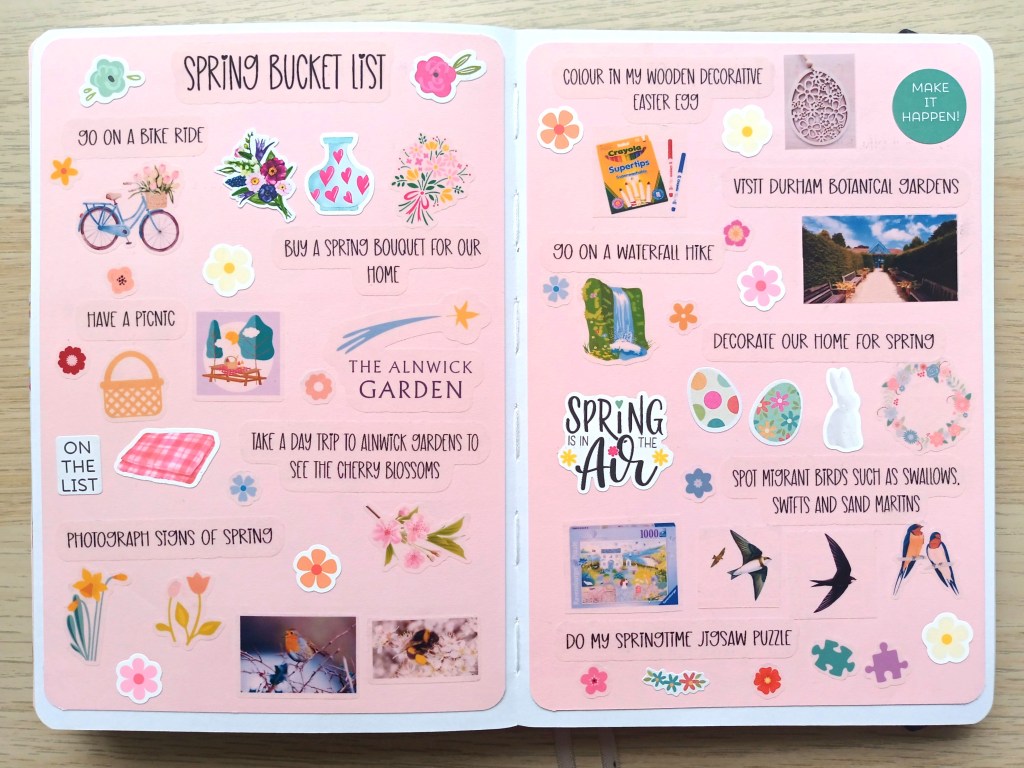
Here’s my bucket list for this season in my bullet journal. The words and images were all made into stickers using Cricut Design Space and I’m really pleased with how it turned out. I’ve included a little ceramic bunny I purchased, the wooden egg which I got in the Hobbycraft sale last year and the jigsaw I picked out which I can’t wait to get started with. I’m yet to make the handstitched notebook but I have lots of floral papers which will be suitable for the cover.

Photo credit: Laura Jones for Keeping It Creative

So, how do I get started with my Spring seasonal bucket list?

There’s plenty of seasonal bucket list inspiration online but I like to spend some time in quiet contemplation first. That way, what I add to my list is all about what I want rather than what others believe would make a good Springtime.

Consider your core values and what really matters – Spend some time thinking about what is most important to you in your life or what you wish to focus on more. You might want more fun and adventure, better balance between work, rest and play, opportunities to develop your creativity, new experiences or the chance to learn a new skill. You might want to experiment more in the kitchen, spend lots of time in nature or plan some different day trips to places in your local area. Living in alignment with your personal values is key to improved psychological wellbeing which includes your general happiness levels and outlook.

Think about the particular season you are making plans for – consider the weather associated with Springtime and any particular holidays or events which take place during the season. So, for example, in Spring, the temperature is starting to rise during the day but the evenings are still pretty cool. In Britain, the weather can be calm and dry, but, showers are also pretty common and it can often be a bit breezy. Buds and blossom begin to appear and early blooms such as snowdrops, crocuses, iris and daffodils begin to pop up in the flower beds. Spring is also the time for observing and listening to wildlife too. Bumblebees and butterflies start to make an appearance and hibernating animals such as bats and hedgehogs can be seen from dusk into the night. You might find frogspawn in ponds and watch tiny froglets appear in a matter of weeks. Birds are noisier and livelier as they pair off and start to nest and spring visitors such as swifts, swallows and house martins begin to arrive.

Mother’s Day and Easter both fall in the Springtime and there are, of course, a few Bank Holidays to look forward to. And if you want to find out about events specific to your town or city this website is a great source of information.

Write down every idea that comes to mind – Make a list of potential ideas, big and small, inexpensive and more costly, time consuming and quick. This could include a visit to Pinterest and other sites to look at bucket list ideas and inspirational images.

Refine your list – Having written a long list, it’s time to decide which items are the best fit for your values and priorities. Try to choose some activities which you enjoy each year and are somewhat traditional, but also make sure you include some which are completely new and will push you out of your comfort zone.

Choose a place to store your list – Having a finalised record of your bucket list is important if you want your aspirations to become a reality. Depending on your personal preferences, you might choose to put your list in your planner or journal or have a digital document in Notion of Microsoft Word. There’s even a website and online community dedicated to bucket lists! And, if you relish every opportunity to get creative, like I do, you can make a physical copy of your list with fancy lettering, motivational phrases, sketches, stickers and inspirational images. You might even find you’re excited to share it with your friends and family too.

Remember things can change – Your finished bucket list is a set of items that you hope to experience this Spring but, it’s not a list of commitments or things that you must do or achieve over the time period. You may find that priorities or circumstances change and that some of the items become less important or need to be put on hold for another year. You might also learn of some new opportunities as the season progresses which you want to add to your list or replace an item with.

Previous Bucket Lists

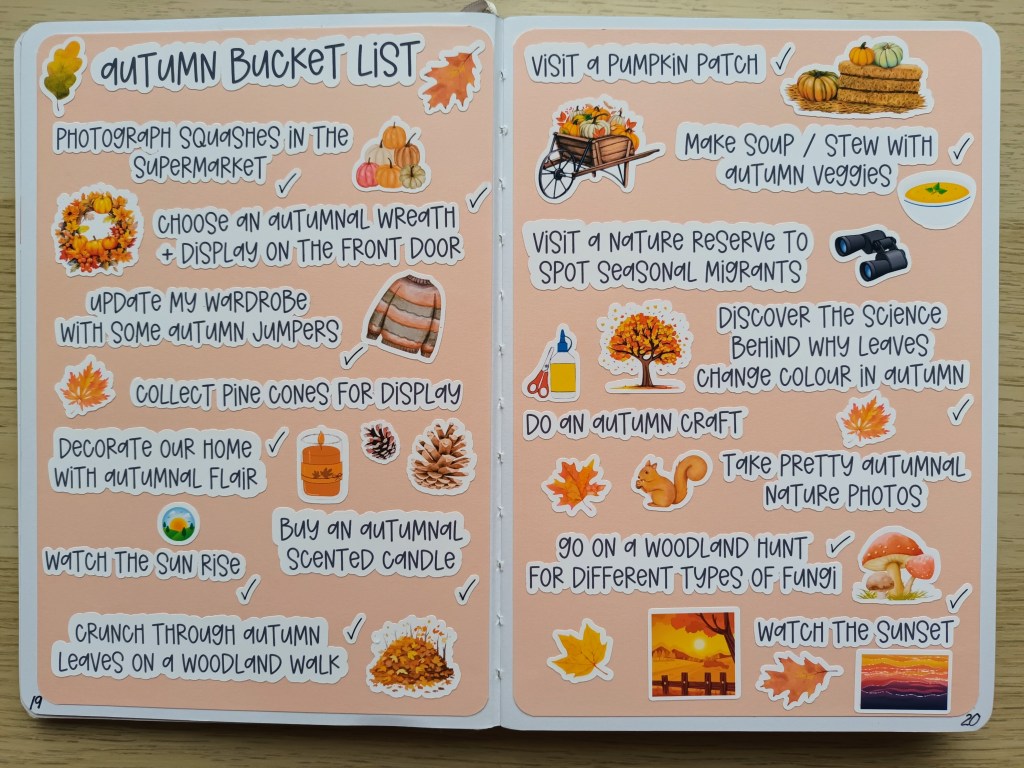
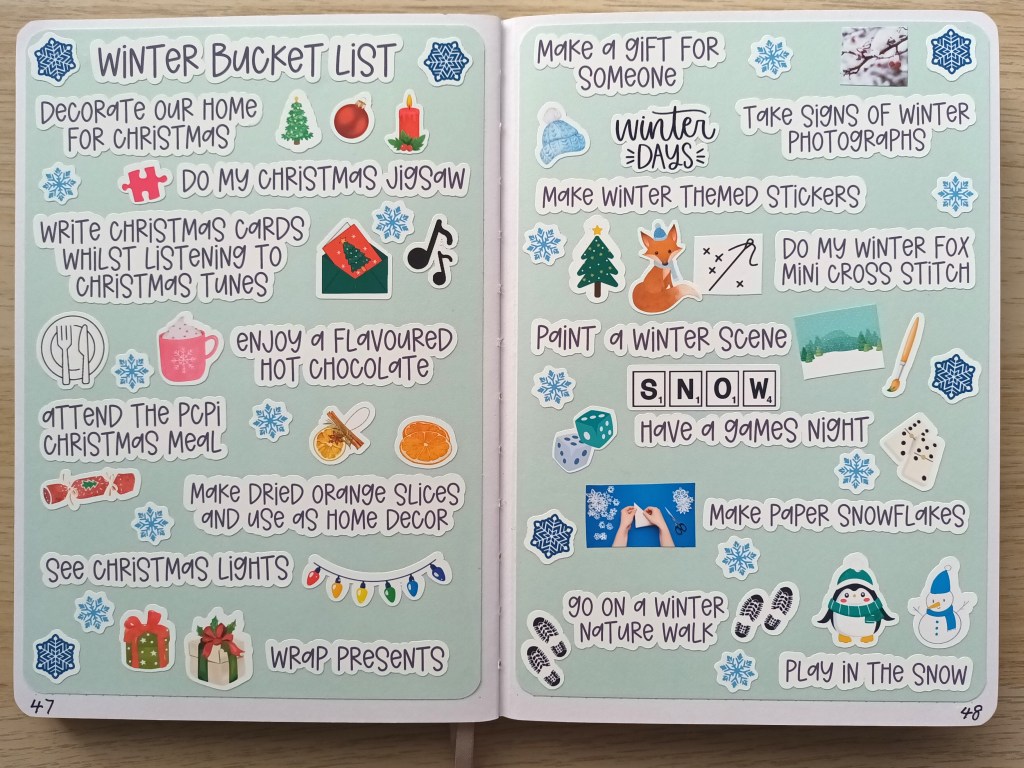
I think I’ve previously shared my Autumn and Winter bucket lists but thought readers might like to see them again for examples of the kinds of thing you could add and how you might decorate a spread in your notebook or bullet journal.

I achieved everything on my Autumn one but didn’t get to play in the snow over the Winter time as it was mostly wet and often quite mild. I still included all of the items in my Traveler’s Notebook journal. but I wrote a few lines about the weather and the impact it had on the season.

Photo credit: Laura Jones for Keeping It Creative

Final words…

Creating a bucket list for the season is a wonderful way to plan in some interesting, fun and different activities for the coming months. I also enjoyed making stickers to go with the items on my list but if you prefer, you could have a go at drawing and colouring in some little pictures instead.

Let me know a couple of items that you want to add to your list for Spring 2024. I’m looking forward to hearing your ideas and hope you thoroughly enjoy creating some new memories.

Posted in life hacks, lifestyle, productivity, self care, Setting goals and intentions

Monday Matters: 7 benefits of a clutter free and well-organised home environment plus some tips for getting started with decluttering

Photo from a selection on Canva Pro

One of my current goals, which has been ongoing for quite a while now, is to declutter, tidy and organise my craft room / office, in a way which makes it a pleasant and distraction free environment and consequently a productive place to work and get creative. It’s an enormous job because a) I have soooo much stuff and b) it’s packed into what, in house buying terms, would be described as the box room / box bedroom. I did get started with the process, but then, I found other easier and more preferable projects and activities to do, and now, even the thought of ‘it’ is overwhelming and enough to put me off.

My knowledge and experience of tackling large projects tells me that taking it one tiny step at a time and making a list of tasks to work from (and tick off) would be helpful but I’m sure any of you who have ‘lots of stuff’ can relate and sympathise with me when I explain that pretty much anything and everything else is getting prioritised instead. To give myself the idiomatic ‘kick up the backside’, the idea of writing this blog post was born, to hopefully be a good reminder of the main benefits of a clutter-free and organised space even though I’m pretty sure you can guess a few of them. This might also help with the absorbing of information and fingers crossed with taking action. Clutter-free, super-organised readers can read and then polish their halos plus maybe leave a tip or two in the comments to help me and others. If today’s post has motivated you or helped you feel less alone in having a less than immaculate home environment I would love it if you dropped a comment below to generally make me and others feel better.

Without further ado, here are, what I consider to be the main benefits of a clutter free and well-organised space whether it’s your whole home, a room within your house or just a small area, such as your pantry or the junk drawer. I hope you find the following useful and that, fingers crossed, it gives you the incentive to take that first baby step and then keep going.

Reduced stress and anxiety

Being in an environment full of clutter causes sensory overload, heightened stress levels and feelings of shame and embarrassment (especially if you have visitors). The opposite is true of a clutter free and well-organised home. You’ll find yourself calmer, more relaxed and in control. You’ll likely feel a sense of pride when you look at your environment and what you’ve achieved and are able to maintain, and, you’ll also be much happier showing visitors in – even those who are unexpected! Plus you won’t be needing to apologise for the mess anymore or spend frantic hours trying to hide clutter in random, out of sight places.

Boosts productivity and creativity

A neat and tidy work environment means fewer distractions and plenty of space in which to work. This generally leads to better concentration levels, deeper focus and improved productivity. It also helps to free your mind of mental clutter and provides the space for innovative thoughts and letting your creative juices flow.

So much easier to find things

When you have fewer possessions and every item has a specific home, it makes it much easier to find something when you need it saving you a lot of time and energy. On the other hand, if you’re house is in disarray, it can become extremely frustrating and time consuming to locate the item you need. Often, when I’m struggling to find something, I get myself so worked up that I end up in tears. Aldo, searching places that the item might be reminds me of how much stuff I actually have (and creates feelings of guilt) and brings to mind how, in the past, I’ve bought things to try to make myself feel better when I’ve been depressed.

Rids your home of allergens

As someone who is asthmatic and has a dust allergy, this one is a huge plus for me. Keeping a tidy and uncluttered home makes it much quicker and easier to clean and remove dust, moulds and mildew. Plus, less stuff in general helps with airflow and ventilation. This is good news for anyone with respiratory conditions or other allergies which many people have.

Improved sleep

A neat, tidy and clutter free bedroom creates a sanctuary in which to seek comfort and relaxation ready for a restful night’s sleep. It also provides a peaceful and calming space in which to enjoy a slow start to your morning routine, rather than being immediately overwhelmed by stuff as soon as you open your eyes.

More time for hobbies and socialising with family and friends

A clutter-free and organised home environment is so much quicker and easier to clean and keep tidy. Less time on household chores leaves you with more time to engage in your favourite hobbies and more opportunites to socialise with family and friends. It also means that you can happily invite people round to enjoy your home with you.

Better relationships with those you share your home with

When researching today’s blog post, I came across a range of articles and studies which discussed how mess and clutter can affect relationships and even completely destroy them. This can be due to the clutterer struggling with psychological issues as a result of their stuff, leading to feelings such as stress, anxiety, overwhelm, shame, depression and low self worth. Or, the clutter can cause conflict between individuals living in the home creating feelings of anger, resentment and frustration as well as being a source of arguments and ill feeling.

On the other hand, a tidy and clutter free home environment creates a harmonious and happy house, where all occupants can relax and feel comfortable. A well-organised home also reflects personal qualities such as a sense of control, high self worth, confidence, purposefulness, self love, resourcefulness and resilience, which, together with teamwork and authentic conversation with regard to belongings can result in a much more amicable and loving relationship with your partner or housemates.

Tips for getting started with decluttering

  1. Make a commitment – before you start, you need to be prepared to put in the required time and energy for decluttering. Creating a clutter free and organised home doesn’t happen overnight, it takes a huge commitment which is why it’s good to consider the benefits discussed above. Tidying and decluttering needs to be a priority in your life and something you put your heart and soul into. The tip below should really help to get clear in your mind about what the benefits are for you personally.
  2. Think about and visualise your overall goal – imagine what your tidy home would look like and how it would feel to be there. Visualise yourself walking through your house when you’ve met your goal. Consider exactly how you would spend your time at home. Sketch or write about the improvements you’ve made and ask yourself why it feel the way it now does – a key to manifesting a clutter free and organised home is to imagine you already have exactly what you desire.
  3. Start small – set tiny goals such as tackling one box, one drawer, one shelf, a single pile of papers. Work on one room at a time and make a note of places to work on which will really make a difference – so for example your desk space in your office or craft room, the main counter in your kitchen or the coffee table in your living room.
  4. Allocate an amount of time to the job – you might decide you have 5 or 10 minutes, an hour or a whole afternoon (starting small is good if you’re feeling overwhelmed) . Set a timer and turn on do not disturb mode on your phone.
  5. Take before and after photographs – want a visual reminder of how much progress you’ve made? Take a quick snap on your phone of what the area looked like before and what it looks like at the end of your allocated amount of time. Repeat before and after each decluttering and tidying session.
  6. Get support from an expert Once you’ve got started with the process and have seen some of the impact you can have, you might want to get help from a professional declutterer or a celebrity who has created a home you admire. So, for example Marie Kondo has developed the Spark Joy method for tidying where you work on categories of items in your home in the order suggested, whilst Stacey Solomon has her TV series ‘Sort Your Life Out’ plus her ‘Tap to Tidy’ book full of advice and tips. You don’t need to actually invite Kondo or Stacey Solomon to your home – just make use of their skillset.
  7. Enlist help from family or others in your social circle – if you find decluttering overwhelming, you might want to enlist the help of a family member or friend, even if they’re just there to help you gather things together, make decisions about where to store things or to offer moral support. And if they can’t be there physically, use them as an accountability partner asking them to regularly check in to see how you’re getting on and what progress has been made.
  8. Donate, sell or recycle what you can. This will help you reduce waste (and feel good about your impact on the environment), make a little extra cash or help someone in need (just because it doesn’t spark joy for you, doesn’t mean it won’t for others).
  9. Find a specific home for each and every item – the key to keeping your home neat and tidy is to have a specific storage location for every single item. That way, you’ll know exactly where to put it when you’ve finished with it or where to display the object in your home. Try to keep most things out of sight in drawers, cupboards and boxes as this will make it easy to clean surfaces.
  10. Don’t strive for perfection As you embark on your decluttering journey, be kind to yourself and celebrate small achievements and elements of progress along the way, rather than expecting everything to be perfect before moving on to the next task. Decluttering is a process and can take a lot of time (often much longer than you think), so little and often is the way to go. Also, slightly lowering your expectations can help you to feel like you’re getting there.

I hope you’ve found today’s blog post useful and have picked up a few tips as you’ve read. I’m sure you can see how beneficial a clutter free and well-organised home is for your mental and physical health and how it can make for a happier living space overall.

Additionally, I’m thinking about doing another piece at some point in the future that focuses specifically on decluttering and organising craft supplies, as this, for me, is the area that needs most work. Let me know in the comments if you would find this helpful too.

Happy decluttering, tidying and organising,