Posted in goal setting, Health and Nutrition, lifestyle, Planning and journaling, self care, wellbeing, wellness

Monday Matters: 5 main barriers to eating healthily and ideas to overcome them

As regular readers of my blog will know, I’m currently signed up to a weight management programme, where, for 12 weeks, I have free access to my local wellness centre including the gym and fitness classes and also receive tips on developing a more healthy lifestyle through exercise and diet. I was already quite active and have now upped my exercise levels significantly so that I’m burning more calories due to more steps and more active minutes each day. I’ve made some changes to what I eat but I need to continue to work on this so I thought that for today’s Monday Matters, I’d consider the barriers to eating healthily and ways in which they can be overcome.

Information overload

There’s so much information online, in magazines and in books about diets and ways to lose weight that it can seem really overwhelming and leave you feeling like you don’t know what to do for the best. There are a great number of ‘fad diets’ which promise super quick results in terms of weight loss with little scientific evidence to back up their claims. They’re also often very restrictive encouraging you to only eat at certain times or to dramatically cut down or cut out certain foods. Then there are adverts for diet pills and meal replacement drinks which make all sorts of claims about awesome results and feature images of slim, smiley, glowing women to go with the emotive and persuasive language used in the words.

Realistically, your goal should not be to lose weight at a rate of knots, but instead, should be about making gradual changes to your diet to make it balanced and more healthy. Here’s some ideas to help you:

  • Ignore ‘fad’ diets and read reliable information from reputable sources such as the government or the NHS (in the UK).
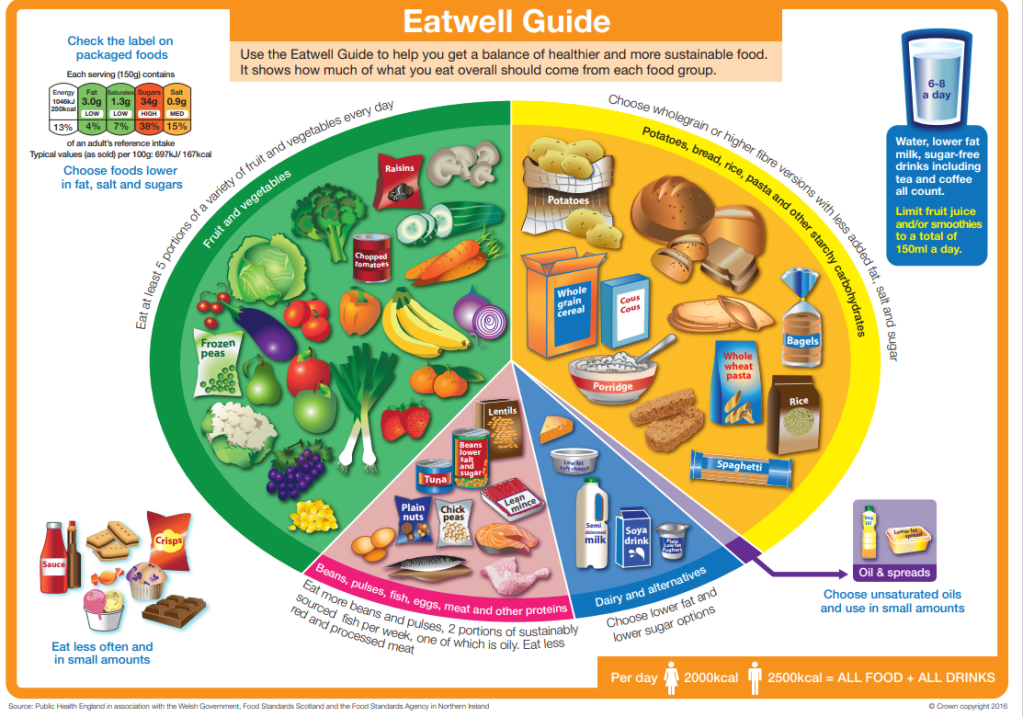
  • Check out a healthy eating plate like the one below to establish how much of each food group to should be eating.
  • Avoid listening to dietary advice from friends or family members, unless they’re a registered dietician or expert nutritionalist!
  • Remember that even diets which sound healthy, like vegetarian or vegan can still be highly calorific if certain choices are made e.g. eating lots of cheese and butter or consuming too much soya milk and other dairy alternatives.

There’s a wealth of accurate and reliable information provided by the (UK) government which includes a PDF version of the above and a comprehensive guide to eating well. Click here to go there now.

Lack of time

It takes time to develop a healthy lifestyle, including eating better and ensuring you have a balanced diet. Many people lead very busy lives and if improving your health isn’t currently one of your top priorities, you may feel that you haven’t got the time or energy to devote to making dietary changes.

The first thing I would suggest doing is spending about half an hour considering the different areas of your life and assessing which you’d like to focus on more. I use Hal Elrod’s Level 10 life sections to rate the different aspects of my life. The following aspects are given a score out of 10 (with 10 being near perfect and 1 being an area which requires lots of work):

  • Family and Friends
  • Personal growth and development
  • Spirituality
  • Finances
  • Career/business
  • Significant other/romance
  • Fun and recreation
  • Contribution/giving
  • Health/fitness
  • Physical environment (home/office)

If you figure you could make improvements in the area ‘health/fitness’ then it’s a good idea to identify some small changes you could make to your life to enable you to work on some related goals e.g. preparing a healthy packed lunch to take to work each day, cooking from scratch more often so you can enjoy the benefits of home cooked meals or creating a meal plan so that you can work on having a balanced diet with healthier snacks.

When most people say ‘I haven’t got time’, what they actually mean is that they don’t want to dedicate time to a particular venture, that they are actively making a choice to do something else or that the particular thing that they ‘haven’t got time for’ isn’t important enough to them or high enough up their agenda.

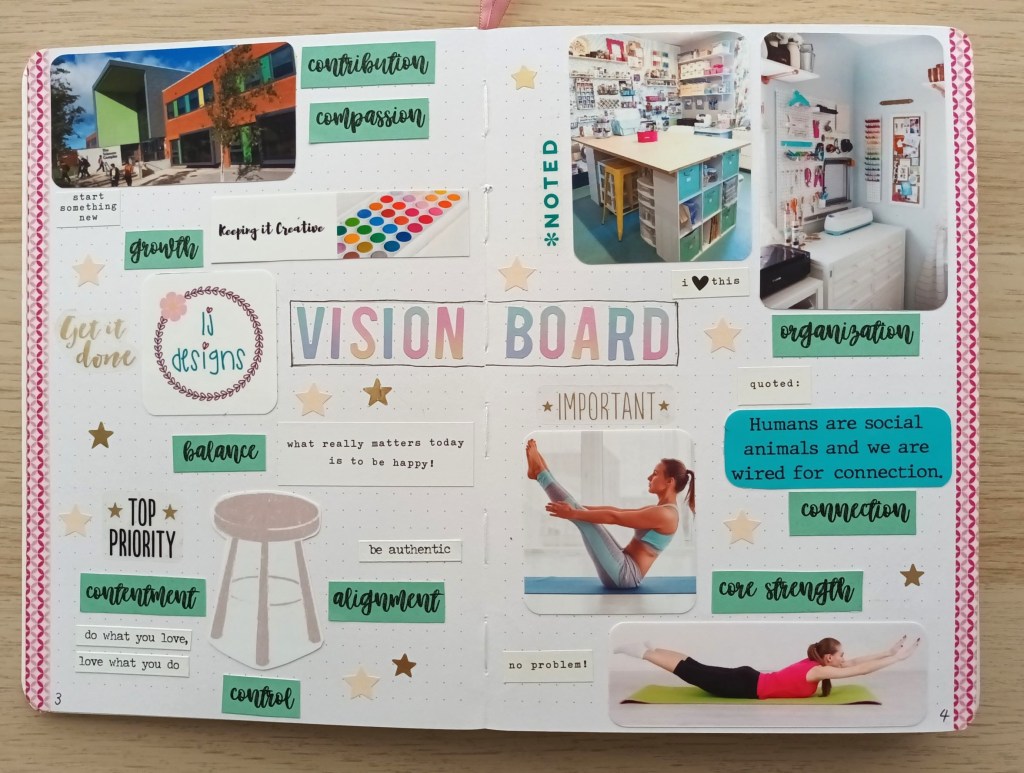
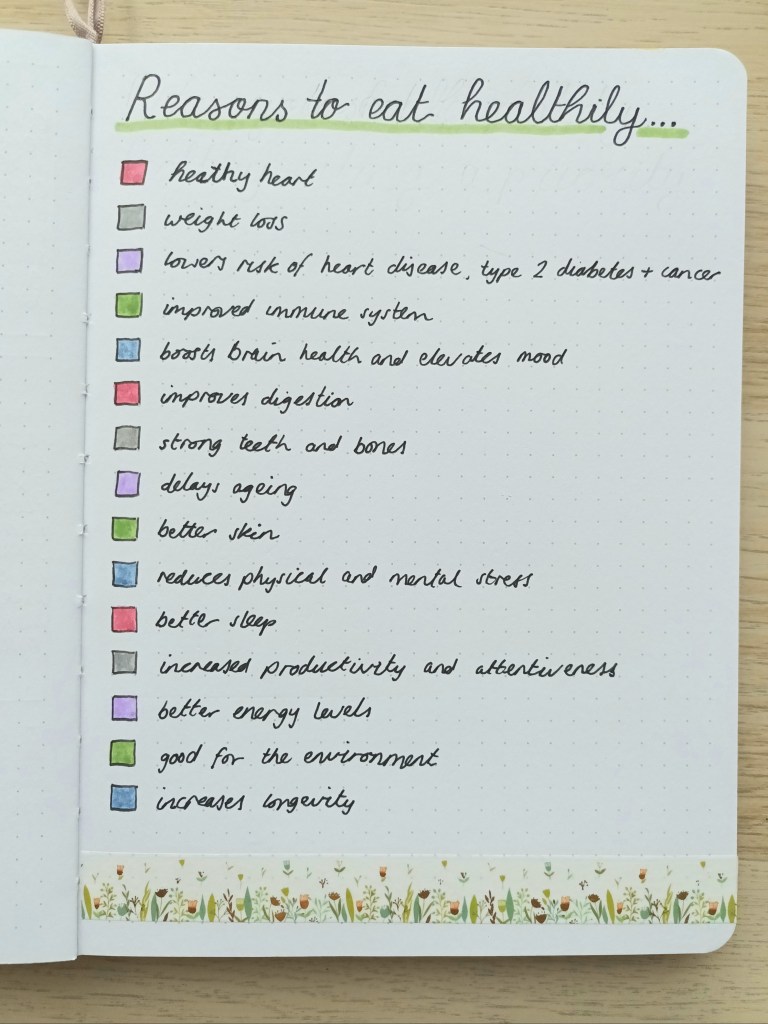
If you want to eat healthily but need help with motivating yourself to start changing your eating habits, you might want to do a little research on the benefits of a healthy diet and record your findings. I created a spread in my Bullet Journal as a great reminder of why healthy eating should be a priority.

A motivational page from my current bullet journal

A few time saving tips:

  • make twice the amount when cooking a favourite dish and save the rest to enjoy quick and easy leftovers later in the week
  • buy canned pulses so you don’t have to remember to soak them
  • have some pre-cooked packets of couscous, rice and grains to accompany your dishes
  • if you can afford it, buy pre-prepared veggies when you’re super busy
  • do a quick weekly meal plan over coffee on a Sunday morning and then make a list of groceries for the supermarket shop
  • have some frozen veggies in your freezer e.g. petit pois, spinach, green beans, mixed pre-chopped veg etc
  • batch cook and freeze soups and stews

Lack of confidence with cooking

Pre-prepared dishes or ‘ready meals’ as they are known, make it easy to enjoy a main meal but often these items are highly calorific and contain lots of sugar and salt. They’re also usually seriously lacking in vegetables which, as shown on the food plate above, should, along with fruit, make up a large portion of your daily food.

Home cooked meals might require a little more effort, but, you can find a range of simple, healthy recipes online or in cook books and if you specifically look for those which contain minimal or basic ingredients or label themselves as ‘one pot’ or ‘quick and easy’ then there’s no excuse to give it a go. You could also treat yourself to a few new tools and gadgets such as a set of cooks knives for speedy dicing of veggies, a food processor for chopping, mixing, grating and shredding, a blender for soups and smoothies or even a slow cooker for setting the dinner off at a simmer whilst you’re busy working so it’s ready to eat when you return home or get back to your kitchen.

My husband and I have found that each time we make a tasty and healthy dish we appreciate our efforts and the positive feelings it evokes prompt us to try more new recipes and boosts our confidence in the kitchen. We’re now more willing to try new ingredients and will give anything a go.

Feeling deprived

When you start working towards leading a more healthy lifestyle, you might give up some of the foods you like such as chocolate, crisps, salad dressings, sauces, ice cream and Friday night takeaways. Doing this may make you feel like you are being deprived of all of your favourites and can lead to lack of motivation to continue. Eating healthily doesn’t mean you have to stop eating everything you love. You just need to moderate the amount of sugary, fatty and highly calorific foods you have so that you eat then in small amounts and less often.

A popular way of achieving a healthy diet without feeling deprived is to apply the 80/20 mindset. This means that 80% of the time, you eat ‘clean’, choosing foods that are natural, whole and unprocessed e.g. fruit and vegetables, wholegrains such as wholemeal bread, brown rice, quinoa and wholemeal pasta, nuts and seeds, no-calorie beverages such as water, unsweetened tea. For the other 20% of the time, you can enjoy less-nutritious foods and treats. For example, on one day during the week, you might have an ice cream on a particularly hot afternoon or cake and coffee for a friend’s birthday etc. If you have several snacks a day over the period of a week, 11 or 12 of them would be healthy choices such as fruit, unflavoured nuts or low fat cheese on a wholewheat cracker, and 2 or 3 times you could enjoy a favourite treat such as a cookie or a small amount of chocolate.

Difficulty changing unhealthy or unhelpful eating habits and beliefs

Changing your eating habits to make them more healthy can be incredibly difficult, especially when many of them were established a long time ago, sometimes as far back as childhood. Some examples of unhelpful habits include:

  • eating whilst watching tv / YouTube videos etc (eating whilst performing other tasks)
  • piling your plate high with food at the buffet table (eyes bigger than your belly anyone?) because it all looks good / is free etc
  • eating a dessert even if you’re already full
  • emotional eating e.g. when bored, agitated, angry, stressed, upset etc. as a form of comfort
  • making your portion size the same as your partner who may have a much higher recommended daily calorie intake
  • believing that you have to eat everything on your plate, otherwise it’s wasteful
  • eating late at night, especially snacking just before bed
  • giving in to sugar cravings
  • believing you are hungry when really you’re actually thirsty
  • skipping breakfast
  • eating far too quickly

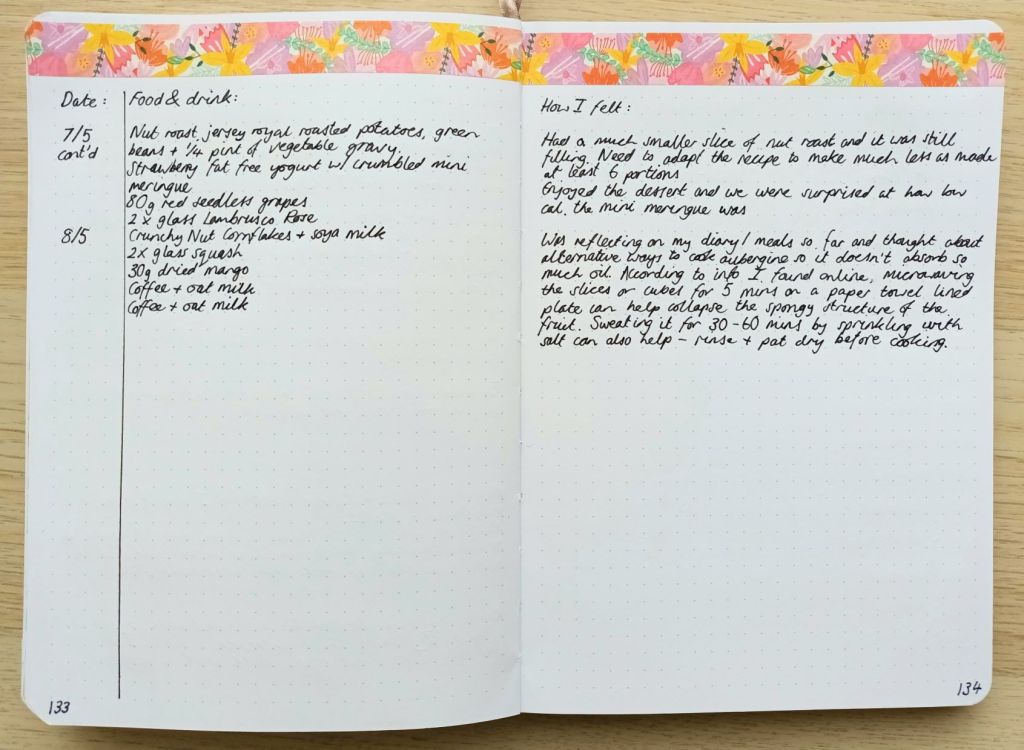
Even if you’ve had the same eating habits for years, it is possible to make improvements. I would suggest that the first step is to take time for some reflection. Consider what you good habits are e.g. always ensuring you get your 5 a day and your not so wonderful habits e.g. having a highly calorific dessert each evening after your main meal. If you’re not exactly sure what your habits are, try keeping a food diary, recording everything you eat and drink throughout one week. Also, think about what triggers your unhealthy eating such as a stressful day, a mid-afternoon energy slump etc.

Following your reflection and analysis, give yourself a congratulatory pat on the back for your healthy habits and then choose one of your bad habits to replace. So, for example, you might choose to focus on ‘eating too quickly’ and work on a plan to replace this with eating slowly and mindfully. Just as a bad habit does not evolve overnight, new and improved habits take time to develop too. But if you work on cementing one healthy habit at a time and continually reflect on how things are going, you can get there as long as a) you’re patient with yourself and take it one day at a time and b) you remember that there may be slip ups along the way and this does not mean that you’ve failed and should give up.

Tackling negative core beliefs about food and eating e.g. once I start eating, I can’t stop, I need to eat to make myself feel better, food is just fuel etc. can be extremely difficult. In this case, it is usually best to seek the help and advice of a trained professional such a dietician or a CBT therapist. These can be accessed via your GP.

Final words…

I hope you have enjoyed reading today’s blog post and it has helped to explain some of the main barriers to eating healthily. If you are planning on making changes to your diet, it’s best to make small changes rather than doing anything drastic. It might also be a good idea to do a little journalling and reflection on the process, for example, recording any improvements you notice such as clearer skin, better sleep and feeling more attentive when working etc. You could also reward your progress by giving yourself little treats (non-foodie ones preferably!) such as a bath bomb, a gorgeously scented hand cream, new stationery or a potted plant for your room.

Posted in bullet journal, Bullet journaling, creativity, fitness, goal setting, Planning and journaling, Setting goals and intentions

Setting up my Bullet Journal for April: Honey Bee Theme

Hi all, I hope you’re doing really well and enjoying the Springtime with its (slightly) warmer weather, bright and cheerful daffodil displays on verges and in gardens, morning bird song and emerging butterflies and bees appreciating the sight of the first flowers. In today’s post, I’ll be sharing my bullet journal pages for April in which I had great fun creating bright and colourful bee themed spreads. I’ve seen quite a few insects over the last few weeks including ladybirds, butterflies and bees and I love to watch them exploring our garden so this is where my inspiration came from for the upcoming month. I’m really pleased with how the pages turned out and I hope you enjoy looking at them too. I’ve provided minimal explanation but if you have any questions, I would be more than happy to answer them.

Cover page

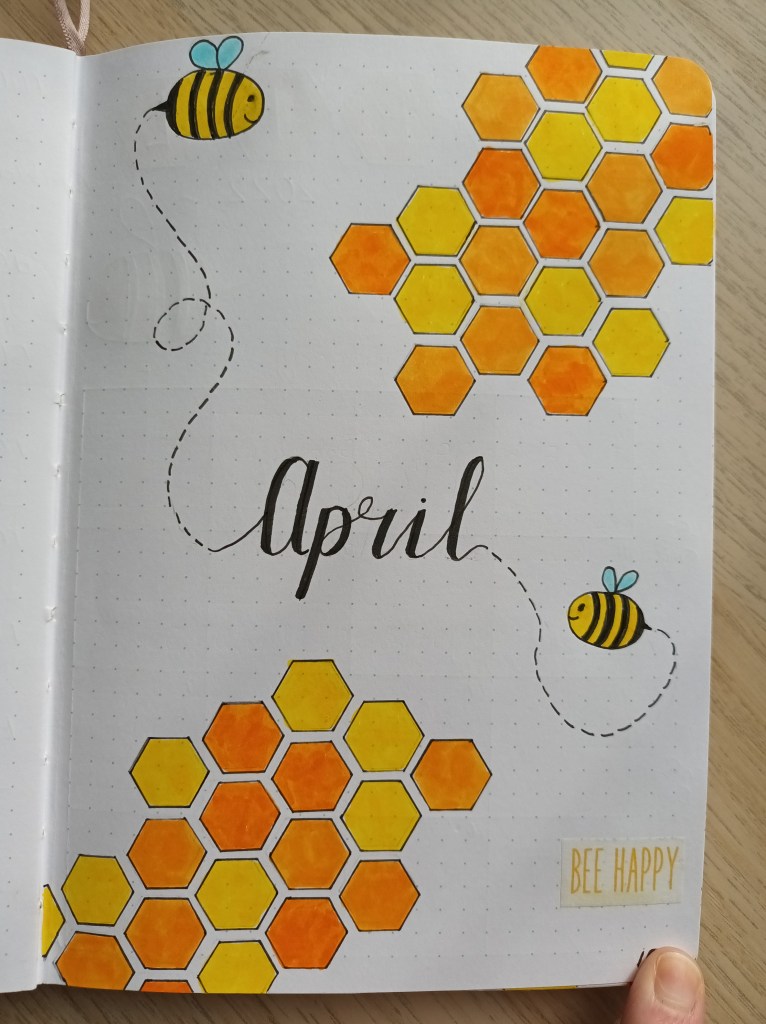
Now I’m feeling better, I’ve gone back to creating cover pages for each month and decorating all of the spreads. This one uses two different yellow colours of Tombow dual tip pens (055 and 985) and a Crayola Supertip. The hexagons were drawn using a Helix stencil so it didn’t take me too long to do lots and colour them in. As I’m not too great at drawing, I went for a cute cartoon style bee!

Monthly Calendar

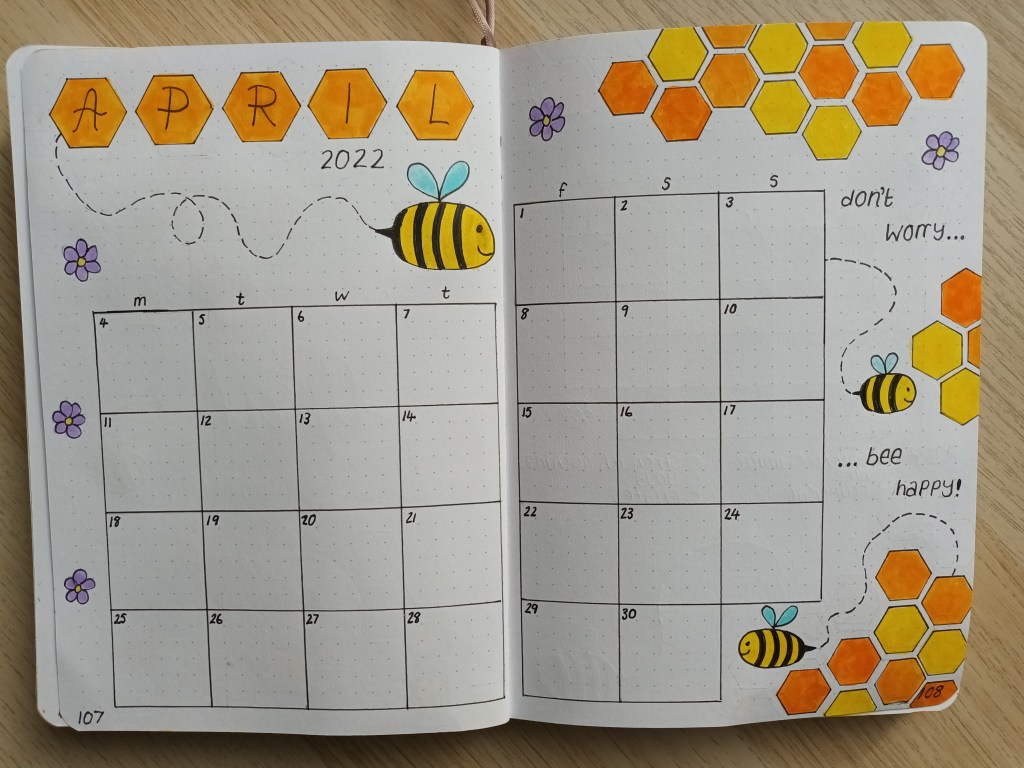
This is my usual layout with 6×6 boxes which leaves plenty of space for decor around the edges. I also added some flowers to go with the bees and honeycomb, filling in a few bits of white space nicely.

Workout log

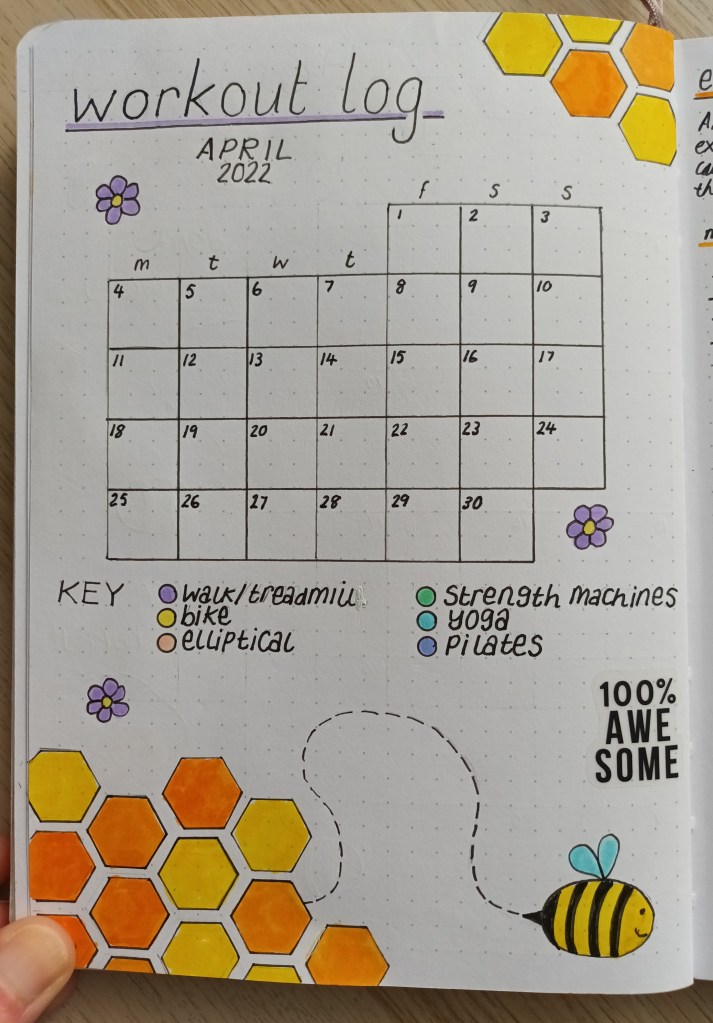
As one of my current goals is to work on toning by body, I decided to keep a record of all of my different workouts. At the moment, I’m doing cardio at the gym on Monday, Wednesday and Friday mornings, plus one session a week using the strength and muscle toning weight machines. I’m also continuing to do yoga five days a week and have put myself on the waiting list for Iyengar yoga and Pilates at the wellness centre (it’s proving to be really hard to get onto the classes as they’re so popular).

I’ve created a small calendar spread which is big enough to record multiple workouts per day. I’m going to add a coloured dot each time I do a particular workout. In May, I might also track the time I spent doing each activity but for now I’m just going to log each kind of exercise I do.

Body Tracker

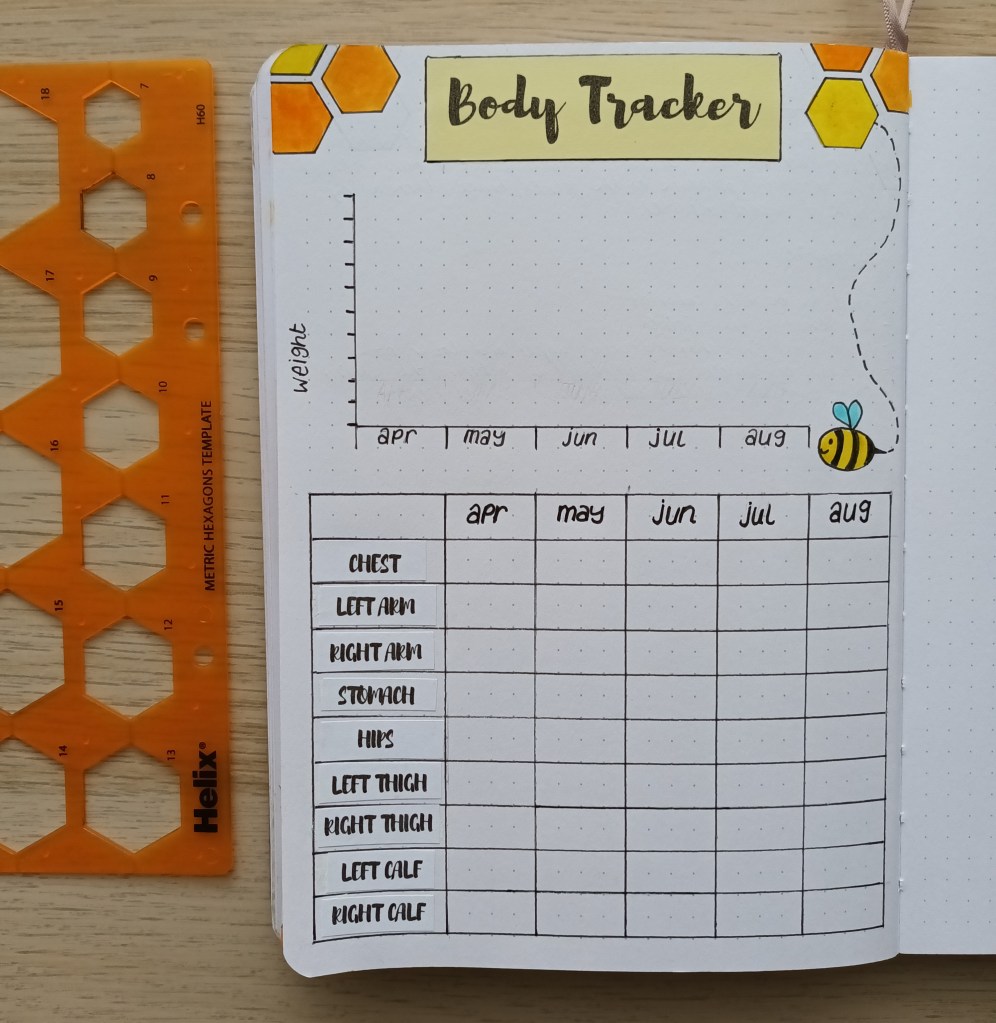
Earlier this week, I mentioned I was using the SMART goal framework, to help me come up with detailed plans of my current goals. As well as measuring my weight to see how many pounds I’ve lost each month, I’m also going to take my body measurements regularly so I can see progress in this area too.

Missing spreads

I’ve chosen not to include a gratitude log and yoga session tracker for April as they’re time consuming to set up and I want to focus on my gym workouts and improving my fitness levels. When I’m well (not too high and not feeling low), I tend to spend time reflecting on what I’m grateful for anyway so I figured it’s okay to take a little break from writing things down. Also, I can see which online yoga workouts I’ve done recently by checking my YouTube history. It won’t be as easy to see the variety of sessions, to make sure they’re well balanced, but it will still give me some idea of what I’ve done. I can always put them back in place in May if I miss filling them in.

Final words…

I hope you’ve enjoyed seeing my BuJo spreads for April. They’re certainly bright and colourful and better to look at than today’s grey skies and snow showers! Let me know in the comments what theme you’ve chosen for the upcoming month and if you’ve shared your pages on your blog, I’ll be sure to check them out.

Posted in goal setting, lifestyle, Planning and journaling

Monday Matters: A guide to SMART goals + an example of how I’m using the framework

Last week, my blog post focused on vision boards and how you can create one in your bullet journal. As part of this, I mentioned that as well as using pictures and words to establish what you want, you also need to identify steps you can take towards achieving your goals/dreams. Today, I’m going to deep dive into SMART goals and give an example of how I’m using the framework to help me achieve success towards a specific goal of mine which features on my current vision board.

What are SMART goals?

SMART is a mnemonic acronym that can help you with both goal setting and goal getting. It stands for:

  • S – Specific
  • M – Measurable
  • A – Attainable / Achievable
  • R – Relevant
  • T – Time-bound

Sounds great in theory but how can I set SMART goals?

To enable the setting of SMART goals, you need to create a detailed break down of each of your personal goals using the SMART framework. Your goals need to be Specific, Measurable, Achievable, Relevant and Time bound.

Specific

It’s important to be clear about what exactly it is that you want to achieve. To make your goals really specific, it can help to ask yourself a few questions to identify the detail:

  • What exactly do I want to accomplish?
  • Why is this really important to me right now?
  • Who will I need to help me achieve the goal and what will their role be?
  • Where will I work on my plan to achieve my goal?
  • Which resources will I need to help me?
  • Does my goal have financial implications?
  • What will my life look like when I have achieved my goal?
  • How will achieving my goal make me feel?

Measurable

Your goals should all be measurable so that you are able to see progress and know when you have achieved success. This can increase motivation as you start to see results from your efforts. Key questions to ask yourself could be:

  • How will I know when I have achieved my goal?
  • What will success look like?
  • What’s the best way of measuring my success?

Achievable

A vision board can sometimes contain ideals and big hopes and dreams, to make these visions into goals, you need to set more achievable targets to work towards.

  • On a scale of 1-10, how likely do you think it is that you’ll achieve your goal (1 being completely unlikely and 10 being absolutely certain)?
  • Is it completely within my power to achieve the goal?
  • Is the goal realistic?
  • Are there any obstacles which may present themselves?
  • Will I be able to achieve my goal in a given timeframe?
  • Do I have the resources or financial means to work on and achieve my goal?

Relevant

Your goals should be relevant to what matters the most to you right now. They should also align with your life values and current beliefs.

  • Is this a worthwhile goal and does it meet my current needs or desires?
  • Is this goal a priority for me right now?
  • What will achieving the goal especially mean to me?
  • How does this goal fit in with my values?

Time bound

It’s best to have a specific time frame in mind for meeting your goal. Setting a deadline or a date to assess if you have made significant progress can help keep you on track to success. You should try to decide on a realistic amount of time that is neither too long or too short. If the deadline is too far in the future, you will likely lose momentum or feel no sense of urgency. If the time frame is too short, you may become overwhelmed or stressed. A good idea might be to identify mini steps and assign an achieve by date for each.

An example of how I’m using SMART goals to achieve success

In last week’s Monday Matters blog post, I shared my current vision board. In order to increase my chance of successfully meeting my goals (or vision), I’ve been applying the SMART system to really break things down. To help you see how this works, I thought I’d take just one of my goals and look at it in depth using SMART.

On my vision board, I have a picture of a hamster and the word pampered. My goal is to treat our new pet in a way that gives her everything she wants and needs. We’ve been keeping hamsters for years and each time we have a new addition to the family, I try even harder to make sure she has a good life. Obviously I can’t ask Millie if she feels like she is a pampered pet but I can put things in place to ensure she is completely spoilt and receives the best treatment I can offer. Here’s my real life example of how I’ve broken my goal down :

Specific: I want Millie to be a happy and well pampered hamster so that I can be sure I’m giving her the best life I can. It’s important to me that my pet is treated well as part of our family. Both my husband and I will play a big part in working towards and achieving my goal. We’ll use our knowledge of keeping Syrian hamsters to help us as well as learning from guidance found online from reputable sources. Meeting my goal will have financial implications but we’re happy to spend a reasonable amount of money on both her cage and accessories within. When I have achieved the goal Millie will appear happy and content with her home and should show signs that she feels safe when we get her out of her cage each evening. She should look healthy and well cared for and my husband and I will be satisfied that we are good hamster parents!

Measurable: We will measure our progress using a checklist of things which need to be in place to ensure Millie is happy and healthy.

  • Extra large cage with floor space beyond the recommended size for Syrian hamsters.
  • Cosy house which is large enough for Millie to sleep in and also has room for snacks.
  • Large wheel which adult Millie can run in without concave back.
  • Water bottle to be refilled daily and scrubbed weekly.
  • A good quality diet consisting of dry food and small quantities of fresh fruit and vegetables.
  • Treats provided in line with feeding guidelines.
  • Plenty of bedding to be provided for nesting and digging.
  • Wooden chews provided for gnawing.
  • Sand provided for bathing.
  • Digging tower provided for out of cage play.
  • Cage spot cleaned regularly with full clean once a month.
  • Eating and drinking to be monitored.
  • Weight checked weekly.
  • Dedicated time with Millie outside of the cage every evening (minimum 10 minutes)
  • Basic health check performed each time Millie is handled.
  • No signs of distress or boredom displayed e.g. biting cage bars all of the time, excessive grooming, aggression, repetitive behaviours etc.

The goal will be considered achieved when all of these are in place and standards are maintained over the time period stated below.

Achievable As we are experienced hamster owners (Millie is my ninth hammy) we have very good understanding of what Syrian hamsters need for a happy and healthy life. Therefore, the goal should be achieved in a relatively short time. We’ve already ticked off some of the criteria as we’ve purchased an extra large cage, a wooden house and digging tower. We also have plenty of dry food, treats, warm bedding and a sand bath as well as a good sized wheel. Fresh water is provided although we need to get better at changing it each day.

Relevant Obviously the goal is relevant as we have a pet hamster and we wish for her to be well cared for and pampered. This is in line with my beliefs about how animals should be treated.

Time bound At least a couple of weeks for Millie to get used to us will be required as she is currently a little bit nervous and wary of us but progress is being made each day. I will assess and evaluate the situation at the end of this month and I expect that everything will be in place by 15th April as we will have had Millie for one month by then.

Millie at 9 weeks old and a little camera shy!

The need to be even SMARTER…

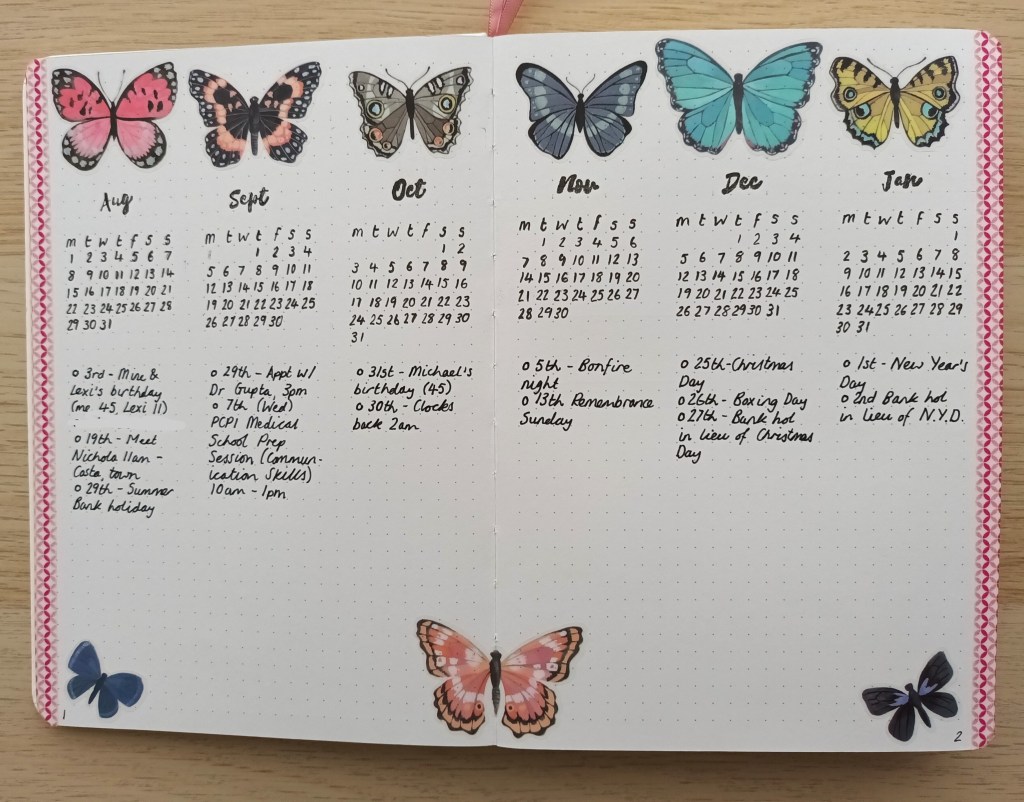
Although the SMART approach does not offer any guarantees of success, it does provide a useful system to help with setting and working on small goals with a view to you achieving your bigger hopes and dreams. Some authors have expanded on SMART to include two extra letters, namely E and R to make SMARTER, where E stands for Evaluated and R stands for Reviewed. In this longer acronym, it is suggested that further success will be achieved if the individual takes time to evaluate progress and reviews and reflects on how things are going in order to identify any issues and make adjustments where necessary. This certainly makes sense to me and so I’ve chosen a specific time and date to do some reflective journaling on my progress towards all of the goals displayed on my vision board. I’ve written it into my Bullet Journal Future Log so I don’t forget and I’ve allotted two hours for the process, which might seem a lot but I think it’s important to set aside a big chunk of time if the session is going to be useful.

Final thoughts

I’m feeling really motivated to work towards my goals and it helps that I know my what, why, where, who, when and how. I may meet with obstacles or setbacks along the way, but by evaluating my progress and making small changes, I’m in with a good chance of success.

Let me know in the comments if you’re a fan of setting SMART (or SMARTER) goals or if you think it’s something you might like to try in the future. I would love to hear about what you’re working on right now and if you are meeting with success.