Posted in gardening, goal setting, journalling, lifestyle, Planning and journaling, productivity, reflective journalling, Setting goals and intentions

Monday Matters: 7 Reasons Why You Need to Keep a Garden Planner and Journal

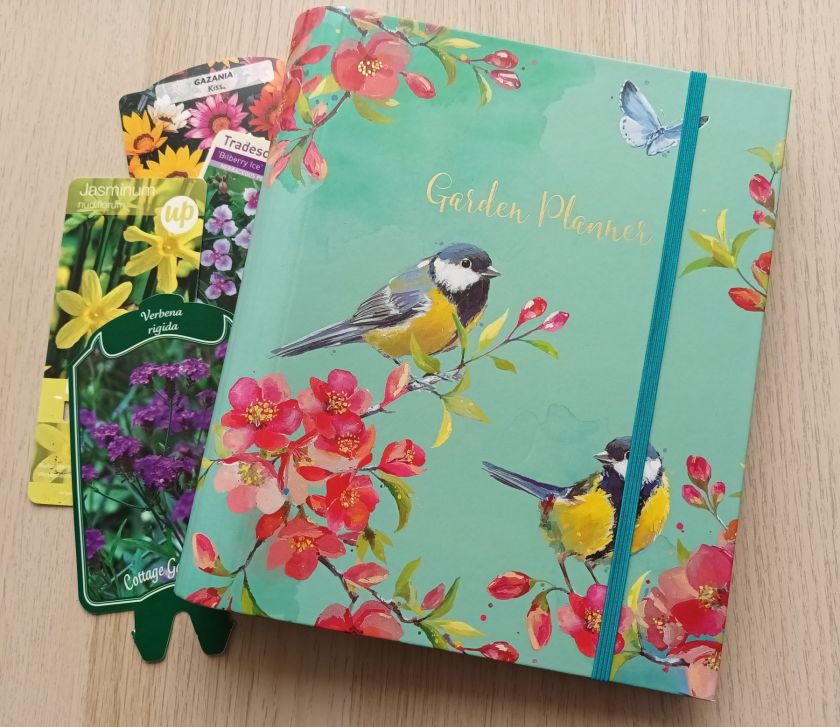
Photo credit: Laura Jones for Keeping It Creative

Over the years, I’ve kept various records of plants we’ve put in our garden, and I’ve saved all of the plastic information cards that come stuck in the pots when you buy them. I’ve also made notes in my bullet journal and even drawn plant ID cards for some of my favourite purchases. However, these resources are in an array of different folders and notebooks and often I can’t locate what I need when I want to check something. So, I decided I would like to keep a garden planner / journal and I found the perfect folder when I visited one of my local garden centres and asked my husband if he would like to buy it to give me for Christmas. Of course, any notebook or file would have done, but as someone who adores beautiful stationery, this one provides the motivation to use it regularly and has lots of different papers and pockets to put things in.

I’ve been using the folder since the very beginning of Spring 2023 and so far I’m finding it a really useful record keeping tool. I’m also hoping that by documenting everything garden related, it will help me to feel a real sense of achievement and begin to recognise that all of our efforts are paying off (even when I feel like it’s a constant battle to keep on top of the weeds or a few of our plants aren’t looking their best).

What is a garden planner and journal?

A garden planner and journal is a paper based or electronic place to store everything related to your outdoor spaces and even your houseplants if you so wish. As well as making you super organised it can provide, for example, a place to keep track of what you’ve planted and where, journal space to evaluate what has worked and what hasn’t, pages to record and plan seasonal tasks, list of to dos (AKA jobs for the weekend!), photo showing different parts of your garden over time so you can see and celebrate your achievements over the months and years. You can customise your records to suit your needs but you might include details of your soil in different parts of the garden, information about your various plants and notes on how well they have done depending on their location, ideas you have collected from magazine and online articles, issues you’ve had with some of your plants such as garden pests or poor growth, labelled sketches of flower beds or the garden as a whole, lists of your seed purchases and even a garden wishlist – the possibilities are endless.

Why should I keep a garden planner and journal?

In a nutshell, keeping a garden planner and journal, which you regularly write in, will make you a better and more efficient gardener and enable you to get so much pleasure from your space no matter whether it’s a few containers on your balcony, a tiny plot or a vast amount of land which keeps you constantly busy. Here are my top seven reasons why you should start a garden planner and journal today:

It helps you remember what’s where

Drawing a labelled sketch of the different parts of your garden such as flower beds, vegetable sections, corner plots, rockery etc helps you to remember exactly what you’ve got and where things are located. It can also provide information such as the particular colour or variety of plants.

I’ve also created a list of containers (size, colour and location helps here), what’s in each and when the plant grows and flower so that I know what’s going to pop up when and also, if it doesn’t come back, I can record and evaluate accordingly.

It’s a good idea to sketch your garden each season so you can see what’s in flower at particular times, which veggies are currently being grown and where your evergreen / deciduous shrubs and trees are. Then you can add in your annuals and assess whether there are any gaps which you want to fill.

You can create and maintain weekly and monthly plans

If you love your garden and want it to look good, you need to regularly dedicate time and energy to gardening. My planner contains weekly overviews for each season where you can record particular jobs that need doing each year and also ‘Jobs for the Weekend’ pages for running task lists. It’s really satisfying ticking them all off and it helps us to see what we still need to do and estimate how long each job will take. These task lists can then be revisited next year.

I like to go on reliable websites like Gardener’s World and RHS plus other UK based sites to look at what I should be doing each month and then handpick jobs specific to our garden. I also follow a few UK YouTube accounts for ideas too. You could even keep a list of useful websites in your journal somewhere too.

A place to log new additions to your garden spaces

All gardeners love going to local garden centres and nurseries to choose new perennials plus annual bedding plants for instant colour. You can record all of these in a list, stating where they were purchased and how much they cost, plus key information front the plant labels. getting new bits and pieces for their garden whether it’s a perennial plant, a new pot, a comfortable bench or chair and cushions, so And your new additions list doesn’t just have to be a space for greenery, you can also record new pieces of furniture such as a gorgeous new bench and bright cushions or a little potting bench, atmospheric solar powered or mains operated lights, new paths or replacement gravel, patio slabs, hanging baskets, rockeries, storage spaces such as a little shed or a box to put soft furnishings over winter, and wildlife friendly pieces such as a pond, bug hotel, hedgehog house or toad abode! Then, when you can’t recall how long you’ve had raised bed, you can check your records instead of trying to establish how long it’s lasted from memory.

A good chart to have in your planner is a record of seeds which you plan to set, when and where e.g. in trays indoors or directly into prepared veg beds or outdoor pots, how many to set (usually dependent on size and desired crop), date to set and germination times. You can also include a section for any notes, so, for example we find that our two courgette seeds for the two large plants we want don’t always germinate so we tend to put a couple in each plug or create more plugs.

You can find examples of seed charts on Pinterest for you to draw up (preferably on gridded paper), or, if you’re pushed for time, you can purchase printables on Etsy.

Helps you track progress over time

The other week I found some photographs of my husband sitting out in our back garden a couple of years after we’d moved into our house. I decided to print them out as there’s a huge difference between how the space looked then and what it looks like now less than 10 years later. The transformation is amazing and if we didn’t have a photographic record, I don’t think we would be able to fully appreciate all that we’ve achieved. You might not have photos from a decade ago (or maybe you do?) but why not start recording now and see how your space has changed in one, two or even ten years?

A useful spot to record successes, challenges + complete failures and reflect on why

We’ve been developing our garden for over ten years now and have had many successes but probably just as many failures. Some of the failures are permanently stuck in my memory, like the fact that every time we have tried to grow lupins, no matter where we got the plants from, the ended up covered in aphids which made my skin crawl! Likewise, some of our complete successes still take pride of place in our flowerbeds such as the beautiful, long lasting and colourful geums. However, there are many more triumphs and disappointments that I wish I’d written down and reflected on. Here’s a list of aspects of gardening which you might like to make a few notes on:

  • garden pests – what specific plants they’ve eaten, when they eat (daytime, night time, particular times of year, following particular weather etc), thoughts about why they eat e.g. slugs and snails love to munch on our dahlia so this year we’ve potted one up, covered the soil in grit and placed it in the front garden porch away from other plants and it’s doing much better
  • plant diseases and treatment e.g. our hollyhocks get rust every year so I inspect them early on and removed infected leaves quickly and dispose of them
  • plants which don’t like the conditions – too dry, too wet, hate clay soil, not enough sun/shade etc and whether they are to be moved or just dug up
  • weather related challenges (e.g. storms, continuous rain, dry spells etc.) and how specific plants coped
  • seed germination failures – dates planted and when replacements set or when new seeds purchased and set
  • weed related issues e.g. we have a huge problem with celandine and it’s a constant battle to get rid of them, I spend 10 minutes every day on their removal and I’m glad when they die back by mid May

I’m sure you probably have many more ideas but hopefully these are enough to get you started.

A place to dream, make wishlists, include inspirational images, identify your short and long term goals and make plans of action

If, like me, you have a beautifully, colourful and well maintained garden on your vision board for the future, it’s a good idea to have a section in your journal to include wishlists, inspiring photographs, goals and action steps and maybe even a written explanation of what you want your dream garden to look like and how you want to feel when in it. You can then check in regularly with this section of your journal and see how well you are progressing with your goals. You can also note down things from your wishlist to look for next time you go shopping to one of your local garden centres.

Final words…

As you start your record keeping, remember that your file doesn’t need to be perfect and will most certainly evolve over time. You might want to start by simply taking a few photos of how your space looks now and then making a few notes of some of the plants which are located in each section. Or, if you like drawing and creating diagrams, you might take some squared paper to draw different parts of your plot and label the names of plants currently growing there. I can also recommend colouring in the plants that are currently in flower so you can see the balance across your plot.

Then, on another occasion, you might make a basic to do list (try Googling garden jobs for June and your specific location) for the month and tick tasks off as you complete them. You could even add a few jobs that are already complete or underway to get some easy and satisfying ticks by the end of the week.

I hope you’ve found today’s post useful and it has inspired you to give this form of planning, record keeping and journalling a go. Let me know what you choose to do first and how you get on.

Posted in life hacks, mental health, productivity, wellbeing

Monday Matters: Information overload and 5 helpful ways to deal with it

Photo credit: Abigail Keenan for Unsplash

In our current society, information overload has become a real issue for many, if not all of us and one which can seriously impact our mental and physical health and general wellbeing. In today’s Monday Matters, I’m going to consider what is meant by the term, discuss ways in which an information-rich environment can affect us and present 5 ways you can make it easier to deal with.

Put simply, information overload is when we are faced with so much information (much of it irrelevant to us) that our brains become overstimulated and we find it impossible to fully process it all. If I were to make a list of all of the types of information we’re bombarded with every day for most of us it would include texts, emails, news articles, search engine results, news broadcasts, advertisements: online – via banners, pop ups, game and social media interruptions, on TV, radio and on billboards, notifications from social media, the stuff we read as we mindlessly scroll through the aforementioned social media, telephone calls, radio shows, TV programmes, blog articles, discussions in meetings, with customers, colleagues or other acquaintances – the list goes on and you’re probably exhausted after reading just this sentence. All of this can lead to feelings of overwhelm, stress, inadequacy, anxiety, confusion, exhaustion and a general lack of control. It can also result in physical health symptoms such as headaches, increased blood pressure, vision problems and insomnia. It can affect our work quality, decision making, memory, efficiency, self esteem, confidence and sleep.

With that list of unwanted side effects of information overload, it’s pretty vital that we find ways to cope with and control what we consume each day. Hopefully the following tips will help.

Make your morning routine tech free

When I say tech free, I don’t mean giving up on using your alarm clock to wake up, lights to see clearly, or your heating to keep yourself warm, but avoiding the use of communication devices such as your phone, tablet, laptop and TV can help make your morning routine both mindful and productive but also a relaxing and stress free one. On my best days, I will wake up using my new Sunrise alarm clock (so I don’t immediately have to pick up my phone) and fill in my 5 minute journal. I’ll then make myself a healthy breakfast of wholewheat cereal with soya milk, a piece of fruit, a glass of squash to take my morning medications and my first cup of coffee of the day. Whilst eating and drinking, I try to focus on being mindful, showing gratitude for what I’m consuming, thinking about the nutritional content and how this will fuel my body, and not allowing anything to distract me from the process. Next, whilst I’m finishing my coffee, I begin reading, highlighting and completing journalling tasks in my current non-fiction book. At the moment I’m reading Manifest by Roxie Nafousi and I have the hardback edition which feels good in my hands and makes it much easier to mark important points, annotate or complete tasks. My reading lasts for around 20 minutes and is another quiet, slow and relaxed element of my routine. Finally, I’ll get myself ready in the usual way by showering, brushing my teeth, washing my face and doing my skincare before starting on my tasks for the day.

As I said earlier, the above is followed on my best days when my morning routine is a mindful and relaxing start to my day. However, on some days (thankfully not very often since evaluating and making changes), I will pick up my phone, check notifications from in the night, view the content from these, look through my emails, go on YouTube to see if there’s any new videos from vloggers I subscribe to and then watch the content, check the news, pop on Facebook to wish friends or family members a happy birthday (and then start looking at my feed) before taking a second to breathe and think about all of the ideas, things on my to do list and random stuff which is filling my mind from all of the information I’ve already consumed before I’ve even finished my coffee (which I’ve probably barely even tasted!). So, which routine would you prefer to give you a good start to your day?

Of course, I’m not saying that my personal routine would suit everyone, and I’m conscious that some of you will have responsibilities towards others or an early work start, but I think we can all benefit from a calmer, more peaceful and mindful start to our day.

Think about the content you wish to engage with and why

There are certain types of information which we have little or no control over. For example you might tire of listening to your boss and other members of senior management talking about targets or sending you long-winded emails, your colleagues might frustrate you by regularly interrupting you from your flow of work to ask questions etc. but you can’t really tell them that you’re going to ignore them for a week and stop attending meetings because you’re trying to feel less overwhelmed by all of the information you consume (well you could but I’m pretty sure you would be waving bye bye to your job pretty soon). However, outside of work, we can generally make choices and set boundaries which help to limit our exposure to information. Here’s some ideas to think about:

Focus on your current interests Choose content from a reliable source which is relevant to your current interests. For example, you might read non-fiction texts and watch videos about watercolour painting because it’s something you enjoy doing in your free time and want to get better at. You might search for Pinterest content which shows Spring outfit and fashion ideas because you want some ideas on how to update your wardrobe. Or, you might search online for exercise ideas from qualified instructors which focus on building core strength because you’ve heard it will help to improve your posture and make you more toned.

Consider your goals Think about your current aspirations, desires and goals to help you decide what kind of information will benefit you in the long term. For example, if you want to work on creating a vegetable garden so you can enjoy your homegrown produce in your meals, you will probably want to read articles in magazines or online from from reputable sources such as Gardener’s World or RHS. You might also plan to watch YouTube videos for planting tips or buy a comprehensive guide to making the most of your plot. The key is to live in alignment with your current priorities whilst making choices which reflect you values and beliefs.

Ignore information and media content which doesn’t make you feel good Think about the effect certain information has on your mood. For example, if reading and watching local or national news makes you feel sad, angry, frustrated or anxious, try to limit your exposure or try avoiding it for a while and see how you feel (if there’s anything major happening in the world or your local community, you’re certain to hear about it somewhere and then you can find out more if you need to). If looking at your friend’s social media feed makes you feel inadequate and as though your life is uninteresting and uneventful, try giving it a miss for a while. Similarly, if you follow content creators on YouTube who always appear to be super-organised, productive and well put together and it makes you feel like your life is an absolute mess or that you’re a domestic slattern, it might be time to unsubscribe.

Remember, social media is designed to be addictive The designers of social media platforms and the teams running them want you to spend hours scrolling and thrive on the fact that you keep coming back for more. That’s why it’s so hard to cut down or stop. In their book Make Time, Jake Knapp and John Zeratsky refer to these apps, and other sources of ever updating information, as infinity pools, which provide constant distraction from what we would actually like to focus our time on each day. If you struggle with productivity issues or decisions about what to prioritise in your life, their book is well worth a read. For now, try spending a little time reflecting on your current social media usage, asking yourself questions such as:

  • How do I feel after using (insert S.M. platform)? Why?
  • What times of day do I find myself using S.M.?
  • How much of my time per day / week is spent on S.M.? (Some mobile phones can track this for you and compare your usage over consecutive weeks)
  • What impact does my S.M. usage have on my mental health? Do I feel more connected with others who share my interests or inspired by the content I consume? Alternatively, does it leave me with feelings of isolation, inadequacy, dissatisfaction, loneliness (and anything else that makes you uncomfortable)?
  • Would I describe my social media habits as unhealthy? e.g. is it the first thing I think about when I wake up or do I scroll just before or in bed and end up not being able to sleep?

Make a plan to take control of the information you choose to consume before it takes control of you!

Turn off your notifications and alerts

One of the easiest and most effective ways to reduce the volume of information that comes your way is by turning off notifications and alerts from the various social media platforms and apps you use. Again, you should think about whether the notifications and alerts are a distraction or are useful for you. So, for example, I have a star gazing app and I quite like the messages I’m sent a few times a week which tell me about particular celestial bodies that can be viewed that night and opening the app shows us where to find them in the sky. I also get an alert which reminds me to fill in by Bipolar mood tracker each evening as it’s important for me to see what affect different events or activities have on my mood and wellbeing. Of my two email accounts, one is for professional and important stuff like work related opportunities, Etsy shop sales or messages from customers etc., whilst the other is for all the random marketing emails from various shops and companies which I don’t want to be notified of throughout the day. For online orders that I’ve placed, I’ve found there is the option on Yahoo Mail to received notifications of dispatch and delivery information. I’m not quite sure how it works but I presume it searches for key words within the emails.

The second thing you can do is go into your phone settings and set up a ‘do not disturb’ when you are busy (which you turn off at a time of your choosing) and a sleeping schedule which means that after a selected time in the evening and before a chosen time in the morning, your phone does not send notifications of any kind. You can alter this so that alarms can still go off if you need any reminders. For example, I have an alarm set to remind me to take my evening medications and another one to remind me to book my exercise class for the next week when it gets to 10.15pm (annoyingly, if I don’t book straightaway the class fills up with 1 minute of going live!).

Take a break (away from social media)

I’ve discussed before how I use the Pomodoro technique to be productive during the day but one of the most important aspects of the method is taking regular breaks. It’s tempting to check in with social media at these times but I make a point of doing something different so I’m not still looking at a screen and I don’t end up losing track of time. Some ideas for activities to do in your break include:

  • get outside or open a window and inhale some fresh air
  • do a mini meditation
  • listen to some music with your eyes closed or have a little boogie
  • make a hot or cold drink
  • enjoy a healthy snack
  • read a book or magazine
  • do some doodling / colouring in
  • do some stretches
  • declutter your workspace

Do a brain dump

If you feel like you’re drowning in thoughts, feelings, ideas and to-dos, it’s a good idea to get it all out on paper. This is the idea behind a ‘brain dump’, where you free write everything that is currently on your mind onto a blank sheet in a format of your choosing – in long hand, note form, spider diagram style etc. and it can be a powerful way to relieve stress. When you’ve finished, you can decide what to do with all the information – do you need to add something to your calendar or schedule in a time to explore further? might you need to add a few things to your to do list for the next week? would you benefit from talking to someone about how you’re feeling? maybe you need to seek out some positive news stories or make plans for a self care day or a weekend away?

Final words…

I hope you have found today’s tips helpful and feel inspired to try some of them as a way to improve your health and wellbeing. If you do give any of the suggestions a go, I would love to hear how you get on. I know that it can be tempting to consume as much information as you can through the fear of missing out (FOMO) but remember that a lot of what’s out there is neither useful, helpful, relevant or worthy of your time so try and adopt the joy of missing out (JOMO) approach instead!

Posted in goal setting, life hacks, lifestyle, Planning and journaling, productivity, Setting goals and intentions

Monday Matters: A guide to the Pomodoro Technique and how it’s helping me to increase my productivity

It’s been over two months now since I bought a countdown timer from Amazon to use for the Pomodoro Technique which aims to increase productivity. I already felt that I got plenty done each day but I loved the idea of breaking down work into intervals, having regular breaks and knowing how long I’d been hard at it for. I’ve been consistently using the time management method, apart from a week off for Christmas and I thought I’d share what it is and how I feel it’s helping me.

Those of you who have never heard of this technique may be wondering if it is named after a particular person, but you might be surprised to know that pomodoro is actually Italian for tomato. What does a tomato have to do with productivity? Read on and you’ll find out!

What is The Pomodoro Technique?

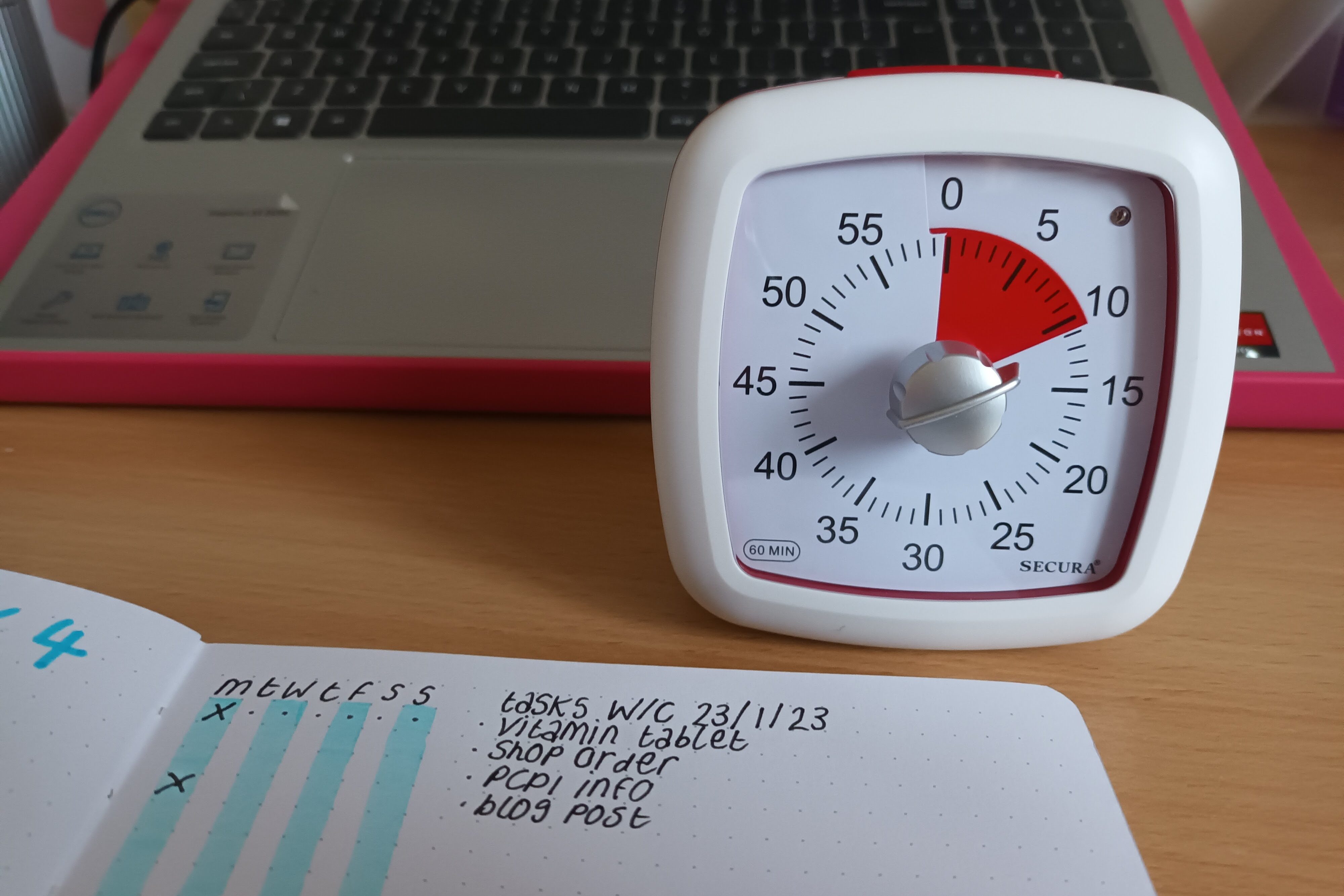
The Pomodoro Technique is a time management method which was developed by Italian Francesco Cirillo in the late 1980s. At this time, Cirillo was a university student and was struggling to stay focused on his studies. He challenged himself and posed the question ‘Can you stay focused for two minutes without distraction?’. To check if he could, he grabbed his countdown timer from the kitchen which was red and shaped like a pomodoro, or, in English, a tomato. He set the timer, and after two minutes of focused activity, the timer rang and he had achieved his mission. After this, he considered why the use of a timer had worked and he experimented with gradually upping the time and reducing it when it became too much. In the end, he decided that 25 minutes was perfect and that a short break (5 minutes) was required before continuing.

Cirillo carried on experimenting and came up with some basic principles. The timer was an important part but only one element of the method. He suggests the following:

  • Pick one task you want to work on.
  • Set your timer for 25 minutes and place it somewhere highly visible (so you can see how much time remains).
  • When the buzzer goes off, have a 5 minute break.
  • Repeat this with 3 more periods of 25 minutes and 5 minute breaks.
  • Mark each pomodoro with an X when you’ve completed it (this could be on a mini whiteboard, a post-it note or in your planner.
  • After 4 ‘pomodoros’ (work periods of 25 minutes and 5 minute breaks), take a longer break of 20-30 minutes.
  • Once your longer break is finished, go back to step 1.

But what if I have a really long project or lots of short tasks to do?

For complex projects, you should break things down into smaller actionable steps. This will help you avoid overwhelm and ensure you make good progress towards your end goal.

Any tasks which will take less than one pomodoro should be combined with other quick tasks. This might include a range of admin such as book a hairdressers appointment, reply to an email, making a shopping list for the supermarket and reviewing your bank statement.

If you finish your chosen task before the pomodoro timer rings, you should continue to use the rest of your time in a productive manner e.g. by going over what you’ve just learned, making a list of next steps, reading up on a related topic etc.

What should I do during my 5 minute breaks?

When the timer goes off, it’s sometimes tempting to continue working, especially if you’re in a flow state. However, taking breaks is really important if you want to stay productive. What you do during your short breaks is up to you but here are some suggestions that you might find helpful. For me, taking time away from screens such as my computer or my phone is super important and gives my eyes a good rest.

  • Do a short guided meditation
  • Get out in the garden and reap the benefits of fresh air
  • Do some stretches
  • Put on an upbeat track and dance about your kitchen / living room or anywhere with some space to move
  • Take a quick walk for a serotonin hit
  • Drink some water, squash or a flavoured tea
  • Sit in a comfy chair and read a good book
  • Do a mindful activity such as a spot of doodling, a word puzzle, jigsaw or some colouring in.
  • Listen to some music – trying closing your eyes so you really tune in.
  • Watch birds in your garden.

How is the Pomodoro Technique working for me so far?

So far, I’ve found the method to be incredibly effective. I bought my timer hoping that it might help in some small way but I didn’t realise how beneficial it would be as it’s such a simple idea. Here are some of the advantages I’ve experienced so far:

  • Makes it easy for me to get started. When you have a big project to do, it’s easy to get overwhelmed by its size and this can often lead to procrastination AKA putting things off. Contrary to popular belief, for most people, procrastinating is less about laziness and lack of self control, and more about fears of failure or feelings of self doubt. Knowing that I can do things in baby steps where I only have to do 25 minutes before being allowed a break is all the encouragement I need to get started.
  • Increasing my awareness of time. Using the timer makes you really aware of time going by and this encourages you to really focus in on your chosen tasks.
  • One thing at a time. The method encourages you to work on one specific task or a group of related tasks at one time and this helps to prevent the urge to multitask or context switching (where you jump from one task to another) which studies show is detrimental to productivity.
  • Great for avoiding distractions. In some ways, 25 minutes feels like plenty of time but if you don’t use it wisely, it can soon be gone. Because of this, I’ve taken steps to avoid anything which might interrupt my work flow. Depending on the type of work I’m doing, this might include putting my mobile phone in another room, adopting pen and paper methods for recording, switching off notifications and playing background music to block out other sounds.
  • Encourages me to plan my day. Before you start work, you’re encouraged to plan your tasks in advance. This helps you to decide what you want to get done, at what time and how long you think an activity is likely to take. At the end of your working day, you can evaluate your progress and consider if you overestimated or underestimated how much time tasks took. This can then inform your future planning.
  • Ensures I take regular breaks. Taking regular mental breaks from your work helps you to stay focused and remain efficient and productive during your 25 minute time blocks. If you’re working at a desk, it’s really beneficial to get up and move around as this improves your circulation and helps to combat fatigue.
  • Helps me maintain motivation. Seeing the time counting down on the timer in front of you is great for ensuring you work at a good pace. Also, after each session, I mark my progress in my bullet journal and this in itself makes me feel good and gives me the encouragement I need to keep going.
  • Encourages me to be self-evaluative. On days when I feel like I haven’t been super productive, despite using the Pomodoro Technique, I always question why. Common culprits include distractions from notifications or social media (especially if I’m researching something online), working in an untidy environment (meaning I can’t find things I needed) not taking my 5 minute break (or unconsciously extending them), deviating from my plan when I get back to work (because I found something else much more appealing, or when taking a break, engaging in something which didn’t allow me to relax and recharge (e.g. reading news articles online). When I’ve established what the issues are, I can develop strategies to combat them.

Final words…

I hope you have found today’s blog post useful, especially if you are looking for ways to beat procrastination, become more time savvy, and generally work more productively each day. If you want to know even more about the Pomodoro Technique you will find Francesco Cirillo’s book available in e-book format or paperback on Amazon. Also, feel free to ask any questions you may have in the comments and if you already use the Pomodoro Technique, let me know how it’s working out for you.

Posted in bullet journal, Bullet journaling, lifestyle, Planning and journaling, productivity, Setting goals and intentions

Monday Matters: How to create and use a vision board so it actually works

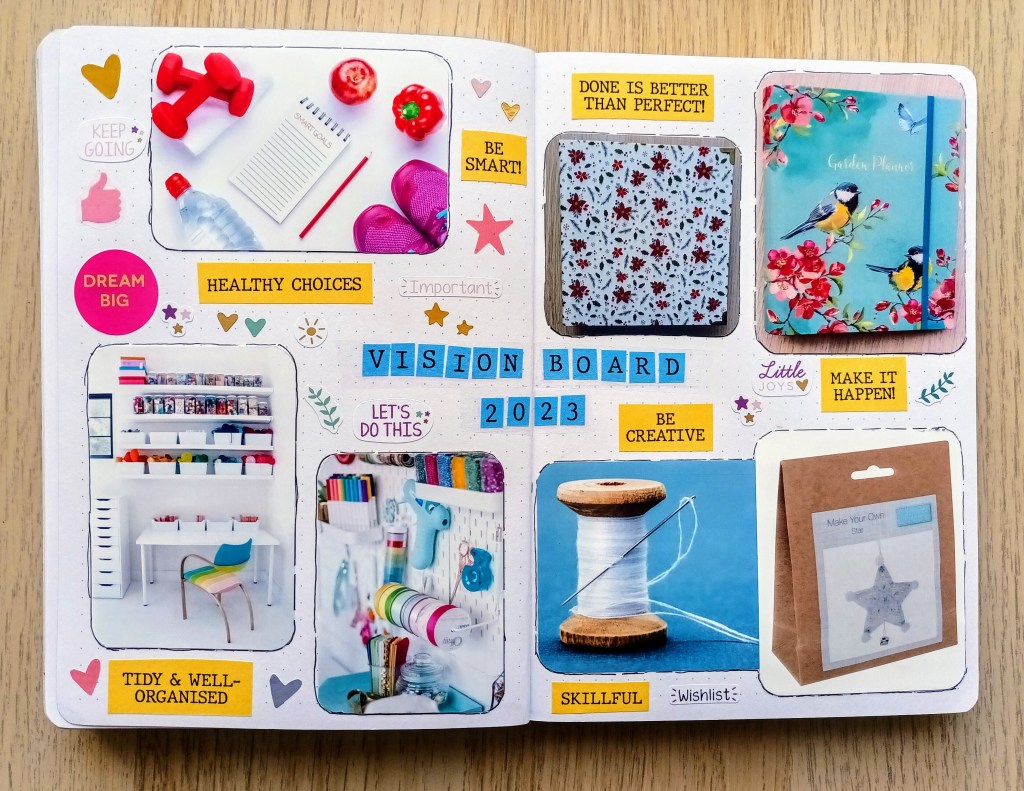
My vision board for the start of 2023

I’ve created quite a few vision boards over the last few years and some of them have worked better than others. Often, I find I have manifested some of the things I’ve visualised for myself, whilst other dreams have been forgotten or have not totally come into fruition. Before I create a new board in my bullet journal, I always reflect on the previous one, thinking about which of my desires and goals have been met, which I’ve made progress towards and which either didn’t come true or are no longer in line with what I want for my life. Today, I thought I’d share some of my best tips for creating a vision board and ways in which you can use yours as an effective tool for manifestation.

What is a vision board?

In brief, a vision board is a visual representation of goals you want to work towards to create your ideal life. This can include inspiring images, text which states what you desire for yourself and also messages to yourself such as affirmations and motivational phrases and words. Vision boards can be created in a range of different formats and some of these are discussed a little later.

What do we mean by manifestation?

Put simply, manifestation is the act of materialising or bringing into fruition you deepest wishes, desires and dreams, so they become your true reality. So, for example, you might wish to be a more organised person and this could be shown in your home and work systems, the way you manage your time, the plans you put in place, your goals and priorities, your decision making skills, your self awareness and ability to evaluate your situation etc. There are a number of ways of manifesting the above and creating a vision board can be a really geat tool if you use it properly and effectively.

Where to begin

Before you even start creating your vision board, you need to get clear on what you want to prioritise for yourself right now and in the future. A good way to do this is to schedule some time to quietly think about and evaluate your current life with a view to considering plans to work towards a few goals and small changes that will help you on your way towards your dream life. The following journalling prompts and questions which I’ve collected from a range of sources and created myself will encourage this. You don’t need to answer them all, but they should help you orientate your thinking and ease you into contemplation, evaluation and reflection mode. I recommended writing down some or all of your responses (preferably on paper rather than using a tech device) as part of the process because this enables you to slow down and carefully consider things.

  • What did I do last year that made me happy? Why did these things make me feel this way?
  • In which ways was I successful in 2022? Which goals did I meet? How did I effectively deal with problems which came my way?
  • What was my greatest accomplishment of the year? How has thinking about this helped with my self worth and feelings of purposefulness?
  • What challenges did I face last year? What did I learn as a result?
  • What kind of self care activities did I regularly engage in? (if any) Which of these would I like to continue with or do more of? Which new self care activities might I like to try in 2023?
  • What did I spend too much time and energy on in 2022? As a result, what would I like to do differently in 2023? How might I go about this? Do I need to learn something new or create some sort of plan of action?
  • What is a new skill I learnt last year? Which skill / skills would I like to learn or develop in 2023?
  • Name 5 of your core values e.g. positivity, helping others, social connection, looking after the environment, growth, adventure etc. Am I living in alignment with these? What changes would I like to make in relation to my values and beliefs?
  • Do I feel in control of my life right now or do I feel like others are controlling it for me? Are there any changes I wish to make as a result of my answer?
  • When do I feel most fulfilled? Why?
  • What do I want to leave behind in 2022? This could be anything – an attitude, a toxic relationship, poor self image, negative thinking, lack of self compassion, saying ‘yes’ when you really want to say no, being overworked and underpaid etc
  • What do I want to take forward into 2023? (What do I want to continue doing? How do I want to continue being? Which goals do I want to continue to work towards? etc)
  • What new practices / attitudes / ways of being / skills etc do I want for myself for 2023? How might I implement these? (e.g. do some self development reading, work with a therapist, change up my routines, attend a class or do some distance learning, place more emphasis / importance on something etc)
  • What limiting beliefs am I holding on to? Why? How can I work on changing my beliefs about myself / others / the world? (This might be something that you need help and support with, in which case, seeking out therapist or life coach can be really helpful)
  • What does success look and feel like to you? Why?
  • If you change one thing about your working life to make it better, what would it be? What impact do you feel this would have?
  • How do you respond to criticism? Do you feel this is helpful / unhelpful or could be improved in some way?
  • What qualities do you admire in other people?
  • Is there a skill you have always wanted to master? What could you do to make a start with this?
  • What bad habits would you like to break?
  • What new habits would you most like to instill?
  • What would you like to be doing in 5 years time? Why?
  • Who could support you in working towards the different goals you are considering?

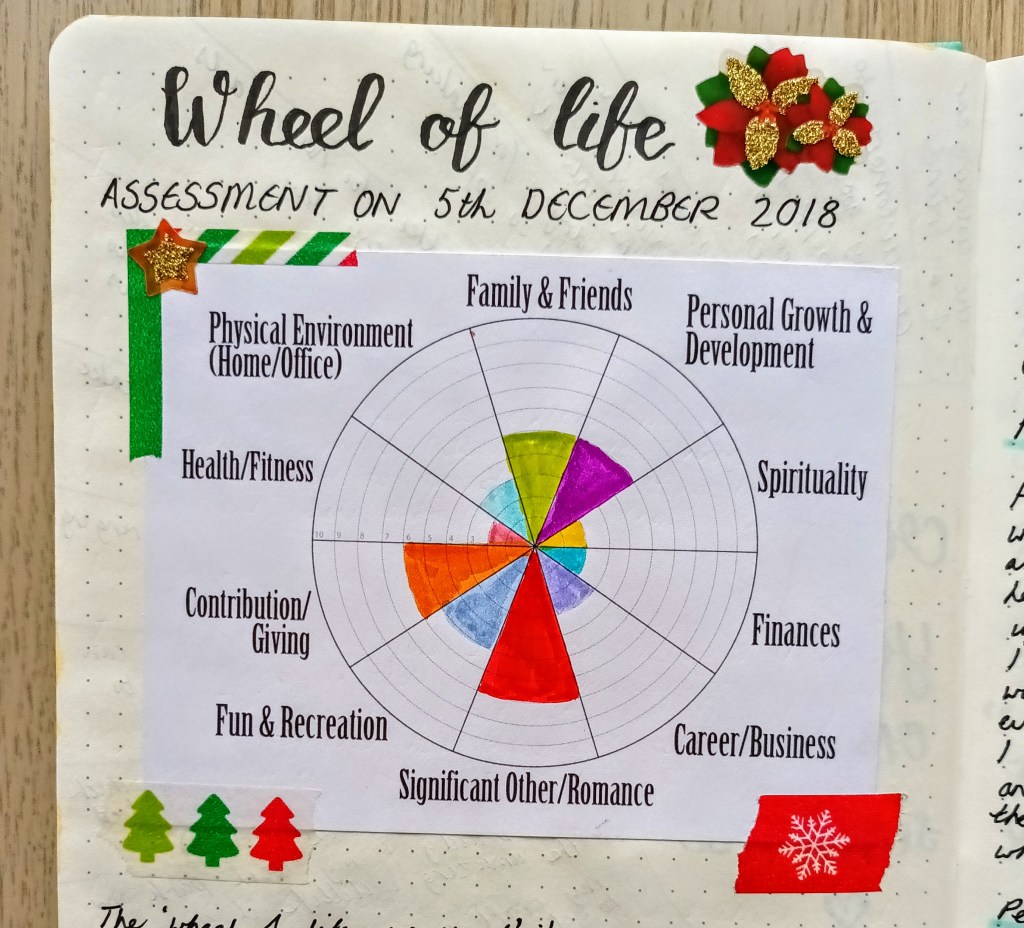
Another activity which you might like to try is filling in a ‘wheel of life’ or ‘life balance wheel’ to assess how balanced the different aspects of your life are. There are lots of resources online for this, including blanks which you can print off. Commonly used categories are:

  • Career / business
  • Health/fitness
  • Spirituality
  • Fun & recreation
  • Finances
  • Giving / contribution
  • Personal growth and development
  • Significant other / marriage / romance
  • Physical environment (home/office)
  • Family & friends

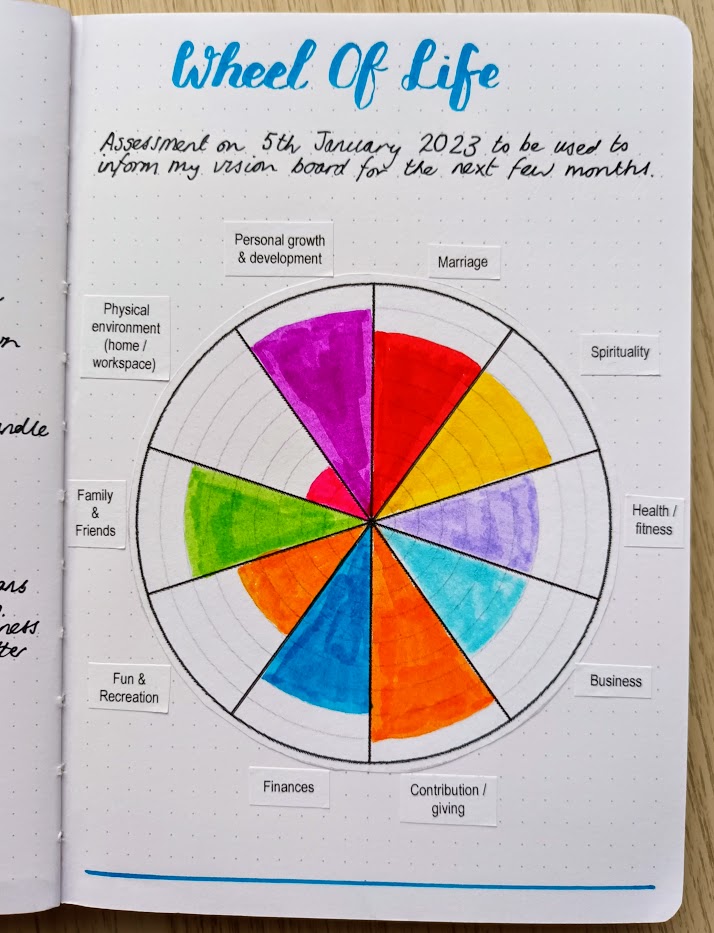
The category names can be tweaked to make them personal to you, so, for example, I would have marriage as a category, would choose business rather than career and have physical environment labelled with home / workspace. The idea is that you evaluate the aspects and give yourself a score out of 10 for each. This is mine from 2018 and it’s amazing to see how things have changed for me since then.

My wheel from the end of 2018 which I found in an old Bullet Journal

My new Wheel of Life!

When you’ve finished your wheel of life, you should see some categories that might benefit from a little bit (or a lot!) of work in order to level them up. For example, in mine, upgrading of the physical environment part of my life is my priority and I’m going to start with the part of my home that I spend most time in.

Personally, I prefer to work on tweaking things for the better rather than having grand ideas which are miles away from my current life. So, for example, if one of my current desires for myself was to have a healthy body and mind, I would think about things I could put in place to work towards this with small and achievable being the key words such as exercising for 30 minutes each day, making sure I eat at least 5 fruit and vegetables, having a balanced plate for my meals and doing at least half an hour of mindful activity each afternoon or evening or scheduling in other regular self care activities. This makes more sense than choosing what for me would be unreasonable goals such as losing loads of weight (unmeasurable), being a size 8 (not going to happen anywhere in the near future if ever,), eating a diet with no foodie treats (unmanageable) and spending two hours in the gym every day of the week (too high expectations).

One little word

Another idea you could try is to use a word to orientate you for the year / month / quarter. This was a tradition coined by Ali Edwards and is described on her website as ‘a word to focus on, to live with, to investigate, to write about, to craft with, and to reflect upon as I go about my daily life’. There are literally hundreds of words you could choose and if you want some inspiration, you’re welcome to check out my Pinterest board.

Vision board format

There are lots of different ways of making a vision board and some may be more appealing to you than others, so start asking yourself a few questions about what would work best for you and would be highly visible each day. Ideas include:

  • A vision board Pinterest board on your computer
  • A large A3 / A2 wall display which can easily be seen in a room of your choice
  • A collection of pictures and words added to a blank page in Canva and then used as your desktop on your personal/work laptop
  • Pictures and words surrounding the mirror where you do your hair/make up each day
  • An A4 sheet stuck onto your fridge with a magnet
  • A double page spread in your notebook or bullet journal

Whatever style you choose, it definitely needs to be one that you’re going to look at on a daily basis. It’s no good creating a vision board in a beautiful notebook and then placing it on a shelf to collect dust – that’s not going to help you manifest anything!

Collect your words and pictures

When you’ve become clear about what you want for yourself right now and have decided on an appropriate format, you can start to collect images and words which reflect this. There are a few different ways you can do this – you could get together some wellbeing related magazines, flick through them and cut out words and images which resonate or you could use Google or Pinterest and search for words and images related to your core values and ways of living you want to move towards. So, for example, if you want to increase the time you spend outdoors in nature, you might search for ‘woodland’, ‘outdoors’, ‘countryside’ or ‘walks in nature’ and then collect images that are the most visually appealing to you. I find it’s best to choose one image and a few words to represent each of your visions. You could even add an affirmation for each such as ‘I am a tidy and well-organised person’, I always take time to look after myself’, ‘I can do anything I put my mind to’, I dream. I believe, I receive. Personally, I like to type out words and phrases on my laptop, but an alternative method is to use letters and phrases from magazines in a kind of ransom note style!

Whilst collecting your words and pictures, try to avoid picking too many things to work on as this is the fastest route to overwhelm and lack of clarity. For my last vision board, I chose just five things to work on and a few mindsets which will help me progress. I selected two motivational images for ‘tidy and organised’ as this is my number one priority and what I want to spend the most time on. As you can see from my vision board at the start of today’s post, I print my photos on glossy photo paper (using my Canon Selphy) and try to choose images which really pop and little bits of décor here and there to try to make my board attractive to look at. If you love the way your vision board turned out, you’re much more likely to want to look at it every day and it’s more likely to inspire you to take action to reach your goals.

A few hints and tips to ensure your vision board works

For a vision board to be classed as working, it needs to be helping to motivated you to work towards your goals and to provide inspiration to keep you heading in the right direction. As I said earlier, I’ve had mixed success with mine through the years and have definitely learnt what helps and what hinders me in making progress. Here’s some tips and tricks which will hopefully help you manifest effectively:

Focus on one thing at a time. Take a look at your vision board and decide which item you are most drawn to right now. This could be something you feel would be easy to implement as a great way to get you started or it could be something which you believe would have most impact. For example, if I had a tidy and well organised craft room, it would certainly make it easier to do my current creative craft project and find and make a start on one of my sewing kits. You can still do things which contribute towards achieving your other goals but try to make one element your priority for the next few weeks or month.

Devote time (at least 5 minutes every day) to look at and think about your vision board. You could also try closing your eyes to visualise what you want for yourself and how you would feel / act / think if a particular vision became your reality. Research shows that visualisation is a powerful tool for manifestation.

Ensure that any goals you set as a result of your vision for the next month / quarter / year are SMART. Make them:

  • Specific
  • Measurable
  • Achievable
  • Realistic
  • Timely

Use the acronym to help you flesh out each of your goals and identify some steps to success. This might take a while – another reason why it’s best to work on one aspect of your vision board at a time.

To help you to instill new habits and or break old ones, try reading up on habit formation. I’m currently reading James Clear’s Atomic Habits and making notes on what I’ve learnt but there are plenty of online resources available too.

Schedule in time to reflect on what’s working, what’s not and your progress each week. If things aren’t working, consider why not and then think of new things you could try. How could you increase your progress? Might you need to create smaller steps and celebrate the tiny achievements to spur you on? Will scheduling in blocks of time each day to work towards your current focus help?

Try creating a ‘highlight‘ each day which will lead you towards your goal. This is a method discussed in the book Make Time by Jake Knapp & John Zeratsky and involves choosing a single activity to prioritise and protect in your daily calendar. When you are engaging in activity for your daily highlight, try to rid your space of distractions so you can really focus on the task at hand.

Don’t be afraid to make updates as you go. You can add things, remove things, tweak things or even start again from scratch if necessary. It’s your vision board and if you decide that one of your images just isn’t inspiring you or that a motivational quote someone shared on Instagram is perfect for your needs – make the necessary changes and hopefully reap the rewards!

When motivation does dwindle, go back and look at your journalling that you did at the beginning of the progress and re-read the answers you wrote to particularly pertinent questions. This should provide you with your ‘reasons why’ and help you to get back on track.

Final words…

I hope that today’s blog post has encouraged you to have a go at creating a vision board for yourself which will help you work towards your goals and desires and ultimately work on designing a life which matches your core values and helps you manifest the aspirations you have for yourself. Wishing you lots of success with meeting your goals for 2023.

Posted in art, bullet journal, Bullet journaling, creativity, goal setting, lifestyle, Planning and journaling, productivity

My new slightly later than mid year BuJo and Setting up for August – birthday balloons theme

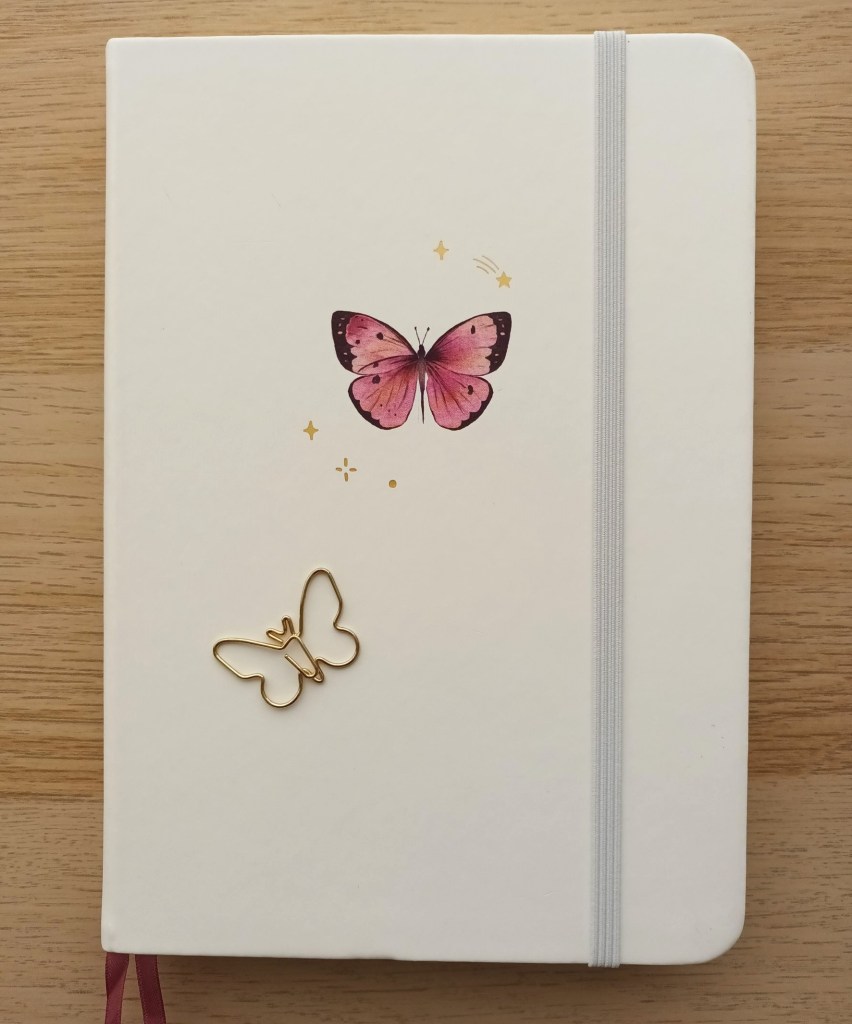
I’ve just finished my previous bullet journal and I’m excited to be moving in to a brand new notebook. This one is again from Notebook Therapy but the cover is white vegan leather with a beautiful butterfly on the front and gilded edges to the pages. I’m already wondering how long it will stay mark free for!

As we’re off on holiday shortly I’m going to keep this post picture heavy with minimal explanation. If you want to know anything about the spreads you can always ask in the comments.

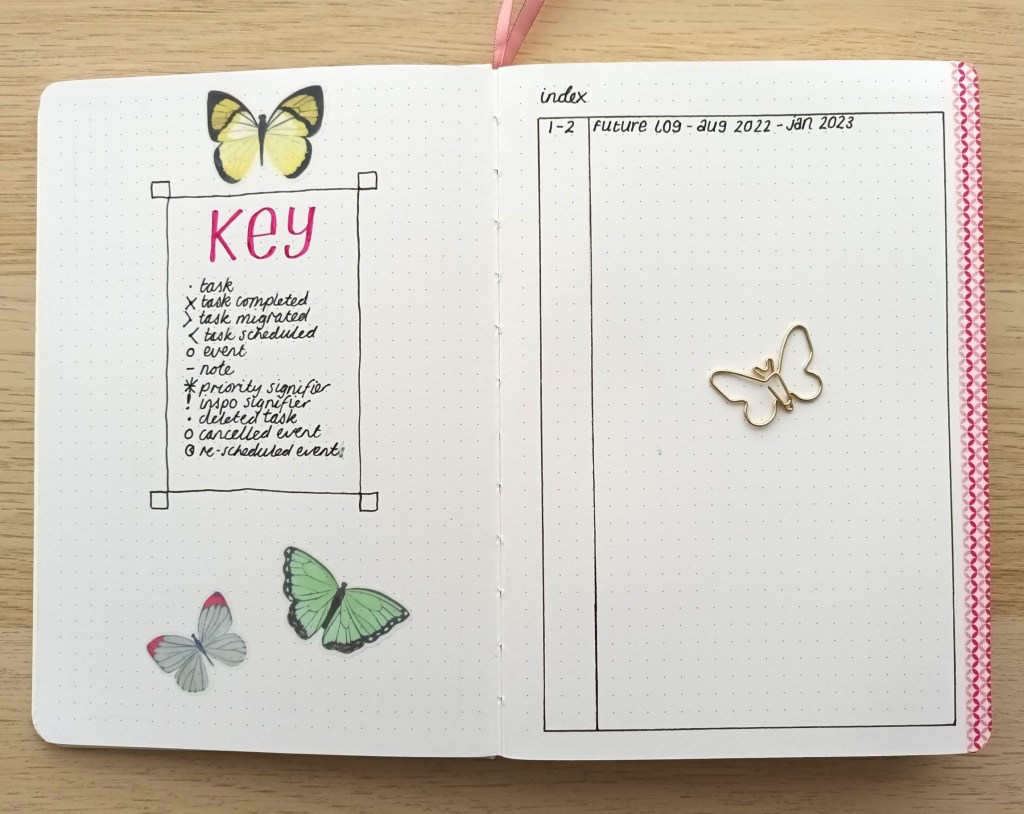
Key and index pages

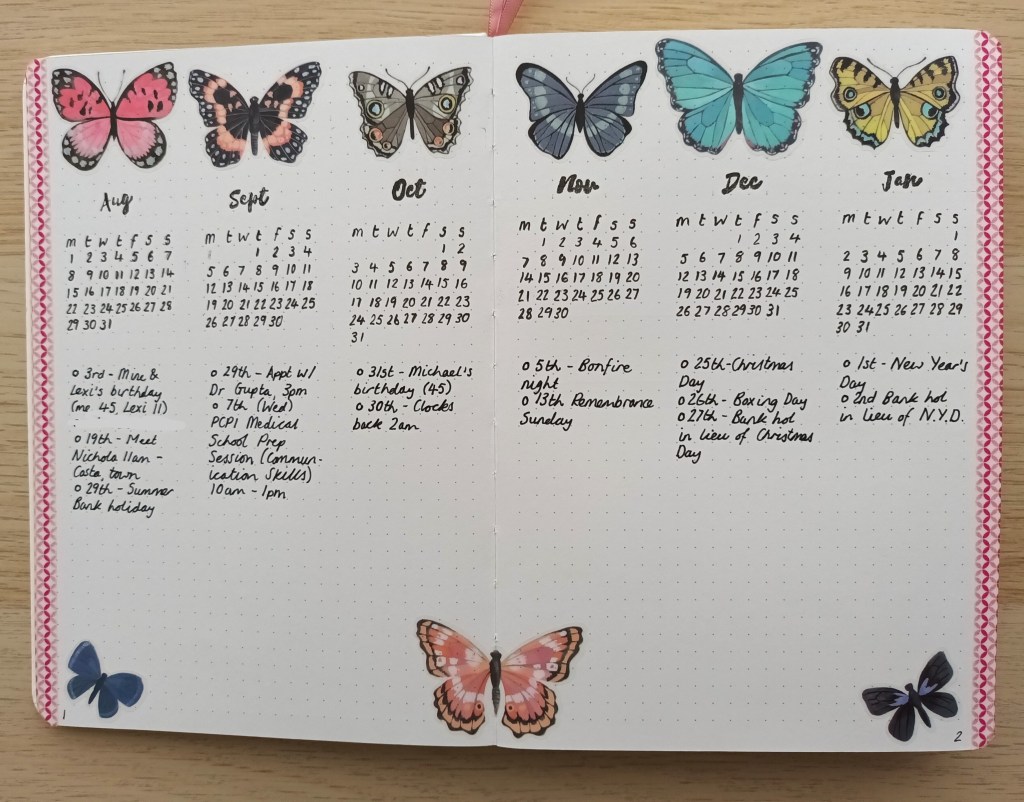
Future log

Photo credit: Laura Jones for Keeping It Creative blog

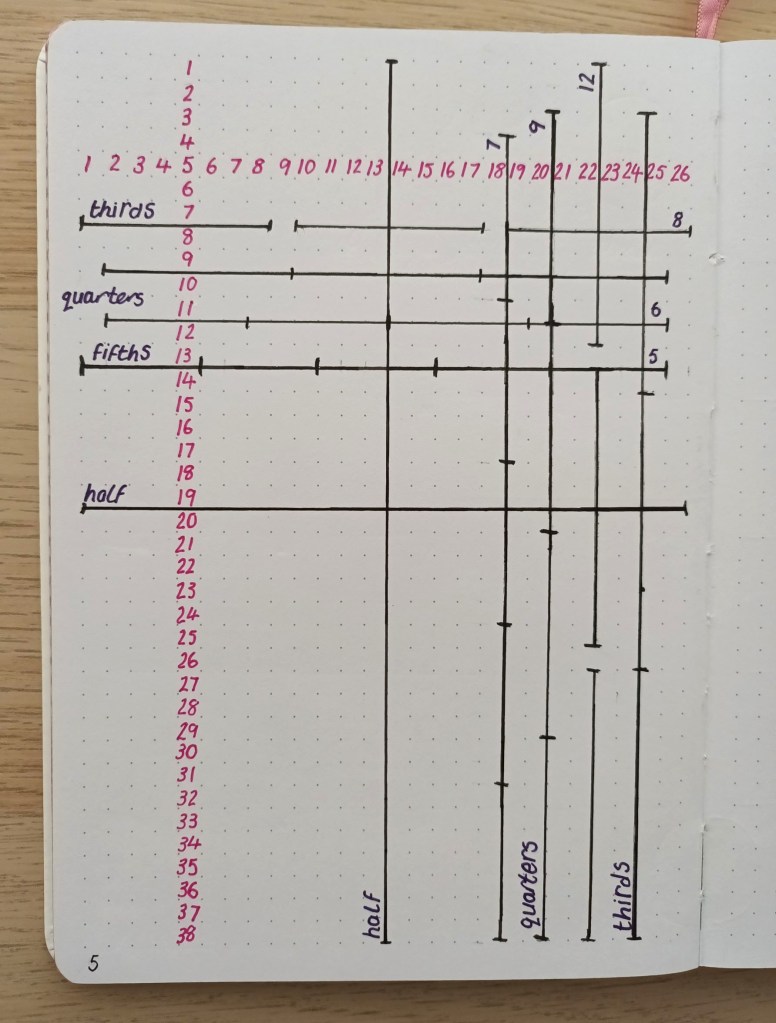
Grid spacing cheat sheet

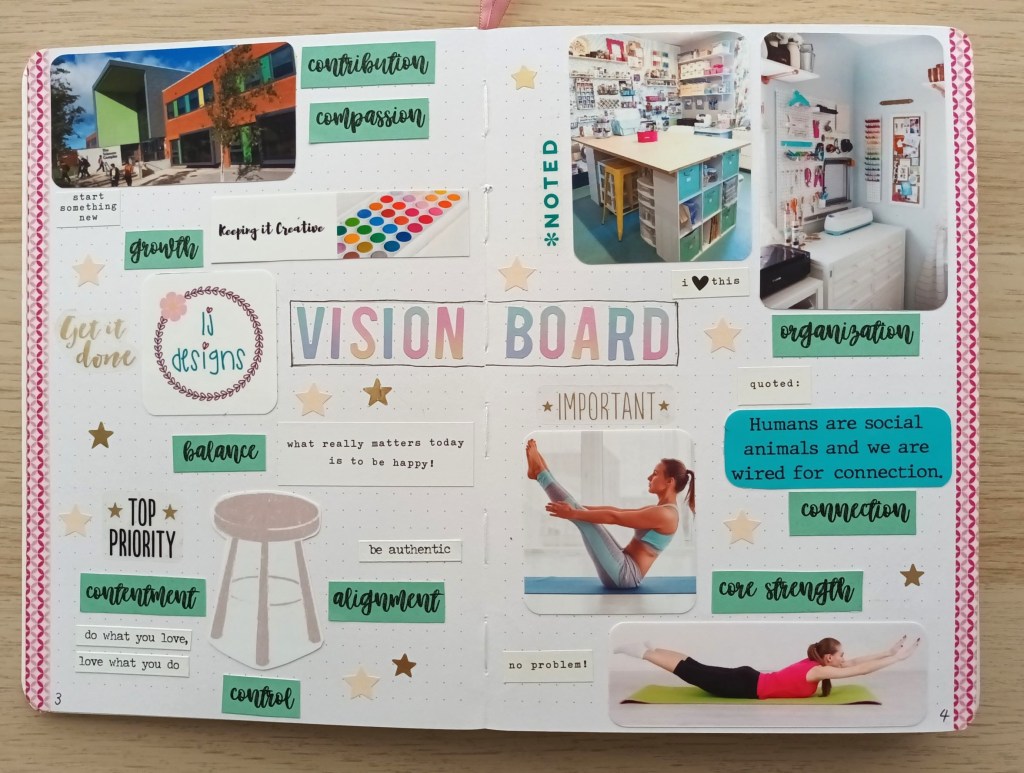
Vision board

I love how my vision board turned out. Some of the goals are ongoing from earlier in the year, some are new aspirations.

Photo credit: Laura Jones for Keeping It Creative blog

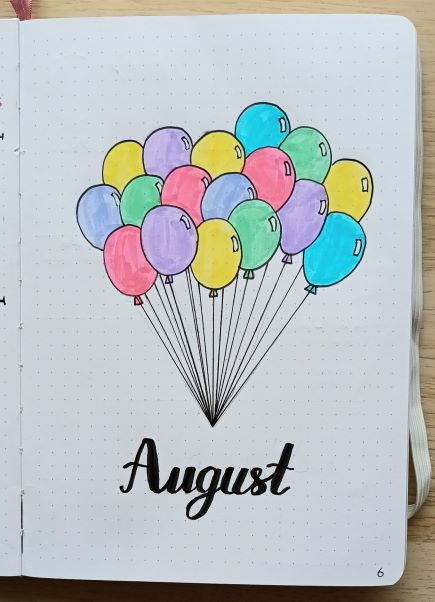
August front cover

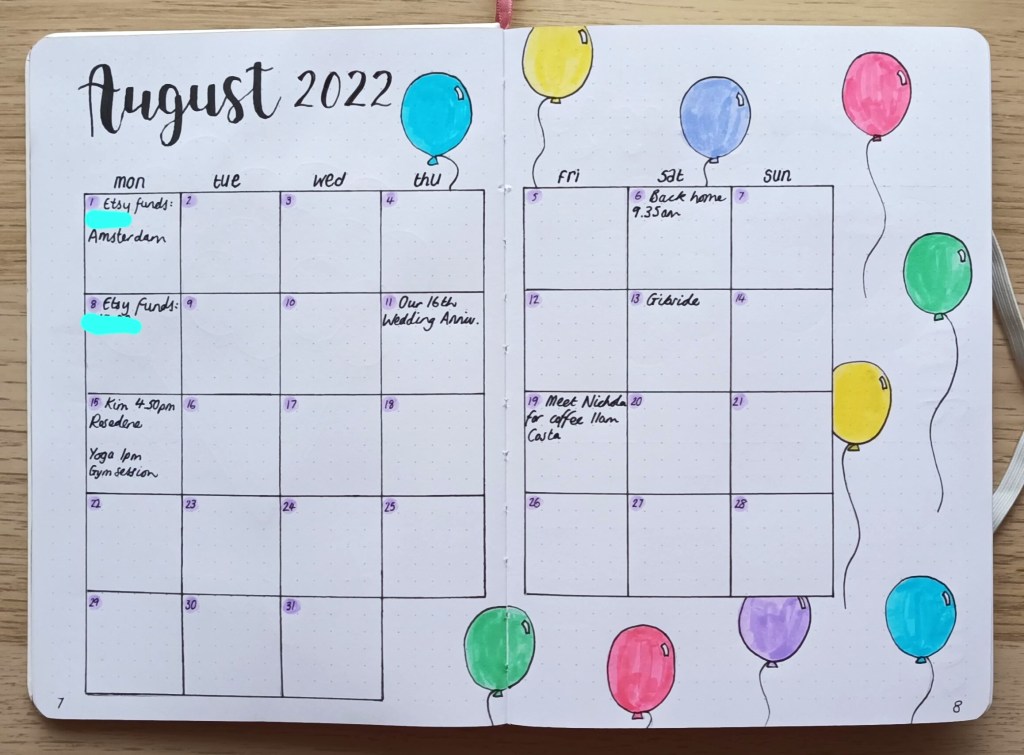
For my theme for August, I went for birthday balloons as my niece and our share our birthdays on the 3rd August. I completed my cover page on return from our holiday to Amsterdam. To make it quicker and easier, I used a tracing paper balloon shape to create the balloons but slightly altered them when I inked them in for a hand-drawn look. I used a 0.3 Pigma micron for each balloon and a 0.1 for the strings.

Photo credit: Laura Jones for Keeping It Creative blog

August calendar pages

I haven’t managed to get chance to do the front cover page yet but it will feature lots of colourful balloons in the colour palette used for the calendar.

Photo credit: Laura Jones for Keeping It Creative blog

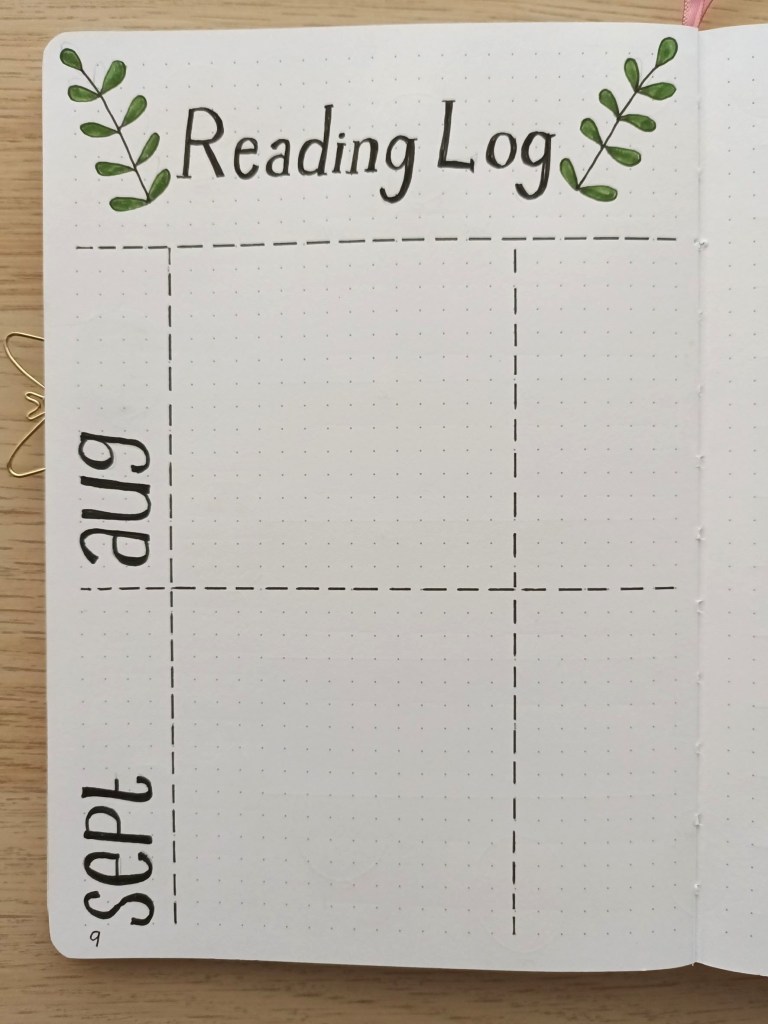
Reading log

A space for me to record books read in August and September and rate them out of 5 hearts.

Photo credit: Laura Jones for Keeping It Creative blog

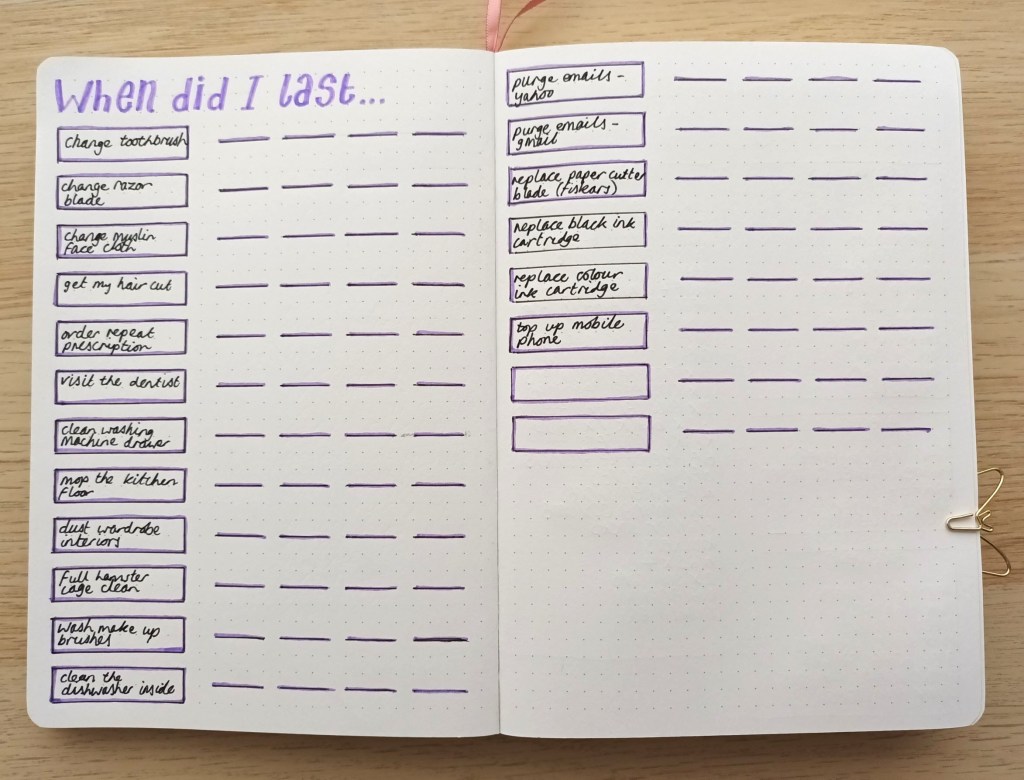
When did I last? spread

I found this really useful in my previous bullet journal, particularly for stuff that doesn’t get done that often so I’ve created a slightly more compact version.

Photo credit: Laura Jones for Keeping It Creative blog

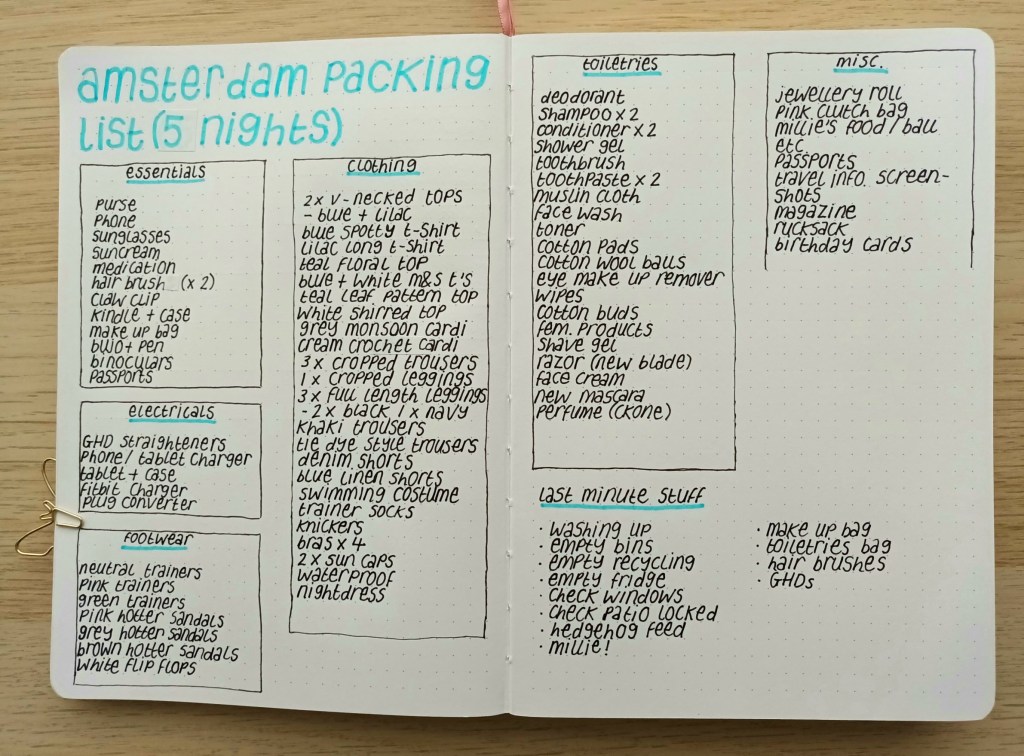
Packing list

I do one of these every time we go away and refer back to previous ones each time. Obviously things depend on the season where we’re going and how long for but there are some items I take on each holiday. The lists help me feel more organised and mean I don’t forget things.

Photo credit: Laura Jones for Keeping It Creative blog

Final words…

I hope you’ve enjoyed looking at my new bullet journal and my spreads. I always find it exciting to start a new notebook but at the same time I worry about making mistakes (which I inevitably do!). However, then you have the opportunity to get creative with how you fix the problem(s). Wishing you all a wonderful August.