Posted in physical health, wellbeing, wellness

Monday Matters: 6 activities to boost your cognitive function and increase your brain power

Cognitive functioning refers to the mental processes that we use on an everyday basis to gain knowledge and develop comprehension. It includes our ability to think, learn, remember, pay attention, perceive, plan, communicate and problem solve. As we get older, our brain function can deteriorate, but the good news is, there are lots of activities that we can do to help prevent that decline. Today, I’m sharing six styles of activity that are great for boosting your brain power and are super easy to incorporate into your daily routines.

Puzzles and games

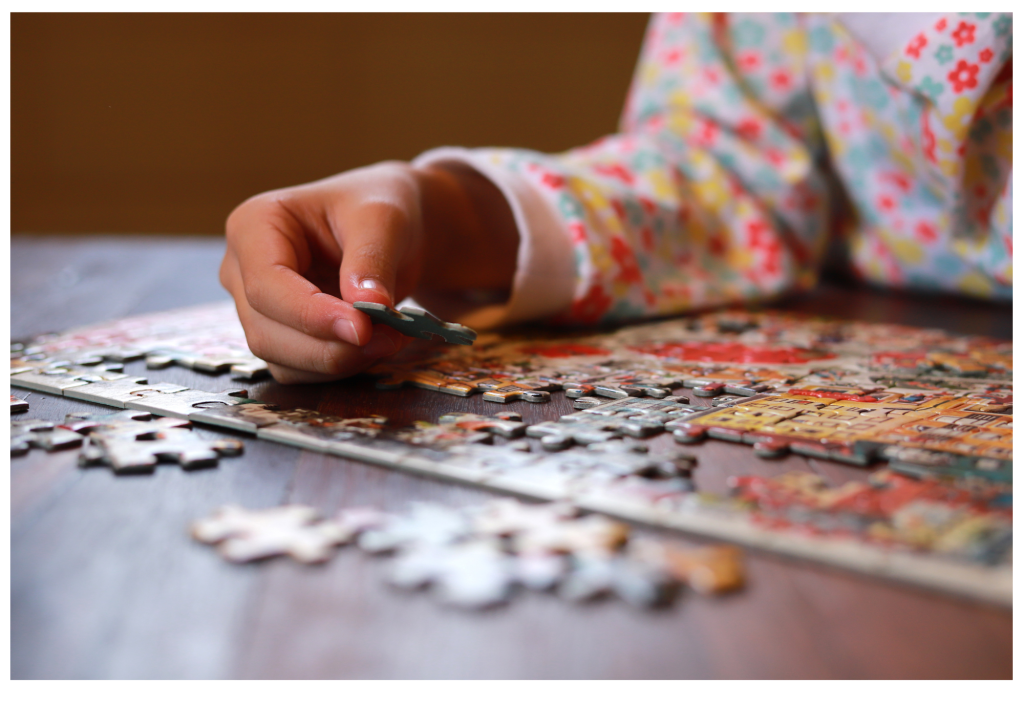
As well as being a calming and mindful activity that reduces stress, doing puzzles or playing games is great for giving both sides of your brain a really good workout – the left being associated with logical thinking, and the right being linked to creativity, intuition and imagination. Regularly doing a range of different types works to improve memory, spatial awareness plus analytical and logical thinking.

There are so many different types of puzzles and games that it would be impossible for me to list them all, but here’s a few that come to mind:

  • crosswords
  • wordsearches
  • jigsaw puzzles
  • sudoku
  • Boggle
  • Scrabble
  • riddles
  • logic puzzles
  • anagrams
  • Wordle (one of my favourite games to play on my tablet right now!)
  • tangrams
  • Rummikub
  • Angry Birds 2 (I’ve been playing this daily for about 6 years so had to include this one!)
  • Snakes and Ladders
  • Monopoly
  • Arrow-words

Whichever you choose, it’s important to make sure that they provide the right amount of challenge but aren’t so difficult that you lose interest in them or they become a chore rather than something fun to do.

Learning new skills

Just because you’ve left formal education behind, doesn’t mean that you should no longer consider yourself a learner. Last year, I wrote a couple of blog posts encouraging life long learning – this one discussing the key benefits and the second part offering ways to learn something new each day. Skills you might like to develop could include cookery, flower arranging, drawing, hand-lettering and calligraphy, painting, photography, gardening, self defence, playing an instrument, speaking a foreign language, papercrafting, Tai Chi, yoga, Pilates, upcycling, creative journalling, sewing, basic first aid, mindfulness, self-compassion, productivity, positive thinking, aromatherapy, money saving, goal setting and goal getting.

There are lots of different ways to learn such as taking a face-to-face or online course, reading a book or watching You Tube videos to name a few. You could also learn from a friend, family member or colleague who has good knowledge of the subject. Assisting someone else also helps the person playing the teaching role too as it strengthens their understanding and develops their communication skills.

Doing creative activities

Once you’ve developed the basic skills involved in a creative past-time or hobby, you can put them to good use in a range of different ways. You might use your watercolour skills to paint your favourite animal and then frame it in your home. You could use your gardening knowledge to create a vegetable patch and then use your produce in your home cooking. Or you might make some bright and colourful new cushions for your living room using your sewing machine instead of buying some from the store. Whatever creative pursuit you engage in, you’ll be giving your brain a great workout in so many ways by using your imagination, planning out your project, expressing yourself in different ways, solving any problems that arise, making decisions, changing your mind or your approach, paying attention to the little details and so much more.

Dancing

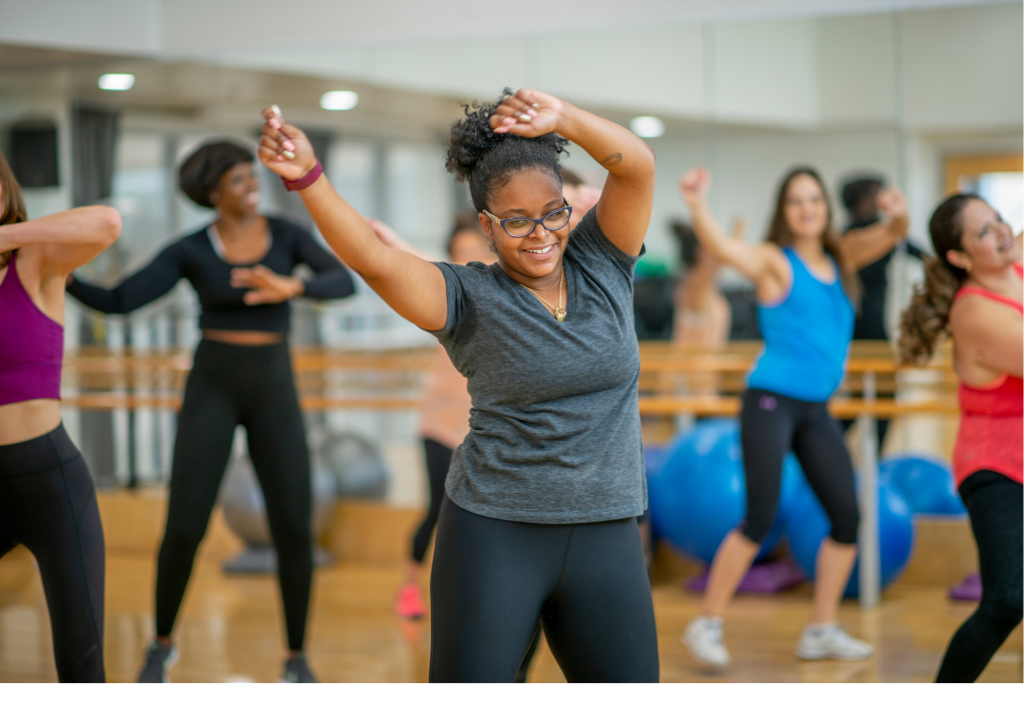
I hadn’t given this much consideration before, but during my research for this post, I found several scientific studies which had explored dance as a way of improving cognition (as well as being fun exercise to get you or keep you fit!). I do several Zumba classes and Dance Fit each week when I can and love them both. It can be a real challenge learning the steps, keeping in time with the music, paying attention to and following the instructor (especially when you get tired towards the end) and making sure you don’t don’t crash into anyone else in the class!

At my gym (Everyone Active), there are also special classes for older adults such as Forever Fit and Zumba Gold and both of them are very well subscribed! Of course you don’t have to have a gym membership to enjoy dancing – just put on the radio or other source of your favourite music and bop around the room!

Meditation

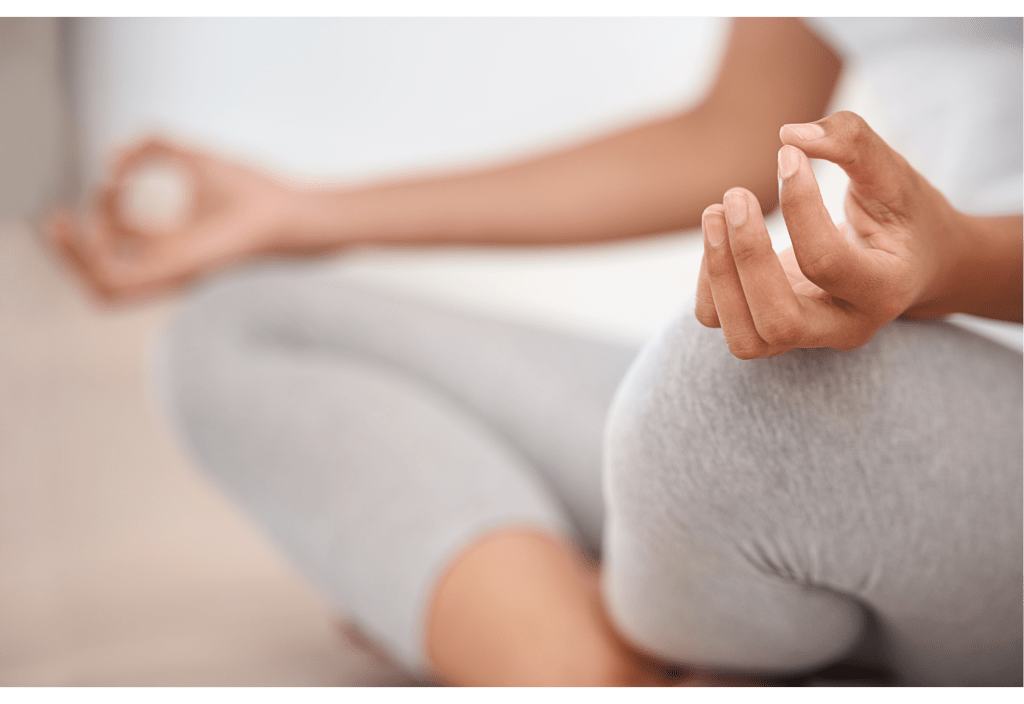
Incorporating a daily meditation practice into your morning and/or evening routine can enhance cognitive function in a number of ways. This non-judgmental and intentional awareness of the present moment helps improve attention and concentration as you spend time focusing on your breath, bodily sensations, sights or sounds. It has also been shown to increase the thickness of the prefrontal cortex in the brain, leading to better executive functioning by improving memory, problem solving skills, decision making and the ability to easily switch from one task to another as you go about your day.

Visualisation

This is a simple visualisation exercise you can do first thing in the morning after breakfast. Basically, you pick an activity that is on your to-do list or part of your plan for the day which you’ve done at least a few times before. Then, you close your eyes, and you visualise yourself doing your chosen activity. So, for example, if you’re heading to the supermarket that afternoon for a few bits and pieces, you could go through the actions involved in your mind and picture yourself doing all of the steps that are involved. Try to remember every part of the process in detail, right from locating and putting your shoes on, donning your coat and picking up your keys, all the way to carrying your bags back and unloading the items to your fridge, freezer and cupboards.

Final words…

I hope you’ve found this week’s Monday Matters useful and it has helped you to think about quick and easy ways in which you can give your brain a good workout each day. Let me know in the comments which of these you already incorporate into your routines and which you’d like to give a go in the future. Remember that if you enjoy doing an activity and find it beneficial, you’re most likely to keep it up and make it a habit.

Posted in Bipolar disorder, mental health, mental illness, physical health, relationships, wellbeing, wellness

The Good, the Bad and the Ugly of Hypomania in Bipolar Disorder, including my personal experience

Right now, I’m going through a period of hypomania as part of my bipolar disorder. It seems to have been brought on by Covid-19 because, despite feeling awful physically, my mind was racing and I was getting less than 4 hours sleep in total. Desperately craving some calm to help myself recover from my temporary illness, I turned to a packet containing medication I was given when I was getting used to my bipolar meds namely Diazepam. I thought as I recovered from the virus, things would settle down but so far, as I write this post, they haven’t. I’m trying desperately to do mindful activities to help myself get back to a stable state (what I would usually describe as my ‘normal’) but it’s proving difficult and I’m worrying that I’m going to get worse.

As part of my hypomanic episode, I’ve got literally hundreds of ideas for blog posts, creative pursuits, ways to improve my life and things I absolutely need to start doing. In some ways this is good as, before Christmas, I was struggling with tiredness and didn’t want to do as much with my day and worries that I was becoming depressed filled my mind. However, being ‘high’ means I’m constantly adding to my to do list (or my ‘must do’ list as it feels) and I find myself working on ‘projects’ until late evening and not wanting to stop. And then, surprise surprise, my mind is full of stuff and I’m struggling to switch off when my husband and I settle down to watch TV and I’m finding sleep just will not come.

My husband is still feeling tired from Covid and by the end of the working day, he’s exhausted and finding it difficult to listen and pay attention to my constant witterings. You see, when my mind is full of thoughts and ideas, I get verbal diarrhoea which is not good news for me or my husband – I can’t stop talking and I talk so fast that he can’t keep up. Even my text messages become long and waffly! And if my husband asks a question that has already been answered or he’s failed to compute something I’ve said, I’ll become irritated and short with him.

Talking of being irritated. I’m getting annoyed with all kinds of people and things. A slow driver in front of me on the way to the supermarket. Someone who doesn’t say thanks when I let them pull out. Ink on my hand because of being a leftie. The queue at the post office meaning I have to wait to collect my Amazon order. Having a headache because I’ve failed to drink enough water during the day. The list goes on, and on, and on!

I’ve also noticed that I’m buying more ‘stuff’ in a bid to improve my life. Luckily, I don’t struggle with mania (as I have bipolar 2) so I won’t make huge purchases like a brand new car or an expensive holiday, but things become much more attractive when I’m high. I was in TKMaxx a few days ago, and the more I looked around, the more I wanted things and so I made my purchases (a new pen pot, a cute bird mobile phone holder and 2 gorgeous sky blue matching chopping boards) and swiftly left the shop. My husband will never say no to something that I really want and it makes me feel guilty afterwards when I’m back to my ‘normal’ stable self and our expenses for the month are way more than usual.

These are a few of the difficulties I face which could be described as ‘bad’, but what about the ugly? By ugly, I don’t of course, mean that I turn into a grotesque monster who people can’t stand to look at. I’m really referring to the effects that hypomania can have on character, traits or behaviour. For example, I can have a short temper and might raise my voice to my husband in frustration for being too slow to answer a question, forgetting something, not getting ready to go out fast enough or for asking me to repeat something I’ve said (when talking at speed and not stopping). I might also make comments about someone that I would consider to be nasty at any other time. Or my inflated ego might make me believe that I’m superior to others and that I could do a better job than them. Although I may or may not say things out loud, I don’t want to be someone who voices or thinks horrible things.

In the past, when I was on a high dose of antidepressants and no mood stabiliser, I would sometimes believe I was better than every teacher in the school and that they weren’t as dedicated as me because they took a proper lunchbreak or left before the school closed at 6pm. I would also often speak in a way which to others, might sound like I was full of my own self-importance. Then, I would rush around trying to do everything at once in a bid to maintain the illusion that I was the best! Needless to say, after trying to keep going and going like a Duracell Bunny, I would inevitably crash and either become physically unwell, mentally exhausted or depressed.

Before my diagnosis, I would go through lengthy periods of depression where I had no confidence in myself and got anxious and cried on a daily basis. I also sought reassurance from my husband constantly. However, when going through a period of hypomania, I genuinely believed that I didn’t need anyone’s help and support and that I no longer needed a husband / family / friends for encouragement, support or just to be there. Especially as everyone and everything seemed to irritate or anger me.

Over the years, I’ve learn to apply strategies to calm myself down and the medication I take helps immensely. However, I will never be cured so I am learning to live with my relatively recently diagnosed illness (even though I believe I’ve had the condition since my late teens) and my husband is incredibly patient with me and supports me in any way he can. Whether I listen to his advice or not depends on my mood! However, I’m grateful to have found someone so wonderful to share my life with and put up with my changing moods.

Final words…

I’m hoping that today’s post has given you an insight into the effects that hypomania can have on an individual. I believe it’s important for everyone to know a little bit about it as it’s likely that most people will know someone who is bipolar, even if they’re not aware of an individual’s diagnosis. If any of the writing doesn’t make sense, it will be because most of the above was written at 4am on my phone whilst I sat downstairs frustrated that my mind wouldn’t rest!

It’s taken me at least a week to finish and publish the above and I’m pleased to say that things are starting to settle down. I’m no longer taking diazepam for sleep and my mind has started to calm down a little. I still have lots of ideas and projects but I’m trying to make sure I only work on those which add value to my life. I’m also adopting the done is better than perfect way of doing things. Hopefully, I’ll continue to head in the right direction towards ‘stable’ a term I’m trying to use to describe my state rather than ‘normal’.

If you would like to know more about bipolar disorder and how it affects individuals or you suspect a love one may have the condition, the NHS website has pages of really useful information, including more detail about its presentation . Although symptoms different from person to person, there are set list of signs which are likely to be visible.

Thanks for reading!

Posted in amateur photography, Anxiety management, bird spotting, lifestyle, wellbeing, wellness, wildlife

Monday Matters: Wildlife Watching for Wellbeing

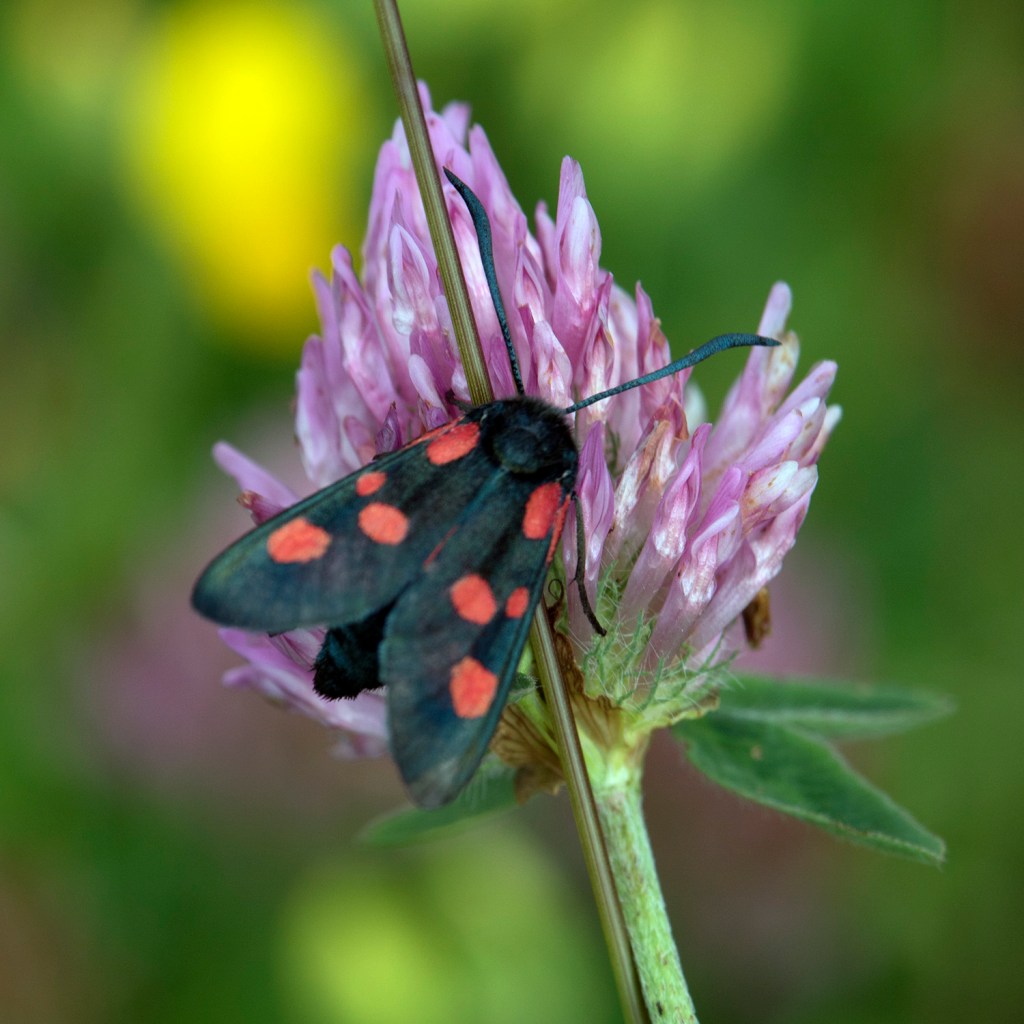
Six spotted burnet moth

Over the past month or so, I’ve taken a real interest in watching wildlife and found it to be amazing for my general wellbeing. It’s such a calm and relaxing activity and the perfect way to engage in some mindfulness as it encourages you to be in the moment and really study the action with your five senses whether that’s watching a blackbird taking a bath, listening to the screeching sound of swifts zipping around the sky or quietly observing butterflies sunning themselves in a wildflower meadow whilst feeling the warmth of the day on your skin.

Today, I thought I’d share some of the benefits of wildlife watching that I’ve particularly enjoyed and also include some of my photographs which I’m pretty proud of as I took them in manual mode on my DSLR. I hope you enjoy the post and that, ultimately, it whets your appetite for wildlife viewing this summer season and beyond.

Learning about what’s out there in my locality

Quietly observing in our garden and other local settings such as parks, forest, woodland, heathland, meadow or the coast, I’ve been able to see and enjoy all of the different wildlife and begin to learn more about them. I now know that greenfinch have started visiting our feeders and that, despite us having an overhanging conifer trimmed significantly by a tree surgeon, there are still plenty of birds nesting in what remains, albeit in slightly closer proximity to each other! In my quest to photograph butterflies this summer, I’ve learnt why we have much fewer individuals this season (poor weather at the start of summer) and where I’m most likely to spot different species. I’ve also observed the six spotted burnett moth in tall grasses at the cost, and discovered where their favourite places to land are.

Learning something new each day not only helps with personal growth but it also develops a sense of accomplishment which I believe is essential for wellbeing. There’s nothing better than sitting down at the end of the day, (whether busy or more relaxed) and recalling something new that you didn’t know yesterday.

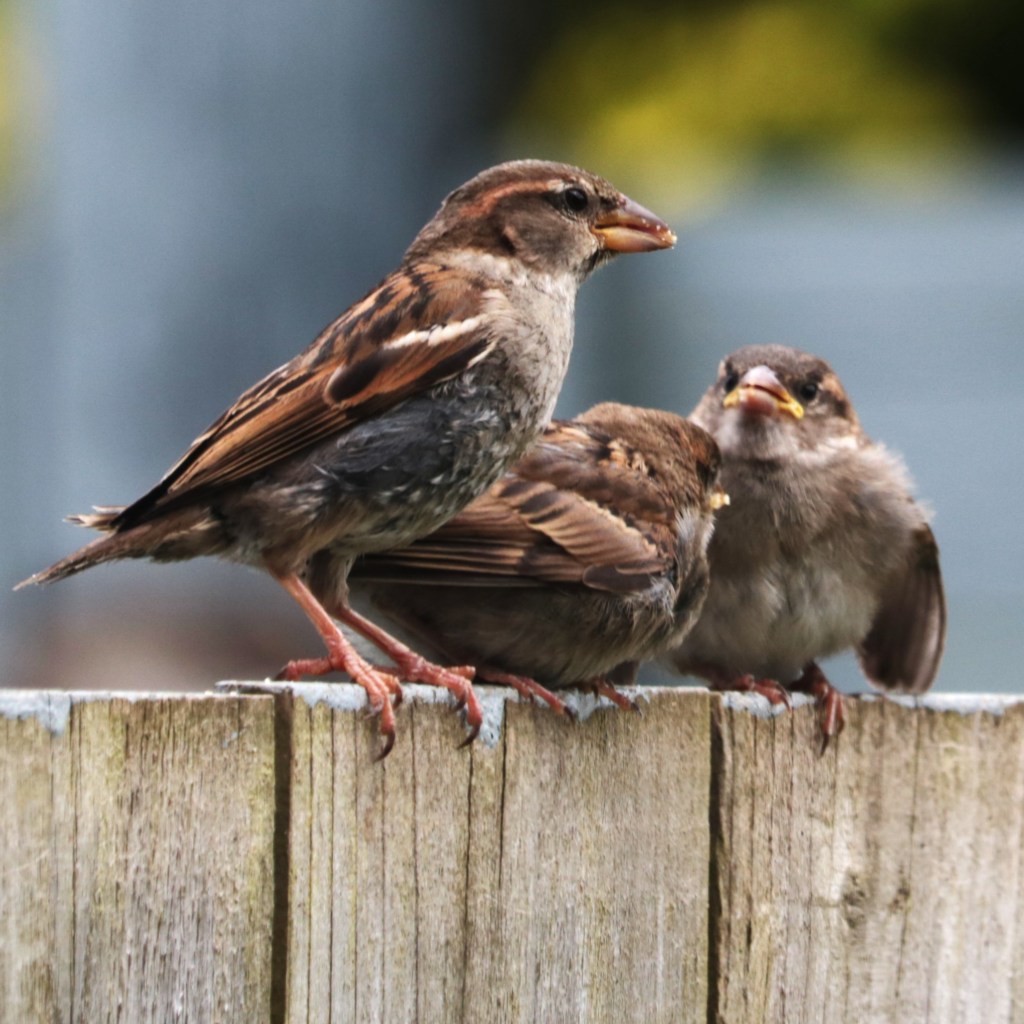
Female sparrow and her young on our garden fence

Expressing gratitude

I find there’s something to be grateful for every day of the week (in fact I write 3 things in my The Five Minute journal each morning), but I’m always especially excited when I witness something new or go somewhere a bit different in my quest to explore wildlife in the North East of England and beyond. I’ve just started reading Hannah Stitfall’s recently published book, Wild Treasures, where she documents a year of watching wildlife in her home county of Cornwall – a place I have visited and loved many times as a child and throughout my adult years. However fruitful (or not) her trips to wild places have been, you get a really sense of how lucky she feels to have these opportunities on her doorstep, and I must agree – we have so many amazing natural spaces throughout the UK that are just waiting to be explored.

I often find my wildlife spots end up being recorded in my highlights of the day or as part of my morning gratitude writing, whether that’s mentioning our plans for an exciting day out exploring nature and the wildlife it has to offer, or recalling the feeling of a good spot.

Opportunities to practise using my zoom lens

I’ve had my zoom lens for a long time now and I’ve often been frustrated by its limitations in terms of getting close up shots of birds (it’s really not powerful enough and I would need to invest in one of the huge ££££ lenses which I’ve seen used in hides). However, I’ve now discovered that it works really well for insect, plant and flower photography when placed at a distance of 0.85m from the subject. I’ve built a collection of macro shots which are pretty good for an amateur and I’m enjoying adding these to my journals and sharing them on Instagram.

Again, this chance to explore and develop my skills (with both the photography and the use of Photoshop to edit my images) has been a real boost to my wellbeing, including when I add my photographs to social media and use them in my creative journals and show them off.

Small white butterfly at Ryhope cliffs

Enjoying the beauty of all that nature has to offer

As I mentioned earlier, we have some wonderful natural spaces across the UK and I thoroughly enjoy exploring the flora and fauna of different places. Sometimes, I’ll visit familiar places such as the coast, where at this time of year, I can see razorbills, kittywakes (and their young) reed buntings and meadow pipits and mammals such as grey seals and even dolphins! On other occasions, we’ll go further afield to favourite locations and places on my must visit list. Wherever I go, alone or with my husband, I tried to stay in the moment and really appreciate the beauty on offer as I look out for the wildlife to be spotted.

Mindfulness and its many benefits

I’ve talked about mindfulness and the many benefits in various previous blog posts. For some people, mindful activity is all about meditation, but it’s much more than this, practising mindfulness involves being in the present moment and developing a quiet awareness of your immediate environment, and I’m sure you can see how wildlife watching fits in with this. There are too many benefits to list here but a few include reducing anxiety and depression, lowering blood pressure, improving sleep, lowering stress levels and better ability to manage long term illness and chronic pain.

Improved physical health

Although I love watching wildlife from my own back garden (or via the kitchen window as I wash up!), there are so many more opportunities in the North East of England and further afield. As well as the chance to breathe in fresh, clean air, as I explore the natural environments, for me, my travels often include a brisk walk too. Adding in an uphill trek, a saunter across various fields, beaches or heathland on our way to more remote locations, offers a wonderful and more relaxing way to exercise which is completely different in experience to my gym sessions and various classes. Also, whilst your focus is on looking at the stunning views and watching out for various fauna, you’re often barely aware of what a good workout you’re having at the same time!

A sense of community

One of my absolute favourite ways to watch wildlife is to go to a nature reserve (especially one which has some bird hides) and take my binoculars for close up viewing and my DSLR camera for recording my spots. We’re lucky to have a number of locations within an hour and a half’s drive including Rainton Meadows (managed by Durham Wildlife Trust), Hauxley Nature Reserve (Northumberland Wildlife Trust) and RSPB Saltholme. When we visit, there are always plenty of others walking around the reserves or observing birds from the various hides and sharing these spaces develops a really sense of belonging, especially as you know that we’re collectively there for similar purposes – exploring the beauty that nature has to offer, enjoying the peace and quiet, looking out for different species and ultimately hoping to spot something new.

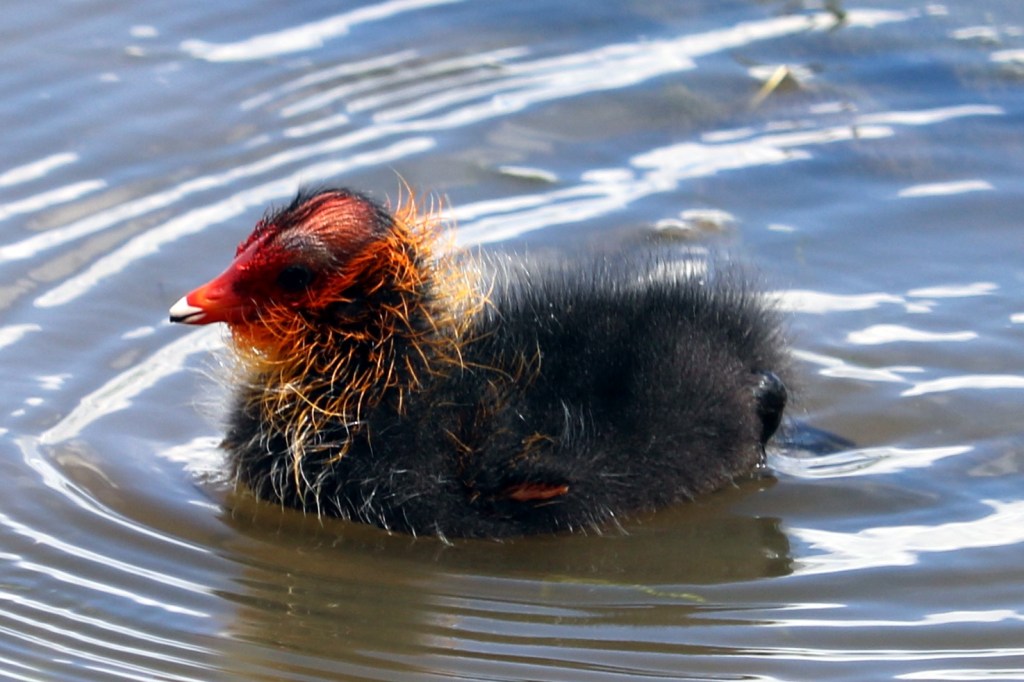
Coot chick at RSPB Saltholme

Wherever you live in the UK, I guarantee there are wild spaces on your doorstep to be explored and shared with other locals. Even in London, there are vast parks across the city offering peace, quiet, wildlife and the chance to get away from the busyness of the place and most people there have the same objective.

Final words…

Although I haven’t covered them here, there are various scientific studies done which offer proof of the mental health benefits of wildlife watching, especially bird spotting. It’s no surprise, then, that many of us turned to walking in the great outdoors during the pandemic to reduce our stress levels and find pleasure in nature. I wonder how many of you still make the time to visit natural spaces as part of your routine each week now there are no restrictions on your activity choices? I would love to hear if wildlife spotting is as valuable to you as it is to me to maintain good wellbeing and general happiness. I’d also be over the moon if you’ve found benefit from reading today’s post and it has encouraged you to find time in your busy weekly calendar for this perfect mindful self-care activity.

Posted in goal setting, journalling, life hacks, lifestyle, meditation, Mindfulness, mindset, self care, Setting goals and intentions, wellbeing, wellness

Monday Matters: Discovering joy in every season of the year using The Happiness Year by Tara Ward

A few months ago, I was looking in the health and wellbeing section at Waterstones and came upon a beautifully illustrated book about finding joy throughout the year by trying out different seasonal activities. At the time, I didn’t purchase it, but I regretted my decision so I ordered it from an online retailer. When it arrived, I added it to the bookcase in my craft room as I was already in the process of reading about 8 different books which is a few too many even by my standards. I pulled it out a few days ago and there are some lovely activities inside in the section which I started with – Spring. I tried out the first exercise this morning and really enjoyed it so I thought I would give a short summary of the book and share that first prompt with you today.

The Happiness Year: How to Find Joy In Every Season by Tara Ward

In the introductory section of the book, Tara discusses the aims of The Happiness Year and also talks about the emotion of happiness and the four positive chemicals that are released into your body when you’re happy – dopamine, oxytocin, serotonin and endorphins (referred to as DOSE throughout the book). She then goes on to explain how to use and enjoy the book.

The remainder of the book is split into four sections – Spring, Summer, Autumn and Winter and there are a collection of exercises provided in each which you can pick and choose from. In combination, they promise to help you in an holistic way – physically, mentally, emotionally and spiritually. Personally, I think I will probably try out all of the different activities and see which I prefer and benefit from the most.

Included within the book, there are journalling and brainstorming activities, meditations, physical exercises, goal setting and planning tasks, plus many more to explore and enjoy. You are also invited to complete them in a way that feels comfortable for you, taking into account individual differences and preferences.

So far, I’ve only read the Spring chapter in depth but I’ve had a good flick through all of the book and I can already see there are many exercises that will appeal.

Exploring your thoughts, feelings and ideas about Spring

As I said earlier, I completed the first activity this morning and I enjoyed it so much that I felt compelled to share it with you. I think this exercise would work well for each of the four seasons, not just Spring. Here’s a step by step explanation of what to do:

  • Take an A4 piece of paper and place it in front of you
  • Write the word SPRING in large letters at the bottom of the page
  • Close your eyes and take three deep, comfortable breaths to focus you in the present moment
  • Open your eyes and look at the word
  • What comes to mind when you think of Spring?
  • Write down everything which comes up for you
  • When you’ve run out of ideas, close your eyes again, breathe deeply and continue thinking about the season
  • Note down any further ideas or images which come to mind
  • When you feel you’ve finished, look over your sheet
  • What jumps out at you the most? Circle any words or phrases which particularly resonate or feel important to you. Are then any surprises?
  • What is the overriding emotion when you look at your words? Write that emotion or emotions at the top of the page.
  • Look through the words and make a list of those which generate feelings of happiness.

I hope you found this a helpful exercise and it reminded you about all of the lovely things which happen in the Springtime. I’ve included my sheet below, how does it compare to yours?

Photo credit: Laura Jones for Keeping It Creative

Final words…

If you enjoy mindful activities such as journalling, setting intentions, exploring the world using your five senses, breathwork, meditation and appreciating the simple things in life, I would definitely recommend checking out The Happiness Year. The book will help you find ways to appreciate and make the most of all of the things that each season has to offer you. You’ll also find a range of self care activities to increase your happiness levels by releasing a good ‘DOSE’ of positive chemicals. Let me know if you try the exercise outlined above and how it made you feel.

Posted in lifestyle, mental health, Mindfulness, Planning and journaling, reflective journalling, wellbeing, wellness

Monday Matters: 4 Ways to Destress after a Busy Day

Photo from Unsplash

Most of us lead very busy lives and it can be incredibly difficult to switch off and relax in the evening in preparation for a good night’s sleep. Today, I’m sharing four excellent ways to wind down after a stressful or busy day. The following activities are great for your mental health and wellbeing and I’m going to be offering lots of different options to choose from depending on your preferences.

Do a journalling activity

After a busy or particularly stressful day, it can often be super difficult to calm our mind. Your head can be full of all kinds of clutter in the form of thoughts (both positive and negative), ideas or feelings. Maybe you’re busy analysing or deconstructing everything that has happened and going through things that were said. Perhaps you’re worrying about your mounting to do list and what didn’t get crossed off today because of x,y and z which took priority. Or, you might be looking towards tomorrow, thinking about the events in your diary or how you can be super productive and get more done whilst making it a calmer, less stress inducing day. If any of the above apply, you might be wondering if you will ever be able to switch off and sleep tonight. This is where getting your thoughts and feelings out of your head and onto paper can be super helpful. Just ten minutes of free flow or structured journal writing can make all the difference.

I learnt the following method for putting the day to rest when I was teaching, when every day was a busy day and I was really struggling to relax and sleep.

Putting the day to rest activity

  • Set aside 20 minutes in the early evening (I used to do this at 7.30pm)
  • Sit down somewhere quiet
  • Think about your day today and how it has gone, what you did and how you feel about it
  • Write it down in bullet points or free writing if you prefer
  • Write down anything you didn’t get done off your to-do list
  • Think about tomorrow – do you have any particular events coming up? what are looking forward to? are there any worries you have about what’s happening?
  • Write down a loose or structured plan for your day depending on your own needs (you can always modify this as you learn what works best for you.
  • When it comes to later evening and bedtime, if thoughts about today or tomorrow pop into your head, remind yourself that you’ve already evaluated your day and planned for tomorrow, so you don’t need to think about it any more.
  • If new thoughts come into your head at bedtime, jot them down on a piece of paper or on a notepad.

Other types of prompt based journalling might also work for you and there are some lovely ones on the market which can be used before bed. I’m a big fan of The Five Minute Journal but there are plenty of much cheaper options if this doesn’t fit with your budget. How much you want to write is up to you but it’s good to develop a consistent practice which becomes a positive habit to end your work time or day with.

Try a Mindful or Meditative Practice

Any type of activity that requires a high level of concentration and uses different senses is great for helping you to forget about the busyness of your day. Here’s some ideas for mindful and meditative activities which you might like to try:

  • Meditation – this can simply be sitting quietly and focusing on your breathing or using a guided practice. I recently found this account on YouTube that has some lovely ones with different foci that you mind find helpful. When choosing a guided session, it’s important to find someone who’s voice you find soothing and relaxing so you might like to try out a few to establish your preferences.
  • Crafting – there are so many different crafting options such as papercrafting, watercolour painting, knitting, sewing, crochet, model making and so on – why not give a few beginner projects a go to see which you prefer.
  • Some kind of puzzle e.g. a jigsaw, wordsearch, crossword etc. – great for keeping your mind active
  • Games – this could be something on your computer that you play by yourself such as Angry Birds, Candy Crush, Word Cookies or Patience, or one you play with others such as Boggle, Yahtzee, Gin Rummy, Scrabble or Jenga.
  • Enjoy a scented bubble bath and use your senses to fully appreciate the experience.
  • Cook a meal from scratch – measure out your ingredients with care, fully engaged with chopping / dicing / peeling etc, smell the different flavours as the dish cooks, taste the mixture to check the seasoning and so on. Mindfully enjoy the results at your dining table. Share your experience with others.
  • Watch something engaging on TV – comedy, drama, nature, historical interest or reality. Whatever you enjoy, give it your full attention and leave your phone or tablet in another room so you don’t get distracted. If you’re anything like me at this time of year, you’ll want to get your PJs on and snuggle under a warm blanket with your feet up for this one!

Read a book or magazine

Spending time reading a novel, information book, or favourite magazine is a great way to unwind and get yourself all relaxed and ready for bed. I love Psychologies magazine, as it’s full of positive ideas, and I can learn new ways of managing mental health and wellbeing at the same time.

Some people argue that you shouldn’t read in bed, but I find reading a few chapters of my Kindle novel (or for about 30 minutes) helps me to drift off really quickly. Try reading just before bed and reading in bed to see which works best for you.

Spend quality time with a loved one

Arranging an after work activity to do with a co-worker, friend, family member or partner can also help us destress. This could involve going out for an after-work drink, doing an evening class, watching a film at the cinema, seeing a comedy show or visiting a new or favourite restaurant. Alternatively, you might plan something fun to do together at home such as making popcorn to eat whilst watching a film, playing a board game or learning something new such as massage or reflexology.

Spending time with a pet is also great way to destress and calm the mind. This could include something you know they enjoy such as throwing a ball for your dog to catch at your local park (depending on the time of year), stroking your cat as they sit curled up on your knee, or watching your hamster as they zip around the house in their exercise ball.

Final words…

So there you have it, four ways to take yourself out of work/busy mode and into a relaxed state for the evening. I hope today’s post has given you food for thought and you’ll try one or two of the activities listed to see how they help. If you have any other preferences for your wind down routine, let me know in the comments.