Posted in Anxiety management, Bipolar disorder, compassion, depression management, grief, life hacks, mental health, productivity, Uncategorized, wellbeing

Monday Matters: How writing a ‘done list’ can improve your wellbeing during periods of physical and/or mental illness

Welcome to my first blog post of 2025. Happy New Year to you all, and a special hello to my new followers! I hope you had a wonderful Christmas and are excited for what this year will bring.

My husband and I both enjoyed the festive period, which this year (make that last year!) was a double celebration as my brother and his partner got married a few days after Santa had been. The wedding was a joyous occasion and a great a chance to chat with family I hadn’t seen in a while too.

Whilst on the way back home, and with my husband doing the driving, I made the most of being in the passenger seat by reflecting on 2024 and thinking about what I would like to achieve in 2025. I also started to mentally compose a to-do list full of chores and more pleasurable activities to make the most of the remaining three days of the holiday. Little did I know that something would scupper my plans…

Bloody COVID-19 strikes again!

By the time we got back, we both had a bit of a sore throat, which I assumed was just a bit of dehydration from the long car journey. By New Year’s Eve, we felt absolutely dreadful, and so my husband did a test (just in case), and I’m sure you can all guess how that turned out! Needless to say, we’ve barely had the energy for basic self care, nevermind any chores, fun activities or creative pursuits.

We did, however, manage to  psych ourselves up enough to take a quick shower each day, despite how exhausted we were and, despite the fact that the powerful water raining down and massaging in my shampoo and conditioner brought actual pain to my scalp! – random covid symptom or what?????? And I’m so glad we did because this idea for a blog post was born – in fact, some of my best content and general epiphanies come to me whilst showering (anyone else??). 

Basically, I was busy thinking about how annoying it was that I was too exhausted to do anything and that being ill was a giant waste of time, and then I recalled that during my worst bipolar depressions, I still achieved a few things each day and tried my best to be kind to myself and celebrate small wins. To help me do this, I created something that I call a ‘done list’ and, although my illness was physical rather than mental on this occasion, I realised the same technique could be used to make myself feel better.

As everyone goes through ups and downs in life, I thought I’d share how my done list works. You might not need to apply the technique now, but it’s a lovely, self compassionate activity which you can store in your physical or metaphorical toolbox to use when needed such as when you’re sick or struggling with low mood. It can also be used when you’re not feeling under the weather, as a celebration of how productive you’ve been in general or as you work towards your goals for the week / month / year and so on.

In fact, as I sat on the sofa (on day 3 of COVID-19), soothing my throat with a warm drink, I actually started mentally creating one to help my husband and I feel a sense of achievement because I realised we actually did something that day despite feeling like crap.

So what’s a done list?

A done list, as the name suggests, is basically a list of things you’ve achieved that hour / day / week / fortnight / month / different time frame of your choosing, which can be tailored to how you’re feeling – both physically and mentally. So, for example, your list could look something like this:

Today’s done list

  • got out of bed (before 10am too!)
  • got dressed
  • brushed my teeth and washed my face
  • planned 3 things to do
  • made and ate a sandwich (even though I didn’t feel hungry)
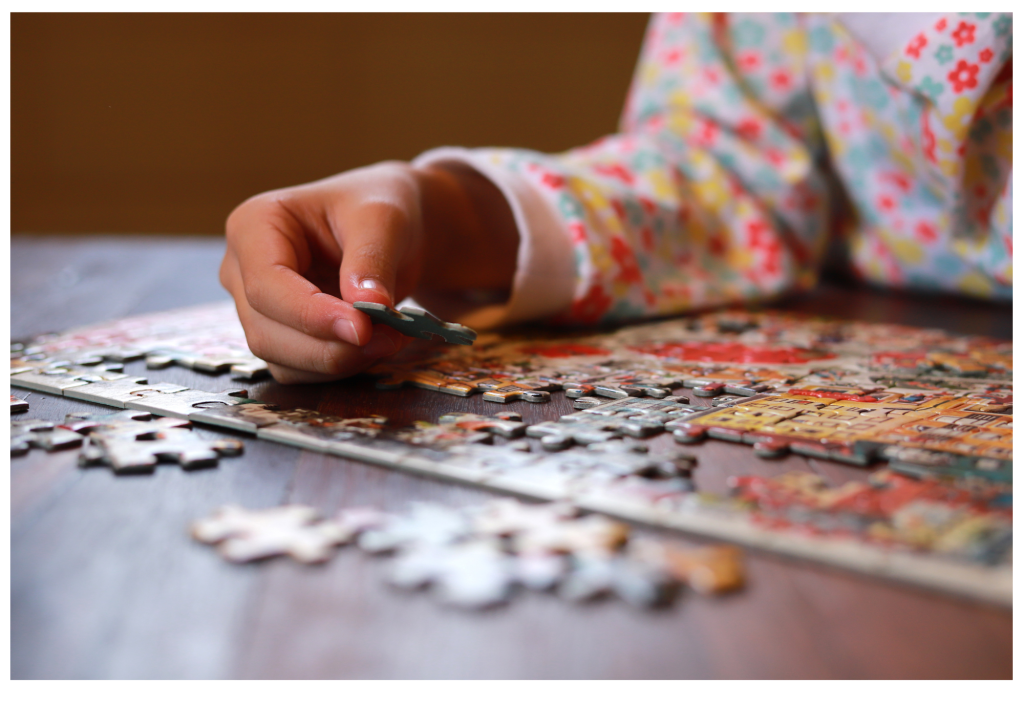
  • worked on my jigsaw
  • watched TV for 1 hour (and managed to follow the storyline of the drama)

Or, if you’re not feeling too bad (in a bit more pain than usual, or a little tired maybe and not 100%), could include more taxing items such as those found in the list below:

Things I’ve done this week

  • washed the car
  • tidied my craft room
  • decluttered 20 items from craft room!
  • made 3 meals from scratch
  • 5 gentle workouts (2 x 20 mins yoga and 3 x 30 mins Pilates)
  • created a journalling page using my crafting stash

As you can see from the above, you can include super-minute achievements (or what would considered to be when well) or more ambitious ‘done’ items at other times. These ‘done’ tasks make a good record of how you’ve spent your time and can help you realise that, yes, you might be on top form, but you did make some progress or make a dent in your mental to do list (or physical one if you wrote a list when feeling productive and then things changed e.g. illness, upsetting life event, overwhelm etc).

If you’re still at work, but it’s been a struggle not to phone in sick, you could even include things that you achieved as part of your job, like biting your tongue at a comment made by a colleague or being assertive and saying no to your boss or team leader!

What are the main benefits of creating a ‘done list’?

These are the main benefits I’ve found of creating a done list, but you may be able to come up with more:

  • a visual reminder of what you’ve achieved in the chosen timeframe – the smaller the items are, the longer your list can be!
  • boosts your motivation to do more things (be careful not to do too much though as the last thing you want to do is make yourself feel worse)
  • acknowledges your small wins during difficult times

Final words…

I apologise if this is not new content and I’ve already written about a ‘done list’ before – I did trail through my posts in a bid to find out, and couldn’t pinpoint anything but I still have ‘COVID brain’. Hopefully I’ve shared something helpful which has given you a new string to your ‘wellbeing bow’, particularly if you have recurrent issues with your physical or mental health like I do. Doing a ‘done list’ can also be a great record of what you’ve achieved over a period of time, so can be a really useful tool for measuring productivity too. However you use it, I’m pretty sure it’ll make you feel a little more upbeat about things and your lists may even bring a smile to your face at a later date if you keep them in your planner and happen to flip back!

Thank you for reading and I wish you and your loved ones a happy and healthy 2025,

Posted in compassion, mental health, physical health, wellbeing, wellness

Monday Matters: The benefits of engaging in small acts of kindness, plus some RAK ideas for you to try this week

Most of us are familiar with the abbreviation RAK i.e. Random Acts of Kindness and are likely to have given or received one or more of these over the course of the year. Kindness from another, whether they’re a complete stranger, an acquaintance or someone much closer has the potential to brighten our day, make us feel good inside, change our mindset, and even restore our faith in humanity. But, as well as this, research shows that helping others is wonderful for our mental health and wellbeing, so it has huge benefits for the giver too. Today, I thought I’d discuss some of the benefits of doing things for others and also list a few easy and low cost RAK ideas that you might like to give a try.

Photo from a selection on Unsplash

Releases positive ‘feel good’ chemicals

Acts of kindness towards others has been scientifically studied and the research shows that not only do they have the potential to make the recipient feel warm and fuzzy inside, they also release dopamine, serotonin and oxytocin (feel good hormones) in the giver, creating feelings of euphoria which have been described as a ‘helpers high’.

Reduces stress levels

On the subject of feel good chemicals, the release of oxytocin (sometimes referred to as the love hormone) has also been shown to counteract the production of stress hormones like cortisol. As well as creating calm, lower stress levels can also help with physical ailments that are often precipitated or aggravated by stress such as headaches, back pain, neckache, stomach complaints, poor immunity, low energy levels and fatigue, sleeplessness or insomnia.

Increases positive emotions and mood

On a similar theme, small acts of kindness towards others can brighten our mood and make us feel much more positive in general. When we regularly engage in good deeds, it increases positive emotions in us such as contentment, happiness and joy. It can also boost our self-esteem and generally make us feel more optimistic.

Reduces negative emotions

In addition, with being filled with positivity will naturally reduce negative emotions and feelings such as anger, sadness, anxiety, depression, discontent and loneliness. Obviously, it’s normal to feel some of the above at times, but kindness towards others can help to put you in a positive frame of mind and stop negativity from taking over.

Creates a chain reaction

When the recipient of your RAK experiences the feelings of happiness it creates, it’s likely to inspire them to do something kind for someone else and this kindness can then be paid forward, creating a chain reaction. Here’s a video you might like to watch which shows a kindness being paid forward – yes, it’s not necessarily a true to real life situation, but I think it provides a heartwarming illustration.

Creates a real sense of belonging and reduces feelings of isolation

Finally, being kind towards our partner, children, other family members, work colleagues, neighbours and even strangers helps us to feel a deep social connection and trust in others. This can lead to better relationships and the belief that we are a key part of the workplace and local community. It can also reduce feelings of social isolation and loneliness in ourselves and the individuals who receive our kind acts.

Some RAK to try today

Some of the RAKs involve a small financial outlay, but there are also many free ideas too. I’ve tried to include a wide mix of suggestions, so hopefully there’s something there for all of my readers.

  • feed the birds in your garden or local park (please avoid giving bread to ducks though as it isn’t healthy for them)
  • buy a treat for your pet and watch them enjoy it
  • hold the door open for someone
  • help a person who is carrying a heavy load
  • buy a bunch of flowers for someone who’s having a hard time
  • thank your server for being attentive when out for a meal
  • go for a nature walk and say ‘good morning’ or offer a friendly ‘hello’ and a smile to everyone you meet
  • donate some unused items to charity
  • compliment someone on their choice of outfit or accessories for the day
  • leave a surprise somewhere for a friend, family member or complete stranger to find e.g. put a post it note in your child’s school lunchbox saying ‘I love you’ or ‘I hope you’re having a nice day’, paint a pebble with a bright rainbow and leave it at the base of a tree in the woods, hide your partner’s favourite chocolate bar in their bag etc.
  • if someone is popping out for lunch and it’s raining, lend them your umbrella
  • put an item or two in a food bank
  • let someone who has a small number of items go before you in the supermarket
  • show your appreciation for a fitness instructor whose classes you particularly enjoy
  • offer to get groceries for an elderly neighbour or someone who is sick
  • donate old magazines to be put in a waiting room e.g. at a doctor’s or dental surgery
  • bake cookies for your work colleagues
  • if someone is new to your gym class, your place of work or somewhere else you go regularly, find opportunities to get to know them and ask them how they’re finding things
  • when out and about for the day somewhere, offer to take a photograph for an individual, couple or family so that they can all be in the shot
  • create a wildlife friendly area in your garden, for example, by scattering wildflower seeds, putting up a bug hotel or allowing leaves to pile up in a corner
  • write a list of things you love about your partner, child, friend or work colleague and share it with them
  • leave a nice comment on a blog post, YouTube video or picture shared on Instagram
  • leave a positive review for a small business who have given particularly good service
  • give a book to a friend you think might enjoy it
  • send a surprise gift in the post to a loved one
  • donate to your favourite charity
  • offer some helpful advice to a member of an online group you belong to
  • let someone out in front of you when driving in heavy traffic
  • call or text a friend you haven’t spoken to in a while
  • send an interesting online article to a friend or family member you think might benefit from or enjoy it
  • offer a lift to someone
  • write a summary about a place you’ve visited on TripAdvisor so that other potential similar visitors know what to expect if they go
  • message an author to say how much you enjoyed their first / latest book
  • post a good news story on social media
  • make a self care package to give to someone you think would benefit from it
  • take part in a community litter pick
  • stop and take time to talk to a neighbour – even if you’re super busy!
  • give up your seat on public transport to someone who needs it more than you
  • volunteer your time for example, to walk a neighbour’s dog, to do some babysitting for a friend of family member, to go to the shops for someone, to help teach someone a skill such as reading, knitting, sewing, crochet or computing

Final words…

As you go about your day today, try to think of at least one way you can make a difference to someone. It doesn’t matter how small your gesture of kindness is or whether it is costly (financially or time wise) or not. One you get started with offering random acts of kindness, you’ll find that more and more opportunities and ideas will present themselves, making it easier and easier by the day.

After giving or receiving a RAK, why not do a short amount of journalling about it in a notebook to explore the positive effects it has had. Alternatively, you could create a short post about it on Facebook, explaining how you felt afterwards and celebrating kindness towards others. You might even prompt someone else to think about what they could do to help another person in their life.

Posted in amateur photography, Anxiety management, bird spotting, lifestyle, wellbeing, wellness, wildlife

Monday Matters: Wildlife Watching for Wellbeing

Six spotted burnet moth

Over the past month or so, I’ve taken a real interest in watching wildlife and found it to be amazing for my general wellbeing. It’s such a calm and relaxing activity and the perfect way to engage in some mindfulness as it encourages you to be in the moment and really study the action with your five senses whether that’s watching a blackbird taking a bath, listening to the screeching sound of swifts zipping around the sky or quietly observing butterflies sunning themselves in a wildflower meadow whilst feeling the warmth of the day on your skin.

Today, I thought I’d share some of the benefits of wildlife watching that I’ve particularly enjoyed and also include some of my photographs which I’m pretty proud of as I took them in manual mode on my DSLR. I hope you enjoy the post and that, ultimately, it whets your appetite for wildlife viewing this summer season and beyond.

Learning about what’s out there in my locality

Quietly observing in our garden and other local settings such as parks, forest, woodland, heathland, meadow or the coast, I’ve been able to see and enjoy all of the different wildlife and begin to learn more about them. I now know that greenfinch have started visiting our feeders and that, despite us having an overhanging conifer trimmed significantly by a tree surgeon, there are still plenty of birds nesting in what remains, albeit in slightly closer proximity to each other! In my quest to photograph butterflies this summer, I’ve learnt why we have much fewer individuals this season (poor weather at the start of summer) and where I’m most likely to spot different species. I’ve also observed the six spotted burnett moth in tall grasses at the cost, and discovered where their favourite places to land are.

Learning something new each day not only helps with personal growth but it also develops a sense of accomplishment which I believe is essential for wellbeing. There’s nothing better than sitting down at the end of the day, (whether busy or more relaxed) and recalling something new that you didn’t know yesterday.

Female sparrow and her young on our garden fence

Expressing gratitude

I find there’s something to be grateful for every day of the week (in fact I write 3 things in my The Five Minute journal each morning), but I’m always especially excited when I witness something new or go somewhere a bit different in my quest to explore wildlife in the North East of England and beyond. I’ve just started reading Hannah Stitfall’s recently published book, Wild Treasures, where she documents a year of watching wildlife in her home county of Cornwall – a place I have visited and loved many times as a child and throughout my adult years. However fruitful (or not) her trips to wild places have been, you get a really sense of how lucky she feels to have these opportunities on her doorstep, and I must agree – we have so many amazing natural spaces throughout the UK that are just waiting to be explored.

I often find my wildlife spots end up being recorded in my highlights of the day or as part of my morning gratitude writing, whether that’s mentioning our plans for an exciting day out exploring nature and the wildlife it has to offer, or recalling the feeling of a good spot.

Opportunities to practise using my zoom lens

I’ve had my zoom lens for a long time now and I’ve often been frustrated by its limitations in terms of getting close up shots of birds (it’s really not powerful enough and I would need to invest in one of the huge ££££ lenses which I’ve seen used in hides). However, I’ve now discovered that it works really well for insect, plant and flower photography when placed at a distance of 0.85m from the subject. I’ve built a collection of macro shots which are pretty good for an amateur and I’m enjoying adding these to my journals and sharing them on Instagram.

Again, this chance to explore and develop my skills (with both the photography and the use of Photoshop to edit my images) has been a real boost to my wellbeing, including when I add my photographs to social media and use them in my creative journals and show them off.

Small white butterfly at Ryhope cliffs

Enjoying the beauty of all that nature has to offer

As I mentioned earlier, we have some wonderful natural spaces across the UK and I thoroughly enjoy exploring the flora and fauna of different places. Sometimes, I’ll visit familiar places such as the coast, where at this time of year, I can see razorbills, kittywakes (and their young) reed buntings and meadow pipits and mammals such as grey seals and even dolphins! On other occasions, we’ll go further afield to favourite locations and places on my must visit list. Wherever I go, alone or with my husband, I tried to stay in the moment and really appreciate the beauty on offer as I look out for the wildlife to be spotted.

Mindfulness and its many benefits

I’ve talked about mindfulness and the many benefits in various previous blog posts. For some people, mindful activity is all about meditation, but it’s much more than this, practising mindfulness involves being in the present moment and developing a quiet awareness of your immediate environment, and I’m sure you can see how wildlife watching fits in with this. There are too many benefits to list here but a few include reducing anxiety and depression, lowering blood pressure, improving sleep, lowering stress levels and better ability to manage long term illness and chronic pain.

Improved physical health

Although I love watching wildlife from my own back garden (or via the kitchen window as I wash up!), there are so many more opportunities in the North East of England and further afield. As well as the chance to breathe in fresh, clean air, as I explore the natural environments, for me, my travels often include a brisk walk too. Adding in an uphill trek, a saunter across various fields, beaches or heathland on our way to more remote locations, offers a wonderful and more relaxing way to exercise which is completely different in experience to my gym sessions and various classes. Also, whilst your focus is on looking at the stunning views and watching out for various fauna, you’re often barely aware of what a good workout you’re having at the same time!

A sense of community

One of my absolute favourite ways to watch wildlife is to go to a nature reserve (especially one which has some bird hides) and take my binoculars for close up viewing and my DSLR camera for recording my spots. We’re lucky to have a number of locations within an hour and a half’s drive including Rainton Meadows (managed by Durham Wildlife Trust), Hauxley Nature Reserve (Northumberland Wildlife Trust) and RSPB Saltholme. When we visit, there are always plenty of others walking around the reserves or observing birds from the various hides and sharing these spaces develops a really sense of belonging, especially as you know that we’re collectively there for similar purposes – exploring the beauty that nature has to offer, enjoying the peace and quiet, looking out for different species and ultimately hoping to spot something new.

Coot chick at RSPB Saltholme

Wherever you live in the UK, I guarantee there are wild spaces on your doorstep to be explored and shared with other locals. Even in London, there are vast parks across the city offering peace, quiet, wildlife and the chance to get away from the busyness of the place and most people there have the same objective.

Final words…

Although I haven’t covered them here, there are various scientific studies done which offer proof of the mental health benefits of wildlife watching, especially bird spotting. It’s no surprise, then, that many of us turned to walking in the great outdoors during the pandemic to reduce our stress levels and find pleasure in nature. I wonder how many of you still make the time to visit natural spaces as part of your routine each week now there are no restrictions on your activity choices? I would love to hear if wildlife spotting is as valuable to you as it is to me to maintain good wellbeing and general happiness. I’d also be over the moon if you’ve found benefit from reading today’s post and it has encouraged you to find time in your busy weekly calendar for this perfect mindful self-care activity.

Posted in bullet journal, Bullet journaling, exercise, fitness, goal setting, Health and Nutrition, lifestyle, wellbeing

Setting up my Bullet Journal for July 2024: Health and fitness theme

This time, I’m coming to you with what might be considered a bit of a random BuJo theme for summer. My original idea was to do wildflowers and grasses, but, as my current personal goals are mainly focused on weight loss and body toning, I thought why not choose a theme related to these, so I opted for health and fitness. I wrote lots of ideas on mini post-it notes and then decided which ones I’d actually go ahead and do (with the limited time I had left to be ready for July). Here’s what I have to show you so far:

Quote page

Photo credit: Laura Jones for Keeping It Creative

This was created using Canva (none pro version), an A5 size portrait size design and a lovely peachy pink colour font. I then added a couple of bits of washi and a little sticker from a page of health and fitness related phrases from my Carpe Diem booklet.

July Cover Page

I had so much fun setting this up and it was nice to make use of some Carpe Diem stickers I already had in my stash. The solid black images of women exercising were made in Cricut Design Space.

Photo credit: Laura Jones for Keeping It Creative

July Calendar

I shifted the boxes on my usual calendar one place to the right so I could add my goals for the month on the left hand side. I’ve now decided that a better target than 10K steps most days would have been 2400+ calories burnt but I can always create a habit tracker for the above instead.

Photo credit: Laura Jones for Keeping It Creative

My reasons why…

I got the idea for this page and a few others from Planning Annie on YouTube. She has lots of ideas for health related spreads and I really recommend watching her ‘health and fitness planner spreads’ video if you need some further inspiration. The ‘reasons why’ I’ve chosen are very personal to me, so, for example, my GP has advised that my blood pressure is at the high end of normal and that my cholesterol levels are slightly elevated from the normal range so related reasons why have, as you can see, been added to the spread.

July Finances

I almost forgot to do my financial tracker as it isn’t something related to the aspects of health I’m focusing on (financial health aside). I’ve been really good at spending no more than I have coming in each month for quite a while now but it’s still interesting to see where my money is going.

Photo credit: Laura Jones for Keeping It Creative

Another motivational quote page

With 9lbs lost so far in a relative short frame of time, I’m feeling really motivated to lose more weight. The second part of this popular quote, from Jim Rohn, will hopefully be related to my new and improved eating habits which will join with my regular fitness class habit that I’ve had for a fair few years now.

Photo credit: Laura Jones for Keeping It Creative

My weight loss journey so far…

I thought this spread might help keep my motivation high until eating healthily becomes a habit. I also think it will become useful for making dietary tweaks. Basically, I’m going to record observations (e.g. a particular piece of clothing fits better), thoughts (e.g. this is just the beginning, am I drinking too much water? etc) and feelings (I always feel super hungry before Clubbercise so I need to plan is a filling snack two hours before, I feel much more confident in my new top etc) throughout the coming months to monitor my progress to good health.

Photo credit: Laura Jones for Keeping It Creative

Final words…

That’s all of my spreads so far, although, as I said, I might create a habit tracker page ready for the new month. I’ve also decided to go back to a rapid logging style of creating daily pages as I’m finding that my week on two pages layout just doesn’t give me enough room. I will, however, need to record events taking place that week at the top of the page so I know what’s happening and when but this can be done on a Sunday night ready for the week ahead.

However you plan to spend the month of July, I wish you a good one,

Posted in mental health, Mindfulness, mindset, psychology, self care, wellbeing, wellness

Monday Matters: 8 ways to instantly boost your mood

Sometimes, no matter how positive you feel when you wake up, particular events, issues, frustrations and even certain people’s attitudes can put a dampener on things and leave you feeling deflated. You probably wish you hadn’t let these parts of your day affect you as much as they have but it’s a natural part of life to experience ups and downs. When low mood strikes, there are a number of ways in which you can help yourself to feel better. Today, I’m sharing 8 tried and tested ideas which I’ve found helpful and I promise none of them include eating a gigantic bar of chocolate or any other highly calorific item!

Get out in nature

If you’ve been following my blog for a while, you’ll know that I’m a big fan of getting out in nature, whether that’s spending some time in my garden, heading to my local woodland park or even going to the beach to walk on the sand or paddle in the sea. It doesn’t have to be for long – just a few minutes of fresh air can make the world of difference to how you feel.

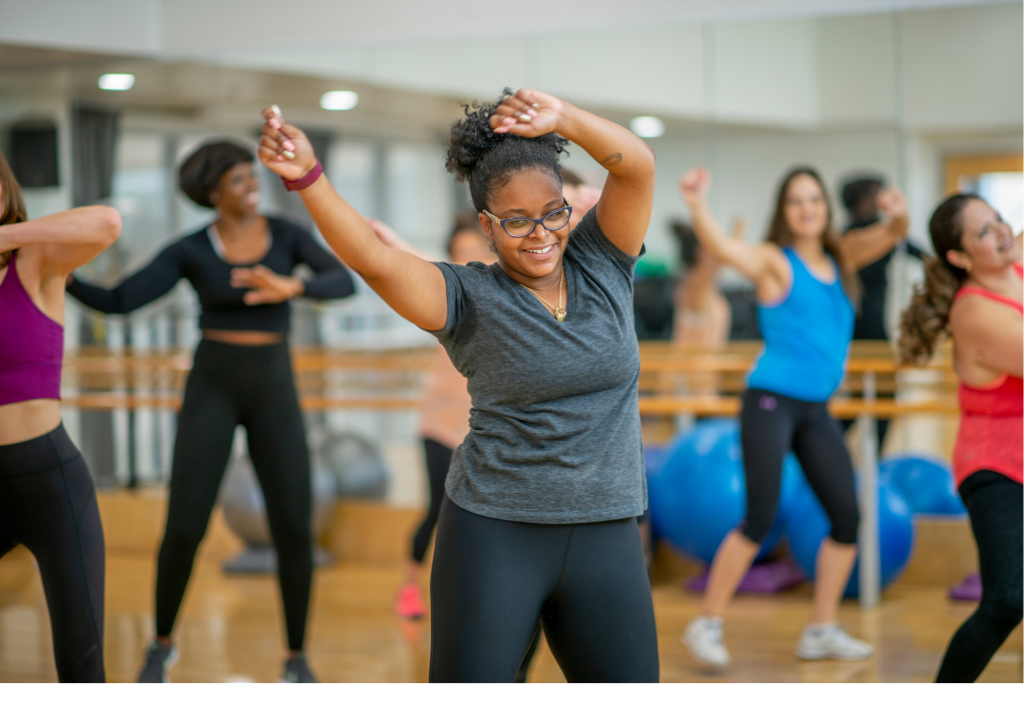
Listen to some upbeat tunes (even better, dance and sing too)

I first wrote about the benefits of listening to music back in 2021 and, as part of the post, I shared a page I’d created in my bullet journal with a mood boosting playlist. Musical taste is incredibly personal but choosing some upbeat songs to boogie, sing and listen along to can put you in a much better frame of mind. Here’s some ideas for uplifting tracks to find on YouTube, Apple Music or whatever happens to be your favourite resource to listen to through headphones or to blast out through your speakers (if it won’t disturb anyone):

  • Can’t Stop The Feeling By Justin Timberlake
  • I Got a Feeling By The Black Eyed Peas
  • Happy By Pharrell Williams
  • 22 By Taylor Swift
  • Walking On Sunshine By Katrina & The Waves
  • Song 2 By Blur
  • Love Shack By B-52s
  • Roar By Katy Perry
  • Sweet Child O’ Mine by Guns N’ Roses
  • Good Feelin’ By Flo Rida
  • Watermelon Sugar By Harry Styles
  • Dance Monkey By Tones And I
  • Groove Is In The Heart By Deee-lite
  • Blinding Lights By The Weeknd
  • Havana By Camila Cabello Feat. Young Thug

Whatever your favourite style of music, jot down an uplifting songs list or create a track list on your device and keep it in a memorable location (either on paper or digitally) to refer to when you need it.

Get moving

On the subject of moving our body, as an alternative to dancing along to your favourite tracks, you could also explore other forms of exercise in a bid to boost your mood. Any type of physical activity that raises your heart rate has been shown to release endorphins in the body. These hormones and neurotransmitters, which have been described as ‘a natural high’, will have you feeling better in minutes. Here’s some fun / invigorating summer time activities to try:

  • Spend some time in your garden pulling weeds, breaking up compacted soil in your borders, cutting your lawn, deadheading faded blooms, pruning bushes and shrubs, checking for hidden pests and watering thirst plants with a heavy watering can.
  • Get your bike out of the garage, dust it off and head to a trail of your choice. I like to go to the coast as it’s a straight stretch of cycle path which is wide enough for if I get the wobbles but if you search ‘easy bike rides near me’ you can explore different options available to you in your locality.
  • Play a game or do a physical activity that you used to enjoy as a kid – frisbee, bouncing a ball off a wall / bat / the ground,
  • Clean and or tidy your desk / room / house, then sit back and enjoy the feeling that comes with a neat and dust free space.
  • Take a brisk walk around the block and see if you can notice anything new or different – maybe someone in your immediate area has painted their fence, changed their car, got a new pet, weeded their driveway etc. Maybe the council has added a new sign, planted some young trees or mown the grass in another street. If you can’t see anything that’s changed, maybe you could think of some changes you would like to make if you were in charge!

Soak up some sunshine

Sunlight is a natural source of Vitamin D which has been scientifically proven to regulate your mood. If it’s a nice day, get your sunglasses and some sun protection on and feel the warmth on your skin. I like to sit on our bench or one of our patio chairs in the garden and close my eyes for some mindful listening to accompany the experience. This is a great way to get into a meditative state as it gives you something to focus on and minimises the change of your mind wandering towards the major or minor irritations I mentioned previously. In the summer, there’s generally lots of daytime sounds whether it’s someone mowing the lawn, children laughing, birds tweeting or even distant traffic noises.

What a video of something cute or funny

Open up YouTube on your phone or computer and search for cute or funny videos of, plus the name of your favourite pet or animal. Anyone who’s been following my blog for a while is likely to know my animal of choice is a Syrian hamster, but I can guarantee that there are videos out there to suit all whether that’s woodland birds, different pets or even more unusual choices like sealions, squirrels, polar bears or hedgehogs.

Dig out your photograph albums

Looking back at old photographs (and/or journals if you do memory keeping like I do) is a great way to bring to mind happy memories of exciting life events, people in your life (past and present) and places you’ve been. And if you’re one of those people who rarely print your images off, why not flick through those on your phone and select some to add to an album later. Taking time on your own to quietly sit and view several years worth of photographs can be very therapeutic, as can sharing them with loved ones either in person or by contacting them via phone, WhatsApp, email or even letter (pretty paper optional!).

Practise gratitude

Grab a piece of paper or your journal and make a list of five small things you’re grateful for in your life right now. Research shows that a consistent gratitude practice has so many health and wellbeing benefits so give it a try starting today and see how it makes you feel. Check out this blog post to learn more.

Make a list of things you love about yourself

Whilst you’ve got a pen and paper to hand, here’s another positive exercise to try. Write a title ‘Things I love about myself’ at the top of the page and then make a list of your best qualities. This could include physical aspects such as your smile, your lovely, long locks, your clear skin and healthy looking nails, your character traits, e.g. kindness, good analytical skills, reliability, optimism and so on, and things you’re really good at like cooking, motivating yourself, helping others, solving problems etc. Once you written as much as you can right now, try displaying your list somewhere so you can refer to it when you need a mood boost, or add to it when something comes to mind.

Inhale an uplifting scent

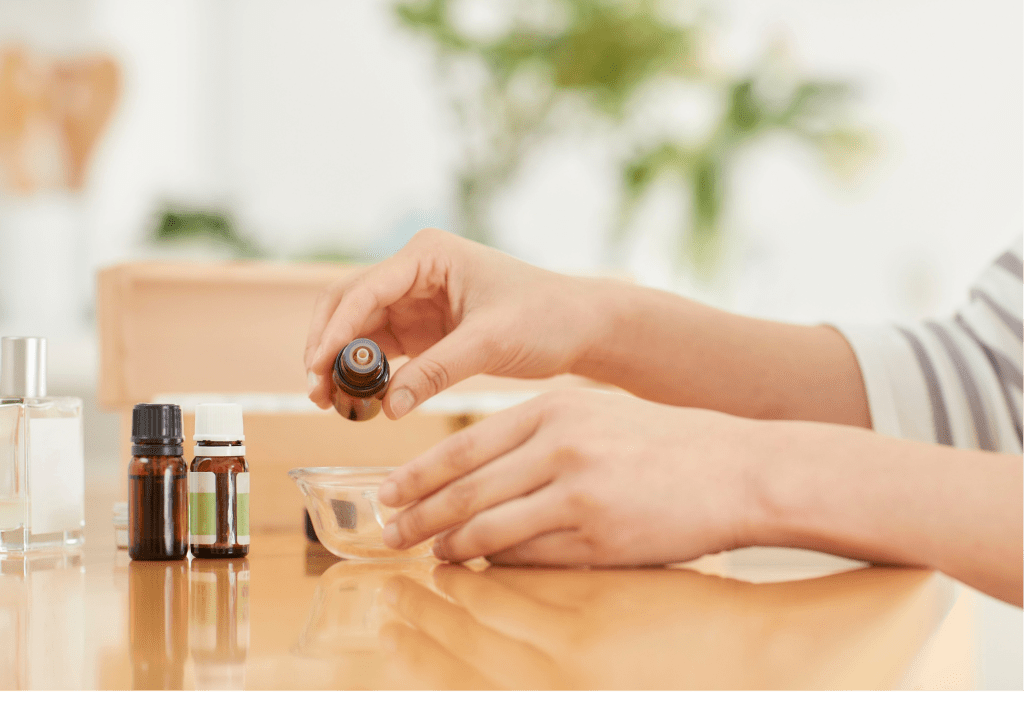
If you know anything about aromatherapy, you’ll probably be aware that some scents are thought to be uplifting and mood boosting. I have a few little essential oil bottles which I got from the Body Shop in strawberry, raspberry and exotic which I love to inhale at any given opportunity. My scents of choice are fruity smells but below are a list of classic options which I collected from various websites via Google.

  • vanilla
  • peppermint
  • jasmine
  • citrus scents including orange, lemon and grapefruit
  • juicy fruits like peaches, pear and pineapple
  • relaxing scents like lavender, ylang, ylang and chamomile
  • spicy scents such as ginger, cinnamon and clove
  • fresh forest options such as pine and eucalyptus

Of course, it’s important to experiment and see which you prefer (and think about the mood you want to create such as uplifting or relaxing) but these should get you started with that. As you learn more about aromatherapy, you might like to try combining scents to create your perfect mood booster!

Final words…

I hope you’ve found today’s post beneficial and the ideas will motivate you to be pro-active next time you find yourself in a funk or stressed by particular events in your day. If I haven’t shared your favourite way to uplift your mood, or relax when tensions are high, feel free to add it in the comments as it may help someone else to manage their mood in the future along with my ideas.

Thanks for reading and I’ll be back with another wellbeing post very soon,