Posted in Anxiety management, Bipolar disorder, compassion, depression management, grief, life hacks, mental health, productivity, Uncategorized, wellbeing

Monday Matters: How writing a ‘done list’ can improve your wellbeing during periods of physical and/or mental illness

Welcome to my first blog post of 2025. Happy New Year to you all, and a special hello to my new followers! I hope you had a wonderful Christmas and are excited for what this year will bring.

My husband and I both enjoyed the festive period, which this year (make that last year!) was a double celebration as my brother and his partner got married a few days after Santa had been. The wedding was a joyous occasion and a great a chance to chat with family I hadn’t seen in a while too.

Whilst on the way back home, and with my husband doing the driving, I made the most of being in the passenger seat by reflecting on 2024 and thinking about what I would like to achieve in 2025. I also started to mentally compose a to-do list full of chores and more pleasurable activities to make the most of the remaining three days of the holiday. Little did I know that something would scupper my plans…

Bloody COVID-19 strikes again!

By the time we got back, we both had a bit of a sore throat, which I assumed was just a bit of dehydration from the long car journey. By New Year’s Eve, we felt absolutely dreadful, and so my husband did a test (just in case), and I’m sure you can all guess how that turned out! Needless to say, we’ve barely had the energy for basic self care, nevermind any chores, fun activities or creative pursuits.

We did, however, manage to  psych ourselves up enough to take a quick shower each day, despite how exhausted we were and, despite the fact that the powerful water raining down and massaging in my shampoo and conditioner brought actual pain to my scalp! – random covid symptom or what?????? And I’m so glad we did because this idea for a blog post was born – in fact, some of my best content and general epiphanies come to me whilst showering (anyone else??). 

Basically, I was busy thinking about how annoying it was that I was too exhausted to do anything and that being ill was a giant waste of time, and then I recalled that during my worst bipolar depressions, I still achieved a few things each day and tried my best to be kind to myself and celebrate small wins. To help me do this, I created something that I call a ‘done list’ and, although my illness was physical rather than mental on this occasion, I realised the same technique could be used to make myself feel better.

As everyone goes through ups and downs in life, I thought I’d share how my done list works. You might not need to apply the technique now, but it’s a lovely, self compassionate activity which you can store in your physical or metaphorical toolbox to use when needed such as when you’re sick or struggling with low mood. It can also be used when you’re not feeling under the weather, as a celebration of how productive you’ve been in general or as you work towards your goals for the week / month / year and so on.

In fact, as I sat on the sofa (on day 3 of COVID-19), soothing my throat with a warm drink, I actually started mentally creating one to help my husband and I feel a sense of achievement because I realised we actually did something that day despite feeling like crap.

So what’s a done list?

A done list, as the name suggests, is basically a list of things you’ve achieved that hour / day / week / fortnight / month / different time frame of your choosing, which can be tailored to how you’re feeling – both physically and mentally. So, for example, your list could look something like this:

Today’s done list

  • got out of bed (before 10am too!)
  • got dressed
  • brushed my teeth and washed my face
  • planned 3 things to do
  • made and ate a sandwich (even though I didn’t feel hungry)
  • worked on my jigsaw
  • watched TV for 1 hour (and managed to follow the storyline of the drama)

Or, if you’re not feeling too bad (in a bit more pain than usual, or a little tired maybe and not 100%), could include more taxing items such as those found in the list below:

Things I’ve done this week

  • washed the car
  • tidied my craft room
  • decluttered 20 items from craft room!
  • made 3 meals from scratch
  • 5 gentle workouts (2 x 20 mins yoga and 3 x 30 mins Pilates)
  • created a journalling page using my crafting stash

As you can see from the above, you can include super-minute achievements (or what would considered to be when well) or more ambitious ‘done’ items at other times. These ‘done’ tasks make a good record of how you’ve spent your time and can help you realise that, yes, you might be on top form, but you did make some progress or make a dent in your mental to do list (or physical one if you wrote a list when feeling productive and then things changed e.g. illness, upsetting life event, overwhelm etc).

If you’re still at work, but it’s been a struggle not to phone in sick, you could even include things that you achieved as part of your job, like biting your tongue at a comment made by a colleague or being assertive and saying no to your boss or team leader!

What are the main benefits of creating a ‘done list’?

These are the main benefits I’ve found of creating a done list, but you may be able to come up with more:

  • a visual reminder of what you’ve achieved in the chosen timeframe – the smaller the items are, the longer your list can be!
  • boosts your motivation to do more things (be careful not to do too much though as the last thing you want to do is make yourself feel worse)
  • acknowledges your small wins during difficult times

Final words…

I apologise if this is not new content and I’ve already written about a ‘done list’ before – I did trail through my posts in a bid to find out, and couldn’t pinpoint anything but I still have ‘COVID brain’. Hopefully I’ve shared something helpful which has given you a new string to your ‘wellbeing bow’, particularly if you have recurrent issues with your physical or mental health like I do. Doing a ‘done list’ can also be a great record of what you’ve achieved over a period of time, so can be a really useful tool for measuring productivity too. However you use it, I’m pretty sure it’ll make you feel a little more upbeat about things and your lists may even bring a smile to your face at a later date if you keep them in your planner and happen to flip back!

Thank you for reading and I wish you and your loved ones a happy and healthy 2025,

Posted in compassion, mental health, physical health, wellbeing, wellness

Monday Matters: The benefits of engaging in small acts of kindness, plus some RAK ideas for you to try this week

Most of us are familiar with the abbreviation RAK i.e. Random Acts of Kindness and are likely to have given or received one or more of these over the course of the year. Kindness from another, whether they’re a complete stranger, an acquaintance or someone much closer has the potential to brighten our day, make us feel good inside, change our mindset, and even restore our faith in humanity. But, as well as this, research shows that helping others is wonderful for our mental health and wellbeing, so it has huge benefits for the giver too. Today, I thought I’d discuss some of the benefits of doing things for others and also list a few easy and low cost RAK ideas that you might like to give a try.

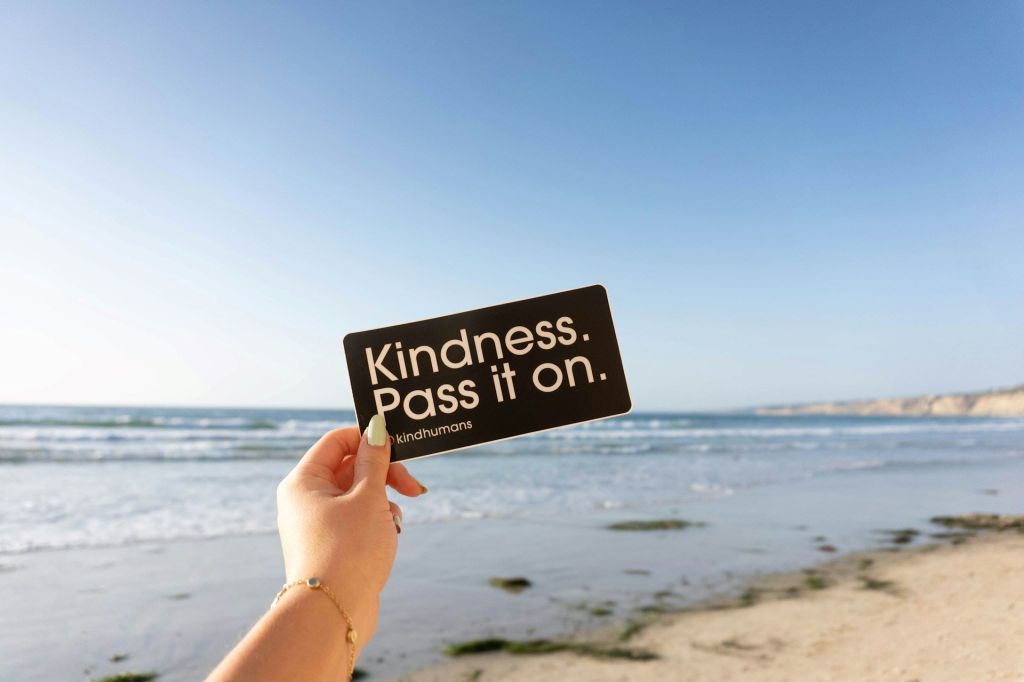
Photo from a selection on Unsplash

Releases positive ‘feel good’ chemicals

Acts of kindness towards others has been scientifically studied and the research shows that not only do they have the potential to make the recipient feel warm and fuzzy inside, they also release dopamine, serotonin and oxytocin (feel good hormones) in the giver, creating feelings of euphoria which have been described as a ‘helpers high’.

Reduces stress levels

On the subject of feel good chemicals, the release of oxytocin (sometimes referred to as the love hormone) has also been shown to counteract the production of stress hormones like cortisol. As well as creating calm, lower stress levels can also help with physical ailments that are often precipitated or aggravated by stress such as headaches, back pain, neckache, stomach complaints, poor immunity, low energy levels and fatigue, sleeplessness or insomnia.

Increases positive emotions and mood

On a similar theme, small acts of kindness towards others can brighten our mood and make us feel much more positive in general. When we regularly engage in good deeds, it increases positive emotions in us such as contentment, happiness and joy. It can also boost our self-esteem and generally make us feel more optimistic.

Reduces negative emotions

In addition, with being filled with positivity will naturally reduce negative emotions and feelings such as anger, sadness, anxiety, depression, discontent and loneliness. Obviously, it’s normal to feel some of the above at times, but kindness towards others can help to put you in a positive frame of mind and stop negativity from taking over.

Creates a chain reaction

When the recipient of your RAK experiences the feelings of happiness it creates, it’s likely to inspire them to do something kind for someone else and this kindness can then be paid forward, creating a chain reaction. Here’s a video you might like to watch which shows a kindness being paid forward – yes, it’s not necessarily a true to real life situation, but I think it provides a heartwarming illustration.

Creates a real sense of belonging and reduces feelings of isolation

Finally, being kind towards our partner, children, other family members, work colleagues, neighbours and even strangers helps us to feel a deep social connection and trust in others. This can lead to better relationships and the belief that we are a key part of the workplace and local community. It can also reduce feelings of social isolation and loneliness in ourselves and the individuals who receive our kind acts.

Some RAK to try today

Some of the RAKs involve a small financial outlay, but there are also many free ideas too. I’ve tried to include a wide mix of suggestions, so hopefully there’s something there for all of my readers.

  • feed the birds in your garden or local park (please avoid giving bread to ducks though as it isn’t healthy for them)
  • buy a treat for your pet and watch them enjoy it
  • hold the door open for someone
  • help a person who is carrying a heavy load
  • buy a bunch of flowers for someone who’s having a hard time
  • thank your server for being attentive when out for a meal
  • go for a nature walk and say ‘good morning’ or offer a friendly ‘hello’ and a smile to everyone you meet
  • donate some unused items to charity
  • compliment someone on their choice of outfit or accessories for the day
  • leave a surprise somewhere for a friend, family member or complete stranger to find e.g. put a post it note in your child’s school lunchbox saying ‘I love you’ or ‘I hope you’re having a nice day’, paint a pebble with a bright rainbow and leave it at the base of a tree in the woods, hide your partner’s favourite chocolate bar in their bag etc.
  • if someone is popping out for lunch and it’s raining, lend them your umbrella
  • put an item or two in a food bank
  • let someone who has a small number of items go before you in the supermarket
  • show your appreciation for a fitness instructor whose classes you particularly enjoy
  • offer to get groceries for an elderly neighbour or someone who is sick
  • donate old magazines to be put in a waiting room e.g. at a doctor’s or dental surgery
  • bake cookies for your work colleagues
  • if someone is new to your gym class, your place of work or somewhere else you go regularly, find opportunities to get to know them and ask them how they’re finding things
  • when out and about for the day somewhere, offer to take a photograph for an individual, couple or family so that they can all be in the shot
  • create a wildlife friendly area in your garden, for example, by scattering wildflower seeds, putting up a bug hotel or allowing leaves to pile up in a corner
  • write a list of things you love about your partner, child, friend or work colleague and share it with them
  • leave a nice comment on a blog post, YouTube video or picture shared on Instagram
  • leave a positive review for a small business who have given particularly good service
  • give a book to a friend you think might enjoy it
  • send a surprise gift in the post to a loved one
  • donate to your favourite charity
  • offer some helpful advice to a member of an online group you belong to
  • let someone out in front of you when driving in heavy traffic
  • call or text a friend you haven’t spoken to in a while
  • send an interesting online article to a friend or family member you think might benefit from or enjoy it
  • offer a lift to someone
  • write a summary about a place you’ve visited on TripAdvisor so that other potential similar visitors know what to expect if they go
  • message an author to say how much you enjoyed their first / latest book
  • post a good news story on social media
  • make a self care package to give to someone you think would benefit from it
  • take part in a community litter pick
  • stop and take time to talk to a neighbour – even if you’re super busy!
  • give up your seat on public transport to someone who needs it more than you
  • volunteer your time for example, to walk a neighbour’s dog, to do some babysitting for a friend of family member, to go to the shops for someone, to help teach someone a skill such as reading, knitting, sewing, crochet or computing

Final words…

As you go about your day today, try to think of at least one way you can make a difference to someone. It doesn’t matter how small your gesture of kindness is or whether it is costly (financially or time wise) or not. One you get started with offering random acts of kindness, you’ll find that more and more opportunities and ideas will present themselves, making it easier and easier by the day.

After giving or receiving a RAK, why not do a short amount of journalling about it in a notebook to explore the positive effects it has had. Alternatively, you could create a short post about it on Facebook, explaining how you felt afterwards and celebrating kindness towards others. You might even prompt someone else to think about what they could do to help another person in their life.

Posted in compassion, grief, lifestyle, pets, wellbeing

Monday Matters: Tips for coping with pet loss and how to support others through their grief

Photo from a selection on Unsplash

This morning, I’ve been doing a little bit of work on my general blog pages (about me page, FAQs etc.) to check that they’re up to date. When reading my bio on my home page, I noticed that it said that I share my home with my husband and my little hamster Millie. Unfortunately, hamsters only live for up to one to two years of age and she passed away several months ago now. Both of us were upset at our loss and it was sad to see her decline over the last few weeks of her life. To us, she was not just ‘our hamster’, she was a much loved member of the family, and her funny antics and personality provided us with so much joy. Today, I want to share some tips for coping with pet loss, because, whether your pet was small or large, they’re sure to have left a big hole in your life and much sadness. I also want to discuss some ways in which you can support family members or friends who have experienced a recent loss.

Tips for coping when your pet dies

Accept your emotions, feelings and thoughts without judgement

Following your loss, all kinds of strong emotions and feelings may come up. For example, at different times, you might experience sadness, anxiety, disbelief, shock, anger, guilt and regret. You could also find that your thoughts are completely preoccupied with your loss, leaving you unable to think of anything else. Whatever you experience, try to simply be aware of the different emotions, feelings and thoughts as they come and go, accepting them as a normal part of the grieving process. Remember, as well, to be compassionate and kind to yourself in a way that you would be towards a loved one who was experiencing such as loss.

Surround yourself with supportive friends and family

As you come to terms with your loss, it’s good to seek out friends and family members who you know will be supportive, rather than diminishing how you are feeling. This could include someone who has lost a pet in the past or has a cherished pet (or pets) of their own. You might also turn to individuals who are good listeners and often have the ability to make you feel better with their words or gestures.

On the other hand, some people will struggle to understand your intense feelings of sadness and may not offer the empathy you need or could even seem dismissive of the situation. Rather than getting angry, frustrated or upset with them, try to accept that they just don’t get it, brush them off, and find others, possibly outside of your social circle, who do recognise your suffering.

Embrace your memories

Talk and think about fond memories of your pet with family members and understanding friends. Look back over photographs and videos of fun times and reminisce over your own and shared experiences. And if difficult emotions arise, just accept them and know that it’s okay to be upset.

We have a cute video of Millie playing in her digging tower where we are waiting in anticipation of her emerging out of the bottom covered in wood-shavings. We never tire of watching her appear, and the video even has audio of me encouraging her to dig her way out! We also have photos of many of our hamsters when they were little babies and some moments where they’re enjoying a snack or exploring. Most of them are a little on the blurry side as they very rarely stay still but they’re still lovely reminders of our furry friends throughout the years and we have treasured memories of each and every one of them.

Try seeking out online or in person support

There are a range of support groups available online and this includes websites specifically dedicated to pet loss such as the Blue Cross organisation which has a Facebook community and trained volunteers you can speak with. You can also seek the help of a therapist who can offer counselling and coping strategies.

I’ve been a part of the ‘hamsters’ group on Facebook for many years now. It has over 6K members and there’s always someone on there to offer a kind word following the loss of your furry friend or when you need some emotional support regarding difficult decisions with regard to ailing hamsters.

Practice self-care as you mourn your loss

Although it might be difficult, try to look after yourself as best you can during your period of mourning. This can include eating a balanced diet, getting some exercise each day, trying to ensure you get a good night’s sleep, keeping up with basic hygiene and even pampering yourself a little such as with a massage, manicure, bubble bath or a new haircut.

Try journalling

Journalling about your pet and your loss can be a great way to explore how you are feeling and is also a lovely way to help you remember how unique and special they were. You could do some free writing to explore your thoughts but, if you’re unsure what to write, this website has some great journalling prompts to choose from.

Don’t rush to replace your pet

Although it might be tempting to get another pet straight away, it is usually better to mourn your old pet first and wait until you are emotionally ready to welcome a new animal into your home. There’s no right time to get a new pet, but experts suggest that you should wait until you have worked through your grief adequately enough to be able to look forward to a new addition rather than still be in the process of deeply mourning your loss.

Ways to support someone who has recently lost their pet

  1. Send a sorry for your loss card to let them know that you care and are thinking about them.
  2. Be a good listener when they talk about their feelings, emotions and ways in which their loss is affecting them. Think about supportive things you might say in reply – maybe that you were sorry to hear about x, or that your here for them if they want to talk. Also, knowing what not to say is just as important. Phrases such as ‘he was old anyway’, ‘she’s in a better place now’ or ‘you can get another one’ might be well meaning but they’re also dismissive at the same time.
  3. Let them know that it’s normal to be upset and it is okay to cry, feel sad or even become lonely or a little depressed. It’s important to allow time to grieve and heal – and it takes as long as it takes.
  4. Remind them to be self-compassionate and encourage them to look after their basic needs. You could also offer support with this such as getting some shopping in for them, making a nutritious meal to take around or doing some errands. Ask them if there’s anything you can do and make suggestions so that they know that the offer off help isn’t just something to say.
  5. Check in with them regularly after your initial conversation. Text or phone them to ask them how they are getting on and if they need anything.
  6. Help them to seek out further support by looking into dedicated websites for pet loss or by finding leaflets or books on the topic. Some resources are specifically aimed at particular pet owners, for example The Kennel Club offers advice on coping with losing your dog.

Final words…

If you have found and are reading today’s blog post because your pet has recently died, I am so very sorry for your loss. Losing a beloved pet can be a very difficult time as they are very much a part of the family. I hope you find the above suggestions useful and they help you to cope with your grief. Remember that, if needed, there are therapists available who are trained to support people through any type of grief, including pet loss, and they will help you talk through your feelings, normalise your emotions and any difficulties you are experiencing and offer coping strategies.

Posted in compassion, creativity, depression management, lifestyle, meditation, mental health, self care

Monday Matters: Working towards a life full of calmness and positivity – simple ideas to try today

Today I’m sharing some easy self-help strategies to enable you to create a life which is both calmer and more positive. I hope you find the tips useful and they motivate you to make a change or two going forward.

Be kind to yourself

Showing self-compassion, practising self-care and giving yourself grace when you make mistakes or are struggling with the stresses of modern day living is an important and helpful first step to take in developing a more positive life. If a good friend of yours was finding things difficult right now, you would offer them support and encouragement, sympathy and well wishes, yet when we find ourselves in a similar situation do we behave in the same way? Here’s a few ways to be kind to ourselves (and they don’t need to be reserved for when we are down or struggling with our mental health either):

  1. Forgive yourself often – for making mistakes, not being perfect, not being super productive etc. Whatever you beat yourself up about, STOP!
  2. Keep yourself hydrated – this simple act of self-care is important and will help you feel your best throughout the day
  3. Listen to your body – if it needs rest, a day off, a holiday, a break from chores, a lie in etc. provide exactly that.
  4. Explore how you’re feeling mentally and why – try a spot of journalling or talk to a close friend, then, if need be, take appropriate steps to remedy the situation.
  5. Eat well – eating a balanced diet full of fresh produce, wholegrains and all of the vitamins and minerals you need is a great way to look after yourself. Yes, you shouldn’t deny yourself the occasional treat, but eating a predominately healthy diet will help you maintain good energy levels, restful sleep and better mood.
  6. Get some exercise – you don’t need to lift weights at the gym or pedal the exercise bike for hours each week, do something you enjoy whether it’s yoga, pilates, a walk in the countryside or playing outside with your dog. Exercise releases feel good hormones as well as keeping you in good shape.
  7. Celebrate your achievements – think about what you’ve achieved this week / month / year and give yourself a pat on the back. Even better, treat yourself to some kind of reward such as a bunch of flowers, a new notebook or something else that’s been on your wishlist for a while.

Be kind to others

Small acts of kindness towards others can have an enormous impact on both on the giver and receiver. Just something simple like holding a door open for someone who has their hands full or letting someone who is only buying one item go before you in the queue for groceries is enough for benefits such as brighter mood, lower stress levels, feelings of connection and belonging to the community and improved self-esteem and confidence.

Release your inner creativity

No matter how busy your day is, there’s always at the very least a small window of opportunity to get creative (try putting your phone in another room for half an hour!). Whether it’s doing some colouring in and choosing colours which complement each other, developing a poem about your experiences, doing some seasonal doodling in your bullet journal or creating a mood board for your living room, anything which uses your imagination or original ideas to make something is a boost to your creative side. And even if you don’t see yourself as the creative type, trying out different expressive activities will help you develop this part of yourself which I promise is lurking inside somewhere! Engaging in creative pursuits is wonderful for bring calmness and tranquility as well as a sense of achievement. It’s also a lovely way to practice self care.

Develop an attitude of gratitude

I write about gratitude in a lot of my wellbeing posts here on my blog but it is with good reason. Being grateful for what you have and celebrating ways in which you are very lucky has proven health benefits such as being better able to cope with adversity, enjoying improved sleep and immunity, building stronger relationships with others (particularly if you show gratitude for family and friends) and generally feeling much more positive and happy. Feeling gratitude and expressing your appreciation for things in your life is a very spiritual practice, creating a feeling of ease and contentment.

Be more mindful

Mindfulness is all about paying more attention to the present moment, focusing on your current thoughts and feelings and what is going on around you right now. Some examples of how this might manifest itself in your life include:

  • meditation and breathwork
  • paying full attention to the little things you do each day as part of your routines such as taking a shower, brushing your teeth, eating your breakfast, making your bed, brushing your hair or getting dressed. This will help you to change the focus from rumination about the past or worrying about the future
  • taking a walk in nature and becoming really conscious of your immediate surroundings – use your five senses to explore the environment
  • working on one thing at a time – avoid trying to multi-task (which is a complete myth anyway as you can read here)
  • eat mindfully – really pay attention to what you’re eating, how it tastes, how it feels in your mouth, how it is making you feel (this is also good for making sure your eat slowly and stop when you start to feel full and satisfied)
  • use the 5,4,3,2,1 grounding technique to bring you back to the present moment (this is particularly useful if you start to become anxious about something)
  • do some journalling – writing your thoughts, feelings and experiences in a journal is a great way to slow down and become aware of how things are for you right now
  • try movement meditation – most of us associate meditation with sitting or lying very still and focusing on the breathe. However, this is just one example of how to meditate. Check out this article for seven popular styles of movement which are meditative in their nature.

Start a slower and more relaxing morning routine

Your morning routine has the power to set you up for a calm, happy and productive day or leave you stressed out, tired and wanting to go back to bed. For a gentle start to your day, try the following tips:

  • prepare for your day the night before – check your planner to see what you have scheduled for tomorrow, write a list of intentions for the next day or choose your priorities from your to do list, choose your outfit and check to see if it needs ironing or unfolding to let the creases drop, if you are going out somewhere, pack your bag ready.
  • wake up early – plan to get up at a time which gives you the opportunity to get ready without rushing (this might involve going to bed earlier or other tweaks to your evening routine to encourage restful sleep)
  • open your curtains or blinds to let natural light in, or, during winter, use a sunrise simulation lamp to mimic the effects.
  • try journalling – this could be completing the morning entry of The Five Minute Journal like I do, doing morning pages or making note of a few things or people you are grateful for
  • avoid reaching for your phone – checking our phones as soon as we get up is an automatic reaction for most of us but it has been shown to have negative effects on the brain. Issues include heightened stress and anxiety levels, poor performance levels at work, lack of productivity as well as loss of our precious time. Instead, eat your breakfast mindfully and slowly, take yourself outside to get some morning light, do some gentle stretches or record your thoughts, feelings or daily gratitudes.
  • choose a slow living activity to put you in the right mindset – read a chapter from a motivational book, listen to a podcast, make a nutritious breakfast, savour your morning coffee (rather than downing it when it’s too hot or going cold), sit outside and watch the sunrise, close your eyes and focus on your breathing or flick through your favourite magazine. Make the most of rising early before you start to tackle your to do list or head off to work.

Final words…

I hope you’ve found the above tips useful and are motivated to try some of them. I know that making lifestyle changes can be quite difficult and require time and commitment. You might want to try to transform many aspects of your current life but doing too much at once will most definitely lead to overwhelm and the temptation to give up. I recommend choosing one thing to focus on and, where possible, enlist the help and support of your partner or a close member of the family or a good friend. I also encourage you to regularly evaluate and reflect on how things are going for you and consider if the small change you’ve made is having the desired effect. This will help you to refocus and serve as a good reminder of why you started.

Posted in CBT, compassion, lifestyle, mental health, Setting goals and intentions, wellbeing, wellness

Monday Matters: Nine ways to make your day amazing

As I shared in a previous post, I’ve started using The Five Minute Journal morning and evening as a way to be more grateful, live with intention, remain positive and just generally have a good day, every day, no matter what. One of the prompts for early morning is to decide on three things that would make today great and list them. At first, when I started using the journal, the temptation was to just write my ‘must do’s’ from my ever lengthening to-do list as a way of being and feeling super productive. However, what I think is much more valuable (and a key idea with the book) is to think about ways in which you can upgrade your day by considering things such as be present (mindfulness), doing things that really matter to you (based on your core values + current goals and intentions) and finding time for or creating habits which give your body and mind what they really need to improve both your physical and mental health and therefore your general wellbeing. So, today, I’m going to share nine ways to improve your day by figuring out your current priorities, doing things that align with your core values, instilling positive habits, re-phrasing self talk and making meaningful progress towards your short term / medium term / life goals, desires and intentions.

Of course, I do realise that, every now and then, events happen in our day which contribute to uncomfortable emotions such as those associated with anger, fear, sadness and disgust and that sometimes, it becomes difficult to remain positive or optimistic. However, I hope that by sharing these suggestions, I will be helping you to learn simple ways to create high vibe states such as peace, joy, gratitude, enthusiasm, optimism, hope and happiness and recognise the effect that these can have on your day. As you create and maintain healthier habits, you should also notice that you spend less time dwelling on negative events and situations and more time celebrating the positives and recognising all that is good in your life.

Today, I’m sharing nine ways to improve your day-to-day but I’m sure, when you think about it, you’ll be able to come up with many more ideas for upgrading from an okay day, to one which leaves you feeling satisfied that you’re living your best life.

Be present

Being present is a state of mindfulness where we slow down and bring awareness to what is right in front of us and what is happening in the current moment. By focusing on the here and now, we’re not dwelling on the past (sometimes referred to as rumination) or worrying about the future. This can help us feel calmer and more relaxed. It can also have a positive impact on our relationships, make it easier for us to manage stress and relieve mental health symptoms such as anxiety and depression.

Bringing you attention to and staying in the current moment is a skill that everyone can develop but it does take a lot of practice and can, at times, be really difficult. However, it’s definitely worth persevering if you want to experience the above benefits. To get started, give this blog post a read.

Consider what really matters and take action

Have you ever sat down and seriously reflected on what really matters to you right now? If you haven’t, I can highly recommend taking some time to do this as it can provide a useful starting point to help you decide where to make changes in your life for the better. I find that the best way to do this is to look at a comprehensive list of personal, professional or core values and make a note of those which particularly resonate most with you. Then, when you’ve selected those which matter the most, you can either continue to make time for these things, think about new habits to work on instilling or work on better aligning your behaviour to fit with your current priorities. So, for example, you might decide that having fun with your partner is really important to you and something you want to make more time for in your relationship. Then, you might list fun activities you’ve enjoyed in the past e.g. going to a comedy show, playing mini golf, spending the day at the seaside paddling in the sea, building sandcastles and eating ice cream, and some you’d like to try in the future e.g. canoeing, a Segway tour, exploring the night sky at an observatory, taking a road trip to somewhere new or go camping.

Get your body moving.

I’m sure you already know the benefits of exercise for your mind and body but adding movement to your day doesn’t necessarily mean hitting the gym for an hour. Here’s some quick and easy ways to raise your pulse rate:

  • check out this webpage for some easy stretches you can do in the morning before you even leave your bed
  • put on your favourite upbeat track and dance around your bedroom / kitchen / living room
  • take a quick power walk around the block in your lunch break
  • find a 10 minute ‘no equipment’ exercise routine on YouTube to have a go at. Add those you enjoy to your favourites.
  • Do some gentle stretching exercises throughout your day to ease tension and improve your circulation, flexibility, blood flow and posture. Try focusing on areas of your body where you typically hold tension such as your neck, shoulders and upper back. The NHS website has plenty of ideas – try searching ‘NHS flexibility’.

Do a little cleaning, tidying or decluttering

Doing a little bit of cleaning, tidying or decluttering each day can provide a real mood boost and a sense of satisfaction when you admire what you’ve achieved. It doesn’t have to be a long or arduous task, but just taking five or ten minutes can make a difference. You might give your kitchen worktops a deep clean, choose just one drawer or shelf in your kitchen to re-organised or decide to check through your make up bag for products which are past their best or haven’t been used in a while. Over time, these short, focused ‘projects’ will help you to create and maintain a home that you’re super proud of and, if you want an easy way to measure your progress, I recommend taking a quick before and after snap on your phone so you can see what a difference you’ve made – you could even store the ‘after’ photos in a digital folder called ‘my lovely home’!

Practice gratitude

I’ve talked about the importance of being grateful for the things and people you have in your life in a number of previous blog post and the benefits of a daily gratitude practice are well documented. The morning part of The Five Minute Journal asks you to record three things that you are grateful for and, I’ve found that I know find it so easy to fill in. I also find myself expressing my gratitude in my thoughts throughout the day on a regular basis. So, for example today, I was a little annoyed that I had to get the washing off the line as it started raining as soon I’d finished hanging it out but I was glad I had to because it rained much heavier whilst I was at my Zumba class. I was also grateful that I’d made the decision to pop on my raincoat to wear to the gym as the rain became torrential before the end of my class.

If you want to start a gratitude practice but you’re not sure how, check out this blog post which gives my best tips as well as discussing the benefits of developing a consistent daily habit.

Learn something new

Making time in your routine to learn something new each day is not only a wonderful workout for your brain, it’s also an effective way of reducing stress and calming your body down. Acquiring new information on a topic of interest or developing your skills in a particular area promotes self- improvement and personal growth and can really boost your self esteem and confidence. What you set out to learn and how you do it is really up to you but it’s a good idea to spend some time quietly thinking about subjects of interest and jotting them down in a notebook e.g. money management, particular hobbies, creative writing and animal welfare, things you’d like to know more about e.g. eco friendly cleaning solutions, a particular country or place you’d love to visit, British history, and skills you’d like to work on e.g. cooking, drawing, leadership, time-management and so on. Once you’ve done this, you can then schedule time for learning and begin to collect a bank of useful resources e.g. books, online articles, videos, in person or online classes etc.

Replace ‘I have to…’ with ‘I get to…’ and consider other aspects of your self talk

On the subject of being grateful for what you have, another way you can work on altering your mindset in a positive way is to begin to notice when ‘I have to…’ pops into your head and change it to ‘I get to…’ So, rather than saying ‘I have to go to work’, you would rephrase it as ‘I get to go to work’ focusing on the fact that you have the opportunity rather than it being an obligation.

In a similar vein, statements such as ‘I need to…’, ‘I have to…’ or ‘I should…’ can create pressure and an expectation to perform, whereas better self talk could include ‘I would like to…’, ‘I might…’ or ‘it would be good if…’ e.g. rather than ‘I need to get that washing up done because it’s piling up’ you could say ‘It would be good if I did the washing up now so that the kitchen is clean and tidy for making dinner’. (Find out more by reading this blog post from a few years back.)

Find time for things you love

I believe that setting aside time to do something you love each day is super important if you want to feel a sense of satisfaction with your life. Again, writing down activities you enjoy or get value from and recording a short explanation of why can help. Here’s some examples from my personal list to give you some ideas:

  • bird watching
  • nature walks
  • reading health and wellbeing magazines
  • watching psychological thrillers on TV (or reading them on my Kindle)
  • playing card and board games
  • making sweet treats such as flapjack, cookies or cupcakes
  • doing 1000 piece jigsaws
  • playing Angry Birds 2, Candy Crush and Word Cookies on my tablet
  • hand lettering with my brush pens
  • painting my nails
  • using my watercolours

Avoid distractions and information overload

My final tip for making the most of your time and having a great day, is to minimise sources of distraction and develop ways to prevent information overload. I would say that the most common source of distraction and productivity killer comes from modern technology and presents itself in the form of notifications such as text messages, emails or social media happenings (such as tweets, status updates on Facebook, Instagram stories and photo shares, YouTube video postings and so on) and often a combination of all three. I don’t consider myself an expert on avoiding such distractions but this is what I’m trying at the moment:

  • two email addresses – one for work related emails for my Etsy shop, blog and university work with notifications for messages from actual people (rather than organisationd) going to my Fitbit watch during the day, the other for all other emails such as those from businesses with notifications turned off. If I’ve placed an online order and want to track progress, I just use the search facility to find the relevant information.
  • keep my phone in another room whilst I’m working (whether that’s on my shop, my blog, gardening, housework etc)
  • turning off social media notifications and then setting aside a small amount of time each day to ‘check in’
  • avoiding looking at my phone during my 5 minute Pomodoro Technique breaks

In terms of information overload, there are some useful tips contained in this blog post including how to consider the type of content you wish to engage depending on your current priorities.

Final words…

I’ve found The Five Minute Journal really useful in helping me to decide what my priorities are for that particular day and in thinking about what would turn my week days and weekend days from just okay or average to great or amazing. Whether you use this journal system or not, spending a few minutes each morning in mindful contemplation in relation to the above can make such a difference to your day.

I hope you have taken away something useful from your reading and I would love to hear any thoughts or additional ideas you may have in the comments.