

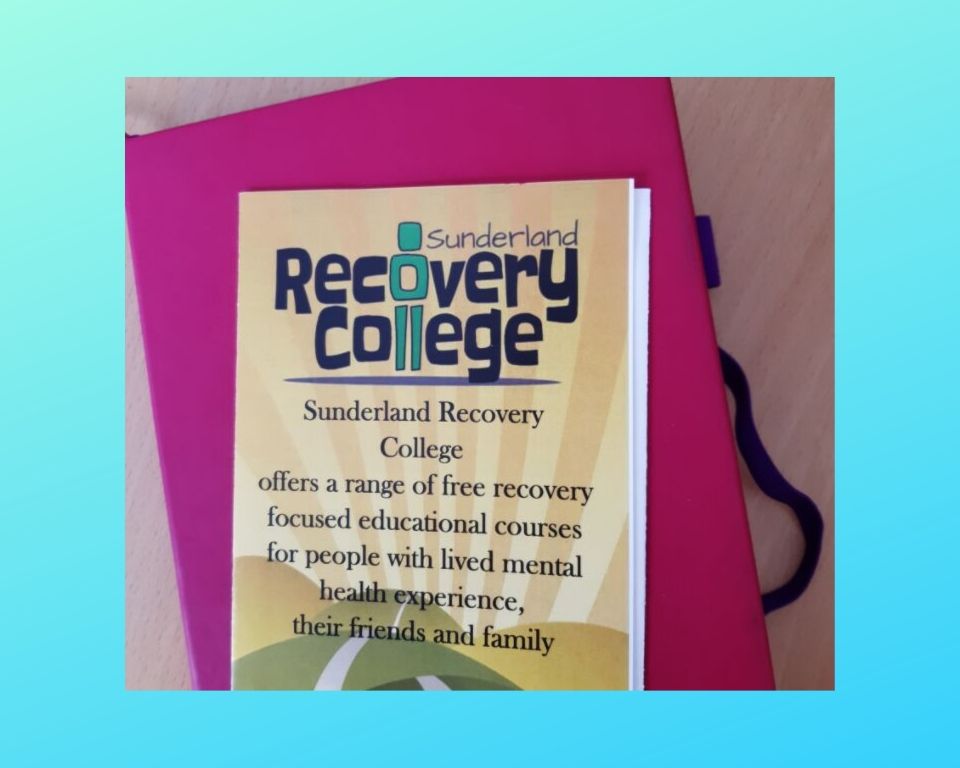
A few months ago, I did a six week course at my local recovery college that focused on creating a Wellness Recovery Action Plan (W.R.A.P.). The concept of a W.R.A.P. was originally developed in 1997 by Mary Ellen Copeland and a group of like-minded mental health recovery advocates as a way of monitoring wellness and periods of difficulty, keeping yourself well and recording how you would like to be supported and by whom in the event of future issues.
At the time of attending the course, I was in a really bad place and found the sessions quite overwhelming and would end up in tears on a regular basis. However, I could still see the benefits of making a W.R.A.P. and completed all of the tasks and homework each week. I was really proud of myself for continuing to attend the group and now I’m well again, I would like to share my learning with you and discuss how you can go about making your own plan.
The first session of the course involved an introduction to the W.R.A.P. and discussion about how we were going to be supported in the creation of the document. We were given a handout so we could record our ideas each week and tailor our plan to suit our individual needs. If you would like to find out more about the plan from its original creator, you can click here to be taken to her website.
WRAP is a tool that can aid an individual’s recovery and its underpinning principles support the recovery approach. WRAP is a way of monitoring wellness, times of being less well and times when experiences are uncomfortable and distressing. It also includes details of how an individual would like others to support them at these different times.”
There are 5 main principles to the W.R.A.P. and these are:
Hope – that you will get well, stay well and go on to meet your dreams and goals
Personal responsibility – it’s up to you to decide what will most likely help to keep you well and who you would like to support you in order to give you the very best chance at staying well
Education – learning everything you can to enable you to make good decisions about your mental health and how you would like it to be managed
Self advocacy – making sure you have everything you need, want and deserve to support your wellness and recovery
Support – although it is primarily your job to ensure you stay well, the plan encourages you to accept that at times, you may need help and support with managing your mental health and that you can give selected others the chance to work with you to improve your quality of life
After learning about what W.R.A.P. is all about, we were set of the task of brainstorming ideas for a wellness toolbox. This was basically a list of things you enjoy doing which make you feel good. Mine included colouring in, painting, drawing, meditating, meeting a friend for coffee, reading, walking in nature, gardening and volunteering for a good cause. The benefit of working with a group of people who also struggle to maintain good mental health was that you could listen to suggestions from them and maybe try out some of their ideas if they appealed too.
For homework each week, we were invited to collect an item to bring in which could be put in a physical wellness tool box either as reminders of activities or to actually use to support your recovery or to keep yourself well. Ideas from myself and others included colouring in books, jigsaws, a scented candle, a chocolate bar, some bubble bath, photographs of loved ones (including pets!), memorabilia from special times and favourite books. The possibilities are endless!
I wrote a long list of ideas into a MS Word document and printed it off to put in a folder but you could also create a visual board using pictures collected from magazines or the internet or even do a Pinterest board. I think it’s a good idea to have a hard copy of your ideas so you can share it with people who support you in the maintenance of good mental health such as family members, friends or even your mental health professional or doctor.
I hope this has made you think about what you would include in your wellness toolbox. Let me know in the comments below what you find really beneficial for helping you personally to maintain good mental health – you never know, it might just provide me or someone else with an idea to try in the future.
Much love,


 Keeping it creative