
Winter is a difficult time for birds due to the shortage of food sources, long and cold nights and shorter days. By nightfall, they need to have eaten enough to give them energy to keep warm and survive until morning when the process of searching for food starts all over again. Providing food sources in your garden is a great way to help nature and feel as though you are making a difference.
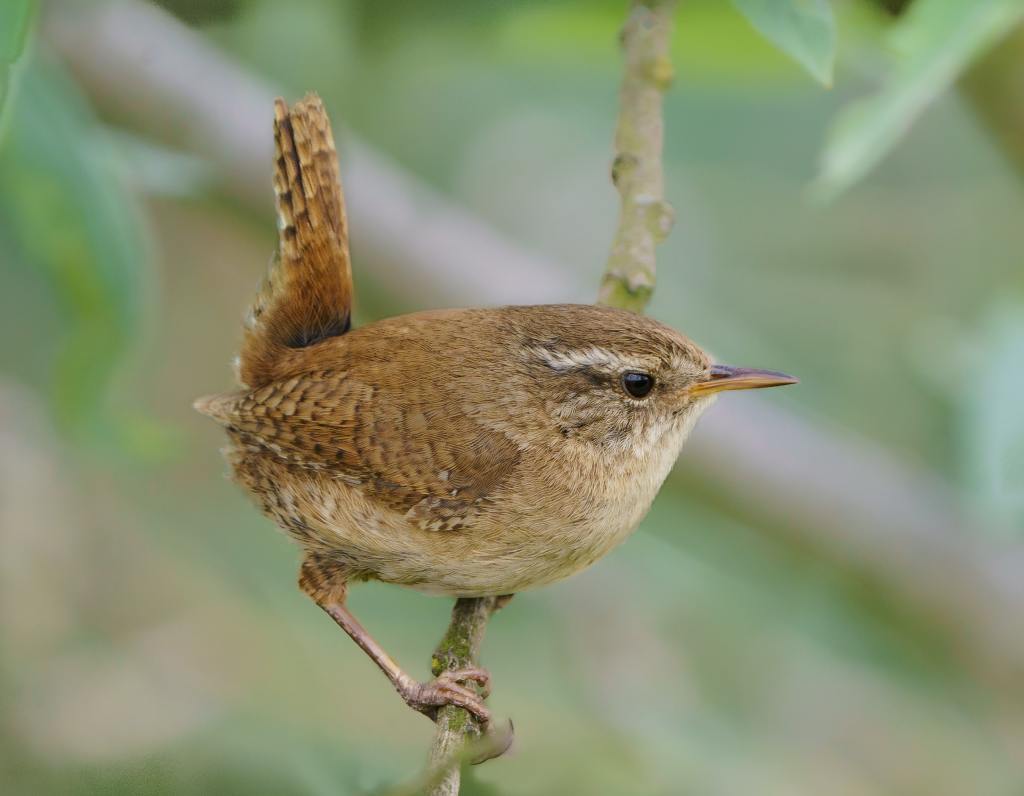
I like to think that our garden is a wildlife friendly as possible and I’m always in search of new ideas to keep visitors happy and well fed. I know that many of my readers are nature and wildlife lovers too, so this week, I thought I’d explain how feeding and observing birds in your garden helps to boost your mental health and also share my top tips for looking after birds in wintertime.
Whether you sit outside all wrapped up with a warm drink or you observe through the window, watching the birds feeding and exploring your garden can have a huge impact on your mental health and wellbeing. Here’s some benefits that we can all enjoy:
Watching the birds is a mindful and meditative activity which makes you feel calm and relaxed. Whether indoors or outside, you are required to sit very still and quiet, away from distractions such as your mobile phone (and all of the must-read notifications which constantly pop up!). If you can, and the weather allows, I recommend wrapping up in your biggest coat with hat, gloves and chunky scarf (plus optional coffee, milky tea or hot chocolate), so you can sit in your garden. This way, you can be totally immersed in nature and use more of your senses, so, as well as observing what’s going on, you can also listen to the various sounds of the birds and other noises in your immediate environment or further away. During this time, you may also become aware of different sensations such as a gentle breeze on your face, the chill of your cold ears, the warmth of your mug seeping through your gloves or the supportiveness of your choice of seat. And, because you are involved in all of this sensory exploration, you’re not thinking about your never-ending to-do list and all of the other stresses of the modern world.
Getting outdoors in the wintertime ensures you get some much-needed fresh air and a dose of vitamin D from a natural source. Fresh air can improve your wellbeing in lots of ways including clearing your airways and lungs, strengthening your immune system, improving your digestion and giving you more energy (which also helps to sharpen your mind). Vitamin D is essential for boosting your brain and immune system and strengthening your bones. Obviously, the amount of sunlight changes from day-to-day, but personally, I think getting out in nature provides a mood boost even on the dullest of days.
Bird feeding and watching can give you a real sense of achievement. From learning to identify the birds you spot and beginning to recognise their various calls and songs, to attracting different species to your garden or yard as you increase your feeding options and even developing the skills to use binoculars or take photographs using a DSLR camera. There’s so many opportunities and I guarantee it’ll boost your self-esteem too.
Something else which will make you feel good about yourself is knowing that you’re doing your bit for wildlife conservation in your local area. Creating a haven for birds in your garden and generally making it a wildlife friendly zone is a great way to help on an individual basis.
Above all, bird watching can be absolutely fascinating and great fun. When you stop what you’re doing and really look at the birds, it’s so interesting to see their comings and goings and how they behave. You might first see a little dunnock flicking its tail as it shuffles along the ground, hoovering up crumbs fallen from the feeders. A short time later, you might spot a visiting blue tit carefully extract one single seed and then take it back to the safety of their chosen branch to enjoy in peace and comfort. Watching a solitary blackbird as it traverses your lawn will show you how it tilts it head to listen carefully for worms underground and then uses its sharp beak to extract its prize from the earth. You might also see how it defends its territory by chasing away other small birds from its garden of choice. Whichever birds your garden attracts, I can almost guarantee they’ll provide good entertainment and bring you feelings of joy!
And if you don’t have a garden, watching and feeding birds in your local park is also great too – just be careful about the kind of food you provide, for example pre-mixed bird seed is a good source of nutrients for garden/woodland birds, whereas white bread isn’t a particularly health option for them. If you combine your bird spotting with a nice brisk walk you can really maximise the health benefits of your time outdoors!
Top tips for bird feeding and watching
Get a basic field guide
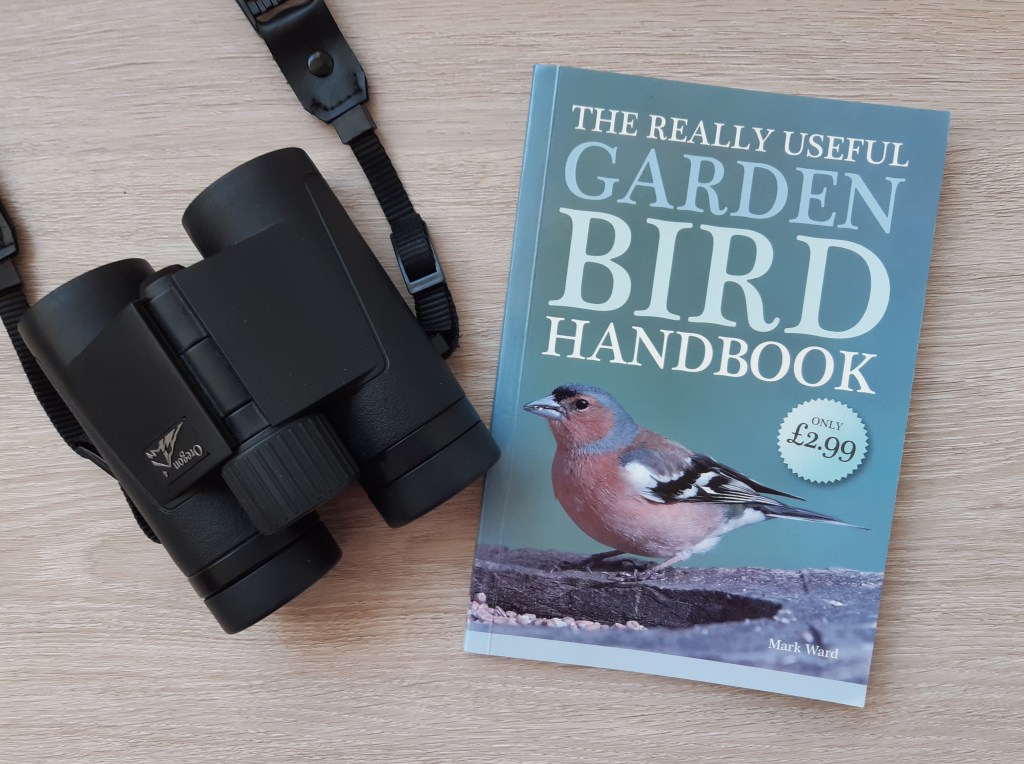
Whether you’re new to bird watching or have a little experience, a basic field guide for garden birds is a great resource. This will provide pictures of common and slightly more obscure garden visitors as well as information about what makes each of them unique. This might include size, body shape, plumage colours and patterns, tail shape, length and patterning, and other defining characteristics. Many of them will also discuss geographic range, migratory patterns of specific birds, breeding patterns and behaviours to look out for.
Be patient – birds are careful and cautious customers
When you first start to create a haven for birds, you’ll need to be very patient. Birds have evolved to be incredibly careful as it maximises their chance of survival. A few years ago we replaced our bird bath as the current one which was coated metal got a hole in it (we thought that over enthusiastic birds were flicking most of the water out each day!). This time we’d chosen a weighty ceramic version in a shiny mid grey which we excitedly placed in the garden in the same spot as the previous one. However, despite the fact that my husband and I thought the new bath looked smart and attractive, it was several weeks before any of our feather friends showed even a slight interest in it and at least a month before they would actually linger and have a wash in it!
Keep an observational journal
Anyone who knows me or regularly reads my blog will know I love journalling and memory keeping. I like to make my own traveler’s notebook inserts and use them to record anything and everything. However, I’ve recently picked out a garden journal for my husband to get me for Christmas and I thought it would be a nice idea to record my garden bird spots in it, particularly any unusual observations. For example, one snowy January, I saw a group of redwings perching in the ivy on our bottom fence and a few weeks later, my husband spotted a nocturnal bird poking its long beak into the snow in search of food. It turned out it to be a woodcock – our first sighting, and so far, our last! Your journal could simply be a place to record the name of the bird and when you saw it, but you could also get creative adding photographs, sketches or even watercolour paintings.
Think about meal provision for all – cater for picky eaters and those who aren’t as fussed
Some birds, such ss goldcrests, are quite picky eaters, and feed mainly on small insects and spiders. Others, such as blackbirds will include a large range of foods in their diet such as worms, spiders, berries, dried fruits, sunflower hearts, oatmeal and suet pellets. I’ve even seen the ones who visit out garden grabbing the odd water louse from our wildlife pond! If you look at different bird mixes available, they usually suggest which individuals they’re designed to attract. Over time, you could add different feeders – we have seed feeders, fat balls, peanuts (inside a mesh feeder to prevent whole nuts from being extracted) and a wooden table for birds who prefer open feeding and a place for kitchen scraps and fruit.
Go heavy on fatty foods
Talking of different types of food, birds need plenty of high fat stuff during cold winter weather so that they are able to maintain their fat reserves to keep them warm during frosty nights. This can include pre-made fat balls, suet cakes and bars or you can make your own – check out these instructions on the RSPB website. Warning: fat from cooking is bad for birds because the consistency of it makes it prone to smearing on feathers which can destroy waterproofing and insulating qualities.
Supplement with kitchen scraps
Feeding garder birds doesn’t have to be an expensive hobby. Many kitchen scraps that get thrown away can provide a suitable meal. We tend to stick with seed mixes, peanuts and fat balls but this information from the RSPB has given my husband and I food for thought!
Adjust to the demand
When you first start feeding the birds, you may only have a small number of customers visiting your garden or you may find that limited species choose to come. Always adjust the quantity of food to the demand. Also, try to put the provisions out at the same time each day so that the visitors can learn your feeding routine.
Maintain good hygiene
It’s really important to regularly clean your bird feeders, drinking containers and bird tables to keep them disease free. If you don’t maintain good hygiene standards you may be doing the visiting birds more harm than good. Check out this online resource from the RSPB which has lots of tips on keeping your birds healthy.
Provide water as well as food
Water is vital to a bird’s survival so you should make sure you provide drinking and bathing facilities for your feathered friends. This could be via a purpose-built bird bath, a water tray, shallow pot or a hanging water dispenser. For bathing, birds only need a small depth of water as the purpose it to get their feathers wet rather than drenching themselves. During the depths of winter, when it gets super cold, you might need to check on the receptacles to see if they are frozen and then gently defrost them. Be sure not to use really hot water or you might crack the container.
Consider planting for birds
Although late Autumn and the depths of winter aren’t usual time for planting, if you want to attract birds to your garden across the seasons and for years to come, it’s worth thinking about the plants you choose. Native wildflowers, sunflowers, asters, black eyed susans, echinacea (or anything else which has tasty seeds inside) dense bushes and those which produce fruit (e.g. ceanothus, privet and blackberry) shrubs with berries (e.g. cotoneaster) and trees such as birch or cherry. We haven’t got room for any trees in our garden but there are a few hanging over our plot which get plenty of visitors – I’m sure some of them sit in them watching and waiting for us to add fresh supplies.
Once your plants become established, you should find that even if they get attacked by garden pests such as greenfly or blackfly, the birds should help to keep them at bay for you. For example, we have a rose bush and every year the underside of the leaves gets covered. However, we never use pesticide on it (or indeed any of our garden plants) because a) it’s bad for ecology and biodiversity and b) sparrows and blue tits are regularly seen picking the bugs off. Also, by eliminating green and black fly (AKA aphids), you’re depriving ladybirds of their favourite meal too!
Invest in a wildlife pond
We only have a small garden but, about four years ago we decided to get a mini pond for wildlife. We have at least one resident frog in there but it’s also popular with blackbirds too – they love bathing in there and drinking the water (there are lots of water hoglouse in there and we think they pick them out of the water and gobble them up too!). Our night-time visiting hedgehogs also love to wash down the biscuits we put out for them (that is if a visiting mouse hasn’t stolen them before they arrive!).
Final words…
When I used to volunteer for the RSPB and worked with schools exploring nature, the teacher’s used to often ask me when it was important to feed the birds. My advice was that food can become scarce at any time of year, depending on the weather conditions, so it’s best to put something out all year but then ramp up the provisions to include a wider variety of options during the wintertime.
I hope today’s post has encouraged you to give bird watching and feeding a go this wintertime. If it has, let me know how you get on. One final idea is to take a few photos of your feeding provision each year so you can see how your garden develops over time. My husband and I love looking at images taken over the years – even if they’re just quick snaps of different spaces. All too often, we’ve forgotten how tiny some of our plants were when we first set them and how big they’ve grown!




 Keeping it creative