
Posted in lifestyle, mental health, self care, wellbeing, wildlife

Monday Matters: 5 ways to get yourself ready for Autumn 2023

Photo credit: Johannes Plenio for Unsplash

Some of us look forward to Autumn and the prospect of wearing warm clothes, spending cosy evenings in watching great TV and snuggling up with a hot drink and a good book. For others, it is less appealing, signifying fewer daylight hours and colder temperatures. However you feel about the coming months, here are five ways to get yourself ready for the season and plan some enjoyable and mood boosting activities.

Do some seasonal meal planning

In the Summer time, we tend to opt for lighter meals such as salads and juicy, fresh fruits such as watermelon, strawberries, mango, peaches, nectarines and raspberries. However, as we head into Autumn we start to crave heartier meals and warming foods such as soups, stews, pies, risottos, curries, root veggies (e.g. sweet potato, onion, turnip, leek, swede, parsnip, carrot and celeriac) plus other wholesome favourites (e.g. squashes, cauliflower, broccoli, kale, cabbage and chard), seasonal fruits (e.g. apples, pears, cranberries, elderberries, damsons and plums) wholegrains (e.g. wholemeal pasta, brown rice, quinoa, oats, bulgur wheat and wholemeal breads) and legumes (e.g. beans, chickpeas, lentils and soybeans).

As we head towards the new season, I like to use a page in my bullet journal to make a list of warming dishes that we already enjoy and will want to make again this year. I’ll also spend some time searching recipes books and online resources such BBC Good Food, Olive Magazine, National Trust, Sainsburys Magazine and Tesco Real Food for some new ideas to try, marking pages with Post-it index tabs and sharing webpages to Notion to place in my recipes section.

Prepare your home

This year I’ve treated myself to a beautiful Autumn wreath for our front door and added to my little collection of decorative pumpkins with some small plush ones I found in Hobbycraft. I’m really looking forward to putting them on display.
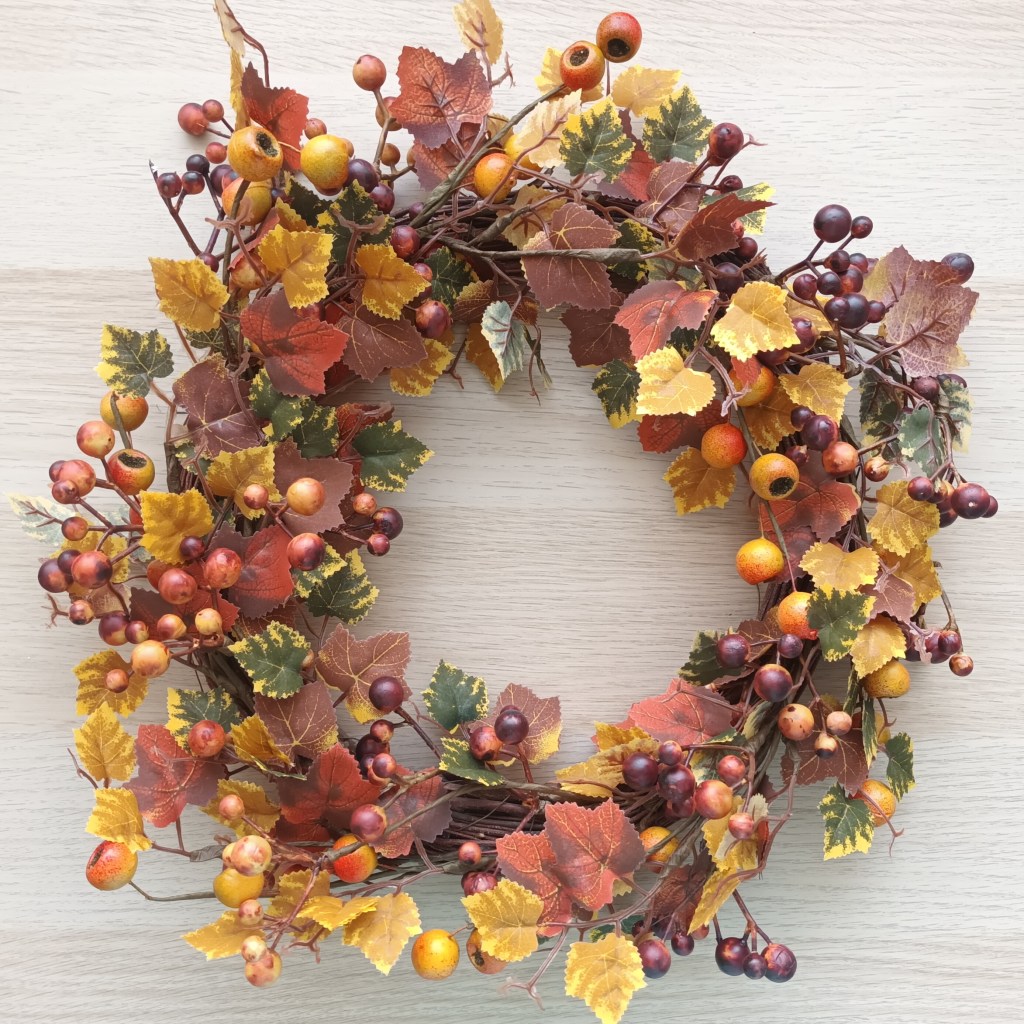
As well as changing up your decor, here’s some other ways to get your home ready for the autumn season:

  • sort out your wardrobe and drawers -remove vest tops, shorts, cropped trousers, summer skirts and dresses, thin jackets, caps, sunhats and summer swimwear and put them into storage to make room for thicker coats, jumpers, cardigans, tights, thicker trousers, jeans, hats, scarfs and gloves. Consider donating anything which hasn’t been worn in a while.
  • deep clean your home – we often associate spring with the time to clean but the autumn season is ideal too. Search ‘fall deep cleaning checklist’ on Pinterest for comprehensive lists of what to tackle.
  • swap your thin summer duvet for a slightly thicker one and layer with a blanket at the bottom of the bed or place on a chair for chillier nights.
  • add layers of soft furnishings such as throws and blankets to your sofa and chairs. You might also like to transform your space with new cushion covers in autumnal colours such as deep oranges, rich reds, golden browns, plum tones, muddy greens and mustard yellow.
  • treat yourself to a new home fragrance such as a candle, reed diffuser, pot pourri or air freshener. Popular scents for autumn include cinnamon, apple, amber, pine, cedarwood and spiced pumpkin.

Go outside

As temperatures start to drop and it gets a bit wet out there, it can be tempting to stay indoors, but Autumn is a beautiful time of year and, as long as you dress appropriately for the weather ( e.g. layers, waterproof coat, wellies, comfortable shoes or boots etc.) nothing beats a wonderful, mindful walk, appreciating all that nature has to offer.

My husband and I try to plan to go somewhere different each weekend, choosing a scenic location such as a forest, park, garden or woodland where we can completely immerse ourselves in the atmosphere. Here’s a few suggestions for making the most of your time outdoors:

  • use all of your senses to really appreciate the environment you’re in, pause regularly to notice the sights, sounds, smells, textures and maybe even tastes if you take a warm drink or a snack with you!
  • take your camera along to record some of your nature spots such as trees changing colour, different types of fungi, squirrels collecting nuts, the sun peeping through the branches of a tree, moss and lichen, fallen leaves on the ground, flowing water, nuts and berries, different views etc
  • collect autumn things such as acorns, conkers, different shapes, sizes and colours of leaves, pine cones, sycamore seeds, feathers etc
  • find a place to rest (preferably somewhere quiet and peaceful to sit or stand depending on the weather), take a few deeper, calming breathes before closing your eyes to. Take time to really appreciate the various sounds of nature, bodily sensations such as the sun, wind or rain on your face or the feel of your clothes against you skin and how you are feeling right now
  • when you get home, try doing some reflective journalling about today’s walk and how you feel about the Autumn season – the things you love and the things you don’t

Make the most of the light

As well as scheduling in time for walks in nature, try to find other ways of soaking up as much of the autumn light as you can. This might mean slightly changing your routine and going to bed a little earlier so you can enjoy the morning sunshine, taking your lunch outside or going for a short mid-day walk, moving your chair or workspace to a sunny spot in your home or using mirrors to reflect sunlight from your windows.

Autumn is also the best season to watch beautiful sunrises and see spectacular and vivid sunsets. Plus, there are many physical and mental health benefits including better sleep, improved immune system, stress reduction, boosted mood, appetite regulation, feelings of gratitude and the chance to slow down and focus on the here and now.

Make an Autumn bucket list

This is something I did in my bullet journal a good few years ago now and it’s something I’m going to create again this year to make sure I get the most out of the season. Some ideas to add off the top of my head include:

  • photograph signs of autumn e.g. changing leaves, squirrels storing nuts for the winter, fungi in the woods, crunchy fallen leaves, squashes appearing in the supermarket
  • go on a woodland walk
  • buy or make a piece of Autumn décor for your home
  • visit a pumpkin patch (book early as it’s a popular activity)
  • learn more about the science of leaves changing colour
  • do an Autumn craft – I plan to make an Autumn leaf garland using cardstock and my Cricut Joy and hope to create some Autumn ephemera for my TN journal too
  • develop a collection of squash recipes and try out at least two of them

Final words…

I hope you’ve found today’s post useful and it has given you some ideas on how to prepare for the changing season. If you have a tendency to feel anxious or down about the advent of autumn, maybe it’s time to work on reframing your outlook and start thinking about all the things there are to look forward to like beautiful walks in nature, wonderful wildlife to spot such as squirrels collecting nuts, noisy, honking geese in a large v in the sky heading south, new arrivals to the UK including fieldfares, redwings and waxwings, plus waterbirds like barnacle geese, water pipits, pochards and pintails, starling murmurations and rutting deer, wearing warm clothes and snuggling up under blankets, creating a cosy atmosphere in your home, eating comfort foods like soups, stews, crumbles and pies, plus lots of gripping TV dramas to binge watch.

Wishing you all a fantastic and fun-filled Autumn season,

Posted in hygge, lifestyle, Mindfulness, self care, wellbeing, wellness

Monday Matters: Simple ways to embrace the hygge lifestyle this autumn/winter time

Last week in my blog post, I wrote about the winter blues which many of us experience during the darker months of the year. As part of my practical tips, I talked about keeping yourself warm and cosy. Today, I’m going to take this a little further, looking at the concept of hygge, what it means and how we can embrace the idea to improve our wellbeing during the autumn/winter time.

What exactly is hygge?

According to Oxford dictionaries online, hygge is:

a quality of cosiness and comfortable conviviality that engenders a feeling of contentment or well-being (regarded as a defining characteristic of Danish culture)

Popular Danish author Miek Wiking explains in his book:

Hygge is about an atmosphere and experience, rather than about things. It’s about being with people we love. A feeling of home. A feeling that we are safe, that we are shielded from the world and allow ourselves to let our guard down.

The Little Book of Hygge

Elements of hygge and creating what Miek describes as a ‘hyggely atmosphere’ include soft textures, warmth, natural greenery – bringing the outdoors in, candlelight, togetherness, being present, comfort, pleasure, peacefulness, sharing and showing gratitude.

Ways in which we can embrace the hygge life this autumn/winter

There are so many ways to bring hygge into your life that whole books have been written on the topic such as Miek Wiking’s Little Book of Hygge. Today, I’m going to give some decor ideas which you can put in place in your home to create an atmosphere of hygge and a number of suggestions of activities you might like to try to evoke feelings associated with hygge living. I hope these will help make your autumn and winter a wonderful time which is full of happy memories and blissful feelings.

Soft lighting

A great way to create a cosy and intimate feeling in your home is with soft lighting. This can be achieved in a number of ways e.g. by using lamps with low wattage bulbs rather than bright pendant lights, dotting candles around (battery operated if you have young children or want to place them somewhere small or in a high traffic area) or mood lights – those ones which cycle through different colours are nice. As well as my little battery-operated set of three candles, we recently invested in a string of starburst lights and we have them hanging from a hook on the ceiling in the corner of our dining area – they look fantastic and are great for ambience when we’re enjoying a homecooked meal.

Chunky knits

Adding chunky knits in neutral colours such as cream, taupe, pale greys, ivory and of white in the living area of your home (and maybe your bedroom) helps to create a feeling of warmth and can be especially useful on chilly evenings. A selection of blankets and throws in a wicker basket or positioned on the arms of a sofa looks great and are close at hand when needed. Choosing different textures also makes for a tactile experience too. We like to have plenty of cushions in a range of different fabrics on our chair and sofa to make them super comfortable.

Greenery and nature

Bringing the outdoors in is another aspect of instilling a hygge vibe in your home. This can be achieved in a number of ways. Collecting nature items on a woodland or forest walk can be great fun – this could include conkers, acorns, pine cones, colour changing fallen leaves, sprigs of holly, spruce tree branches etc. When you get them home, I recommend leaving them giving them a gentle shake outside and leaving them on a white sheet of paper for a while so that any residing creatures can escape.

Displaying photos of scenery, wildlife, yourself and your family out and about in natural environments can remind you of happy times outdoors. You might choose an image from one of your favourite walks, stunning landscapes e.g. hills or mountains, waterfalls and rivers or close ups of nature (macro shots) such as berries hanging from a tree branch, interesting fungi or lichen on a tree etc.

There’s often home decor made from nature items available in home and lifestyle stores which can be picked up relatively cheaply, For example we have a glittery hedgehog made from pine cones and a reindeer which has bark attached to its front and ears. They both really twinkle in candlelight too!

And, if you spend a lot of time on your computer, tablet or phone a lovely idea is to choose a natural scene as your wallpaper or nature items as your screen lock or homepage. You can also sometimes get notebooks with patterned covers which would look great on your desk. This could be winter scenes, cute wildlife e.g. hedgehogs, squirrels and deer or flora such as poinsettias, holly or seasonal trees.

Cosy nook

Most Danish homes will have a cosy nook as a space for relaxation. This is usually somewhere comfortable to sit which has all of the hyggely elements – soft lighting in the form of candles or lamps, blankets and cushions, natural elements – the Danes love wood, tactile elements and a good book or magazine to read. In our living room, we have a gorgeous, swivel chair in a dark pink, soft velvet which is next to the window. There’s a table there with a cute hedgehog coaster on for a hot drink and a selection of books and magazines. We also have blankets nearby on our settee although it’s rarely cold when we sit there as it’s right next to the radiator. Can you think of a place in your homer where you could create a similar cosy nook? What would be your comforting essentials?

Indulgent foods and drinks

Although I recommend a diet which is balanced, varied and on the whole healthy, there’s nothing wrong with enjoying the odd treat and as pleasure is another element of the hygge life, I recommend indulging every now and then. Trying new things e.g. different flavours will add to the experience. Why not sample a flavoured hot chocolate such as mint or salted caramel, choose a previously untried dessert from your local supermarket or bakery to enjoy with family or friends or just on your own when you’re relaxing, or pick out a different nice sounding coffee blend instead of your usual? Or, you could have a go at creating a dessert using a recipe you found on Pinterest. I know that my husband and I often tried out new main courses but rarely do homemade puddings. Cooking can be a great way of spending fun and quality time together too!

Togetherness

Family and spending quality time with them is very important to the Danes. The same goes for good friends too. Being hyggely is all about getting together in the home and doing things either as a family on a small scale, extended family or a group of friends. I have lots of ideas for doing this but here are a few to get you started:

  • movie night – pick one of your favourites that you’ve seen a few times so that if you start chatting it won’t matter
  • tv series binge watch – ask everyone to bring a tasty snack
  • games evening – Scrabble, Jenga, Monopoly, Cluedo, Kerplunk, dominoes, card games etc. depending on the ages and abilities of the participants
  • afternoon tea – think tiny sandwiches and mini cakes along with a selection of warm drinks
  • candlelit dinner – intimate dinner for two or with the kids, just make sure you ban mobile phones at the table so the conversation flows!
  • jigsaw puzzle – we like 1000 piece ones which take a while and they’re big enough for more than one person to work on at once
  • pajama party – this could include lots of decadent foods (everyone could bring something to share) and hot chocolate (with a choice of toppings) or beauty treatments such as face packs, manicures and foot spas.
  • holiday preparation – if you’ve booked a holiday somewhere else in the country or abroad, a nice thing to do is get a feel for the place before you go. This could include finding out about things to do there, places to visit, popular food stuffs, traditions and the language. If you’re heading overseas, you might even watch a film or TV series which is set in your chosen location.
  • Photo memories night – why not spend an evening reminiscing over previous times spent together by looking through old albums or journals?

Whichever kind of get together you choose, it should be really informal if you want it to be a hyggely occasion. The Danes prefer slow and simple living, anything flashy is completely frowned upon!

Showing gratitude

Being grateful for all that you have is, according to Miek, another key element of hygge. Why not start a gratitude practice where you spend 10 minutes each morning or evening considering what you’re thankful for. Try to choose experiences and feelings as well as material things, for example, the chance to sit out in the sunshine and listen to the birds in your garden, a text message from a friend asking how you are and if you’d like to meet for coffee next week, a riveting TV drama series that you’re hooked on.

Final words…

I hope you have enjoyed reading my ideas for creating a hygge atmosphere in your home. I haven’t read Miek’s Little Book of Hygge yet but it’s on my TBR list. I noticed he’s also recently released a new book called My Hygge Home – How to make home your happy place and if it’s of the standard of his earlier titles, I’m sure this is well worth a read too. Let me know in the comments if hygge sounds like a feeling you would love to have in your home and which of the ideas you would be interesting in trying.

Until next time, lots of hyggely hugs,