Posted in lifestyle, mental health, Mindfulness, wellbeing, wellness

Monday Matters: Plantastic ways that gardening boosts your wellbeing

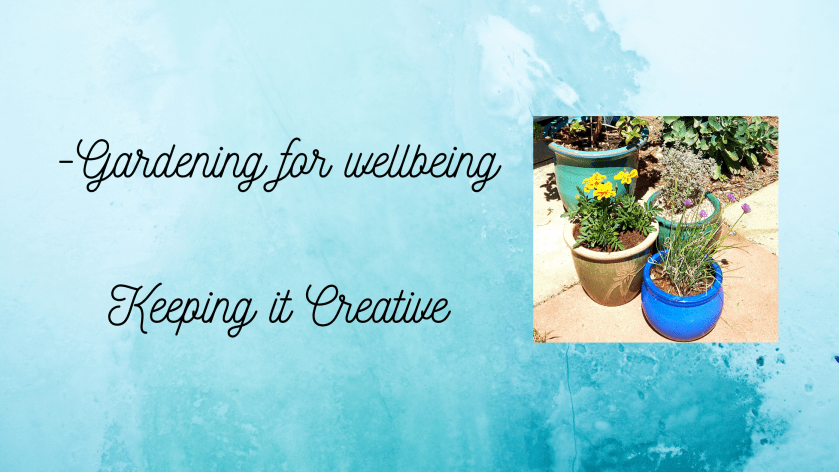
Over the period of lockdown, many of us have been finding ourselves with extra time to spend in our gardens and will have no doubt experienced the many benefits that gardening brings for our bodies and our minds. Today’s Monday Matters post is a collection of reasons why gardening and looking after plants is so good for your wellbeing. At the end of the article, I’ve also included a number of gardening related quotes from poets, famous gardeners, psychologists and other gardening fanatics that I’ve collected and would like to share with you.

Gardening is great exercise

Digging, planting, mowing the lawn, weeding, raking, deadheading and pruning all burn calories, increase flexibility and give your muscles a really good stretch. Some activities are obviously more labour intensive than others, but on average, an hour of gardening has been shown to burn up approximately 300 calories. And what’s more, this form of exercise not only helps your body and strengthens your heart, but also gives you an amazing space to sit it and enjoy the glorious sunny weather we’re currently having.

Mindfulness whilst gardening

Gardening is a great opportunity to practise mindfulness techniques which focus on being aware of the present moment and our current thoughts and feelings and the sensations which we are experiencing. When gardening mindfully, we appreciate the process and use our senses to explore, rather than thinking about the future and worrying about how we are going to get our space looking perfect or Instagram worthy. Before you even collect together your tools and start the jobs on your gardening to-do list, spend some time appreciating your outdoor space, maybe considering all that you have achieved so far or focusing on how grateful you are to have a garden. Use your senses to explore, taking in all of the sights, sounds, smells and sensations such as the bright and colourful flowers, the amazingly active insects as they dart from plant to plant, the different leaf shapes, textures and scents, the birds singing or the breeze gently blowing your hair.

When you do start on the hard work, continue to pause and use your senses to explore your bodily sensations and immediate environment such as the texture of the soil between your fingers, your muscles flexing as you move the mower back and forth on your lawn, the sun warming your skin, the water sprinkling the ground as you use your watering can, or the array of different plant shapes and petal colours in your borders.

Focusing on the present will help you to slow down and take a break from the fast pace of modern life. It will also enable you to forget about all of your various stresses and anxieties for a while as you really concentrate on what you are doing and how it is making you feel. In this way, gardening becomes a kind of meditation which is amazing for your mental wellbeing.

Gardening in the sunshine

It’s well known that to much sunshine can be harmful for your skin but as long as you apply an appropriate level of sun cream and seek shade during the middle of the day, the sunlight can have lots of mood lifting and health benefits. It is believed that exposure to the sun increases the release of seretonin in the brain which makes you feel happier, calmer and more focused. Vitamin D is also produced by your body naturally in response to sunlight and this has a number of benefits including regulating your wake and sleep cycle, improved immunity, stronger muscles, reduced inflammation, reduced risk of osteoperosis, reduced risk of some forms of cancer and reduced risk of type 2 diabeties.

Getting in touch with your creative side

Gardening is a great way to express yourself creatively. You get to decide on a design for your garden based on your budget and the space you have available to you including the kind of areas you wish to have such as somewhere to sit and relax or dine al fresco to fruit and vegetable patches or wildlife havens. When you’ve learnt about the type of soil you have, planting times and which areas of your garden get the sun and at what time, the fun of visiting garden centres to choose plants or packets of seeds to grow your own begins. You can select the colours you find appealing for flowering plants and spend time reading different labels to establish which plants are best suited to each garden condition. Even if you don’t have flower beds, you can choose from a huge array of pots and containers to put on your patio to create a container garden.

What if I don’t have a garden?

If you don’t have access to your own garden, don’t fear, you can still benefit from plants and nature in a number of ways. Most garden centres have now re-opened whilst keeping to social distancing rules and many supermarkets are stocking a range of houseplants making it really easy to bring beautiful greenery into your home environment.

Photo credit: Alena Ganzhela for Unsplash

Another way of brightening up your space is by treating yourself to a bouquet of fresh cut flowers of your favourite blooms. Again, these can easily be found in your local supermarket and a good quality bunch should be guaranteed to last for at least seven days.

Photo credit: Christie Kim for Unsplash

If you’re feeling creative, you could also make a pretty collage of plant images collected online. I did this last month to go with my succulents theme in my bullet journal. Basically, I went onto Unsplash and Pexel and searched for cacti and other succulents and then printed off some of my favourite images on photo paper. Then I stuck them into my journal and added some decor using my brush pens and some stickers. Just looking at the spreads brightens my mood.

One of the double page spreads I made last month

Finally, here’s those quotes I mentioned which I think are really motivational and thought provoking at the same time:

‘Gardening adds years to your life and life to your years.’ – Author unknown

‘A garden is a grand teacher. It teaches patience and careful watchfulness; it teaches industry and thrift; above all it teaches entire trust.’ – Gertrude Jekyll (British garden designer, writer and artist)

‘We might think we are nurturing out garden, but of course it’s our garden that is really nurturing us.’ Jenny Uglow (British biographer, historian, critic and publisher)

‘Gardening: It grounds us… gets us out of our busy heads and back into our bodies. Alone there on our knees, we can breathe. With our nurturing hands duly occupied, while gardening we allow ourselves the time & space to truly feel – peace, pride, satisfaction, joy.’ Cardthartic Birthday card (cardthartic.com)

‘The glory of gardening: hands in the dirt, head in the sun, heart with nature. To nurture a garden is to feed not just the body, but the soul.’ – Alfred Austin (English poet)

‘By becoming in tune with the seasons of growth and fall, preparation and harvest you make your mind and your body happier and healthier. By having a direct stake and involvement with the process of plants growing, of having your hands in the soil and tending it carefully and with love, your world and everyone else’s world too, becomes a better place.’ Monty Don (Gardeners World presenter and keen horticulturist)

‘Flowers are restful to look at. They have neither emotions nor conflicts.’ – Sigmund Freud (Austrian Psychologist)

‘Everything that slows us down and forces patience, everything that sets us back into the slow circles of nature is a help. Gardening is an instrument of grace.’ Mary Sarton (American poet)

I hope you’ve enjoyed reading about the many health benefits of gardening and my post has encouraged you to get outdoors and spend time in your own outside space or even visit one of your local parks to have a picnic and appreciate the floral displays and plants there. Let me know in the comments what your favourite aspects of gardening are and what you’ve been getting up to over the last few months.

Posted in fitness, lifestyle, mental health, wellbeing, wellness

Monday Matters: 8 Mental Health Benefits of Exercise

Photo credit: Bruce Mars, Unsplash

I’m sure we’re all well aware of the physical benefits of exercise such as strengthening our bodies, reducing fat, generally making ourselves more muscular and toned, plus reducing our chances of major illnesses such as heart disease, type 2 diabetes and some cancers. But, there are also lots of ways that exercise can boost your mental health too that you might not have even considered. As many of my followers will know, I recently upped my activity levels in a bid to get fit. You can see my workout record that I set up for May in my Bullet Journal here and ideas for creating a routine here. But it’s not just physical changes that I’m starting to notice, I’m also feeling so much better in terms of my general wellbeing, including my confidence levels. So, for today’s Monday Matters, I thought I’d do a little research into what I’m getting out of exercising in terms of my mental health and why it’s vital to keep going with my plan if I’m to reap all of the many rewards. Hopefully, this post will help to motivate you to fit in a little more exercise into your daily routine.

8 ways that exercise helps improve your mental wellbeing

1. increased energy levels

Finding time to get moving each day works wonders for your energy levels. This in turn, helps you to deal with all of the physical and mental aspects of your day and basically anything else that life throws at you. By getting some exercise in each day such as a gentle stroll around your local park (maintaining the recommended 2 metre social distance at all times) you’ll feel more alert and will get more done. This will increase feelings of achievement which is guaranteed to boost your mood.

2. better quality sleep

Recently, I’ve found that by the end of the day, I feel physically worn out and completely ready for bed (by 8pm actually, but I always manage to keep my eyes open until at least 9pm ha ha!). This is because research shows that although physical exercise boosts your energy levels for several hours after you have worked out, it also promotes good sleep. If you fall asleep quickly, you are less likely to start thinking things over in bed (ruminating) as you lie there and a decent night’s sleep will leave you feeling more refreshed and ready for action the next day.

3. reduced depression

Exercise is well known for releasing endorphins which are a group of hormones that are secreted into the brain and nervous system. These have been scientifically proven to enhance pleasure and reduce pain which of course helps combat depression. In fact, when I went to my doctor when I was struggling with depression, she asked if I was getting plenty of exercise and I was able to tell her that I was having a brisk walk each and every day. Also, if you do your workout outside, as long as you take appropriate measures to protect yourself from The Sun, you will also be boosting your Vitamin D levels which has also been shown to reduce depression.

4. reduced anxiety

As well as being shown to combat low mood, exercise has also been found to be great at alleviating anxiety. It is thought that one of the reasons for this is that moderately intense activity uses up excess adrenaline and helps to reduce anxious thoughts. Also, if you exercise mindfully, paying full attention to how your body feels, it allows you to switch off from stresses and worries.

5. emotional comfort and support

With the current lockdown, you are only allowed to exercise with family members that you live with, but getting a workout in can ordinarily be quite a social experience too. When I was attending my yoga class, I would chat to the instructor and the ladies before and after the class and we would even talk about the difficulties we were having with some of the poses and which were working our muscles really intensely. I also received lots of praise from my teacher, saying that she was impressed with my ability and that I didn’t seem like a beginner. This was a real boost to my self esteem and made me trying even harder. Support and encouragement when you are exercising is really good at keeping you motivated.

For now, smiling, saying good morning or hello to people you see when you’re out and about for your daily exercise can help you feel a connection to others and give you a little boost. You can even strike up a brief conversation about the weather as The British are fond of doing!

6. increased self esteem

Sticking to your exercise plan is great for your self esteem in a number of ways. I’ve found that as I’ve start to see improvements to my body, I’ve begun to develop a much better self image and this has been a huge boost to my confidence levels. I’m also really proud of myself for keeping up with my new routines and the support and encouragement from my husband has increased the feeling of positivity too.

7. a boost to your brain power

Aerobic or cardio exercise has been shown to keep your brain cells healthy and improve their connections. This has a positive impact on your cognitive functioning, giving you a better memory, greater ability to make decisions and an increased capacity for learning. This enables you to learn faster and more effectively and also has a positive impact on your concentration and general productivity levels.

8. increased confidence

Depression and anxiety have a tendency to completely wipe out our confidence levels and self belief. By setting small exercise goals and meeting them you can feel a sense of accomplishment and this will give you the confidence to set your sights even further and aim higher. This can have a knock on effect on other areas of your life too.

Photo credit: Dee @ Copper and Wild

As you can see, there are so many amazing mental health benefits to exercise which can increase your wellbeing just as much as your muscle tone and fitness levels. And research shows that you don’t have to be a complete workout fanatic to reap the benefits. Moderate exercise on a regular basis such as walking, cycling or even housework such as vacuuming, mopping and sweeping can work wonders too. I’m certainly going to keep up with my routines as I’m starting to look better on the outside and feel much better on the inside and my husband has noticed so many changes already.

Last night, Boris Johnson gave us updated recommendations about daily exercise in the UK. He has said that, from this coming Wednesday, we can, with caution and a continued focus on social distancing, spend as much time as we like outdoors in communal parks and gardens. We will also be able to drive to different destinations so that we can go to other beauty spots. This is good news in some ways but there are quite a few unanswered questions for me, such as whether car parks for forests and woods and gardens will be re-opening and even more importantly, if you are travelling a long way and maybe enjoying a picnic with your family, whether public conveniences will be available for use!

We will have to wait and see what happens I guess!

Posted in compassion, mental health, Planning and journaling, wellbeing, wellness

Monday Matters: Creating a WRAP Part 5 (final in the series)

Over the course of April, I’ve produced a series of posts about the process involved in creating a Wellness Recovery Action Plan. Today is the final installment in which I look at Crisis Planning. As I stated in my last Monday Matters post, I did not complete this section of the booklet myself as my illness has never reached crisis point but I intend to go over what this part of the plan would look like and suggest some ideas of what you might include.

What constitutes crisis?

Although there is no set definition for a crisis, it can be described loosely as being a state of emergency that poses an immediate threat to your physical or emotional wellbeing. Therefore, in spite of your best planning and actions to keep yourself well, you find yourself in a situation where others need to take over your care.

Crisis planning

This part of the W.R.A.P. has 9 sections and I will go over in in turn. Although the whole plan is very personal to the individual, I can offer suggestions on the kind of information you might record in each list.

Part 1: What I am like when I’m well

This can literally be copied from the second page of your plan and is simply placed in this part of the document for ease of access.

Part 2: Symptoms

This is a list of signs that tell others that they need to take over your care. Some examples include violent out of control behaviour, psychosis (loss of touch with reality), paranoia, abusive behaviour towards self or others, inability to perform basic tasks such as bathing, brushing teeth etc, showing signs of planning own suicide (Mind website information on this can be found here).

Part 3: Supporters

This is a list of people you want to care for you if the symptoms you listed in Part 2 occur. Include family members and health care professionals but make sure you seek their permission to me added to your list so that have advance warning in case something happens in the future. You can also include a list of people you do not want included in your supporters list too.

Part 4: Medication

In this section, you can write which medications are okay to be given and which are not. So, for example, you might have reacted in a bad way to a particular antipsychotic in the past and be worried that it might make you worse if administered again.

Part 5: Community Plan

In this section, you can list your preferences for your care so you can feel you have some say in what happens when you are unwell. So, for example, you might prefer to have the Crisis team visit you at home and come up with a plan for you in consultation with your partner or you might feel that you are best off being hospitalised.

Part 6: Treatment Facilities

Here, you would list where you would prefer to be treated or hospitalised if that becomes necessary. You can also add facilities that you would rather avoid if possible and why.

Part 7: Treatments

In this part, you can include treatments and therapies which you feel would be most beneficial and those which you wish to avoid and why. You may have tried alternative therapies that have worked in the past and wish them to be administered again.

Part 8: Help from others

Here, you can write down what you want from your supporters which will help make you feel most comfortable. Obviously, this list is very personal but might include the kind of things you would like people to say to you for encouragement or avoid saying as you know they will not help.

Part 9: When my supporters no longer need to use this plan

In this section, write a list of indicators that your supporters no longer need to take over your care. What are the signs that show you are once again in control of your life? This might include features of wellness that you display which show you are well on the path to recovery.

Looking forward

Remember that if you do reach crisis point, despite putting all of the elements of a W.R.A.P. in place, this is not the end of the world and it certainly does not mean that you won’t recover. After you have taken the time to get yourself feeling better and stronger, you might like to revisit your plan with one of your supporters and discuss any improvements you might be able to make to your plan and the action which goes with it. Maybe, on reflection, you didn’t do enough to keep yourself calm and relaxed in daily life and could benefit from putting more self soothing activities into place. Or perhaps a loved one recognised signs of deterioration but you chose to ignore it or go into a state of denial. Whatever happens, you can learn from the experience and try to make plans for the future.

And that, as they say in the filming industry, is a WRAP. I hope you have found my series helpful and can see the benefits of producing this kind of document to help with issues relating to mental health. If you would like support to write your WRAP, I suggest looking into if there is a Recovery College in your local area or if you are able to work with a mental health professional as part of therapy sessions to make one.

Wishing you a wonderful week,

Posted in lifestyle, Planning and journaling, Setting goals and intentions, wellbeing, wellness

How to create a beginner’s workout routine and why rest days are an important part of your fitness practice

Photo credit: Zibik on Unsplash

If you read my post on my bullet journal set up for next month, you will have seen that I intend to start track my steps and workouts in a handy spread I created for the purpose. As this will start from tomorrow (can you believe it’s almost May already!), I thought I would do some research into creating a good workout routine that targets all of the body and includes all of the necessary elements to increase strength and fitness. And if I’m going to do all of this hard work reading up on creating a rounded routine I figured I should share it with you all in case you are wanting to improve your fitness levels too. Bear in mind this will be very much beginner level and also that I’m over 40 and therefore I have to take into account a little bit of bodily wear and tear! So, without further ado, I’ll jump right into it.

My first port of call was the NHS website as I figured that this was the most reliable source of information I could find. They present guidelines for all adults aged 19 to 64 and state the following

Adults should do some type of physical activity every day. Any type of activity is good for you. The more you do the better.

NHS Guidelines for 19 – 64 year olds

The NHS then goes on to state that the exercise should consist of strengthening exercises which work all of the major muscles (legs, hips, back, abdomen, chest shoulders and arms) at least twice a week plus at least 150 minutes of moderate intense activity or vigorous intensity activity for 75 minutes. Some examples of each intensity can be found below:

Moderate activity

a brisk walk

heavy cleaning (vacuuming, mopping etc)

mowing the lawn

cycling (light effort)

doubles tennis

water aerobics

dancing

swimming

gentle aerobics

Vigorous activity

hiking

jogging

tennis singles

fast bike riding

football game

basketball

running

energetic dancing e.g. Zumba, Clubbercise

This means that, for example, you could aim for 30 minutes of moderate activity 5 days a week or an intense exercise at least once a week plus shorter moderate activities. For my moderate intensity activity, I try to do a brisk(ish) walk almost every day and a beginners aerobics class for 30 minutes at least 3 times a week which starts of gentle and then gets a little more vigorous further in.

The website also says that we should reduce the amount of time spent sitting or lying down and break up long periods of not moving with some activity. This is where a Fitbit fitness tracker is useful because you can set it up to vibrate if you haven’t done 250 steps in the hour to remind you to move (it even tells you how many more steps you need sometimes!). In fact, at 10.50am as I sit here typing, my Alta HR has just vibrated so I paused and went for a short walk around the garden and popped up the stairs to deliver this morning’s post to my husband in my craft room. I also use the opportunity to do a few basic stretches, particularly of my neck.

If, like me, you are a beginner or are just getting back into a fitness routine, you should remember to take it gently at first, so no doing long, vigorous workouts and collapsing in a heap at the end! I found that when I started doing the aerobics sessions it was tempting to push myself too far in a bid to see faster results but this is certainly not to be recommended. Far better to push yourself a tiny bit harder each day and build up to more intense routines.

You can also find a list of very intense activities which are known as High Intensity Interval Training (HIIT). These are done in short bursts where you put in maximum effort followed by periods of rest. Just thinking about that has made me feel exhausted (ha ha!) and reminds me of when I once went to a spinning class and could barely drag my jelly legs off the stationary bike by the end!

For muscle strengthening, exercises such as yoga, pilates or Tai Chi are recommended but you could also try some heavy gardening such as digging when the weather allows. Lifting weights or using resistance bands are also good for developing muscle. Personally, as you will know if you follow my blog, I’m really getting into yoga and try to do at least 20 minutes per day. It may look easy with it being so slow but some of the poses can be really intense. There are so many benefits for body and mind with yoga and if you want to learn more, check out this post. I’ve even found some yoga routines online which target specific parts of the body so you can work on strengthening your back, upper body and even your core. This is one of my favourite YouTube channels right now.

Muscle strengthening

You can combine your moderate aerobic activity with your muscle strengthening routines or do them at different times or on different days depending on what suits you. I do my yoga and a walk in the morning and then do my aerobics in the afternoon but I’m finding that the bright afternoon sun is making my living room really hot so I may change this as the weather improves. After lockdown is over, I’m also hoping to do my hour long yoga session on a Friday at the wellbeing centre and also go to the gym for resistance work and some time on the treadmill, the bikes or stepper.

Remember to exercise safely

When you first start, it’s really important to ensure you are performing exercises correctly. That’s why I would recommend that you go to a class or seek the help and support of a fitness professional. I know, at the moment, due to lockdown and social distancing, doing this in person is not currently possible but there is advice to be found online on various websites and a whole array of YouTube videos from instructors. If your technique is poor, you won’t get the expected benefits of an exercise and it may even lead to pain or injury so please do make sure you workout safely.

Schedule in rest days

When you begin a new exercise regime and develop the motivation to stick to it, you can quickly become addicted to the rush of feel good endorphins that are released during moderate activity workouts. Also, when you start to see results in terms of better muscle tone and strength or weight loss, you may think that working out intensely every day is going to help speed up your progress. However, the opposite is in fact true. Taking regular breaks in the form of rest days is just as important as exercise as it allows your body to recover and repair. In fact, skipping rest days often leads to burnout or injury.

A rest day doesn’t mean you can’t do any exercise at all. It just means that you take it easy and avoid doing anything intense. A little light stretching or a gentle walk are absolutely fine. So, for example, I shall still be doing my yoga and getting outside for a nature walk each day but I won’t be doing my aerobics on at least two of the seven days. By building in rest time I’ll be feeling refreshed and ready to continue with the rest of my routine.

I hope you have found today’s post helpful. I’ve tried to put the key ideas in bold so that you could skim read if necessary. Let me know if this lockdown period has provided the encouragement for you to get fit or if you really need to up your activity levels but haven’t found the motivation to get started yet! (I know some people are struggling with fatigue right now due to the fact the situation is quite overwhelming and stressful). If you have any further ideas or advice for me in my journey to fitness, please feel free to share your suggestions.

Posted in wellbeing, wellness

Monday Matters: Creating a W.R.A.P. Part 4

The cover I made for my file using MS Word

In this series, I’m breaking down the aspects involved in creating a Wellness Recovery Action Plan (W.R.A.P.) and sharing my experiences of the course I did at my local recovery college where I worked on my own individual plan. In Part 1, I talked about what a W.R.A.P. is and why they are helpful. I identified the main principles and introduced the idea of making a wellness toolbox to help you think about activities which you find help your mental health. In Part 2, the focus was on identifying what you are like when you are well and making a list of every day activities which you should do to keep yourself feeling well. For Part 3, we looked at the importance of recognising your triggers or stressors and creating a plan of methods for coping with these when they occur. We also considered our own personal warning signs that we are beginning to become unwell and I shared examples of my signs and actions for combatting these. Today, the focus is on signs of further decline when your coping methods and action plans are not helping you and simple steps you can take to remediate.

Sometimes, I find that even though I’m trying really hard to keep myself well, certain sets of circumstances or aspects of life cause my mental health to deteriorate. When I start to become depressed, it seems like nothing I can do will help and thoughts such as ‘I’m never going to get better’ kick in. Even though I’ve got through periods of depression and anxiety countless times before, I always panic that this is going to be the one time when I stay unwell indefinitely.

When I made my list of signs of decline, I was actually living that depressive and anxious side of my life so it was easy to write everything down but also quite upsetting. I also struggled to come up with coping methods and an action plan and this is where the support of the course facilitator at the college became so important. If you are struggling it’s really important to reach out for help. A family member, a close friend or a therapist can all help to provide objectivity and encouragement in finding a way forward.

Now I’m feeling stable, I have added to my list. In fact, I’ve turned it into two lists – one for times of depression and anxiety and the other for when I’m struggling with hypomania. Here are some examples that may help you get started with creating your own list or lists:

Depressive episodes

crying a lot

lack of motivation

avoid doing things

anxiety on waking

isolating myself

feeling hopeless

can’t see a way forward

rocking and pacing

fragile

lots of negative self talk

let things upset me that I wouldn’t ordinarily

feeling tired all of the time

sleeping in

very poor appetite – feeling sick

hopelessness

convinced I will never get better

Hypomania

erratic driving

spending money on unnecessary things

talking non-stop

not sleeping properly

taking on too much

jumping from one activity to another

thinking I’m superior / better than most

My coping methods / action plan

Go back to my wellness toolbox and choose self soothing and mindful activities

Do things ion my ‘Daily Maintenance’ list even though I don’t feel like doing them

Get some exercise – a gentle walk in nature

Do a meditative activity e.g. colouring in

Write a short action plan for each day

Try to celebrate small achievements

Write a done list of all of the things I have achieved each day e.g. had a shower, ate some lunch etc

I hope my posts are helping in terms of managing your mental health conditions and has shown how a Wellness Recovery Action plan can help with anxiety, depression and symptoms of bipolar illness. The fifth part will be about crisis planning which is particularly relevant for those of you who may struggle with manic episodes and severe periods of depression where someone else needs to take over your care. As my mood disorder is not as debilitating as this and I have learnt to manage hypomania and moderate depression, I did not fill in this part of the plan but I will still be sharing ideas for its completion.

Until next time,