Posted in lifestyle, mental health, wellbeing

Monday Matters: 7 health benefits of keeping houseplants plus easy care varieties to choose

Currently we have lots of trays of seedlings all over the windowsills in our house as we get our baby plants ready for life outside when the weather warms up (hopefully some time this month!). To make way for them, we’ve had to reposition some of our many houseplants so our space is looking a little bit cluttered right now! I’m sure it won’t be long until the little plant plugs are transferred into our garden beds and the indoor plants can have pride of place again. In today’s Monday Matters I’m going to be sharing some of the joys of keeping houseplants, including 7 ways they’re beneficial for our physical and mental health. I’m also going to give my suggestions for some easy care varieties that take minimal time and effort and still look good.
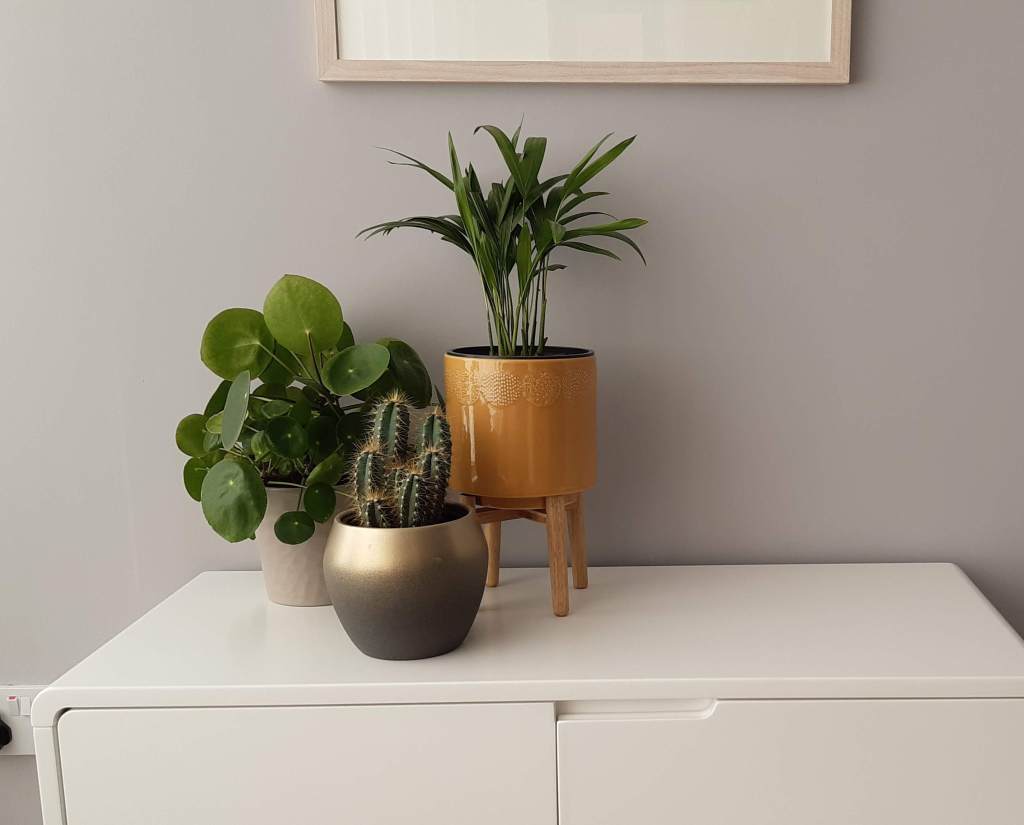
Photo credit: Laura Jones for Keeping It Creative

We have a range of different houseplants which we’ve accumulated over several years. A few of them have been grown from cuttings (such as our Christmas cactus which bizarrely decided to flower at Easter this time) but most have been bought quite cheaply from local garden centres. You can see a small selection of them above which I’ve grouped together just for the photograph! We love our plants because they look good, but recently I’ve learnt more about the excellent health benefits that come with them which I want to talk about today:

improve your mood

There’s a reason why people take flowers and plants to hospitals when they visit – they’re great for cheering us up. Whether it’s beautiful scented flowers or interesting and colourful leaves, plants are lovely to look at and can radiate a feeling of positive energy and make us feel much happier. They’ve also been shown to reduce negative thoughts and emotions such as sadness, anger, fear and stress. In addition, all houseplants require some basic maintenance and this can create a feeling of being needed which is particularly useful during periods of low mood associated with some mental health conditions.

boost your productivity levels

Various studies have found that working in a space containing greenery is great for productivity. Having a few potted plants on your desk improves cognition (AKA mental processing) and also makes you able to concentrate for longer periods of time. This is good news for office workers and students who want to increase their performance and get more done, more quickly.

reduce fatigue

Fatigue is a serious issue for many of us resulting in feelings of tiredness and exhaustion, irritability, poor motivation and concentration, lack of appetite and weakened immune system. Whilst plants can’t completely cure modern day fatigue, they can certainly help to improve some situations and causes. At work, they can create a more calming and informal environment, offering reminders of the joys of nature. At home, they can create a relaxing atmosphere where you feel more content. Plants may also help to relieve symptoms such as headache and aching joints.

Having a plant filled home has even been shown to help alleviate symptoms of seasonal affective disorder (AKA Winter depression), one of which is chronic fatigue. Although one of the main treatments for SAD is to try to get as much natural light as possible, studies have also found that exposure to plenty of greenery through indoor gardening can improve our mood and as the plants are often near to or in the window, the individual can benefit from light exposure as they tend to each of their pots.

lower stress and anxiety levels

Looking after houseplants can be a great mindful activity where the focus is shifted to the here and now, helping you to forget about all (or most) of the everyday stresses and strains of modern life. Starting from reading up about the plant and then potting the specimen in a cute new pot before finding the perfect location for it. Then you have maintenance tasks such as regularly checking the soil to see how moist it is, looking carefully at the plant to find out if it’s completely happy where it is, or is showing signs of underwatering or lack of exposure to light etc. Removing any dead leaves or flowers or checking a book or online article to find out more about the plant if it appears to be struggling.

One study conducted in Japan has even found that just gazing at a plant for a short amount of time can significantly reduce anxiety levels. I think to get the most out of your observation though, it’s important to really look and appreciate it as a living thing. So, for example, you could pay attention to the leaf shape and structure, the colour of the stem and the leaves, the shape and height of the plant, how it smells and how it feels – glossy, bumpy, spiky etc.

better air quality

A recent NASA study discovered that houseplants can help clean the air we breathe by reducing toxins. Apparently there are lots of pollutants in our home that you probably didn’t even know about. Sources include cooking, cleaning products, poor ventilation, some building materials, home furnishings, heating systems and damp. The air purification ability of the plants depends which varieties you choose, how big they are, how big the room is and how many you have but about 5 decent sized plants in a medium sized room should make a difference.

A word of warning though: Never rely completely on plants to clean your air. Simple solutions such as using chemical free cleaning products, removing mould, opening windows, choosing low odour paints and finishes etc. should be first on your list.

help to make rooms more comfortable

Plants can completely change the environment in a room, making it a more pleasant place to be. As well as the aesthetic benefits, plants can help to raise the humidity level as part of their respiration process and photosynthesis. A room which is more humid can help relieve dry skin conditions such as eczema and lessen symptoms of colds and asthma. Large houseplants can be useful for absorbing sound in a noisy environment so are ideal for rooms with hard floors. They can also provide a screen from unattractive aspects of a home such as plug points and trailing wires or help to give a pleasant dappled shade if placed beside a bright and sunny window.

therapeutic effects

The benefits of getting close to nature are widely studied, with research showing that spending time in a green space can have a huge positive impact on wellbeing. Going outdoors is beneficial but you can also enjoy nature from inside your home if the weather is preventing you from wanting to step foot outside or if anxiety or depression are making things extremely difficult for you. Having some potted plants is a great way of getting started and they can be enough to provide you with a routine of having something to give care and attention to, without being too onerous and overwhelming whilst you are struggling with your mental health.

Having an array of houseplants has also been shown to help combat feelings of loneliness and isolation. This is believed to be due to the mindful activities of watering and nurturing which make us feel needed and evoke a sense of purpose within ourselves and a feeling of joy from believing that we are making a difference to the world.

A recent study in the USA, conducted during the COVID-19 pandemic, found an increase in individuals taking up keeping plants as a hobby, with a large percentage of them reporting that they felt that the pastime improved their mental health. Many of those who shared their positive experiences reported that they hoped to continue enjoying the benefits of plant-keeping after the pandemic is over too.

And one more thing…

Aside from these great health and wellbeing benefits, houseplants look fantastic too, providing cheap and cheerful décor for your home. The different shades and textures of greenery itself offers great appeal and if you choose a range of striking pots and containers these can also add extra visual interest. We particularly love our recently acquired areca palm and the cute pot and stand. The extra height means that we can have the plant on the floor in the corner of our living room. When it gets bigger, the foliage will also hide the plug points and the cables along the skirting board too!

Easy care plants for beginners and busy people

There are so many different plants to choose from that it can feel overwhelming when you go to the garden centre. For beginners, I recommend starting with plants which can withstand sporadic watering, can tolerate a range of different positions in the home, and only need feeding every now and then. Here’s my favourite minimal care house plants:

  • spider plant (Latin name: Chlorophytum Comosum) – easy to look after and as it matures it creates trails of little baby plants that look amazing. Plus, it is really good at cleaning the air by reducing toxins which are emitted from everyday items in the home.
  • mother in law’s tongue (AKA snake plant or Latin name: Sanseviera) – if you think you might forget to regularly water your plant, this one is for you! This is probably the toughest houseplant I know. We have three now as we divided our original one down as it got a little big for the pot. A great one for the bedroom too as it releases oxygen into the air during the night.
  • rubber plants (Ficus Elastica) – create visual interest with the big, leathery, glossy, oval leaves. Also high on the list of plants which eliminate toxins from the air (according to NASA).
  • areca palm (Dypsis Lutescens) – a popular household plant which is good for releasing moisture into the air – a bonus for anyone who suffers from dry skin in the winter time
  • cacti – a huge variety of types available so choose one that you like the look of – some even have little flowers but these only grow in ideal conditions and if regularly fed). You can get some in miniscule pots and others in bigger containers – you can even get some that come with the decorative ceramic pot already installed, meaning that you don’t even need to think about getting a tray or container that’s the right size.
  • Chinese money plant (Latin name: Pilea peperomioides). Mine is pictured above and although I haven’t made my millions from having it, it has attractive circular shaped leaves and an interesting dark brown trunk like stem.
  • Aspidistra – also known as the cast iron plant due to it being almost impossible to kill! This has upright, lance like leaves which are quite a dark shade of green. Apparently, the plants were extremely popular in the Victorian times as they could be placed in relatively murky hallways and still survive!

Whichever plant of plants you choose, it’s good to experiment and if you fail on your first attempt and find your prized plant looking a little worse for wear, see if you can revive it and if not, learn from the experience and have another go.

Final words…

I hope you have enjoyed reading about the benefits of keeping houseplants and it has prompted you to consider getting your own plant baby to look after. If you have your own beloved plant or are on the hunt for one, let me know in the comments. Also, if you have a garden, like we do, you might want to check out this post which is all about the wellbeing benefits of gardening.

Posted in Bipolar disorder, Lithium therapy, mental health

Lithium therapy for Bipolar 2: A personal experience

As some of my readers may know, I was diagnosed with Bipolar 2 on March 15th 2021 and have had my medication treatment plan changed by being tapered off antidepressants and changed to Lithium. Before taking the Lithium, I did lots of research into the drug and the potential side effects. I also tried to find information online about individuals who had started lithium therapy but I found very little. I thought it might be useful if I presented my own experiences of starting on lithium so that others who commence treatment can at least learn a little about the process.

What is lithium?

I’m not going to go into a huge amount of detail here because there’s plenty of information online (such as NHS, MIND and NICE) but basically lithium is a naturally occurring mineral which is used as a mood stabiliser mainly used to treat symptoms of Bipolar disorder including mania, hypomania and recurrent depression.

Before taking lithium

When I was initially offered Lithium, I was asked questions about my diet, including how much alcohol I consumed on a weekly basis. This is because the medical staff need to make sure that you are not on a low sodium diet as this can cause excessively high lithium levels when you start your treatment. Other basic checks were performed including height and weight to establish BMI.

Following my appointment with the Community Psychiatric Nurse (CPN) and a virtual consultation with the Psychiatrist (due to COVID) I was advised to begin tapering off my antidepressants. I reduced from 40mg to 20mg of Citalopram straight away, coming off the tablets completely and then reduced my Mirtazapine from 45mg to 30mg and then down to 15mg, tapering the dose every two weeks. I’m still taking the Mirtazapine 15mg at the moment and can’t wait to be done with them as they’re making me very tired.

The Psychiatrist provided me a weblink to read up on Lithium therapy and whilst reading from this site and other resources, I learnt about a purple booklet that was available which included a lithium alert card to carry in my purse. I was advised that the card is useful in case of a medical emergency so as to inform medical staff that you are a lithium user so that you can be treated appropriately. The booklet also provides a good overview of treatment, side effects and precautions.

Medical checks

As soon as an appointment was available (I managed to get a cancellation two weeks after my diagnosis), I had my initial checks. This included taking my blood pressure, having an ECG and blood tests. The blood tests check your kidneys and thyroid and these, combined with the ECG and blood pressure tests make sure your body is working as it should be. This also provides a baseline so the doctor can see if the lithium is causing any issues.

The first week

I was contacted by Mental Health Services to collect my first prescription a few days after my blood tests. This script was for two weeks on a starting dose of 400mg and was for Lithium Carbonate MR (modified release). I was advised on the exact days I could take the very first tablet and was given a window of several hours (8-10pm) in which to take the medication. I decided to wait until the Sunday night (as oppose to taking them on Saturday) as I had read that a common side effect was sickness or diarrhoea and my husband and I wanted to go out for the day on the Sunday. This was a wise move as I did have tummy troubles for about five days after beginning treatment.

Tip: I recommend setting an alarm on your phone to remind you to take your medication. Mine is set for 9.30pm and I take my tablet as close to this time as possible. If you forget to take your Lithium or you take it late, it can cause problems so this is best avoided.

My first blood test was on the Friday following the first dose so I had taken the medication for five days. I also had my blood pressure taken and my weight. The nurse then had a series of questions for me checking for side effects. The only one I had initially was diarrhoea. They also found that I’d put on a little weight which is apparently very common with lithium use.

Week 2 – further side effects

When you have started Lithium, you have a blood test each week. Mine was exactly a week after the first one at the precise time of 10.10am as you need to have taken the last dose at least 12 hours before bloods are taken. Again, questions were asked to ascertain any issues and this time I still had problems with diarrhoea but not as bad as before. Another issue I has an urgent need to pee on a frequent basis. This is a known side effect but a rather unpleasant one when you want to go out for the day but are conscious of always needing to be nearby some facilities after having a drink.

Week 3

As well as frequently needing the loo, I had also developed heavy and sore boobs. This was not on the questions list but I felt it was likely to be Lithium related so I mentioned it when asked if I had any other problems. I was advised that the issues may be related to Prolactin levels but I’ve not yet received any form of confirmation and this symptom has gone.

My prescription has now been upped to two 400mg tablets each night so the dose has been doubled. This seems like a big leap to be but I’m sure the psychiatrist knows what he’s doing!

Another issue I had this week was feeling a bit ‘funny’ when I didn’t drink enough. I’d gone out somewhere and hadn’t made sure I stayed hydrated. It’s difficult to describe how I felt accurately but I guess the best term I can use is feeling ‘spaced out’. I’ll definitely be making sure I drink plenty from now on as it was not nice.

Week 4 – more side effects maybe?

When I arrived for my appointment this week, I was advised that I’d reached the therapeutic level of lithium required so I didn’t need a blood test so I collected my prescription and went. My next blood test is in two weeks and I think, after that, they will be come even less frequent.

With regard to side effects, there are a few things now troubling me – feeling cold nearly all of the time, having dry hair which gets knotted easily and seems to absorb all of my conditioner no matter how much I put on, and yesterday my nails went white in the shower which I’ve never experienced before. It’s hard to know if I’m super aware because I’m looking for anything that might be even slightly different about my body or if these are the effects of my body getting used to a new medication. Either way, I really hope this needing to pee all the time thing goes away because it’s simply not funny!

Benefits of treatment

So far, it’s difficult to tell if the Lithium has had any effect on my mood. I’ve been coming off two forms of antidepressant medication so I think that has caused issues with how I’m feeling. Also, my bipolar cycle usually means that I’m okay for some months of the year and then depressed at other times and I was already euthymic (stable) prior to receiving my diagnosis. Whilst I’ve been reading about Lithium, I’ve learnt that it’s very effective at preventing mania and hypomania but not so successful at stopping depressive episodes so I guess it’s a case of waiting to see what happens.

Final words…

So that’s my experience summed up. Obviously, if you start on Lithium, it might not be yours as we all respond differently and present with different side effects, but hopefully, it’s given a short overview of what it’s like to start on this medication. I think one of the things to bear in mind when taking any form of tablets for mental health is that most if not all of us have some form of side effects and unless they are causing serious problems, it’s usually worth persevering whilst your body gets used to them. The purple booklet (make sure you ask for one because I wasn’t given one automatically) clearly states what to do in the event of having too much lithium in the body (known as lithium toxicity or lithium poisoning) and explains which symptoms are problematic.

Posted in Bipolar disorder, CBT, compassion, depression management, mental health, wellbeing

Monday Matters: The importance of self-awareness and self-acceptance when managing a mood disorder

Photo credit: Ava Sol for Unsplash

Those of you who follow my blog and regularly take the time to read my posts will know that I’ve recently been diagnosed with Bipolar Disorder 2. In brief, Bipolar Disorder is a mental health condition which is characterised by extreme mood swings including bouts of low mood known as depression, periods of elevated or high mood known as mania or hypomania and euthymic state where the mood is stable. Although it’s taken until the age of 43 to get what I now feel is an accurate diagnosis, I’ve been experiencing issues with my mood since the age of around 17 and, even though I’m not an expert in mental health conditions, I have developed a high level of self awareness through the years and have come to learn what helps me manage my moods and what doesn’t. So, in today’s Monday Matters, I’m going to talk about how important it is to be self- aware (which I believe I’m pretty good at) and self-accepting (which I’m probably not so good at – yet!). I’m also going to touch upon ways in which an individual can begin to make improvements and develop in both areas.

What is self awareness?

Self-awareness is a conscious knowledge of one’s own character, behaviours and feelings. Basically, it’s all about knowing exactly who you are and why you behave in the way you do. Self-awareness is not an inherent trait – it’s something than can be learnt and cultivated using a range of reflection and introspection techniques.

I believe increased self-awareness is vital in helping us to find ways of managing a range of mental health conditions including bipolar disorder, depression and S.A.D. (Seasonal Affective Disorder). It can also help anyone who has other issues with their moods too for example, in early pregnancy or in the days leading up to a period.

How does self-awareness help us to manage mood disorders?

Enables you to make helpful choices in terms of coping strategies If you know yourself well, you will be able to identify and describe how you feel more easily and be able to make better choices in terms of self help and coping strategies. For example, when you are depressed, you may need to focus on celebrating small achievements, practising gratitude or using distraction techniques to change the focus from negative thoughts. If you’re feeling manic, hypomanic, wound up or angry, you may need to turn to relaxation techniques or use some soothing rhythm breathing to create a sense of calm.

Helps you spot patterns and cycles If you have full knowledge of what your different moods look like e.g. the key features of your depressive cycle, or how you present when you are manic or hypomanic, then you can more easily spot patterns or cycles quickly and be more pro-active in managing your episodes. For example, careful monitoring has helped me to identify the times of year when I get depressed, triggers which impact on my mood and how long my cycles of low / high mood tend to last. This was particularly useful to share with my CPN (community psychiatric nurse) and the psychiatric but also really helps me to cope with my illness.

You can establish what works and what doesn’t more easily Through taking a step back and thinking about issues I’ve had in the past, I’m able to identify what works e.g. sticking to a routine, going for daily walks, practising yoga and mindfulness and what doesn’t work e.g. ruminating over past mistakes, avoiding all contact with friends and family.

Makes therapy even more useful When you attend therapy sessions, whether you access them via the NHS or if you pay for them privately, it’s really important to ensure quick progress due to the time constraints e.g. with CBT offered by the NHS there’s a maximum number of sessions you can have and if you are paying for each session you want to feel that each hour is worth the cost. Having a good understanding of how you’ve been feeling, the ability to explain the changes you’ve made and the impact they’ve had can all help with presenting issues, solving problems and making progress with your treatment. Obviously, professionals are very good at picking apart what you say but it helps speed up the process so you get better faster and learn new skills with maximum efficiency.

Helps you communicate better with others Whoever you are talking to about your illness, be it your CPN, psychiatrist, best friend, partner, family member or work colleague, having the confidence in your ability to explain how you feel and what you think might help or exacerbate your issues, is vital if you want help and support or to feel listened to. This can improve your relationships in a number of ways so that, depending on who you are talking to, you might feel accepted, closer in your friendships, better understood, more confident and able to assertive. It might also help others to see things from your point of view so that they can be more empathetic.

Improved personal and work relationships Being aware of yourself and your moods is useful for maintaining positive relationships with your partner, family, friends and work colleagues. If you know, for example that you are feeling particularly irritable, you can bear this is mind when you engage with others. For example, I know that one of my symptoms of hypomania is extreme irritability and that this results in little annoyances becoming hugely frustrating and me becoming less tolerant of situations and people. I have to try really hard not to display my irritation too much, accepting that it is my illness causing the difficulties and that others are not the issue. By recognising this symptom of my bipolar disorder, I can take steps to manage my feelings and hopefully avoid upsetting others with what I say and what I do. It doesn’t always work, but at least the awareness is there.

Another part of self-awareness is your knowledge of how you come across to other people. Sometimes people can become overly anxious about this to the point of becoming obsessed about what other people might think of them, but I think a little acknowledgement in this area can be useful. For example, in terms of my bipolar disorder, when my mood is stable, I’m probably seen as articulate, friendly, assertive and optimistic, whereas when I’m depressed, I’m probably viewed as quiet, negative and passive. During periods of hypomania, people are likely to see me as irritable, agitated, easily distracted, overly forward and impulsive. By knowing how you present to others, you can help your partner, family, friends and work colleagues to understand how your mood disorder impacts on you and it can also help them spot signs of deteriorating mental health so they can offer support.

What are some easy ways to develop my self-awareness?

You can improve your self-awareness by working with a trained therapist or by using a range of self help style strategies or a combination of both. Here are some ideas which may help.

Therapy Therapy sessions can be really useful for getting to grips with difficulties and the effect that thoughts, feelings and behaviours can have on each other and on our lives. I’ve had individual sessions which focus on CBT (Cognitive Behaviour Therapy) techniques and group sessions which have looked at compassion, mindfulness techniques and self-acceptance (i.e. it’s not your fault that you have difficulties etc) All of the forms of therapy I’ve accessed have been helpful and I’ve taken lots from them all but I think CBT is particularly good for finding out about yourself.

Journalling I wrote about the positive impacts of journalling a few weeks ago and if you choose a reflective style, you can find out lots about yourself, how you interact with others and positive and negative ways in which you tend to solve (or exacerbate) problems in every day life. You can either choose a free-form style where you just write what comes into your head, or a more structured style where you respond to particular prompts. Either way can be really eye opening. Try searching ‘journaling prompts’ on Pinterest and make a list of some of your favourites in your bullet journal or other notebook so you can pick and choose.

Try to be more open-minded It’s easy to think that our way of doing something is the best way or that our opinion is more valid than others, but what if someone else’s way is better or when you listen carefully enough, you find that a different opinion makes more sense or is more logical? Even if you don’t agree with another person, you should always try to listen to their point of view as it helps you learn things about yourself and can help you develop your own potential.

Take the helicopter view This one is a CBT technique and one which can be really difficult to do (for me anyway!). Basically, it’s a metaphor for taking a step back to see the bigger picture. If we’re too close in, our emotions take over and we lose the sense of perspective which we would likely gain if we were less involved. If you imagine a helicopter taking off and viewing your problem for a little further away, it would be able to assess the situation with clarity, see why you are reacting the way you are, offer impartial advice (as would be offered to you by a close friend) and take time to consider the best solution based on all of the information. If you would like more information about this click here for further explanation and a PDF worksheet.

Make some ‘about you’ lists If you love writing lists as much as I do, this is one which you’ll really enjoy whilst finding out about yourself as you go. Rather than writing endless to-do lists, why not write about you, your strengths and weaknesses, your likes and dislikes, what makes you happy, a personal bucket list etc. And no, this is not self-indulgent, it’s perfectly okay to make things all about you every once in a while – especially if you helps you get to know yourself and makes it easier to manage your moods.

Keep a mood diary I see lots of bullet journal spread mood trackers on Pinterest and Instagram which look really pretty any colourful by the end of the month due to different colours for the various moods. However, in my opinion, they tend to contain limited information and are therefore of limited use, as they just show that a person’s mood has changed throughout the month or has mainly stayed the same. Personally, I prefer to keep a detailed mood diary as this enables me to make notes about my mood alongside what has triggered it. I also like to be able to describe changes in my mood from one part of the day to the next. For example, I might wake up feeling really happy and full of energy, but then something might trigger a completely different mood e.g. I might see or hear something which upsets me or makes me cross. I find the Bipolar UK Mood Scale and Diary really useful as a starting point for tracking moods but I also like to create more detailed records by utilising space in sheets such as this one from Get Self Help. The first is designed to help individuals with lived experience of the various types of Bipolar Disorder but the second can be used by anyone who is dealing with mood changes.

What is self-acceptance?

Self-acceptance is about accepting everything about yourself – the good and the bad, the rough and the smooth. It’s about recognising that we are all unique, complex human beings with strengths and weaknesses. It’s also about knowing than no-one is perfect and that we all make mistakes and have periods of difficulty in our lives.

Self-acceptance is not about making excuses for bad or inappropriate behaviour, but it does make it easier for us to evaluate how our feelings and emotions may affect our actions so we can work on making changes for the better or recognising why we might be struggling with some of our relationships.

In my opinion, self-acceptance can be pretty difficult, especially if you have perfectionist tendencies like I do. Most of us are easily able to accept the good bits about ourselves, but can the same be said about our flaws and our failures?

How can I learn to accept myself?

Practise self compassion If you’re having a tough time at the moment, one of the worst things you can do is beat yourself up about it. During periods of difficulty, you need to be as compassionate towards yourself as you can. If you were ill with sickness or a headache you generally wouldn’t think twice about resting up, spending the day in bed or whatever you need to get well again. The same needs to apply during periods of high or low mood. Be kind and accept that you’re not your usual self and then either ask for help from one of your supporters or choose appropriate coping strategies that you know work. If you find it difficult to practise self compassion, think about what a good friend would say to you to make you feel better – then say it to yourself. Click here for some more ideas.

Be openly curious rather than judgemental

This is a primary aspect of mindfulness and one which I believe can be hugely helpful during times of difficult emotions. Being curious about what is going on for us allows us to accept what it happening and notice the associated feelings. For example, we might note that we feel anxious or angry and then explore the affect that this is having on us in terms of bodily sensations e.g. tension in the shoulders or tightness in the facial muscles. Then, rather than judging the feelings and sensations as good or bad, we accept that they are there are are just part of our experience.

Be proud of your strengths and celebrate your achievements We all have lots of strengths and we have all achieved things in our life (learning to manage our mental health is one of them). On a day when your mood is stable and you’re feeling okay, try making a list of things you’re good at and another of all of your achievements. So for example, you might be good at sleeping, drawing, cooking, papercrafting, planning, organising etc. You may have completed a degree or a distance learning course. You could be proud of yourself for all kinds of reasons such as singing in a choir, doing a presentation in front of others, teaching your children to have good manners or even developing a successful planning system in your bullet journal.

Find out more about your diagnosis Having recently been diagnosed with Bipolar Disorder (2) I am still coming to terms with accepting my diagnosis and learning more about the condition – including finding out about Lithium which is the medication I’ve been put on. For me, this was pretty straight forward as I have been dealing with the symptoms of the illness for a long time and it was more a case of finally being offered an explanation for the difficulties I have. But, everyone is different and you need to be patient with yourself and others in getting to grips with your mood disorder and what it means for you. The worst part for me, is knowing that I may improve my ability to manage my moods, but that doesn’t mean that I won’t continue to have difficulties in the future. This will take time to accept and also, due to different medication, I won’t know the effect this will have on my mood cycle in the future.

Try to be more accepting of others You might think this is a strange one to have on a list of ways to accept yourself, but bear with me! If you learn to accept others for who they are and accept that you can’t change how others think, feel and react, then you can focus on how you react to them. This can help you accept that everyone is different and we all have valid thoughts, ideas, beliefs etc. By doing this, you can increase your tolerance levels and improve your relationships with others whether it’s a romantic relationship that you want to develop or a work relationship which you find difficult to bear. It will also help you see that there’s no set right or wrong way to do things and may help you be more assertive, stopping you from worrying about the approval of others so much.

Use positive self talk Affirmations are a great way of accepting yourself as you are and recognising your strength to recover from periods of difficulty. Here are some good examples:

  • I choose to love and accept myself
  • I love and appreciate myself
  • I have many accomplishments that are worth celebrating
  • I value myself above all else
  • I’m proud of myself and my achievements
  • I’m filled with gratitude for who I am
  • I love that I am real, rather than perfect
  • I have enough, I do enough and I am enough
  • I am proud of myself for daring to try.
  • I am resilient and can get through this.

Final words…

Mood disorders are very common and there are lots of us out there who are striving to help ourselves manage our condition in any way we can. Even if you don’t have a diagnosis, I hope today’s post has been useful in some way. I appreciate that it is difficult to put into practice some or all of the ideas when you’re really struggling but if you develop a routine of self care during periods of euthymic (stable) mood it should be a little easier to keep going during high or low periods.

Wishing you all well,

Posted in Bullet journaling, lifestyle, mental health, Planning and journaling, wellbeing

Monday Matters: Journalling for Wellbeing

Photo credit: Laura Jones for Keeping it Creative

If you have been following my blog for a while now, you will have seen from some of my previous posts that I’ve been a fan of journalling for a while now and really enjoy using both my bullet journal (BuJo) for planning and recording and my Traveler’s notebook journals for creative memory keeping. In today’s Monday Matters, I’m going to give a brief introduction to journalling, describe some of the ways it can support your mental health and wellbeing and provide you with some different types of journalling that you might want to try.

What is a journal?

A journal is a safe and private space for you to record your thoughts, feelings and reflections on life. It’s a place where you can write daily or just occasionally, when you feel the urge. You can produce a few short lines or a couple of pages depending on the type of journaling you want to do and what you’d like to get from it. There are no rules to follow and so it is a great way of letting your guard down and expressing yourself in any way you choose. Many people decide to share their journal with others – as you can see on Instagram or Pinterest, but this is completely optional and something you should only do if you feel comfortable or if you find it beneficial in some way.

There are many different kinds of journal that you may want to keep and you can either choose to have several on the go at once or keep it simple with one space to write something each day. There are also lots of dedicated books and booklets available for purchase if you want one with a structured framework in which to write but I personally prefer to create my own using a blank notebook. Here’s a list of some of the most commonly kept journals:

  • dream journal – a space to write down what you dream about and then think about what each specific one might mean
  • travel journal – a book in which to write about all of the places you’ve been, adventures you’ve had, people you’ve met on your travels, places you want to go in the future etc.
  • specific timeframe journal e.g. a record of a holiday, baby’s first year, wedding planning etc
  • reading journal – a record of the books read, your rating and your thoughts on them
  • garden / nature journal – details about your garden e.g. new plants, plans and layouts, nature spots etc
  • gratitude journal – a place to record one or two lines about things you are grateful for or a list of things you are thankful for each day
  • progress journal – a place to document your achievements in a particular area of your life e.g. yoga practice, work you’ve done towards your goals etc.
  • project journal – if you are working on a particular project, you might record how you are getting on e.g. photos of a house renovation or photos and words relating to decluttering a particular area of your home
  • creative journal – a scrapbook / junk journal style where you stick in tickets, receipts, leaflets etc and record your life experiences, adding decorative papers, stickers, stamped images etc
  • personal development – a record of how you have grown as a person, for example, a Level 10 life assessment followed by ways in which you have made progress in the different areas in order to work towards a better life

If you keep a bullet journal, you may even decide to create dedicated pages within your monthly spreads. For example, I draw up a 2 lines a day gratitude journal each month which comes after my cover page and monthly calendar.

What are the benefits of keeping a journal for good mental health and wellbeing?

Regular journalling can greatly improve your quality of life and various studies have proven it to be wonderful for your wellbeing due to the positive impacts it has on your physical and mental health. Some of the main benefits include:

Reduction of anxiety, stress and depression Journalling helps in a number of ways. The physical process of writing can be good for calming your mind and soothing your emotions as it is a meditative kind of activity. Writing can also boost your mood and put you in a more positive mindset – gratitude journalling is particularly great for this as it focuses your attention on appreciating the small things in your life that make things better. Getting all of your thoughts and feelings on paper can also help you rationalise and process all of the things that are going on for you at the moment. As you write, you may think of alternative ways of looking at things or find some solutions to your problems. You can even write a love letter to yourself where you identify difficulties that you are currently facing and offer kindness and compassion to yourself.

Improved self awareness Journalling can really help you get to know yourself better. Learning what makes you tick has been shown to help you deal with life’s ups and downs and can make you more much more resilient in the face of difficulties. It can also enable you to spot patterns and recognise any traps you may fall into on a regular basis.

Better cognition Regularly writing in a journal has been shown to boost our cognition. Cognitive skills include attention, memory, organising information, learning and solving problems. Also, if you engage in a reflective style of journalling which helps you process negative emotions and thoughts, you are creating room in your mind to explore your creativity and engage in more positive activities.

Reach your full potential Many people like to keep a journal to establish, track and achieve their short and long term goals and writing things down can be a great way of checking in with yourself to see how you are progressing.

Nightly journaling can provide an opportunity to reflect on how you feel your day has gone, any issues you had and how you dealt with them (whether in a good way or less than helpful way!), what you are looking forward to tomorrow and anything which is worrying you. This can help you make progress in both your personal and professional life and also encourages you to celebrate your achievements no matter how small.

Improved physical health Studies have found that regular journalling can decrease symptoms of long term health conditions such as asthma and arthritis. They also shown that it can boost your immune system, helping to reduce your chance of catching common illnesses such as a cold, and making your body better able to fight off any infections.

Are there any negative aspects to journalling?

For me, there’s just one and this is related to my perfectionist tendencies. Sometimes, I become overly concerned with aspects of writing such as cohesion, penmanship (handwriting, spacing etc), readability etc, which kind of detracts from the thoughts and emotions that I’m trying to get down on paper. Although I’m getting better at embracing the imperfections, this is still very much a work in progress. One way you can combat this is by writing down everything that’s in your head and enjoying the therapeutic effects, then destroying your pages by shredding them or hiding your writing by covering it with papers, thick layers of paint, pretty images etc,

Things to remember when you start journalling – some tips for beginners

No matter what kind of journal or journals you choose to keep, remember that it should be all about improving the quality of your life whether that’s making you more organised, relieving stress, having a creative outlet, recognising your achievements or any other of the wonderful benefits that come with a regular journalling practice. As a beginner, try to think about what you want to get out of keeping a journal. Do you want it to be all about reflection? Do you want it to be a record of your experiences and how you felt about them? Or do you want to focus on being more grateful and appreciative of the things you have in your life? Find your purpose and once you are clear on this, think about how you might present things.

There are many styles of journalling and there are no right and wrong answers. Some people write to just get everything out of their head in order to create some space – a popular method to create ‘morning pages‘ where you do some free writing first thing in the morning and fill a couple of pages without thinking about spelling, punctuation and grammar. However, this in not for everyone and not something I’ve tried. So one of the questions you might ask yourself is, do I want something that I can look back on for years to come or do I just want to focus on actually getting all of my thoughts and feelings out with no regard to what my pages look like as I’m not going to be looking at them again?

Also, when you first start, you might want to experiment in order to find your own journalling style or styles. In doing this, it may be tempting to spend hours perusing the internet looking at the work of others for inspiration and ideas. However, this can cause overwhelm and hightened stress levels before you even get going. Comparing yourself to other journallers can leave you feeling inadequate which is certainly not going to lead to good mental health and wellness! Also, you may be ‘wowed’ by everything you see online and end up buying every supply available – washi tapes, stamps and inks, watercolours, gouache, brush pens, gel pens stickers etc, when really, it’s probably better to start simple and choose a few basic supplies that suit your style e.g. a nice pen and some tape to stick in a few photos and maybe a couple of embellishments until you find what you like.

Of course, if your passion is the act of writing, you might just want to fill your pages with words and add only basic decoration in the form of a border or a cute sticker. Other journallers might prefer to create arty pages, adding decorative elements such as photos, sketches, watercolour, stickers, stamped images and so on, plus a few lines of text. Again, there’s no right or wrong answers – just do what you feel comfortable with.

Final words…

I hope you have enjoyed reading today’s post and it has whetted your appetite for a little journalling. Maybe you’re completely new to the idea or you’ve tried journalling in the past and would like to give it another go. Remember, start small and above all have fun with it as this is more likely to make it a habit you want to keep. You certainly won’t reap the wellbeing benefits if you do it only once or a couple of times, but if you journal as part of your daily or weekly routine, I’m sure you will soon see the benefits and want to continue. If you want to learn more about instilling new habits like journalling check out this post. Let me know in the comments if you are already a regular journaller and what impact it’s had on your life.

Posted in lifestyle, mental health, wellbeing

Monday Matters: 5 ways that having a pet can improve your wellbeing

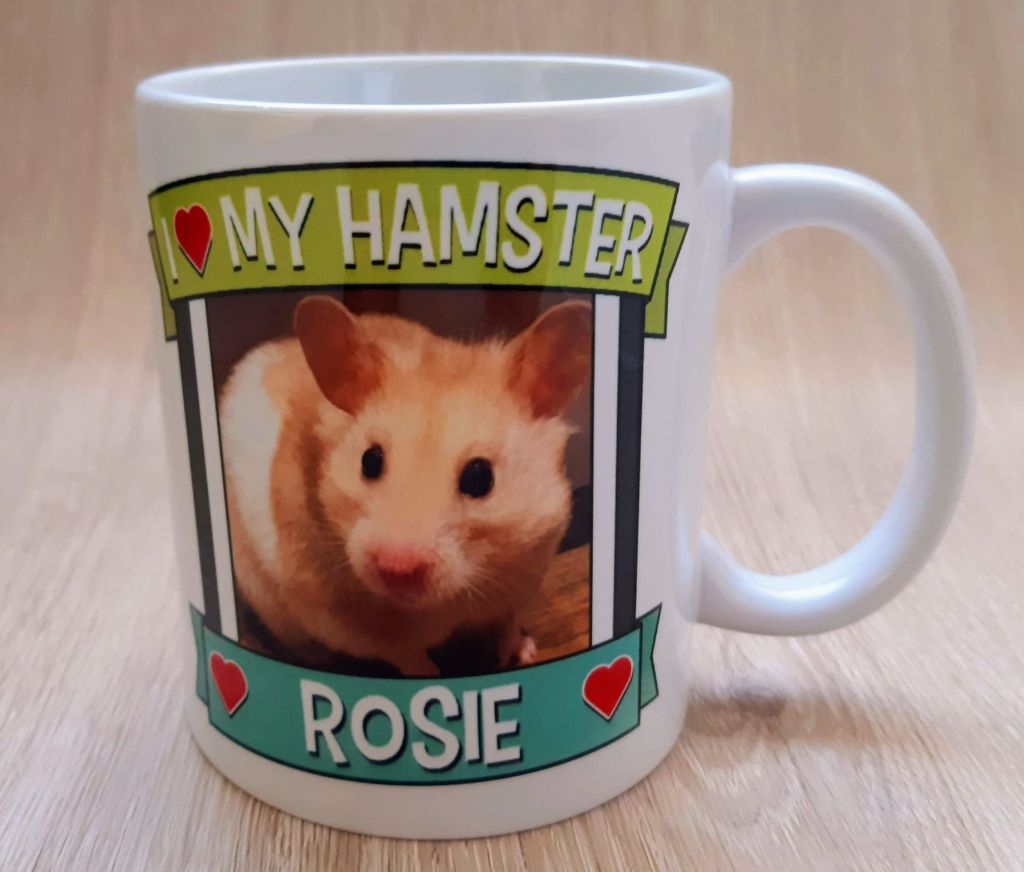
My lovely mug featuring our very own Rosie, which my husband got me as a surprise!

If you follow my blog and have read my intro page, you’ll know that as well as being a wife, I’m also a hamster mummy to the gorgeous Rosie. Due in part to my mental health difficulties, my husband and I made the decision not to have children. However, I still love looking after things and having a pet is a great way of doing this. Today, I’m going to share five ways that having a pet, whether a furry friend or something scaly, can support your health and wellbeing.

  • helps manage loneliness and depression

Keeping a pet can be great for combatting loneliness as they may help you to feel needed and can also be a source of companionship. People might feel lonely for a variety of reasons such as loss of a loved one, aging, moving away from family and friends, marriage breakdown or divorce. It’s even possible to feel completely alone when you are surrounded by others, especially if you have depression, feel misunderstood or uncared for. Pets can help as they are often very reliant on their humans for care and attention, and, depending on the type of animal chosen and their temperament, might also offer unconditional love and affection towards their owner.

Additionally, having a pet gives you something else to think about when you are finding yourself consumed by negative thoughts and are therefore a great distraction when you are struggling with anxiety or depression. Obviously, some animals need more attention than others and dogs have been found to be particularly good at offering emotional support to their owners at times of difficulty.

  • helps you make friends and improves your social life

The obvious pet that comes to mind for this one is a dog where there’s the potential to meet other dog owners in the park or other place that you take then for walkies and get chatting either about your own pets or about other common topics such as the weather. However, you can also make virtual friends online by joining a group on Facebook dedicated to your furry, feathered or scaly friend. For example, I belong to a Hamster group where we share cute or funny pics of our little ones, discuss any issues we might be having and console each other during times of loss. You can also share images on Instagram – I personally use #hamstergram, #hamsterlife, #hamstersofinstagram etc and gorge on cuteness from other members. And there are even little videos to like and comment on.

  • can substantially improve your mood

Pets can be great for elevating your mood and making you feel happier. I certainly found this to be true when I was struggling with depression, but even if your low mood is just temporary and due to, for example, a bad day at work or a particularly stressful commute home, a pet can be a great tonic. Also, studies have shown that making eye contact with your choice of creature can stimulate the production of oxytocin aka the love hormone whilst spending time together can boost serotonin, a substance which regulates mood as well as supporting a range of other aspects of wellbeing.

  • provides sensory stress relief and help you unwind

I love having cuddles with Rosie and sitting her on my knee for a stroke. Petting a furry friend has been shown to be a really soothing activity and one which helps release the stresses of the day. Now, you might say, but I keep fish, I can hardly get them out of the tank for some close one-to-one time, but you can still use your other senses to help you relax. For example, watching tropical fish as they glide around their environment or watching them feed or weave through the plants can create a sense of real calm and relaxation. In fact, that’s why they are sometimes found in the waiting room of a dental surgery or in hospitals. Other pets in tanks, such as stick insects, can also be fascinating to watch as they feed on leaves or blend in to their surroundings.

And even if you don’t have the time or energy to invest in a pet of your own, you can still enjoy wonderful sensory experiences by appreciating visitors to your garden. Simply observing a bee sneaking inside flowers, doing its waggle dance to collect pollen and smother its back legs with bright yellow can be a delight for your eyes. Hearing bird song as you relax on a garden chair may be just the kind of amazing tune that your ears need after a busy day.

  • helps to improve your relationships

Research has shown that keeping a pet can help strengthen your relationship with your partner and even your kids. According to my reading, whether you already feel pretty close to your loved ones or not, having a pet is something you both have in common and this creates a new bond where you both share similar feelings and sentiments. This certainly holds true for my husband and I as we often spent time interacting with Rosie together and she is regularly the subject of discussion on an evening when she is up to her usual antics!

Things to consider before you get a pet

Of course, before you all rush out and get yourself a new pet, you need to make sure that you have time for one and that you know all about the type of creature you are thinking of getting. Some basic questions to ask yourself could include:

  • how long does this pet live on average?
  • what does the pet like to eat?
  • how much exercise does it need?
  • which habitat is required to keep the pet healthy?
  • what basic equipment is required to keep this type of pet?
  • how much does it cost to keep this pet per week or year?
  • how big does it get?
  • do I have enough time to properly care for this pet?

All pets require some form of commitment, so make sure you’re able to make one before purchasing or adopting!

Final words

I would love to hear about your experiences of having pets and what you think are the main benefits for you. I know some of my followers keep guinea pigs and rabbits, whilst others have a dog or a cat. My husband and I even enjoy caring for wildlife in our garden such as the birds and our nightly hedgehog visitors – all of which can have similar benefits to our wellbeing. Pets can also help other family members too. For example, they can be great for your children as they can learn the skills associated with responsibility and, from a young age, can develop their communication skills and widen their vocabulary as they chat to or about the pet. Even visiting an elderly relative with your dog or cat can be wonderful to enable them to find meaning and joy in their life. I’m sure you can bring to mind may other benefits too so feel free to share them in the comments.