Posted in hygge, lifestyle, Mindfulness, self care, wellbeing, wellness

Monday Matters: Simple ways to embrace the hygge lifestyle this autumn/winter time

Last week in my blog post, I wrote about the winter blues which many of us experience during the darker months of the year. As part of my practical tips, I talked about keeping yourself warm and cosy. Today, I’m going to take this a little further, looking at the concept of hygge, what it means and how we can embrace the idea to improve our wellbeing during the autumn/winter time.

What exactly is hygge?

According to Oxford dictionaries online, hygge is:

a quality of cosiness and comfortable conviviality that engenders a feeling of contentment or well-being (regarded as a defining characteristic of Danish culture)

Popular Danish author Miek Wiking explains in his book:

Hygge is about an atmosphere and experience, rather than about things. It’s about being with people we love. A feeling of home. A feeling that we are safe, that we are shielded from the world and allow ourselves to let our guard down.

The Little Book of Hygge

Elements of hygge and creating what Miek describes as a ‘hyggely atmosphere’ include soft textures, warmth, natural greenery – bringing the outdoors in, candlelight, togetherness, being present, comfort, pleasure, peacefulness, sharing and showing gratitude.

Ways in which we can embrace the hygge life this autumn/winter

There are so many ways to bring hygge into your life that whole books have been written on the topic such as Miek Wiking’s Little Book of Hygge. Today, I’m going to give some decor ideas which you can put in place in your home to create an atmosphere of hygge and a number of suggestions of activities you might like to try to evoke feelings associated with hygge living. I hope these will help make your autumn and winter a wonderful time which is full of happy memories and blissful feelings.

Soft lighting

A great way to create a cosy and intimate feeling in your home is with soft lighting. This can be achieved in a number of ways e.g. by using lamps with low wattage bulbs rather than bright pendant lights, dotting candles around (battery operated if you have young children or want to place them somewhere small or in a high traffic area) or mood lights – those ones which cycle through different colours are nice. As well as my little battery-operated set of three candles, we recently invested in a string of starburst lights and we have them hanging from a hook on the ceiling in the corner of our dining area – they look fantastic and are great for ambience when we’re enjoying a homecooked meal.

Chunky knits

Adding chunky knits in neutral colours such as cream, taupe, pale greys, ivory and of white in the living area of your home (and maybe your bedroom) helps to create a feeling of warmth and can be especially useful on chilly evenings. A selection of blankets and throws in a wicker basket or positioned on the arms of a sofa looks great and are close at hand when needed. Choosing different textures also makes for a tactile experience too. We like to have plenty of cushions in a range of different fabrics on our chair and sofa to make them super comfortable.

Greenery and nature

Bringing the outdoors in is another aspect of instilling a hygge vibe in your home. This can be achieved in a number of ways. Collecting nature items on a woodland or forest walk can be great fun – this could include conkers, acorns, pine cones, colour changing fallen leaves, sprigs of holly, spruce tree branches etc. When you get them home, I recommend leaving them giving them a gentle shake outside and leaving them on a white sheet of paper for a while so that any residing creatures can escape.

Displaying photos of scenery, wildlife, yourself and your family out and about in natural environments can remind you of happy times outdoors. You might choose an image from one of your favourite walks, stunning landscapes e.g. hills or mountains, waterfalls and rivers or close ups of nature (macro shots) such as berries hanging from a tree branch, interesting fungi or lichen on a tree etc.

There’s often home decor made from nature items available in home and lifestyle stores which can be picked up relatively cheaply, For example we have a glittery hedgehog made from pine cones and a reindeer which has bark attached to its front and ears. They both really twinkle in candlelight too!

And, if you spend a lot of time on your computer, tablet or phone a lovely idea is to choose a natural scene as your wallpaper or nature items as your screen lock or homepage. You can also sometimes get notebooks with patterned covers which would look great on your desk. This could be winter scenes, cute wildlife e.g. hedgehogs, squirrels and deer or flora such as poinsettias, holly or seasonal trees.

Cosy nook

Most Danish homes will have a cosy nook as a space for relaxation. This is usually somewhere comfortable to sit which has all of the hyggely elements – soft lighting in the form of candles or lamps, blankets and cushions, natural elements – the Danes love wood, tactile elements and a good book or magazine to read. In our living room, we have a gorgeous, swivel chair in a dark pink, soft velvet which is next to the window. There’s a table there with a cute hedgehog coaster on for a hot drink and a selection of books and magazines. We also have blankets nearby on our settee although it’s rarely cold when we sit there as it’s right next to the radiator. Can you think of a place in your homer where you could create a similar cosy nook? What would be your comforting essentials?

Indulgent foods and drinks

Although I recommend a diet which is balanced, varied and on the whole healthy, there’s nothing wrong with enjoying the odd treat and as pleasure is another element of the hygge life, I recommend indulging every now and then. Trying new things e.g. different flavours will add to the experience. Why not sample a flavoured hot chocolate such as mint or salted caramel, choose a previously untried dessert from your local supermarket or bakery to enjoy with family or friends or just on your own when you’re relaxing, or pick out a different nice sounding coffee blend instead of your usual? Or, you could have a go at creating a dessert using a recipe you found on Pinterest. I know that my husband and I often tried out new main courses but rarely do homemade puddings. Cooking can be a great way of spending fun and quality time together too!

Togetherness

Family and spending quality time with them is very important to the Danes. The same goes for good friends too. Being hyggely is all about getting together in the home and doing things either as a family on a small scale, extended family or a group of friends. I have lots of ideas for doing this but here are a few to get you started:

  • movie night – pick one of your favourites that you’ve seen a few times so that if you start chatting it won’t matter
  • tv series binge watch – ask everyone to bring a tasty snack
  • games evening – Scrabble, Jenga, Monopoly, Cluedo, Kerplunk, dominoes, card games etc. depending on the ages and abilities of the participants
  • afternoon tea – think tiny sandwiches and mini cakes along with a selection of warm drinks
  • candlelit dinner – intimate dinner for two or with the kids, just make sure you ban mobile phones at the table so the conversation flows!
  • jigsaw puzzle – we like 1000 piece ones which take a while and they’re big enough for more than one person to work on at once
  • pajama party – this could include lots of decadent foods (everyone could bring something to share) and hot chocolate (with a choice of toppings) or beauty treatments such as face packs, manicures and foot spas.
  • holiday preparation – if you’ve booked a holiday somewhere else in the country or abroad, a nice thing to do is get a feel for the place before you go. This could include finding out about things to do there, places to visit, popular food stuffs, traditions and the language. If you’re heading overseas, you might even watch a film or TV series which is set in your chosen location.
  • Photo memories night – why not spend an evening reminiscing over previous times spent together by looking through old albums or journals?

Whichever kind of get together you choose, it should be really informal if you want it to be a hyggely occasion. The Danes prefer slow and simple living, anything flashy is completely frowned upon!

Showing gratitude

Being grateful for all that you have is, according to Miek, another key element of hygge. Why not start a gratitude practice where you spend 10 minutes each morning or evening considering what you’re thankful for. Try to choose experiences and feelings as well as material things, for example, the chance to sit out in the sunshine and listen to the birds in your garden, a text message from a friend asking how you are and if you’d like to meet for coffee next week, a riveting TV drama series that you’re hooked on.

Final words…

I hope you have enjoyed reading my ideas for creating a hygge atmosphere in your home. I haven’t read Miek’s Little Book of Hygge yet but it’s on my TBR list. I noticed he’s also recently released a new book called My Hygge Home – How to make home your happy place and if it’s of the standard of his earlier titles, I’m sure this is well worth a read too. Let me know in the comments if hygge sounds like a feeling you would love to have in your home and which of the ideas you would be interesting in trying.

Until next time, lots of hyggely hugs,

Posted in depression, depression management, life hacks, mental health, self care, wellbeing, wellness

Monday Matters: 7 practical ways to combat the winter blues

This morning I got up earlier than usual as I wanted to get a few things done before heading to do some work at the university. It was still quite dark as sunrise was not until 7.43am today and I switched on a little set of battery-operated candles I’ve recently bought (a bargain at £7.99 for three at various heights and including batteries from Festive Lights Store on Amazon) to bring some gentle light into the bedroom. They’re dinky enough to have on my bedside cabinet so are within easy reach – no having to pull back the duvet for me!

Although I’d enjoyed a good night’s sleep and managed to rouse myself pretty easily, I’ve noticed that I don’t jump out of bed raring to go like I did during the spring and summer months. I think many of us will acknowledge that we find it more difficult to get out of bed on dark mornings and, depending on our occupations or daily schedules we might also find that the lack of exposure to natural daylight during the autumn / winter months can dampen our mood somewhat. Even if we haven’t been diagnosed with Seasonal Affective Disorder (SAD for short, rather aptly), most of us will agree that limited sunlight has some sort of effect on our health and wellbeing. In today’s blog post, I want to share some practical tips for combating what I’m going to call the ‘winter blues’ and the associated symptoms which may be present at this time of year and continue until springtime.

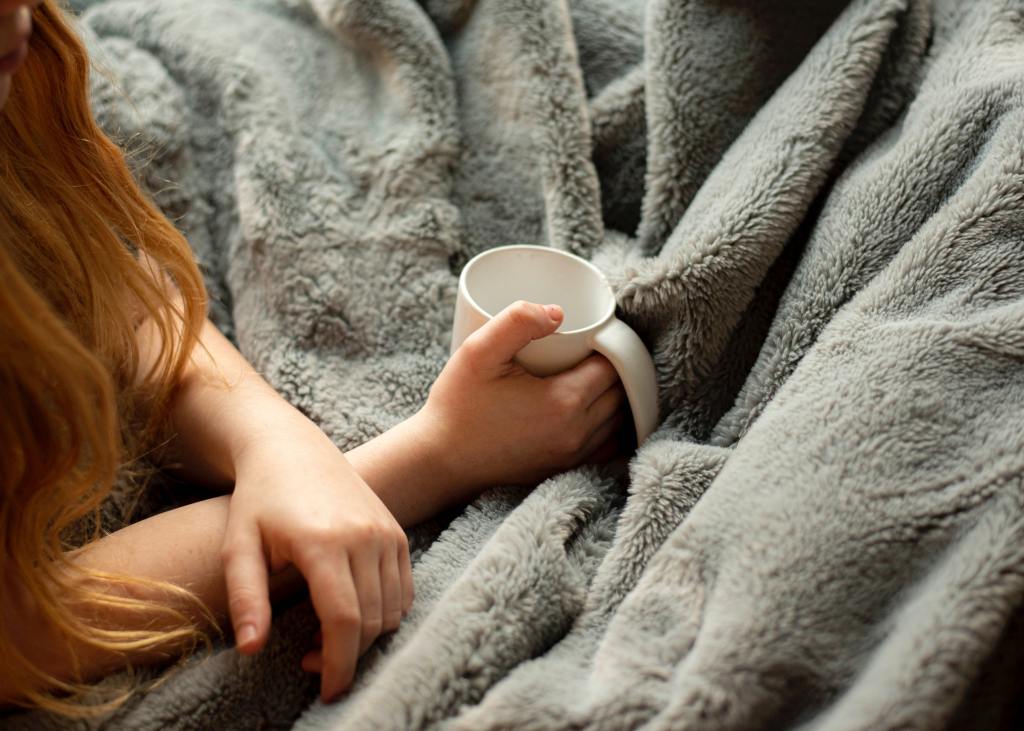
Photo credit: Amin Hasani for Unsplash

Signs of the winter blues

The symptoms of ‘winter blues’ will generally be quite mild. They may have an impact on your life, to a small extent, but should not make your days feel like a constant struggle. Please seek medical advice if you are displaying many of the signs of depression as you may need professional help. Signs of ‘winter blues’ which are commonly experienced by individuals include:

  • being less active than usual
  • sleeping for longer and still struggling to get up in the morning
  • showing signs of lethargy – lacking energy and feeling sleepy during the day
  • having poorer concentration skills than usual (you might be easily distracted, tasks might take you much longer to complete or you might find them more difficult, you might also struggle to attentively listen to someone when they’re talking or not fully comprehend what they’re saying)
  • having an increased appetite (often craving carbohydrates such as cakes, sweets and biscuits) which may cause weight gain
  • finding yourself wanting more stimulating drinks such as coffee or energy drinks because you feel like you need a caffeine boost
  • being less enthusiastic about activities you usually enjoy
  • rejecting social invitations (e.g. due to lack of energy or your body telling you that you need to stay at home and chillax. Some people will say they like to hibernate for the winter!)

What’s the difference between Winter blues and Seasonal Affective Disorder?

Winter blues:

  • not a clinical diagnosis
  • a mental state which comprises of feelings of sadness and lower energy levels during the coldest and darkest months of the year (when compared to the lighter, brighter, warmer and sunnier months)
  • doesn’t have much impact on day-to-day functioning (you can still carry out usual tasks or you can go to work or school as normal)
  • generally happens in the winter time and possibly some of autumn too
  • can be managed by making a few lifestyle changes such as those suggested below

Seasonal Affective Disorder:

  • a clinical diagnosis made by a medical professional such as your GP or your psychiatrist
  • affects day-to-day functioning and can make life a struggle usually during the autumn and winter months but can also occur in the summertime – S.A.D. has a seasonal pattern of some sort
  • takes its toll on many aspects of life including relationships, work, school or home life, sense of worth and sleep patterns
  • sometimes referred to as ‘winter depression’
  • requires professional help such as a talking therapy or medication such as anti-depressants

Practical tips to help you cope with the winter blues

Try to stay active Exercise is known to boost your mood so it’s important to stay active even if you feel like curling up under a blanket or sitting in front of the fire for the day. Doing a workout each day will also help to improve your energy levels during the daytime and make you tired in the evening so you can enjoy a better night’s sleep. This could be a 15-30 minute walk, a gym class such as Zumba, spinning or flow yoga or a home-based exercise such as following a routine on YouTube. Anything which gets your heart pumping is good. You could even put on some music and dance around the room!

Get outside Going out for some fresh air, especially on bright days can help you get more light. Taking a walk in nature e.g. in woodland or your local park can be particularly mood boosting. I like to look for signs of autumn or winter such as changing leaves, glistening spiders webs, amazing fungi, conkers acorns and beech nut shells, wildlife such as jays, squirrels and nuthatches, brightly coloured berries, morning frosts, snowfall, icicles, early flowers such as snowdrops and crocuses. Just make sure you wrap up really warm on particularly cold days – remember there’s no bad weather, just bad clothing!

Eat healthily At this time of year, it can be tempting to comfort eat high calorie, sugary or fatty foods to give yourself a quick energy boost or to try to make yourself feel better in some way. Most of us crave carbs during the colder months and this often takes the form of junk foods, fatty snacks such as crisps, biscuits and cakes or high volumes of less healthy ‘white’ foodstuffs such as white bread, white pasta, white rice and white potatoes. However, it’s always important to try to maintain a balanced diet for a healthy body and mind (including stable mood). You can still eat foods which are high in carbohydrates but make sure they’re ones which are better for you. Examples of foods which are more healthy but also carb rich include quinoa, brown rice, buckwheat, pulses such as kidney beans, lentils and chickpeas, wholegrain oats, bananas, sweet potatoes, squashes, apples, carrots, broccoli and avocado.

During the autumn and winter seasons, we love to create homemade soups, stews, risottos and vegetable bakes. We also create lots of dishes with pulses such as lentils, beans and chickpeas. These are also comforting and warming foods but without a high calorie content. If we find recipes online, we tend to modify them in some way, so I type them out with the changes we made and add them to our recipe folder. We’ve found some really great veggie and vegan dishes this Autumn and most of them are pretty quick to make.

Keep yourself warm Research shows that feeling cold (and wet if you get caught in the rain) can cause your mood to dip so it’s important to try to keep yourself warm and cosy. With the current increasing energy prices, I appreciate that you might feel that this is very difficult and expensive at the moment. Try to make good use of blankets in the home and, when you can, get yourself moving to generate some heat in your body. I tend to get really cold when I’m sat at my laptop for long periods of time and in the past, I’ve resorted to a small heater but now I’m trying to remember to get up and move about at regular intervals. When you go outside, add lots of layers, hats, scarfs and gloves. You can also get thermal tops and leggings to wear under your clothes. I got mine from an outdoor clothing shop and they’re great for really cold days when I’m going to be outside for long periods of time.

Stay social It might be tempting to stay at home all the time during the dark and cold months but isolation isn’t good for your mental health. Why not meet a friend at a cafe and enjoy an autumn or winter special drink such as a Pumpkin spice latte, Apple crisp macchiato, Caramel apple spice, Peppermint Mocha, Gingerbread latte or Black Forest Hot chocolate? Or how about arranging a meal out in a traditional pub with homecooked food and maybe even an open fire? Try to say yes to some of the events you are invited to, even if you don’t feel like going, you may find that you really enjoy it when you get there.

Try something new Trying out a new hobby or having a go at some autumn or winter crafts can stimulate the mind, provide new and interesting challenges, give a really sense of achievement and boost your self-esteem and confidence. Mindful activities can also be great for relieving stress, reducing negative self-talk and generally creating a more positive mindset. I picked up a winter fox mini cross stitch kit and a ‘make your own reindeer’ felt sewing kit at Hobbycraft last week for less than £7 and they’ll keep me busy for hours. Also, when I’ve finished them, I can add them to my Christmas displays each year and remember what fun I had making them. There are lots of autumn and winter craft ideas on Pinterest too – why not create a board full of them and pick something different which requires minimal materials and will make a lovely display for your home or room?

I’m still working on developing my drawing and watercolour skills and something I want to try this year is sketching and painting different squashes. I’m then going to use the designs for my November theme. My husband and I have also enjoyed completing Christmas doodle challenges in the past too and we might give it a go again this year. I’m also doing December Daily for the second time – I’ve bought my album, page protectors and Christmas papers and stickers as well. In the new year, I’ll probably still have quite a bit of journalling to finish off and I’m hoping to finally get some of the jigsaws done which I’ve had for a while.

Boost your vitamin D levels Some of you will be aware that the biggest natural source of vitamin D is sunlight. It’s no surprise then, that our levels tend to dip in the darker autumn / winter months. Deficiency in this essential vitamin can cause fatigue, symptoms of depression and muscle pain so if you find yourself struggling with the winter blues, it’s important to find ways to raise your levels. When the weather allows, try to spend some time each day in the sunshine (about 30 minutes is good). This could mean going out for a walk, wrapping up and sitting in the garden to enjoy a tea or coffee, or working next to a brightly lit window at home or in the office. Eating foods which are rich in vitamin D can also help. Fatty fish and seafood are one of the best sources but if you’re vegetarian or vegan like my husband and I are, you’ll find most plant-based milk alternatives, orange juice, some vegetarian or vegan yogurts, many ready-to-eat cereals and tofu are usually fortified with vitamin D. Finally, if you still think you could do with a top up, as a last resort, you could also take a vitamin D supplement, especially on dark and dismal days.

Final words…

If after reading today’s post, you identify with many of the symptoms of S.A.D. in the link, I recommend seeking professional health from your GP (or psychiatrist if you are under a mental health team). As I explained earlier, Seasonal Affective Disorder can be quite severe and can seriously impact on your day-to-day functioning. Also, because it can occur from early autumn right through to the springtime, potentially it could last for over five months, which, as I know well myself, is a long time to be struggling with depression for.

For those of you that relate to the ‘winter blues’ symptoms, I hope you will consider trying out some of the self-management suggestions and that they help you to cope more effectively. If you have any further suggestions or have tried and tested methods that you personally use, it would be great if you could share them in the comments to support others who find this time of year a little challenging.

Posted in goal setting, lifestyle, Planning and journaling, Setting goals and intentions

Monday Matters: An introduction to the lunar cycle and using its magic to transform yourself and your life

Last month, I mentioned that I’d started to learn about the moon cycle, the impact it can have on mind and body and how we can work with the energy of the moon to make positive changes to ourselves and our lives. I’ve now finished reading my book, the bestselling Lunar Living by Kirsty Gallagher and feel ready to share a basic introduction to this spiritual practice which makes use of some of my favourite transformative strategies such as making vision boards, setting goals and intentions, creating affirmations, shadow work, reflecting on what you are grateful for and journalling your thoughts, feelings and ideas for self-improvement.

The basic premise

Rather than setting new year’s resolutions at the beginning of the year and forgetting about them by the end of January, working with the power of the moon and her phases involves practices such as regularly reflecting on what you want, setting intentions and working on creating an action plan that helps you to manifest your desires each month. It also includes regularly assessing your progress, thinking about things that are standing in your way and what you can do about these barriers. By doing this, you become clearer about what you see as important to you and what you want to prioritise in your life (based on your values, wants and needs), whilst having a framework of guidance which teaches you what, specifically, to focus on during each phase of the moon to fully utilise her lunar magic. And, of course, by spending time thinking about and visualising your goals along with using supportive and encouraging affirmations, research has shown that these desired results are more likely to come into fruition.

Although I’ve only recently begun to use the moon and her phases as a guide, I’ve always recognised the importance of setting aside time to slow down and reflect on my life including the aspects I want to work on and changes and improvements I would like to make. I’ve regularly made vision boards for my personal life and also one for my business which I have on display in my craft room / office. I’ve also done plenty of journaling about my progress towards goals and any difficulties I’ve faced, plus written my own affirmations to repeat each day. What I found particularly interesting was how, according to ‘moon magic’, our energy levels change throughout the cycle, meaning that there are optimum times for self-care, resting and recharging, periods of great wisdom and clarity which enable us to set our intentions and make plans for working on them, higher energy times when we can celebrate our achievements and show gratitude for what we have in our lives whilst also evaluating our position with a view to recognising what is holding us back and then finally, opportunities for releasing and letting go ready to start the new cycle.

The quote below, which I’ve taken from Kirsty’s book, also emphasizes the control we have over our lives if we tune in to the cyclic and flowing nature of life.

Lunar Living brings us home to ourselves, our dreams and visions and goals, month after month. Working with the magic of the moon is a tool of immense self-awareness, self-care, nourishment, empowerment, manifestation and purpose.

Kirsty Gallagher, Lunar Living

Waxing and waning moon – the science bit

The moon is always whole in the sky but the part that we can see changes throughout each month according to the position of The Sun. When the moon is waxing, the illuminated part is getting bigger in the sky. The moon appears to grow until it becomes full – when the whole of its shape can be seen clearly. Following a full moon, the moon begins to wane, which means the visible surface area gets smaller and smaller until it can no longer been seen in the sky. When the moon is completely invisible it is referred to as a new moon.

The eight phases of the lunar cycle

The new moon marks the beginning of the lunar cycle and is often referred to as the first phase. Throughout the month, our view of the moon changes and we describe this using eight phases or shapes as follows:

  • new moon
  • waxing crescent
  • first quarter
  • waxing gibbous
  • full moon
  • waning gibbous
  • last quarter (also known as third quarter)
  • waning crescent

The New Moon

As I said earlier, this is generally considered to be the first moon phase and is a time for new beginnings and starting afresh. Energy levels will be low right now so it’s important to take time to rest and do self-care activities (I like to write a list of these in my bullet journal that I can choose from). Tune in to your inner world with some quiet meditation and reflective journalling. Set goals and intentions for the weeks ahead, visualising and imagining your inner desires, hopes and dreams. You might also like to spend a few hours creating a vision board of images and words which represent the direction you wish to take as inspiration and motivation. Another good activity is to create a small number of affirmations (3 is ideal) which are based on your intentions and use them daily during the waxing moon. Some examples could be:

  • I release what no longer serves me to make space for new beginnings
  • I am successful and fill my potential
  • I am grateful for everything I have in my life right now

The waxing crescent moon

Spend time looking at your vision board, visualising and contemplating what life will feel like when your hopes and dreams become a reality. Depending on how much work is involved in reaching your goals, you might just choose one or two of your intentions to focus on, writing them down clearly and succinctly. Start to make plans and points of action to work towards your intention(s) – try identifying and writing down small and achievable steps to help you on your way. Gather the necessary resources and gain the knowledge you need to enable you to make a start. Water your seeds of intention and repeat your affirmations daily.

The first quarter

Pause and take stock – are you moving in the right direction towards the intention(s) that you are currently focusing on? Do you need to tweak your plans? Recommit to your visions and dreams and continue with the strength and determination that this moon phase brings. Be open to whatever comes your way. Face adversity with a resolute mind – you can do this! Think about any challenges you are facing – what are they teaching you? Remember, the moon doesn’t do the work for you, it merely guides you on your way and gives you the energy you need to get to where you want to be.

Waxing gibbous moon

The moon is now almost full and becoming more so each night. This is a time of high energy which helps you give that final push towards your goal(s), making the last steps needed to get there. Meditate and reflect on the process so far – what is working? what isn’t? what last minute changes might you need to make? Continue documenting the process in your journal. Practice patience and trust in your ability to succeed.

Full Moon

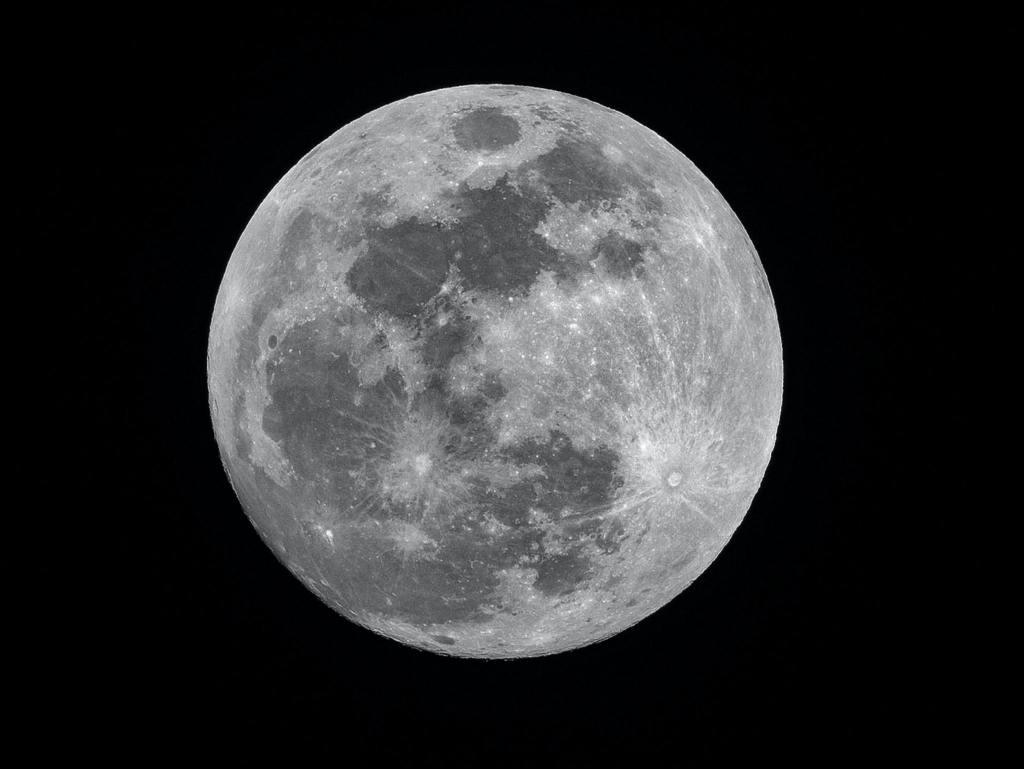
Photo credit: Mike Petrucci for Unsplash

The moon is completely full in the sky once again – if it’s a clear night go outside and bathe in her light. This is the time of the month where your energy levels are at their peak. If you’ve been working hard towards your goal(s) you should feel a huge sense of achievement. Remember to celebrate every single one of your successes no matter how small. If some things have stood in your way and held you back, make a list of them and think about what you want to let go of or release as the moon wanes. Remember, some new moon intentions take time and lots of work, but as long as you’re heading in the right direction and are trying to increase your awareness of what needs to change then this is a huge positive. Use the full moon creative energy and vibes combined with your intuition to reflect, evaluate progress and maybe come up with new ideas and ways of working.

There are some interesting full-moon rituals in Kirty’s book which sound like they could be really helpful and I’m definitely going to try them at this point in the next cycle.

Waning gibbous moon

This is the start of the second half of the cycle, when the moon loses a little of her fullness each night. Continue to develop your understanding of what holds you back and begin the process of releasing them. Consider your experiences so far and think about what you can learn from them. Are there any difficult conversations that you need to have with particular individuals to discuss what you have learnt, how you feel about something or any changes you intend to make and why.

Last quarter

The last quarter moon falls exactly one week after the full moon. This is the time to work on things you want to release to make way for new beginnings. Think about what or who is holding you back such as illness, negative people or situations, bad habits, self-doubts, fears, procrastination, people pleasing or unclear boundaries etc. Currently, your energy levels will be getting lower so your attention should be directed inwardly so you can rest and quietly reflect on everything that has happened in the process so far.

Waning crescent

The waning crescent is considered to be the last phase of the moon. This is when a small slither of moon is visible in the sky and it is nearly time for a new moon. During this phase, you should consider if there is anything else that does not serve you which you need to release in preparation to start anew. This is a time to slow down, rest and refresh. You might also begin to contemplate what you would like to focus on next.

And then it’s back round to the new moon to continue the cycle.

This is just a small part of what I learnt from reading Kirsty’s book. I also developed my knowledge of the 12 signs of the zodiac and their impact on the moon. According to Kirsty,

Each zodiac sign brings different influences, lessons, opportunities, challenges, positive and testing aspects, traits and a different focus and life area into the moonlight. This helps us to keep flowing with the rhythm of life as we use the different energies, characteristics and symbols of each sign to help us explore, heal and delve deeper into the relevant areas in our own lives.

Kirsty Gallagher, Lunar Living, 2020.

Final words…

I must admit that life has kind of got in the way of some aspects of using the magic of the moon this month as my husband and I went away for a short holiday and I’ve had lots going on in my life. However, I have been working towards my goals and I have made progress, I just haven’t documented it or reflected on how I’m doing. I think it might be time to create a new vision board which includes the spiritual practices I hope to develop so that following the lunar cycle becomes part of my focus every day. I think I might also benefit from setting aside a small amount of time each evening to check in with myself and consider how things are going – creating a dedicated space in my bullet journal would aid this and adding the activity to my running task list for each day of the week will help to cement the habit. Kirsty includes some questions to reflect on during each phase and these would be really useful to answer as part of my journalling. I definitely think if you’re interested in learning more than the very basics of moon magic, then her book is well worth a read and a good one to regularly refer to as you develop your practice.

Previously I’ve been rather skeptical about the information contain in horoscopes and the idea of The Zodiac but I’m trying to be more open-minded with this too. I would love to hear from anyone who is involved in using the lunar cycle to good effect and also anyone who has doubts or reservations about the ideas contained in today’s post.