We’re all familiar with the concept of a ‘to-do’ list and have likely used them many times in a bid to make our day super productive. We’ve probably tried to make ourselves feel like we’re winning by adding a few things we’ve already finished or got started on so we can quickly tick them off. However, sometimes, we’ll have felt disheartened when we’re approaching bedtime and discover that most of our list needs migrating to tomorrow’s to-dos because we weren’t productive enough, have too much to do, or, we got distracted by other things.
Creating a ‘not to-do list’ can be a wonderful tool to help us identify and eliminate tasks, habits and distractions which prevent us from focusing on what really matters and stop us from being as productive as we would like to be. In a nutshell, a ‘Not to-do list’ is a list of activities you choose to avoid doing so that you can manage your time effectively. This might include things like the following:
anything which distracts you on a regular basis
things which drain your energy
bad habits that you want to remove from your working time
things which don’t currently add value to your life
unnecessary tasks i.e. things which don’t need to be done
other people’s responsibilities
Ideas for items to add to your not to-do list
Your Not to-do list should be highly personalised depending on your own wants and needs but here are some ideas to get you started.
Checking your emails repeatedly throughout the day
Mindlessly scrolling social media
Checking your phone in bed – either last thing at night or before you get up
Drinking coffee after 3pm (when you have work the next day)
Going to bed later than 11pm (Sunday – Thursday)
Spending time thinking about / stressing over things which are out of your control
Reading negative news
Things that are not my responsibility
Doing tasks which would be best delegated to someone else
Multi-tasking (or attempting to)
Saying yes to tasks or events that aren’t a priority right now
Working whilst eating lunch
Spending time with individuals who drain your energy
Forgetting to take regular work breaks
Doing work after 5pm
Procrastinating by watching lots of productivity videos (binge watching) on YouTube
Keeping ideas, thoughts and must dos in your head instead of writing them down and scheduling time to deal with them
Not identifying your top priorities for the day
Eating unhealthy snacks which make you feel sluggish
Making excuses to avoid / put off difficult tasks
Aiming for perfection – forgetting that done is better than perfect
Setting too many goals at once
Final words…
I hope you’ve found today’s post useful and it’s helped you to consider tasks, habits and distractions which prevent you from being as productive as you could be. I would really appreciate it if you took time out from your busy schedule to drop me a comment sharing your top three things to add to your ‘Not to-do list’.
Many of us, as part of our new year’s resolutions each year, set goals to get fit. We start off with good intentions, joining the gym or attending exercise classes but oftentimes, our motivation isn’t maintained and by February, our workouts have dwindled and other priorities have come to the fore. As someone who has been a member of a local gym for over a year and a half, with a routine that includes at least seven workouts per week, I thought I’d share a small number of tips to help you get started with your fitness journey and maintain the motivation to keep going. So, let’s get started…
Set clear goals
Some people set the vague goal ‘get fit’ without considering what that statement means to them, how they’re going to do it and why. A much better approach is to use the S.M.A.R.T. goals system. I wrote a really comprehensive blog post on this quite a while ago which includes some useful questions to consider to get you thinking about why the goal is important, what your life will look like when you reach your goal and how you will go about working towards it. I also provide an example, which, whilst not fitness related, should help you with goal setting and goal getting.
Using your bullet journal or a dedicated notebook for the particular goal or goal getting in general can provide a useful record of your intentions, how far you’ve come so far or a space to record your experiences, successes and difficulties along the way. It can also help with accountability.
Creating a vision board which focuses on your fitness goals and includes motivational images and positive phrases or quotes can also help towards manifesting the fitness lifestyle you desire. This can be created digitally and used as your screensaver on your computer or can be paper-based and maybe created using images and words cut out of health, fitness and wellbeing magazines.
Consider any clothing and equipment required
If you’re serious about increasing your fitness levels, purchasing some dedicated workout gear and some basic equipment can really help in terms of motivation. I got a number of outfits for my gym sessions and my weekend walks and I spent quite a while choosing items in my favourite colours which fit beautifully and make me feel confident and well supported. This included sports bras for my aerobic sessions, moisture wicking tops which don’t expose my skin during downward facing dog and leggings which are fitted but not too tight as to feel uncomfortable or roll down during my exercise routines. I also got several pairs of hiking shoes for winter walks and lots of layers for warmth whilst out in the countryside. I didn’t get everything straightaway but have built up my collection based on my changing needs as I try and love different forms of exercise.
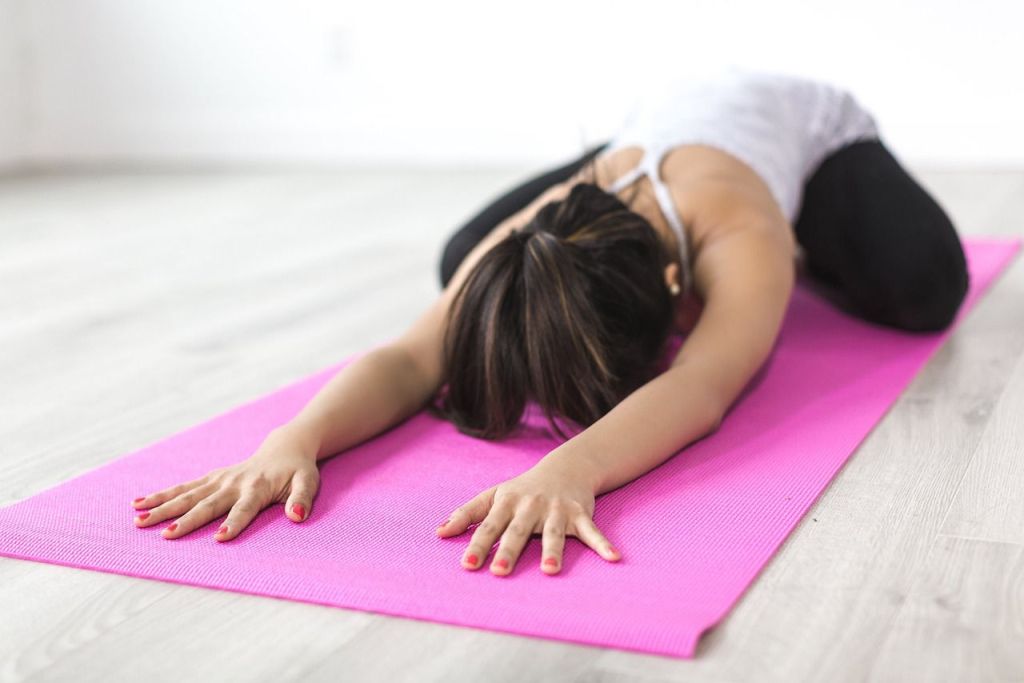
As I practise Iyengar yoga, I’ve invested in a mat, blocks, bricks and a belt for my practice. I also use some of this equipment in my Pilates and legs, bums and tums classes too so figured it was a good investment. Although the gym provides bits and pieces for the sessions, I find having my own things beneficial and it also means, if I miss a class, I can find a workout on YouTube to do some exercise at home.
Create an active lifestyle
If getting fit and staying fit are important to you, you’ll need to create an active lifestyle where exercise becomes a key part of your daily routine and something which you enjoy and thrive on. Yes, there will be days when you don’t feel like it and have to push yourself to get your exercise gear on and do a session, or times when you recognise the need to have a rest if you feel under the weather or think you might have over-exerted yourself, but on the whole, you’ll feel motivated and ready to go. A huge part of this involves choosing forms of exercise that you love and make you feel good. For example, when I started exercising, I would go to the gym at least 3 times a week to work on the cardio machines and the resistance training machines. My routine gave me a good full body workout, but I much preferred the social element of going to classes, getting chatting to various others who enjoyed exercise and fitness and developing friendships over the weeks. I now go to at least one class everyday and use the gym occasionally. I still do activities which work my whole body and I have maintained my motivation for different forms of exercise over several years now.
Sometimes, on busy days, when I’m working at the university or I have other plans, I have to cancel one or more of my classes. However, I will always make time to fit in exercise, even if it’s just 20 minutes of stretching at home or a face paced walk in nature or around the block.
Having a back-up plan for when you haven’t got time to do an hour long class or your usual hour and a half in the gym can really help and writing it down in the aforementioned notebook or journal can keep you consistent. This could include having a bank of videos saved on YouTube that you dip into or a selection of infographics showing stretch routines on Pinterest. You might also schedule in an early morning walk as part of your routine for that day or plan a long hike for the weekend when you don’t have so many other commitments.
Cultivate a positive mindset
A positive mindset can help you celebrate your progress and achievements, assess and overcome any setbacks and maintain motivation. Rather than focusing on what you didn’t achieve in a given week, celebrate the workouts you did do and how you felt afterwards. Look for signs of improved strength, flexibility and stamina and write down these wins in your notebook or journal. Draw up a list of rewards such as new fitness gear, a fun activity that you haven’t done for ages or have been meaning to try e.g. canoeing, surfing, bowling, kite flying, frisbee etc. or a pretty decorative item for your home.
“Studies have shown that if you have a ‘growth mindset’ – the belief that your abilities and skills can be improved – then you will have more effective workouts.
Put simply – it’s positive thinking. Believe you can, and you will.” (Why your mindset matters article on Metro.co.uk.)
Final words…
I hope you’ve found today’s blog post beneficial and it has given you some beginner friendly ideas for starting out on your fitness journey and keeping up the good work. When you begin, you might like to try out lots of different exercise options and then modify your routine based on your preferences. I’ve found I love dance based aerobic classes like zumba and clubbercise, but also enjoy more mindful practices like yoga and Pilates too. In the future, I would like to include more targeted upper body exercises to increase my strength in this area, but for now, I’m happy with the way things are progressing in terms of my general fitness and core strength.
Let me know in the comments if you plan on working on fitness and exercise related goals for 2024 and what you’ve taken away from today’s article to help you on your journey. Alongside your plans, you might like to consider dietary tweaks too in a way which compliments your fitness lifestyle and ensures better physical and mental health overall, for now and in the future.


 Keeping it creative