
Cognitive functioning refers to the mental processes that we use on an everyday basis to gain knowledge and develop comprehension. It includes our ability to think, learn, remember, pay attention, perceive, plan, communicate and problem solve. As we get older, our brain function can deteriorate, but the good news is, there are lots of activities that we can do to help prevent that decline. Today, I’m sharing six styles of activity that are great for boosting your brain power and are super easy to incorporate into your daily routines.
Puzzles and games
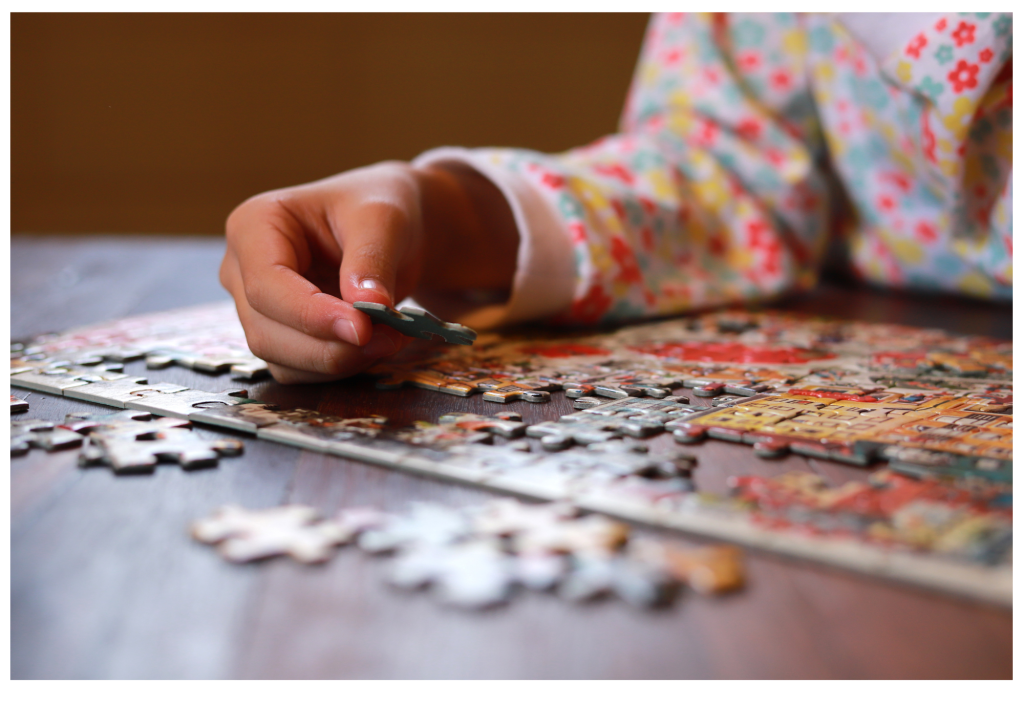
As well as being a calming and mindful activity that reduces stress, doing puzzles or playing games is great for giving both sides of your brain a really good workout – the left being associated with logical thinking, and the right being linked to creativity, intuition and imagination. Regularly doing a range of different types works to improve memory, spatial awareness plus analytical and logical thinking.
There are so many different types of puzzles and games that it would be impossible for me to list them all, but here’s a few that come to mind:
- crosswords
- wordsearches
- jigsaw puzzles
- sudoku
- Boggle
- Scrabble
- riddles
- logic puzzles
- anagrams
- Wordle (one of my favourite games to play on my tablet right now!)
- tangrams
- Rummikub
- Angry Birds 2 (I’ve been playing this daily for about 6 years so had to include this one!)
- Snakes and Ladders
- Monopoly
- Arrow-words
Whichever you choose, it’s important to make sure that they provide the right amount of challenge but aren’t so difficult that you lose interest in them or they become a chore rather than something fun to do.
Learning new skills
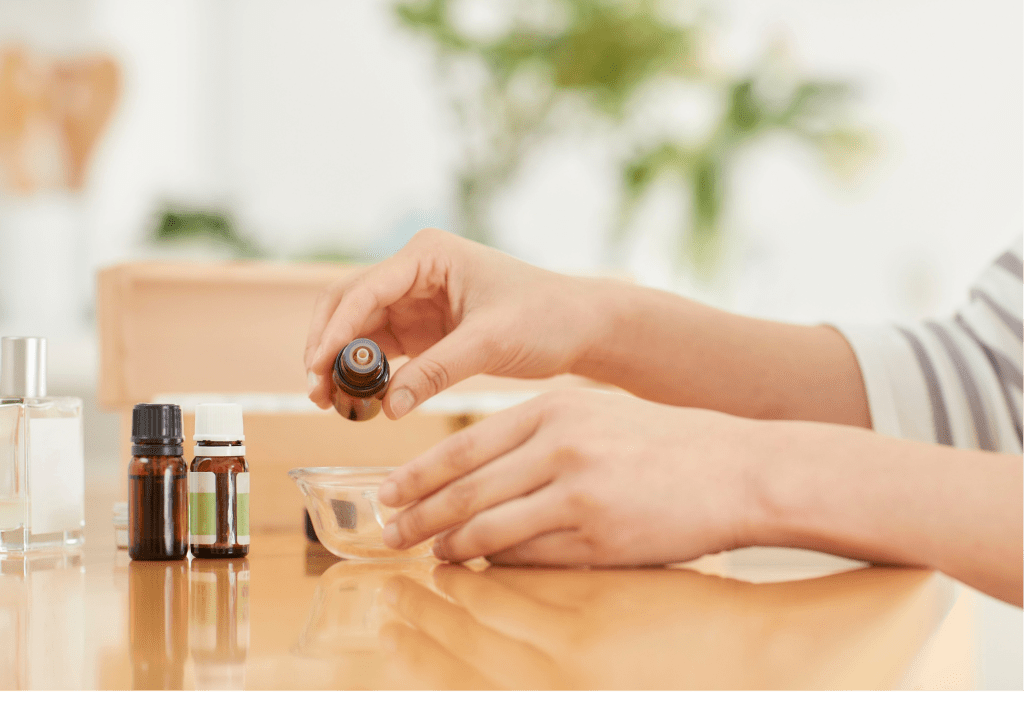
Just because you’ve left formal education behind, doesn’t mean that you should no longer consider yourself a learner. Last year, I wrote a couple of blog posts encouraging life long learning – this one discussing the key benefits and the second part offering ways to learn something new each day. Skills you might like to develop could include cookery, flower arranging, drawing, hand-lettering and calligraphy, painting, photography, gardening, self defence, playing an instrument, speaking a foreign language, papercrafting, Tai Chi, yoga, Pilates, upcycling, creative journalling, sewing, basic first aid, mindfulness, self-compassion, productivity, positive thinking, aromatherapy, money saving, goal setting and goal getting.
There are lots of different ways to learn such as taking a face-to-face or online course, reading a book or watching You Tube videos to name a few. You could also learn from a friend, family member or colleague who has good knowledge of the subject. Assisting someone else also helps the person playing the teaching role too as it strengthens their understanding and develops their communication skills.
Doing creative activities
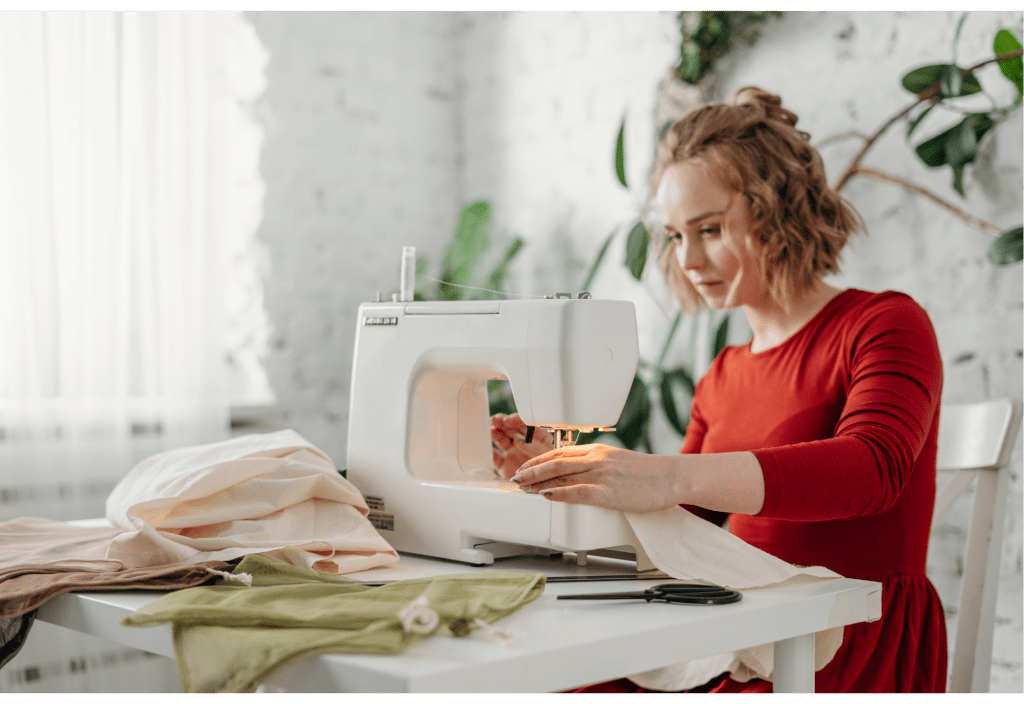
Once you’ve developed the basic skills involved in a creative past-time or hobby, you can put them to good use in a range of different ways. You might use your watercolour skills to paint your favourite animal and then frame it in your home. You could use your gardening knowledge to create a vegetable patch and then use your produce in your home cooking. Or you might make some bright and colourful new cushions for your living room using your sewing machine instead of buying some from the store. Whatever creative pursuit you engage in, you’ll be giving your brain a great workout in so many ways by using your imagination, planning out your project, expressing yourself in different ways, solving any problems that arise, making decisions, changing your mind or your approach, paying attention to the little details and so much more.
Dancing
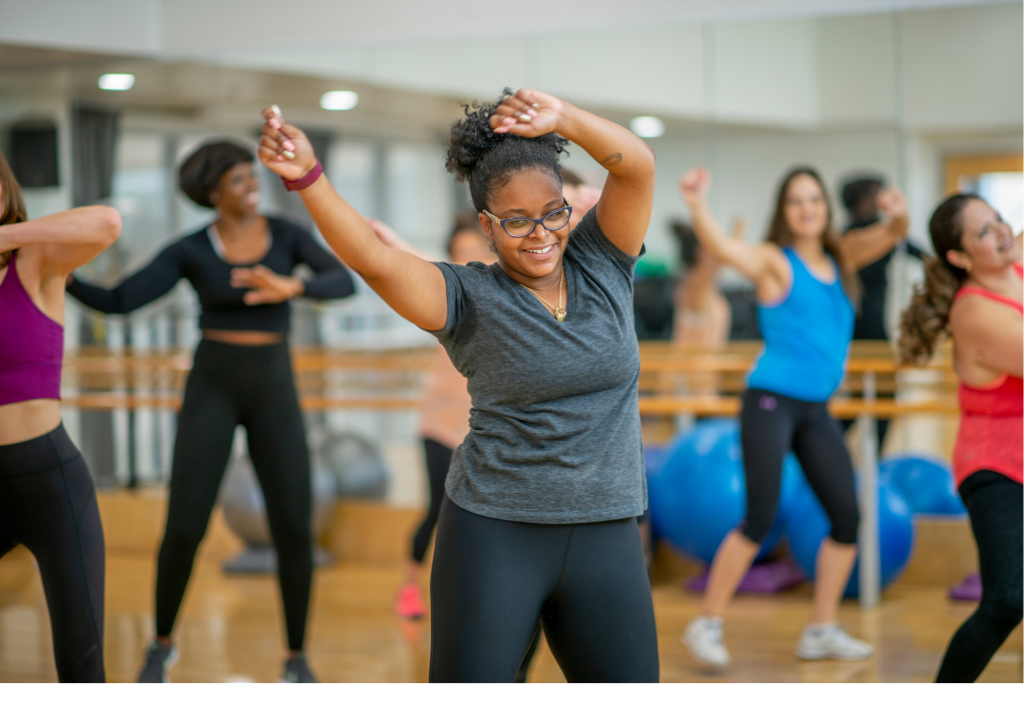
I hadn’t given this much consideration before, but during my research for this post, I found several scientific studies which had explored dance as a way of improving cognition (as well as being fun exercise to get you or keep you fit!). I do several Zumba classes and Dance Fit each week when I can and love them both. It can be a real challenge learning the steps, keeping in time with the music, paying attention to and following the instructor (especially when you get tired towards the end) and making sure you don’t don’t crash into anyone else in the class!
At my gym (Everyone Active), there are also special classes for older adults such as Forever Fit and Zumba Gold and both of them are very well subscribed! Of course you don’t have to have a gym membership to enjoy dancing – just put on the radio or other source of your favourite music and bop around the room!
Meditation
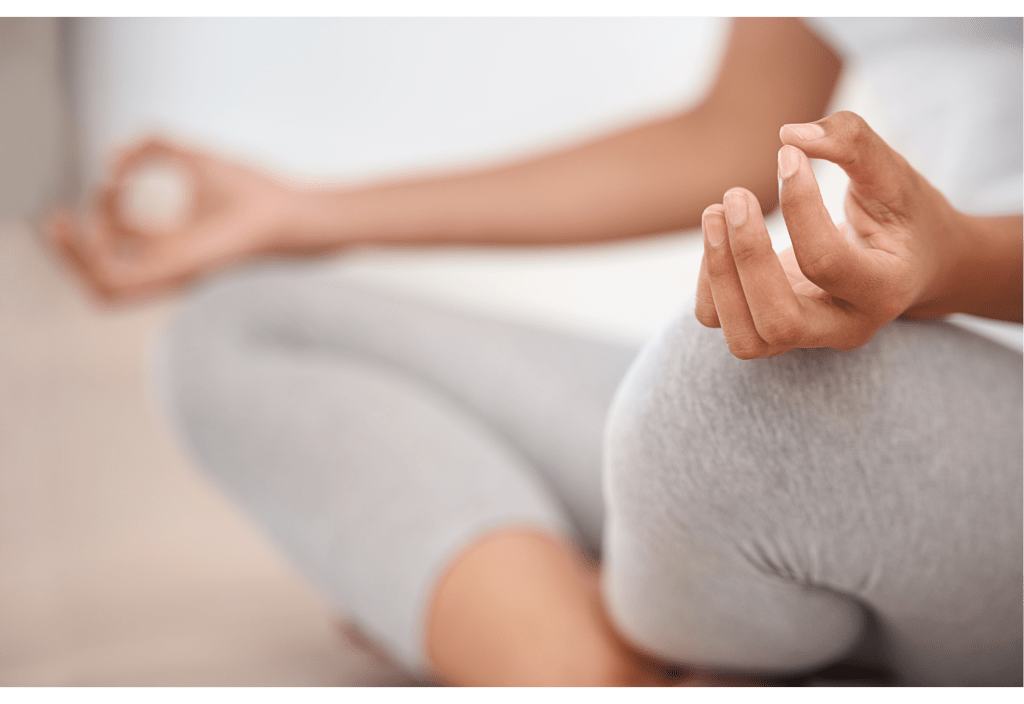
Incorporating a daily meditation practice into your morning and/or evening routine can enhance cognitive function in a number of ways. This non-judgmental and intentional awareness of the present moment helps improve attention and concentration as you spend time focusing on your breath, bodily sensations, sights or sounds. It has also been shown to increase the thickness of the prefrontal cortex in the brain, leading to better executive functioning by improving memory, problem solving skills, decision making and the ability to easily switch from one task to another as you go about your day.
Visualisation
This is a simple visualisation exercise you can do first thing in the morning after breakfast. Basically, you pick an activity that is on your to-do list or part of your plan for the day which you’ve done at least a few times before. Then, you close your eyes, and you visualise yourself doing your chosen activity. So, for example, if you’re heading to the supermarket that afternoon for a few bits and pieces, you could go through the actions involved in your mind and picture yourself doing all of the steps that are involved. Try to remember every part of the process in detail, right from locating and putting your shoes on, donning your coat and picking up your keys, all the way to carrying your bags back and unloading the items to your fridge, freezer and cupboards.

Final words…
I hope you’ve found this week’s Monday Matters useful and it has helped you to think about quick and easy ways in which you can give your brain a good workout each day. Let me know in the comments which of these you already incorporate into your routines and which you’d like to give a go in the future. Remember that if you enjoy doing an activity and find it beneficial, you’re most likely to keep it up and make it a habit.

 Keeping it creative